Who Are The Main Airlines For The National Teams of the FIFA World Cup?
 By The Aviation Hub
26 min read
By The Aviation Hub
26 min read
With the continued World Cup fever in effect, let’s take a look at who the main airlines are for each of the national teams in the FIFA World Cup 2026.
The 2026 World Cup is the biggest in history. For the first time 48 nations are competing, spread across 16 cities in the United States, Mexico and Canada, in a tournament that runs through the summer of 2026.
Furthermore, behind every one of those national teams sits a story far from the pitch, because most footballing nations also send their colours into the sky through a flag carrier.
These are the airlines that connect their countries to the world, and many of them are flying fans, families and sometimes the players themselves toward North America this summer.
This guide runs through all 48 World Cup nations and the airlines that fly the flag for each of them.
You will find true global heavyweights like Turkish Airlines, which reaches more countries than any other carrier on earth, alongside Qatar Airways, Lufthansa and Air France, names that sit among the most influential airlines in commercial aviation.
You will also meet smaller and more surprising operators, from the transatlantic ambitions of Cabo Verde Airlines to the brand new Uruguayan carrier preparing for its very first flights.
Aviation, like football, can be unpredictable.
Several World Cup nations no longer have a flag carrier at all, having watched their national airlines collapse, while others rely on private operators or foreign backed joint ventures to fill the role.
Where a country has no official flag carrier, we have explained the situation and named the airline that carries the load in practice.
So stow your tray table, settle into your seat and get ready for a journey through the national airlines of every team at the 2026 World Cup.
The Host Nations Of The World Cup…
United States: No single flag carrier

The United States deregulated its skies in 1978 and has never designated an official flag carrier since the fall of Pan Am.
Today three legacy giants share the role unofficially. American Airlines flies the largest fleet in the world at more than 1,000 mainline jets and reaches close to 350 destinations.
United connects more than 370 destinations from hubs including Chicago, Newark and San Francisco.
Furthermore, Delta serves around 325 destinations across roughly 50 countries from Atlanta, the world’s busiest airport.
Between them they blanket the planet with one of the densest route networks anywhere in commercial aviation.
Mexico: Aeroméxico
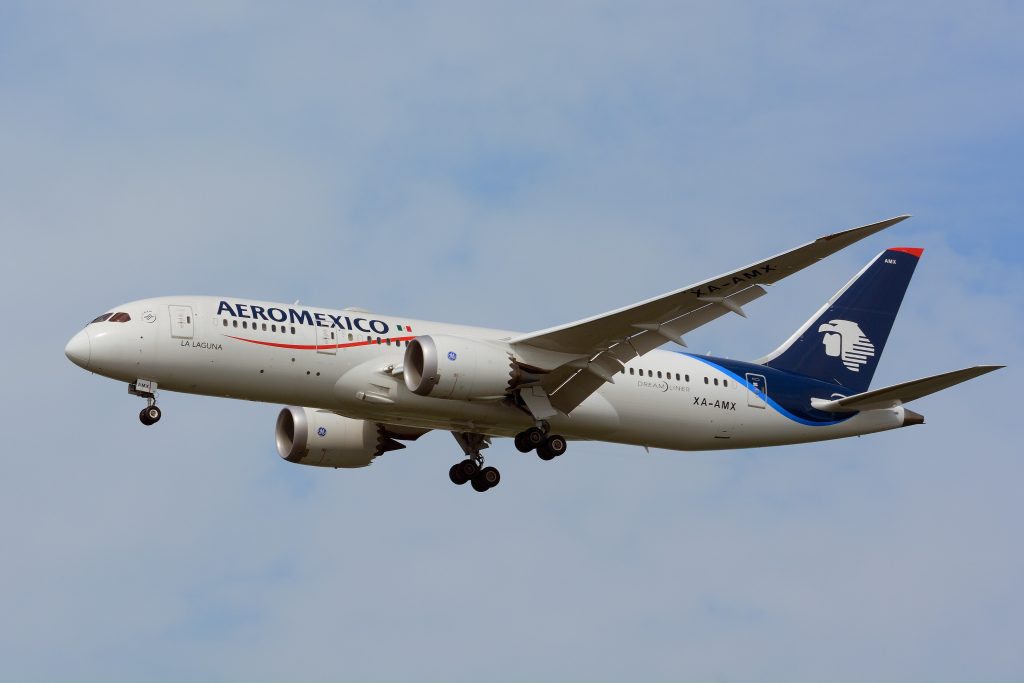
Aeroméxico is the proud flag carrier of the host nation that opened the tournament at the Estadio Azteca.
Founded in 1934, the SkyTeam member operates from its bustling hub at Mexico City International Airport and a growing base at the newer Felipe Ángeles airport.
Also, the airline serves roughly 90 destinations across the Americas, Europe and Asia, with a fleet built around Boeing 737s and 787 Dreamliners.
It maintains a deep joint venture with Delta that links Mexico tightly to the United States.
After emerging from a financial restructuring, Aeroméxico has rebuilt itself into one of Latin America’s most reliable full service carriers.
Canada: Air Canada
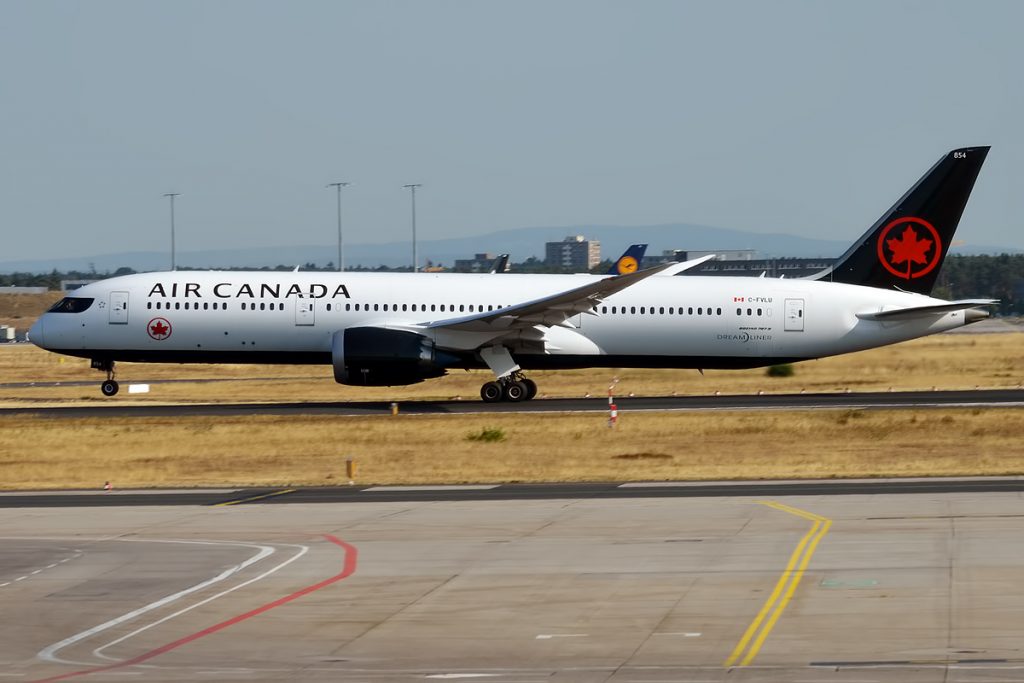
Air Canada is the largest airline in the country and its undisputed flag carrier.
Born in 1937 as Trans Canada Air Lines, the Star Alliance founding member flies from primary hubs in Toronto, Montreal and Vancouver.
Moreover, it serves more than 200 destinations on six continents, making it one of the most globally connected carriers in the Americas.
Its fleet spans Boeing 777s and 787 Dreamliners alongside Airbus A220s built in Quebec.
Known for the bold red maple leaf on its tail, Air Canada blends a vast domestic network across a huge country with long haul reach into Europe, Asia, Australia and South America.
Europe (UEFA) Teams At The World Cup…
England: British Airways
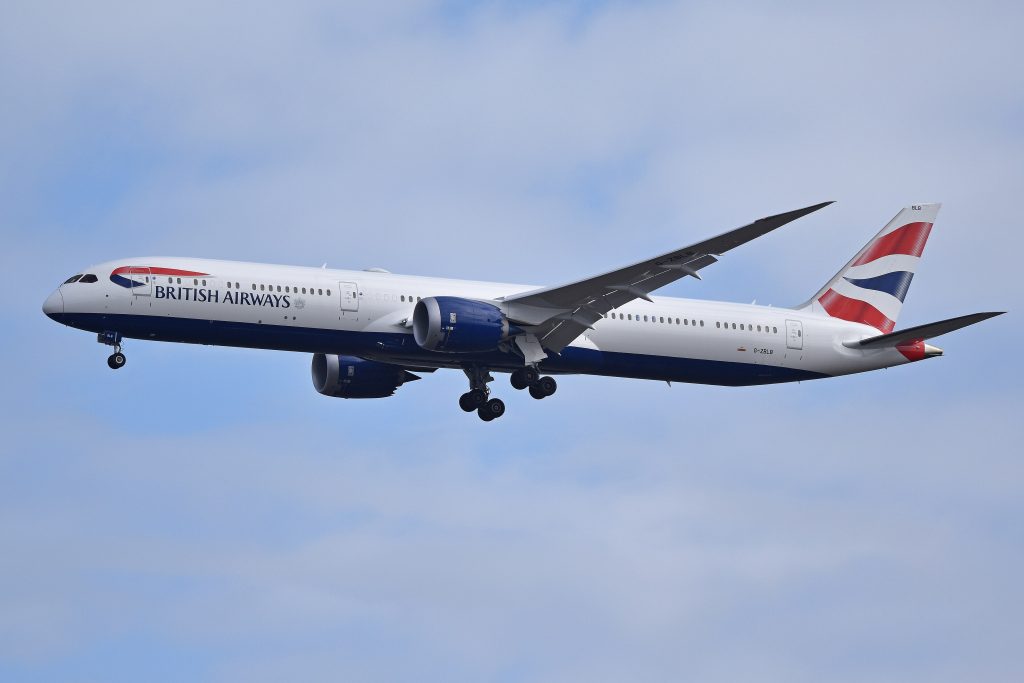
British Airways is the standard bearer for English and wider British aviation, even though it formally represents the whole United Kingdom.
Formed in 1974 and based at its London Heathrow fortress hub, the Oneworld founding member serves around 200 destinations worldwide.
Furthermore, its fleet is one of the most varied in Europe, ranging from Airbus A320 family jets to the flagship Airbus A350s and Boeing 777s and 787s.
BA carries the bulk of premium transatlantic traffic between London and the United States, a corridor that will be busy with travelling fans in 2026.
It remains a cornerstone of parent company International Airlines Group.
France: Air France
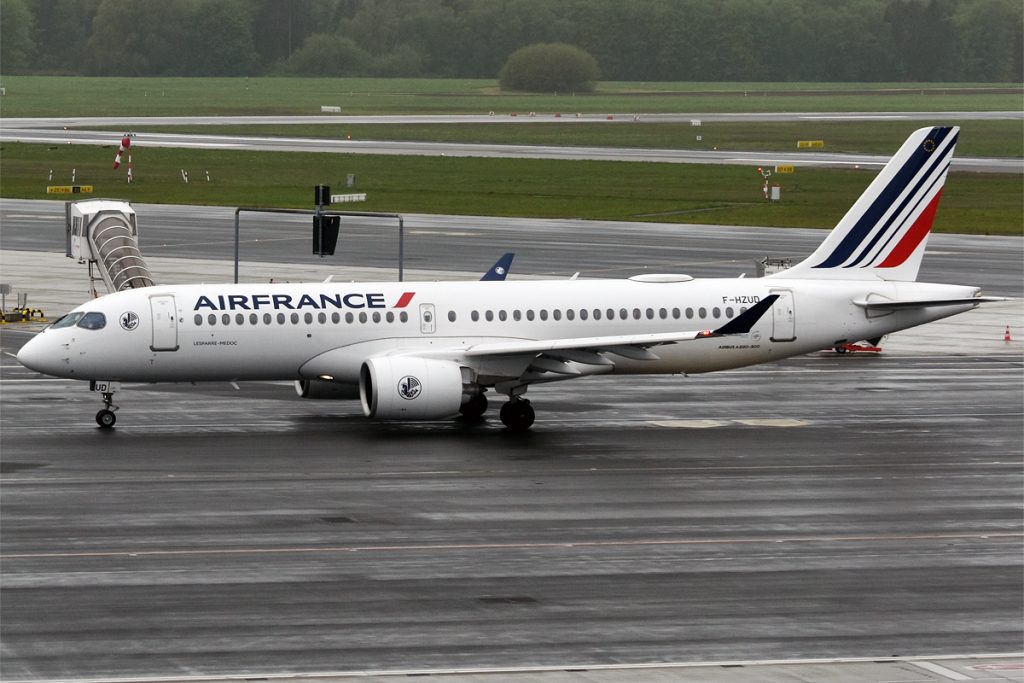
Air France is one of the grand names of world aviation and the flag carrier of Les Bleus.
Founded in 1933 and headquartered at Paris Charles de Gaulle, the SkyTeam founding member serves close to 200 destinations across the globe.
Also, together with Dutch partner KLM it forms the Air France KLM group, one of Europe’s three mega airline groups.
Its modern long haul fleet showcases the Airbus A350 and the flagship Boeing 777, while the new Airbus A220 refreshes shorter routes.
Famous for its elegant branding and refined onboard service, Air France links the nation to every inhabited continent from its Roissy mega hub.
Spain: Iberia
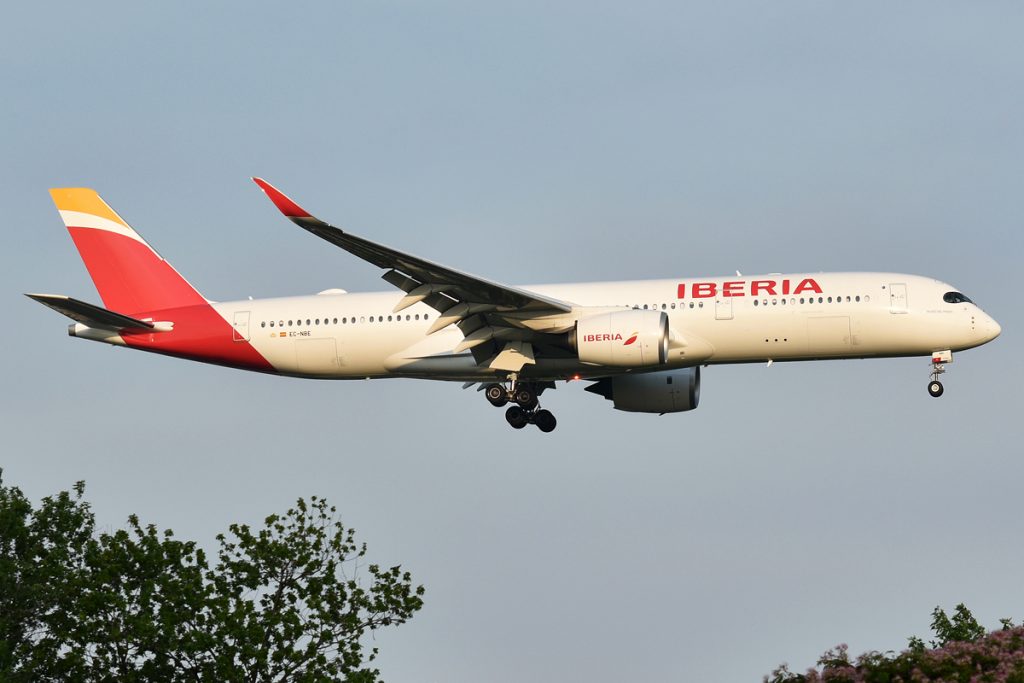
Iberia carries the reigning kings of European football onto the world stage.
Established in 1927, the Madrid based carrier is one of the oldest airlines on the continent and a member of Oneworld.
It serves around 130 destinations and is the undisputed bridge between Europe and Latin America, with a dense web of routes to cities across South and Central America.
Also, its long haul fleet centers on the Airbus A350 and A330, flying from the Adolfo Suárez Madrid Barajas hub.
Part of International Airlines Group alongside British Airways, Iberia combines Spanish flair with a strategic role connecting two continents that share a language.
Portugal: TAP Air Portugal
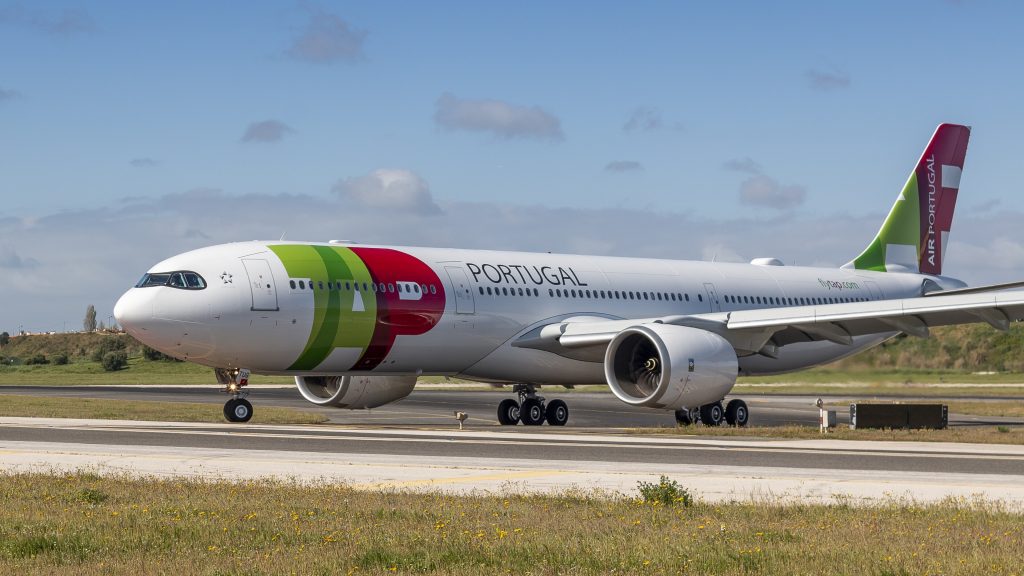
TAP Air Portugal flies the flag for Cristiano Ronaldo’s national side.
Founded in 1945 and based at Lisbon’s Humberto Delgado Airport, the Star Alliance member serves roughly 90 destinations across Europe, Africa, North America and South America.
TAP has carved out a clever niche as the natural gateway between Europe and Brazil, and its Lisbon hub funnels traffic between the Americas and the wider continent.
Also, its fleet is heavily Airbus, built around the fuel efficient A320neo family and long range A330neo widebodies.
The Portuguese government has long sought a private buyer for the carrier, making its ownership one of European aviation’s recurring talking points.
Germany: Lufthansa
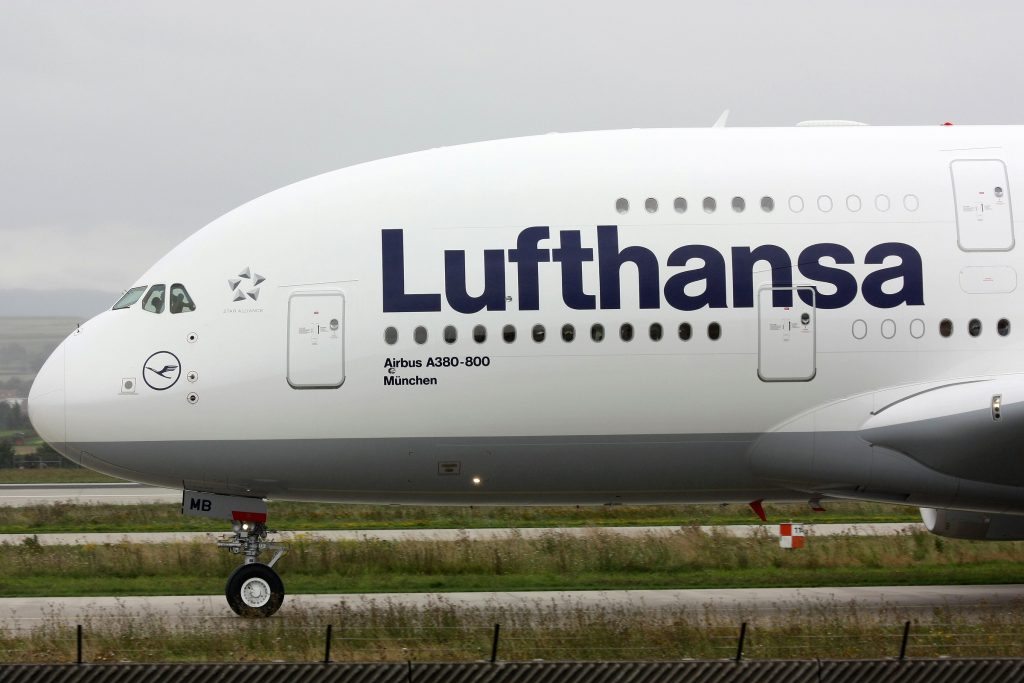
Lufthansa is the powerhouse flag carrier of the four time world champions.
Reestablished in 1953, the Star Alliance founding member operates from twin mega hubs at Frankfurt and Munich.
It serves around 200 destinations worldwide and anchors the sprawling Lufthansa Group, which also owns SWISS, Austrian, Brussels Airlines and a stake in ITA Airways.
Also, its long haul fleet is among the most modern in the world, led by the Airbus A350, the jumbo Boeing 747 and the incoming Boeing 777X.
Renowned for German precision and engineering pedigree, Lufthansa is one of the most influential airlines on earth and a true heavyweight of global aviation.
Netherlands: KLM
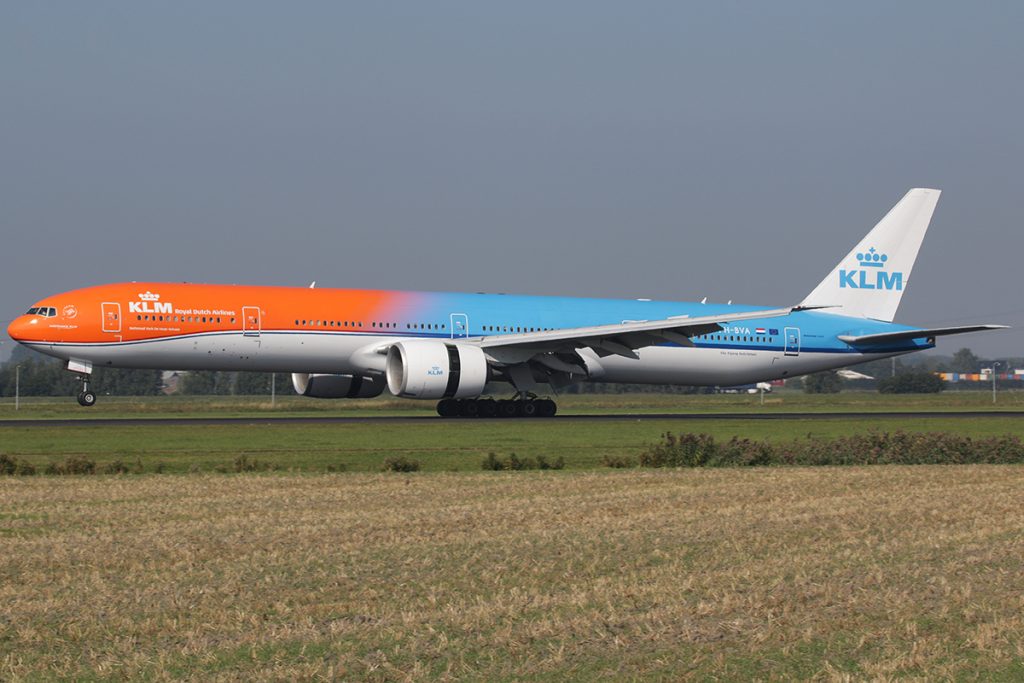
KLM holds a unique place in aviation history as the oldest airline still operating under its original name, founded in 1919.
The Dutch flag carrier of the Oranje is based at Amsterdam Schiphol, one of Europe’s great connecting hubs.
A SkyTeam founding member, KLM serves around 160 destinations and forms half of the Air France KLM group.
Furthermore, its long haul fleet leans on the Boeing 777 and 787 Dreamliner, while the Embraer fleet of regional partner KLM Cityhopper feeds Schiphol from across Europe.
Famous for the delft blue miniature houses given to business passengers, KLM blends heritage with a fiercely efficient hub operation.
Switzerland: SWISS
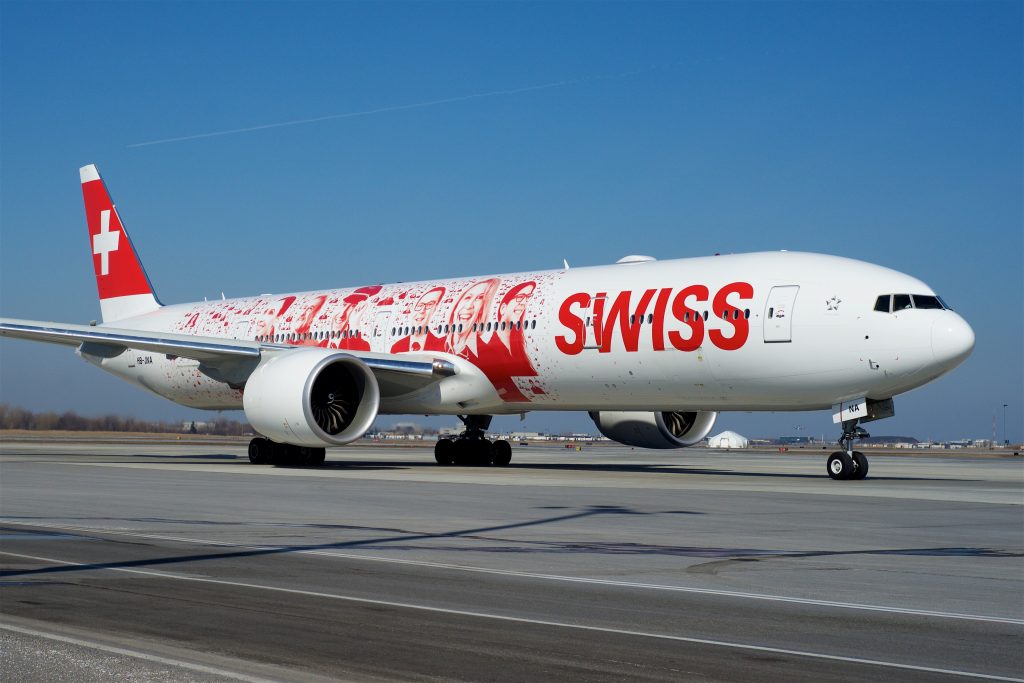
Swiss International Air Lines, known simply as SWISS, rose from the ashes of the collapsed Swissair in 2002.
Furthermore, the flag carrier is based at Zurich Airport with a secondary hub in Geneva and belongs to the Lufthansa Group as a Star Alliance member.
SWISS serves around 100 destinations worldwide and is renowned for the precision, quality and quiet luxury associated with its home country.
Its long haul fleet features the Airbus A350 and Boeing 777, while Airbus A220s and A320neo family jets handle European routes.
With its crisp white cross livery, SWISS projects an image of reliability that mirrors the nation it represents.
Austria: Austrian Airlines
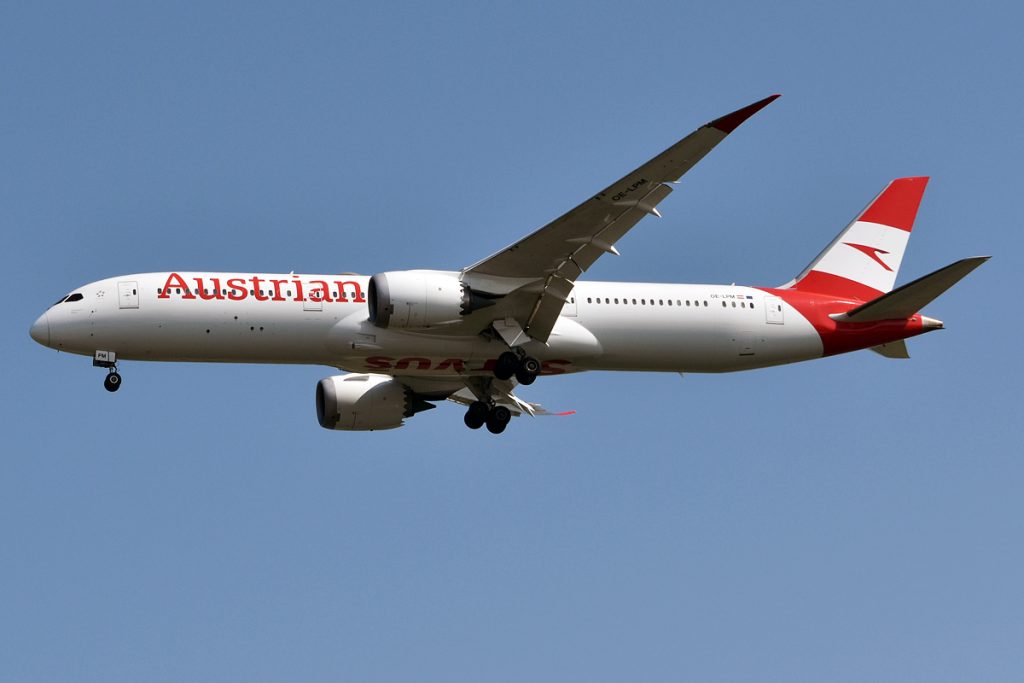
Austrian Airlines flies the colours of a side that returned to the World Cup for the first time since 1998.
Founded in 1957, the Vienna based carrier is a member of Star Alliance and part of the Lufthansa Group.
Furthermore, it serves around 130 destinations, with a particular strength linking Western Europe to Central and Eastern Europe through its efficient Vienna hub.
The fleet combines Boeing 777 widebodies for long haul flying with Airbus narrowbodies and Embraer regional jets.
Overall, Austrian is known for its warm hospitality, its red and white branding and the famous coffee service offered on board, a small touch of Viennese café culture at altitude.
Croatia: Croatia Airlines
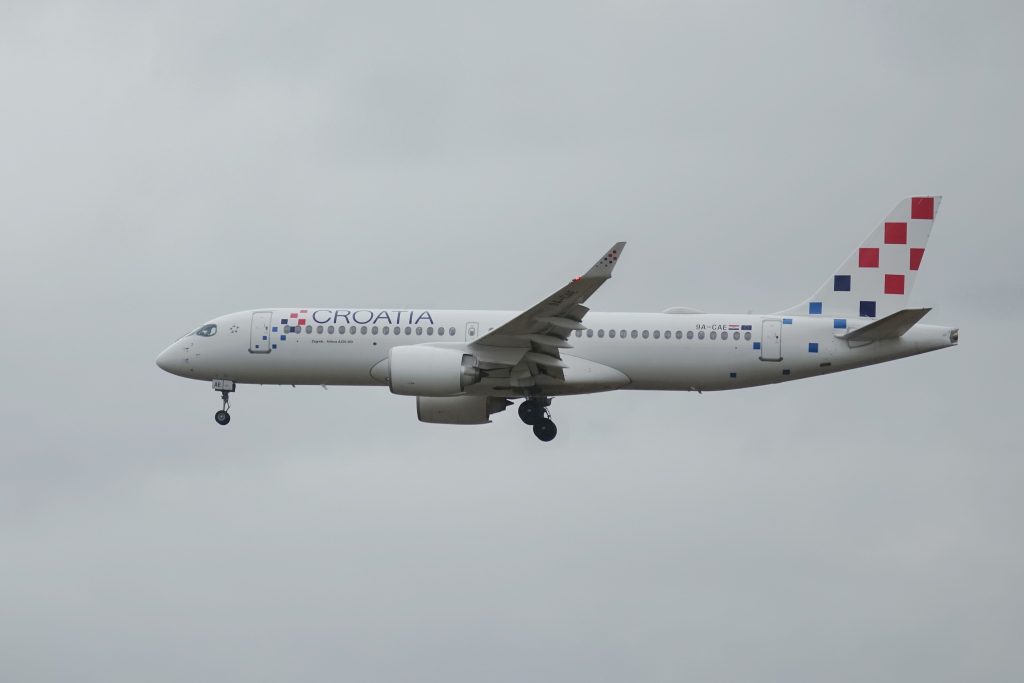
Croatia Airlines is the small but spirited flag carrier of the 2018 finalists.
Founded in 1989 just as Croatia moved toward independence, the Zagreb based airline is a member of Star Alliance.
Furthermore, it serves around 40 destinations, focused tightly on connecting Croatia with major European cities and feeding tourist traffic to the Adriatic coast in summer.
The carrier has undergone a major fleet renewal, replacing older Airbus and turboprop aircraft with a unified fleet of modern Airbus A220s.
Overall, though modest in size next to its European neighbours, Croatia Airlines plays an outsized role in the tourism driven economy of one of the continent’s most beautiful coastlines.
Norway & Sweden: Scandinavian Airlines (SAS)

Norway shares its traditional flag carrier with its Scandinavian neighbours. SAS, founded in 1946 by Norway, Sweden and Denmark, serves all three nations from hubs in Oslo, Stockholm and Copenhagen.
The airline reaches around 130 destinations and recently made headlines by leaving Star Alliance to join SkyTeam, following an investment that brought Air France KLM on board as a major shareholder.
Also, its fleet centers on the Airbus A320neo and A350.
Worth noting too is Norwegian Air Shuttle, the low cost carrier that is now the largest airline registered in Norway itself, serving a wide European network from Oslo with a big Boeing 737 fleet.
Sweden, like Norway, is served by SAS, the joint Scandinavian flag carrier that calls Stockholm Arlanda one of its three home hubs.
After a turbulent restructuring, SAS emerged leaner and switched alliances from Star Alliance to SkyTeam in 2024, with Air France KLM taking a leading ownership stake.
Furthermore, the airline serves roughly 130 destinations across Europe, North America and Asia.
Its fleet is built around the Airbus A320neo family for shorter routes and the Airbus A350 for long haul flying.
Sweden also produces strong low cost competition, but SAS remains the heritage carrier most associated with the blue and yellow national colours.
Türkiye: Turkish Airlines
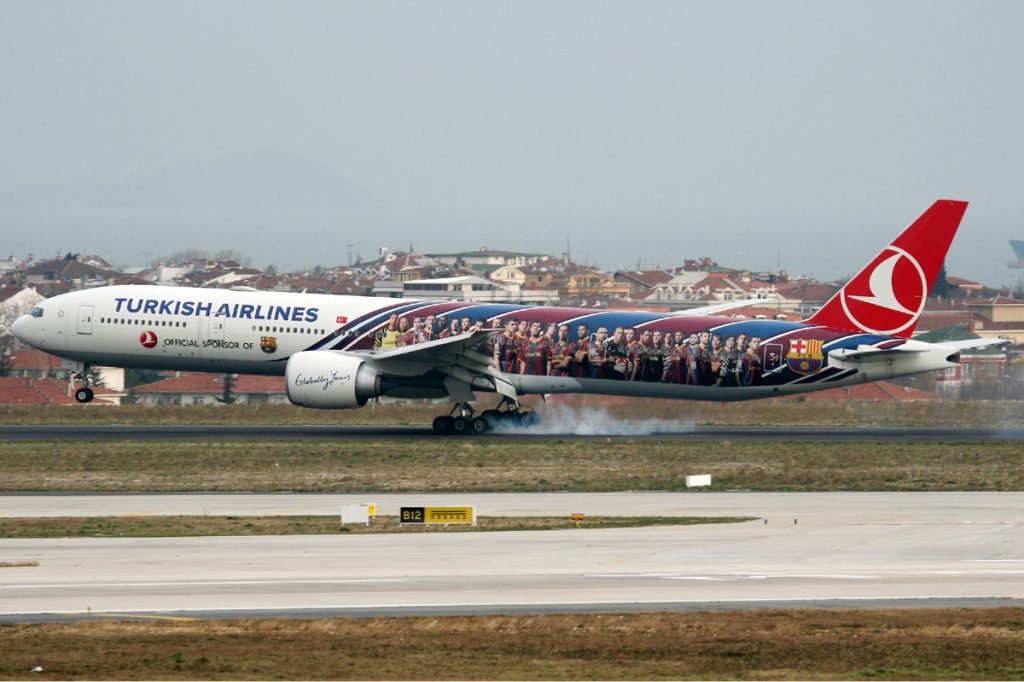
Turkish Airlines is arguably the most globally connected airline of any World Cup nation.
Founded in 1933 and based at the vast Istanbul Airport, the Star Alliance member flies to more countries than any other carrier on the planet, reaching around 130 countries and more than 340 destinations.
Also, its fleet of roughly 400 aircraft spans the Airbus A350, Boeing 787 Dreamliner and 777, alongside a huge narrowbody backbone.
Istanbul’s geographic position makes it a natural bridge between Europe, Asia and Africa, and Turkish has exploited this masterfully.
Overall, famed for its catering, its onboard chefs and its free stopover programme, it is a genuine global aviation force.
Czechia: Smartwings
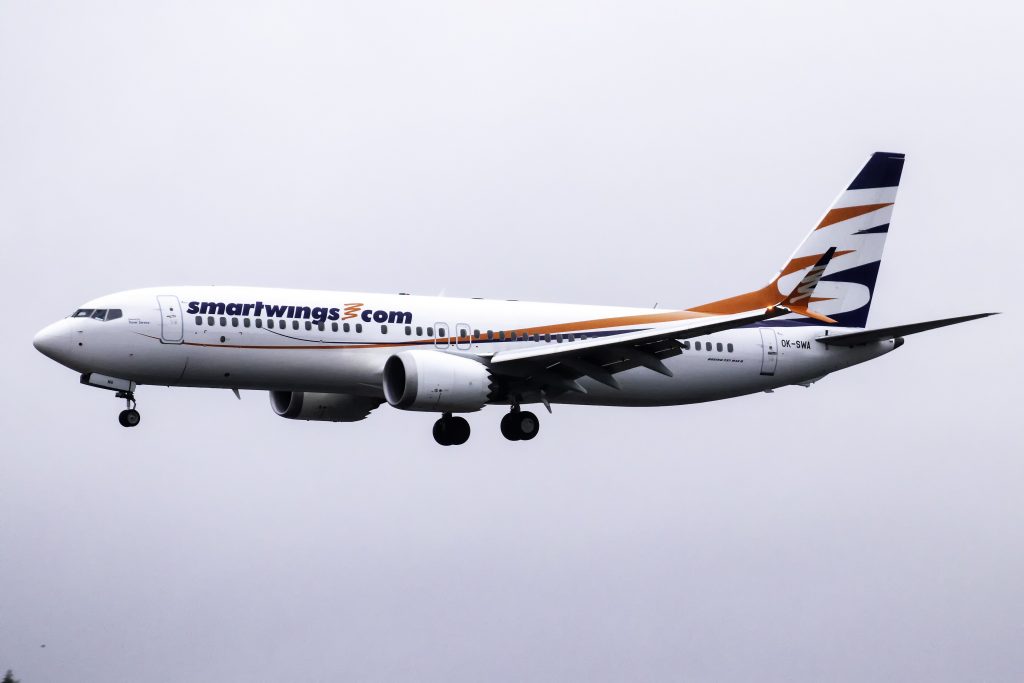
Czechia’s aviation story took a dramatic turn recently.
Czech Airlines, founded in 1923 and once among the oldest airlines in the world, ceased independent operations in October 2024 and was folded into Smartwings, which now effectively carries the country’s flag.
Furthermore, Smartwings is a Prague based carrier that blends scheduled flying with a strong leisure and charter focus, serving more than 40 destinations across Europe, North Africa and the Middle East.
Its fleet is built almost entirely around the Boeing 737, including the 737 MAX.
In a further twist, Turkish low cost airline Pegasus agreed in late 2025 to acquire the Smartwings group.
Africa (CAF) National Teams in the World Cup…
Morocco: Royal Air Maroc

Royal Air Maroc carries the Atlas Lions, the African side that thrilled the world by reaching the semifinals in 2022.
Founded in 1957 and based at Casablanca’s Mohammed V Airport, the airline joined the Oneworld alliance in 2020 as its first North African member.
Furthermore, it serves around 100 destinations, with an extensive African network that positions Casablanca as a gateway between Europe, the Americas and the rest of Africa.
The fleet is largely Boeing, anchored by the 787 Dreamliner and 737 families.
Royal Air Maroc has ambitious growth plans tied to Morocco’s tourism boom and its role as a future World Cup host in 2030.
Egypt: EgyptAir
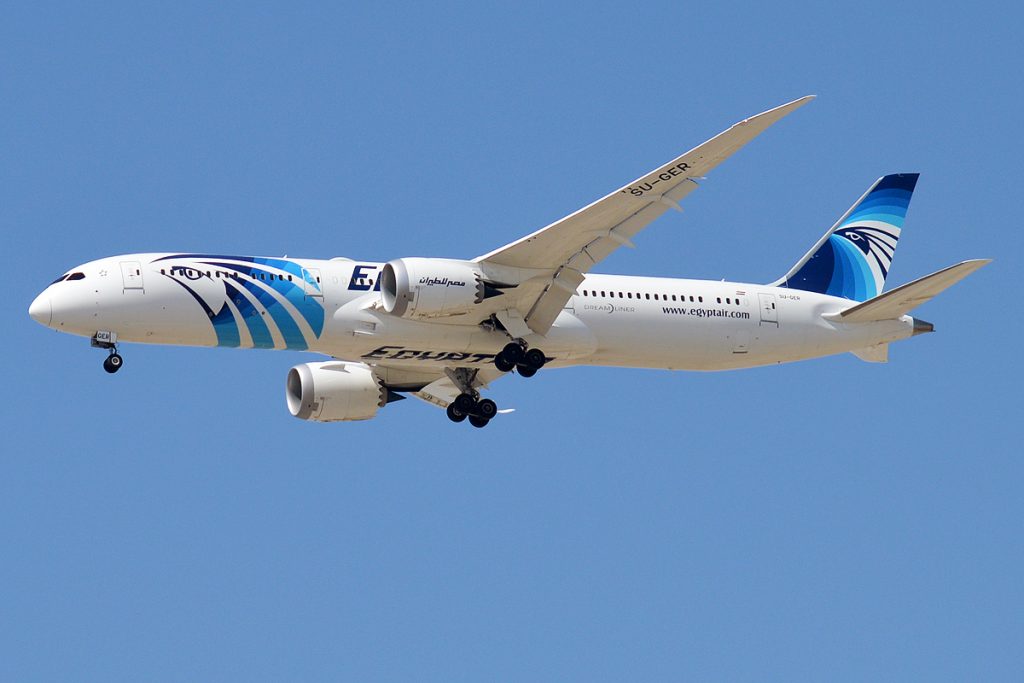
EgyptAir is one of the oldest airlines in the world, founded in 1932.
The Star Alliance member is based at Cairo International Airport and serves around 80 destinations across Africa, the Middle East, Europe, Asia and the Americas.
Its fleet blends Boeing 777s and 787 Dreamliners for long haul routes with Airbus A320neo family and Boeing 737 jets for regional flying.
Also, as the flag carrier of a country positioned at the crossroads of Africa and the Middle East, EgyptAir plays a key role in linking the Arab world, the African continent and Europe.
Cairo’s hub gives it a strong position in regional aviation.
Algeria: Air Algérie
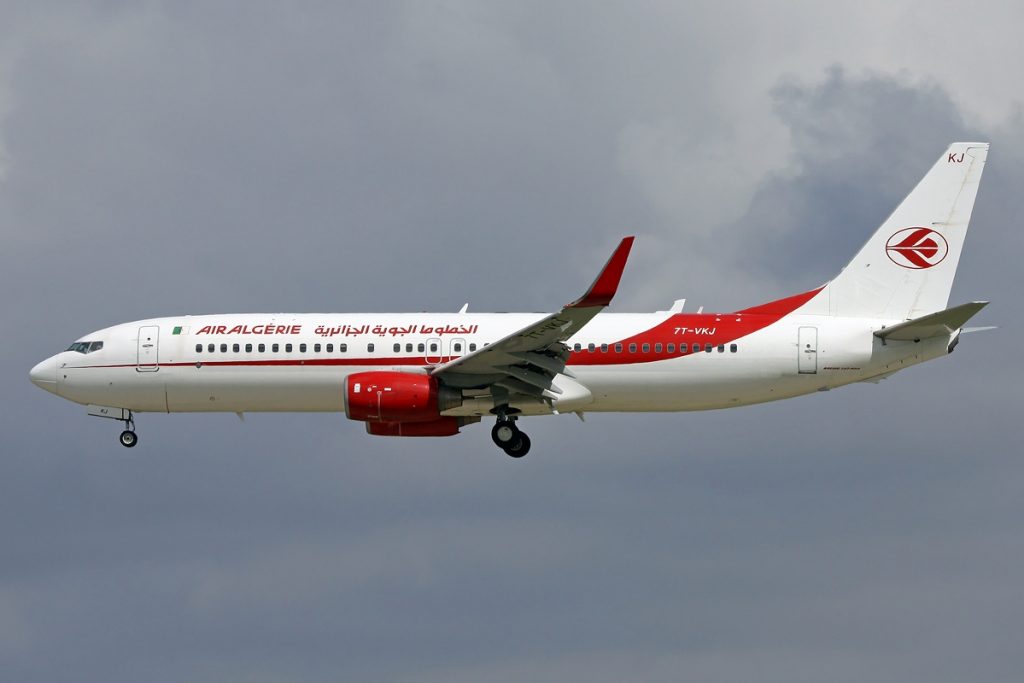
Air Algérie is the state owned flag carrier of the North African nation, founded in 1947.
Based at Houari Boumediene Airport in Algiers, it serves around 80 destinations, with an especially dense network connecting Algeria to France and the wider Mediterranean, reflecting deep historical and diaspora ties.
Furthermore, the fleet is a mix of Boeing 737s and Airbus A330s and A320 family jets, and the airline has placed orders to modernise and expand its long haul capability.
As one of the larger airlines in Africa by fleet size, Air Algérie is central to the country’s connectivity and its growing ambitions in continental aviation.
Tunisia: Tunisair

Tunisair is the flag carrier of Tunisia, founded in 1948 and based at Tunis Carthage Airport.
The airline serves around 40 destinations, heavily focused on Europe and the Mediterranean basin, carrying both tourists to Tunisia’s beaches and the large Tunisian diaspora living abroad.
Also, its fleet is built around the Airbus A320 family and Boeing 737s.
Like several North African carriers, Tunisair has navigated financial challenges and restructuring in recent years while remaining a symbol of national pride.
Its network leans strongly toward France, Italy and Germany, the European markets most closely linked to Tunisia through history, tourism and migration.
Senegal: Air Sénégal
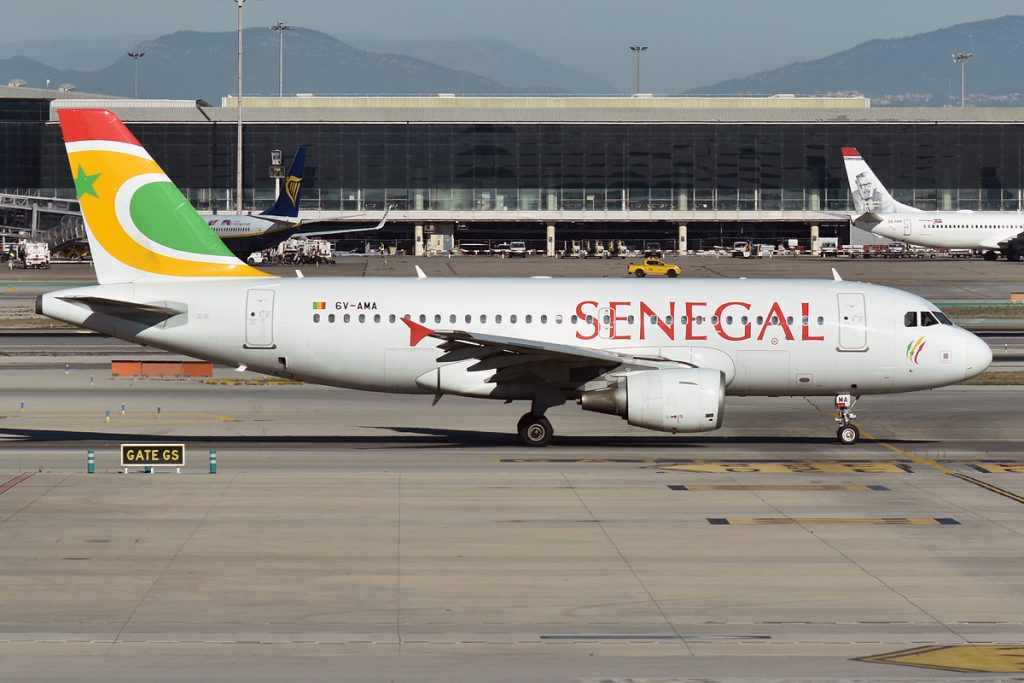
Air Sénégal is a young and ambitious flag carrier, launched in 2018 to replace earlier failed national airlines.
Based at the modern Blaise Diagne International Airport near Dakar, it serves a growing network of around 20 destinations across West Africa, Europe and beyond.
Furthermore, the airline has positioned Dakar as a potential West African hub, using a fleet that includes Airbus A330neo widebodies and A320 family jets along with regional turboprops.
Representing the Lions of Teranga, Air Sénégal embodies the aspirations of one of Africa’s rising economies, though like many new carriers it continues to balance rapid expansion with the realities of profitability.
Ivory Coast: Air Côte d’Ivoire
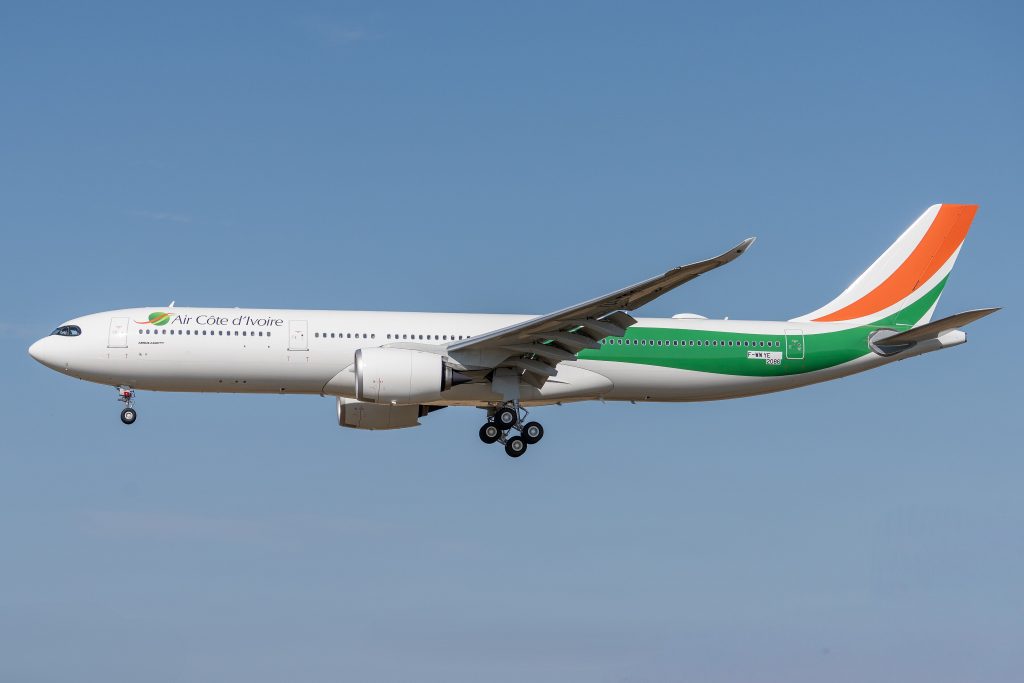
Air Côte d’Ivoire is the flag carrier of Ivory Coast, founded in 2012 after the collapse of earlier national airlines.
Based at the main Abidjan airport, the carrier serves around 25 to 30 destinations, concentrated heavily on West and Central Africa, with select routes toward Europe.
Furthermore, its fleet is built around Airbus A320 family jets and regional turboprops, and the airline has explored adding widebody aircraft to extend its long haul reach.
As one of the more stable and fast growing carriers in francophone Africa, Air Côte d’Ivoire aims to make Abidjan a key regional aviation hub for the wider subregion.
South Africa: South African Airways
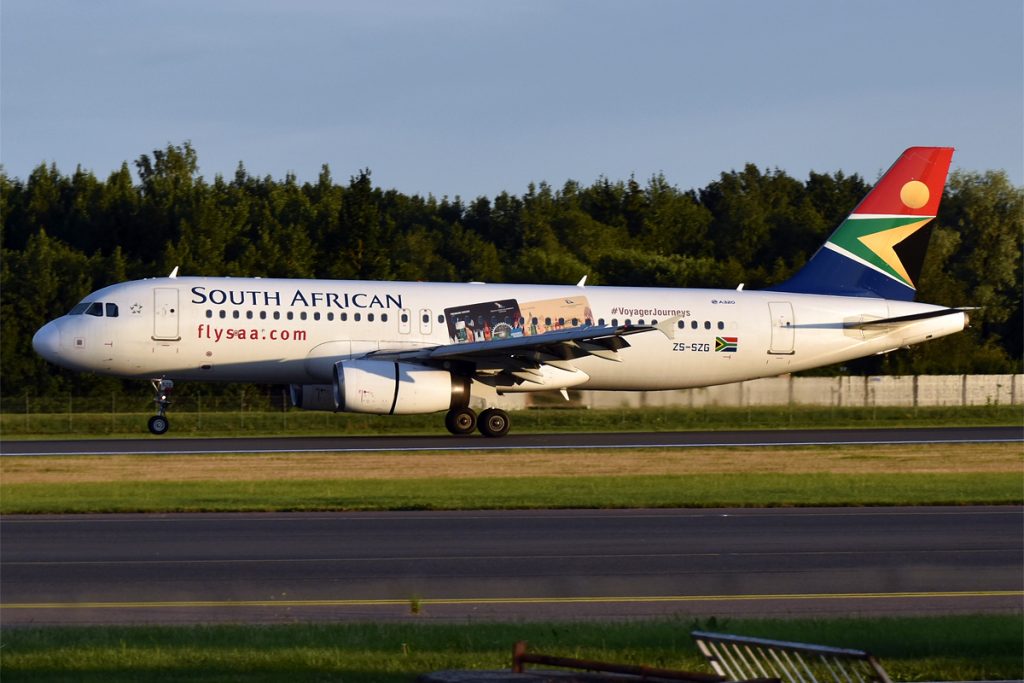
South African Airways, known as SAA, is the historic flag carrier of the nation whose opening loss to Mexico kicked off the tournament.
Founded in 1934, SAA was once Africa’s premier airline but entered a painful business rescue process and grounded its fleet before relaunching in 2021.
Today it operates a much smaller network of around 10 to 15 destinations across Africa and select international routes from its Johannesburg hub at OR Tambo.
Furthermore, the rebuilt fleet centers on the Airbus A320 family and A330s.
Though greatly reduced from its peak, SAA remains a recognisable symbol carrying the colours of the national side.
Ghana: No current flag carrier
Ghana is one of several World Cup nations with no functioning flag carrier.
The original Ghana Airways collapsed in 2004, and a successor named Ghana International Airlines folded a few years later.
Since then the government has repeatedly promised a relaunch of a national carrier, often in partnership with foreign airlines, but no airline has yet taken to the skies under the flag.
In the meantime, Ghana’s busy Kotoka International Airport in Accra is served by a range of African and international carriers.
For now the Black Stars head to the World Cup without an airline of their own to carry the flag.
Cape Verde: Cabo Verde Airlines
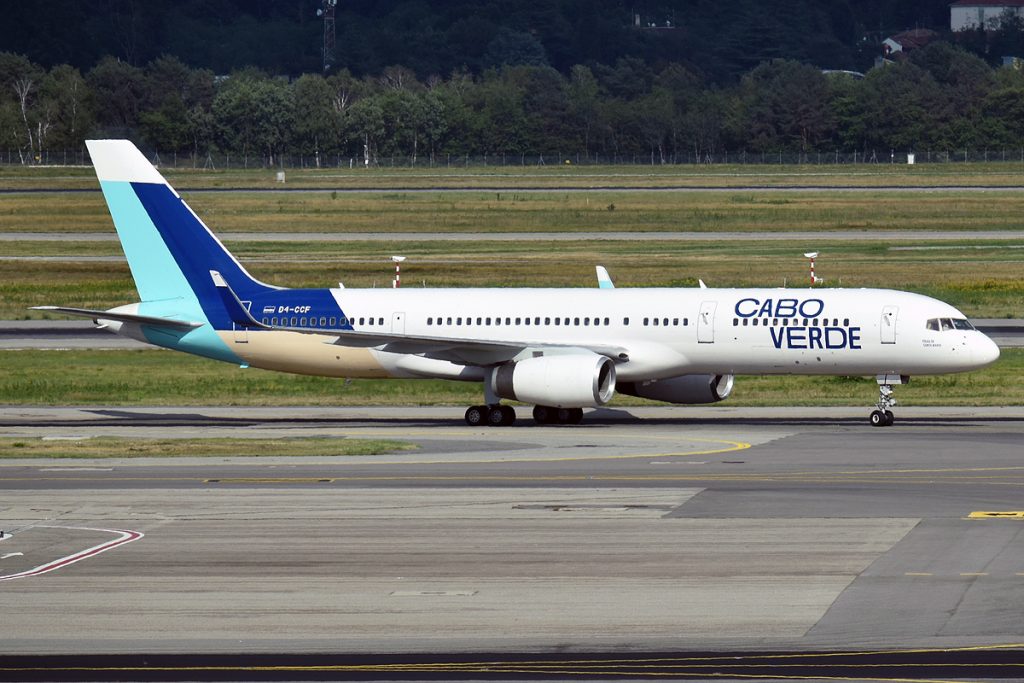
Cape Verde makes a fairytale World Cup debut, and its flag carrier has its own story of survival.
Cabo Verde Airlines, formerly known as TACV, was founded in 1958 and is around 90 percent state owned.
Based at Amílcar Cabral International Airport on Sal Island, it uses the archipelago’s remarkable mid Atlantic position to link three continents, serving destinations across Europe, West Africa, North America and South America with a fleet led by the Boeing 737 MAX.
Furthermore, a new domestic subsidiary handles inter island hops.
For a nation of around half a million people, having a transatlantic carrier is a genuine point of pride.
DR Congo: Air Congo
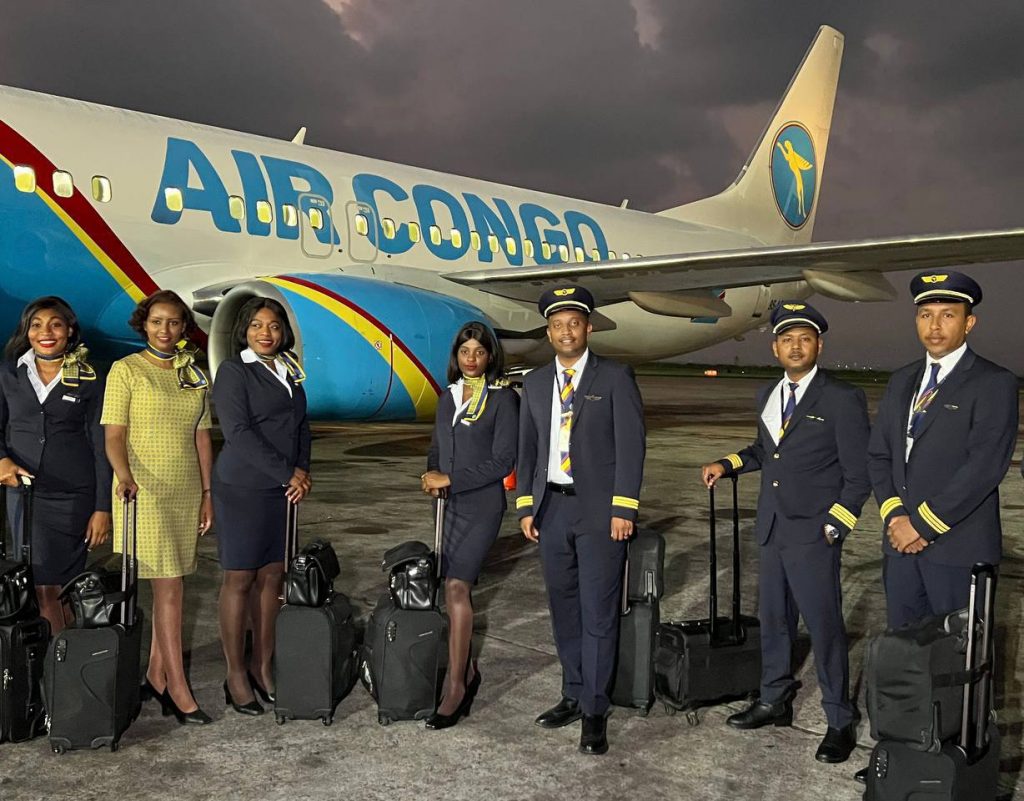
The Democratic Republic of the Congo has been through a turbulent stretch in aviation.
Its traditional flag carrier, Congo Airways, founded in 2014, has repeatedly suspended operations and was grounded again in 2025.
In its place the government has thrown its weight behind Air Congo, a new joint venture launched in late 2024 with Ethiopian Airlines, which holds a 49 percent stake and provides aircraft and expertise.
Furthermore, Air Congo has become the country’s de facto national carrier, flying Boeing 737s and ATR turboprops between Kinshasa, Lubumbashi, Goma and Kisangani, with ambitions to add international services including a planned link to Brussels.
Asia (AFC) Countries in the World Cup…
Australia: Qantas
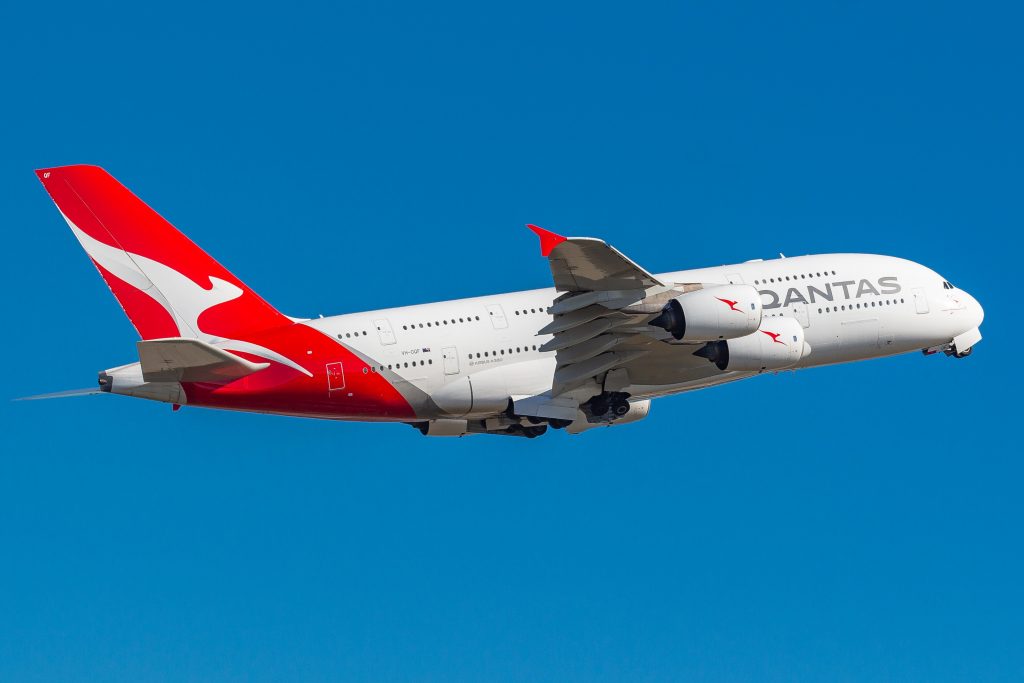
Qantas is one of the most iconic airlines on earth and the flag carrier of the Socceroos.
Founded in 1920, it is the oldest continuously operating airline in the English speaking world and famous for its strong safety record.
Furthermore, the Oneworld founding member is based in Sydney and serves around 85 destinations, with a long haul network that increasingly connects Australia nonstop to the far corners of the globe.
Also, its Project Sunrise plans aim to launch the world’s longest flights, linking Sydney directly to London and New York.
The fleet spans the Airbus A350, Boeing 787 Dreamliner and the trusty 737.
Iran: Iran Air
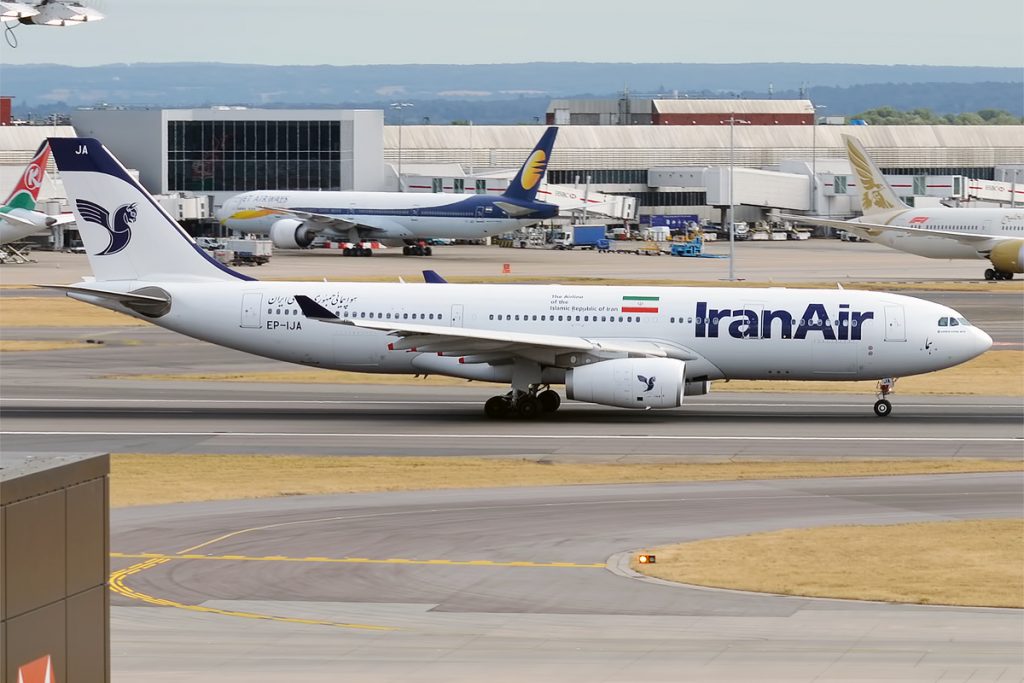
Iran Air is the flag carrier of a side competing under difficult circumstances during a period of regional conflict.
Founded in 1962 and based at Tehran’s Mehrabad and Imam Khomeini airports, the airline serves around 40 destinations across the Middle East, Europe and Asia.
Furthermore, decades of international sanctions have severely limited its ability to buy new aircraft and spare parts, leaving it operating an unusually old and varied fleet that has included Airbus, Boeing and ATR types.
Despite these immense challenges, Iran Air, nicknamed Homa after a mythical bird, remains a proud national institution and a lifeline for international travel to and from the country.
Japan: Japan Airlines
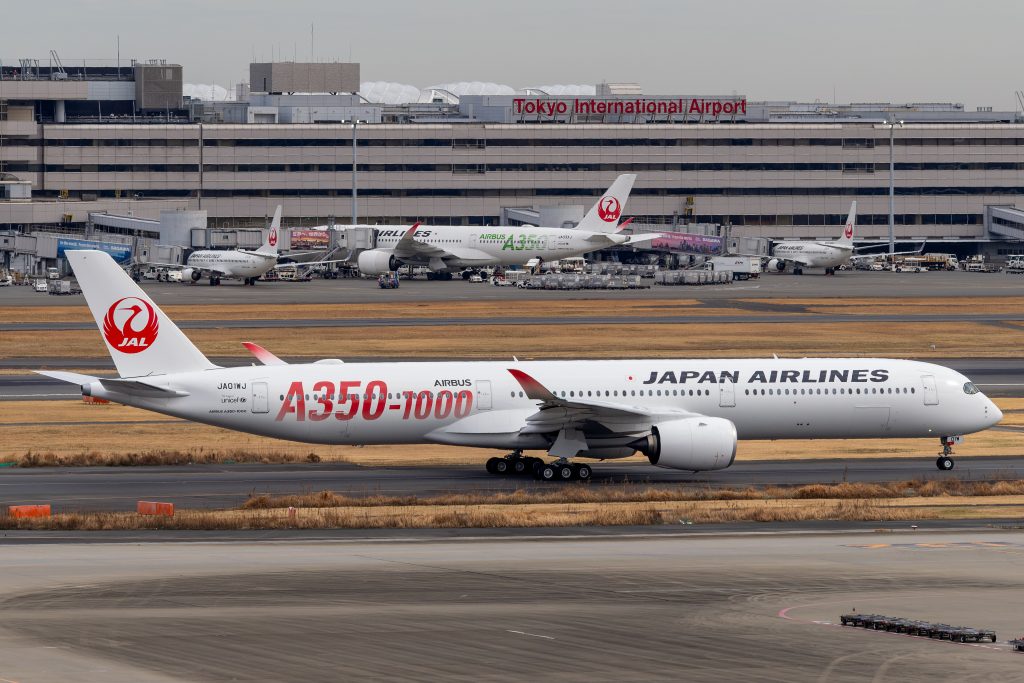
Japan Airlines, or JAL, is the designated flag carrier of one of Asia’s strongest footballing nations.
Founded in 1951 and based at Tokyo’s Haneda and Narita airports, the Oneworld member serves around 95 destinations.
Moreover, it is renowned for impeccable service, punctuality and the famous crane logo known as the Tsurumaru.
JAL emerged from a major bankruptcy and restructuring in 2010 to become one of the most efficient and respected carriers in the world.
Its long haul fleet showcases the Airbus A350 and Boeing 787 Dreamliner.
While rival All Nippon Airways is larger, JAL holds the traditional flag carrier status and global prestige.
Jordan: Royal Jordanian
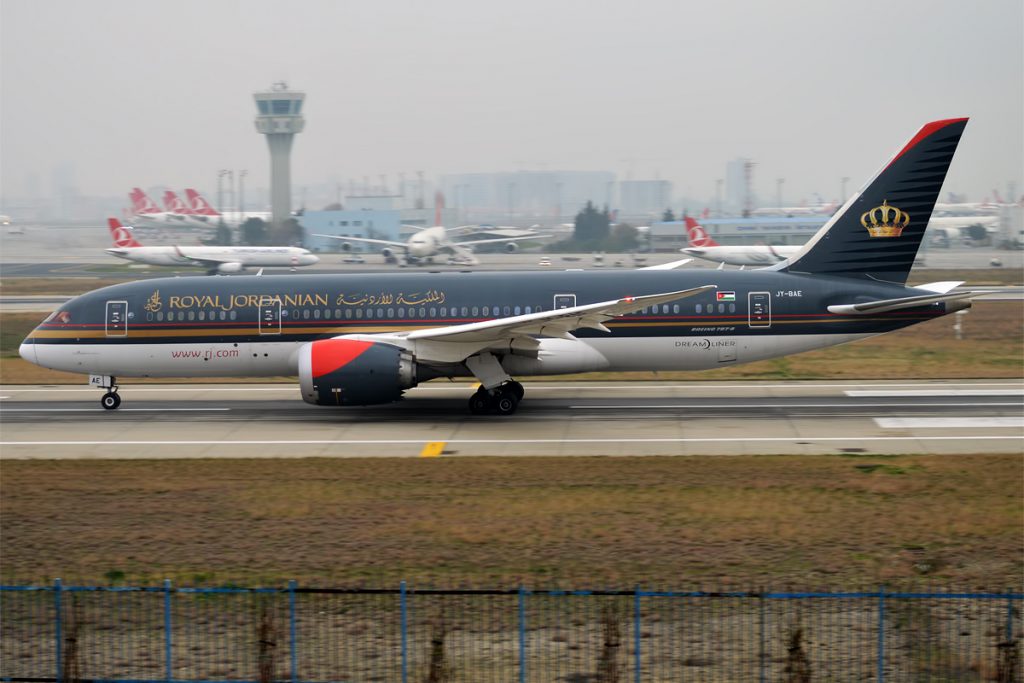
Royal Jordanian is the flag carrier of a debutant making its first ever World Cup appearance.
Founded in 1963 and based at Queen Alia International Airport in Amman, the airline is a member of the Oneworld alliance.
It serves around 40 destinations across the Middle East, Europe, North America and Asia, positioning Amman as a connecting point in a strategically vital region.
The fleet blends Boeing 787 Dreamliners for long haul routes with Airbus A320 family jets and Embraer regional jets.
Overall, as Jordan celebrates a historic qualification, Royal Jordanian represents the small kingdom’s outsized ambition to remain a stable hub in a volatile neighbourhood.
Qatar: Qatar Airways
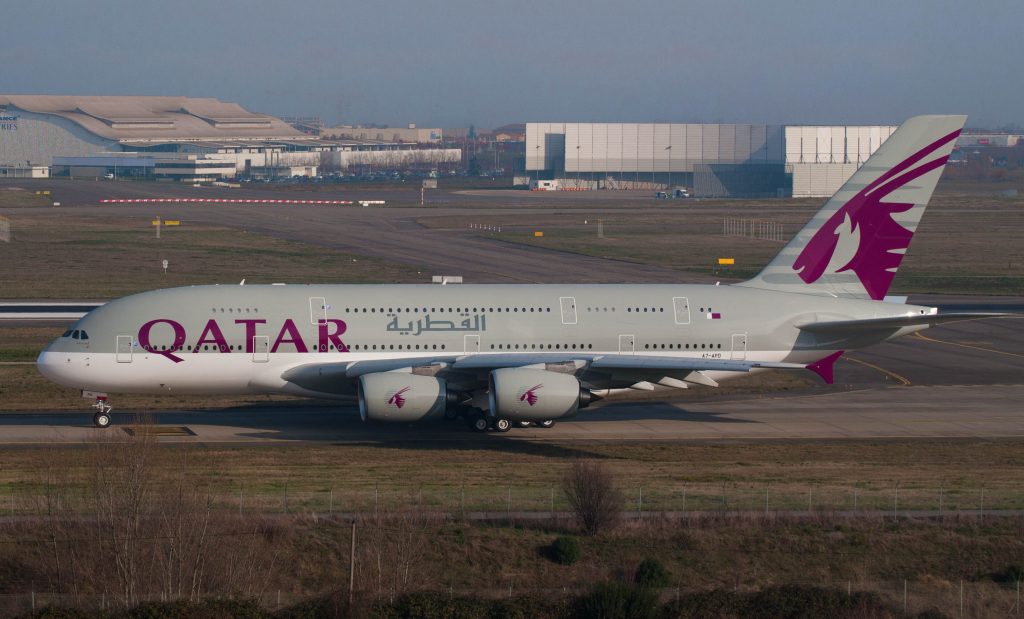
Qatar Airways is one of the most awarded airlines in the world and the flag carrier of the 2022 host nation.
Founded in 1997 and based at Hamad International Airport in Doha, the Oneworld member serves around 170 destinations across every inhabited continent.
Moreover, its fleet is among the most modern and diverse anywhere, spanning the Airbus A350, A380 and Boeing 777 and 787 Dreamliner.
The airline’s Qsuite business class is widely regarded as a benchmark for premium travel.
Overall, the airline has built Doha into a major global connecting hub in just over two decades, Qatar Airways is a genuine giant of long haul aviation.
Saudi Arabia: Saudia
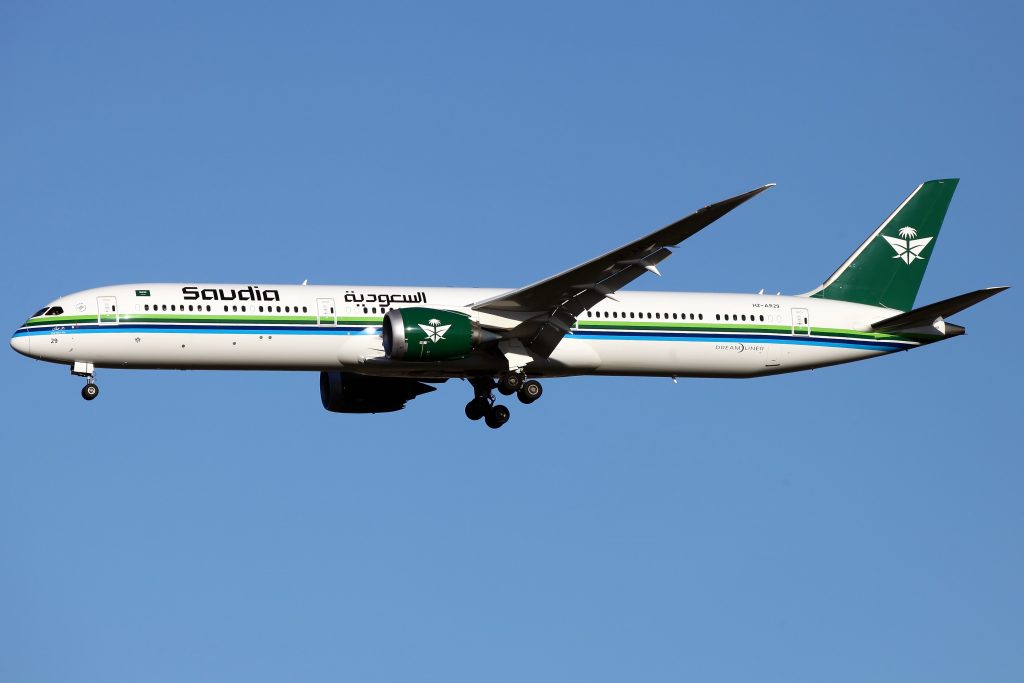
Saudia, formerly Saudi Arabian Airlines, is the flag carrier of the Green Falcons.
Founded in 1945, the SkyTeam member is based at hubs in Jeddah and Riyadh and serves around 100 destinations.
A huge share of its mission revolves around carrying millions of pilgrims to the holy cities of Mecca and Medina each year, one of the largest seasonal travel operations on the planet.
Furthermore, the fleet is built around Boeing 787 Dreamliners and 777s alongside Airbus A320 family jets.
As Saudi Arabia invests heavily in tourism and prepares to host the 2034 World Cup, Saudia faces fresh competition from the startup carrier Riyadh Air.
South Korea: Korean Air
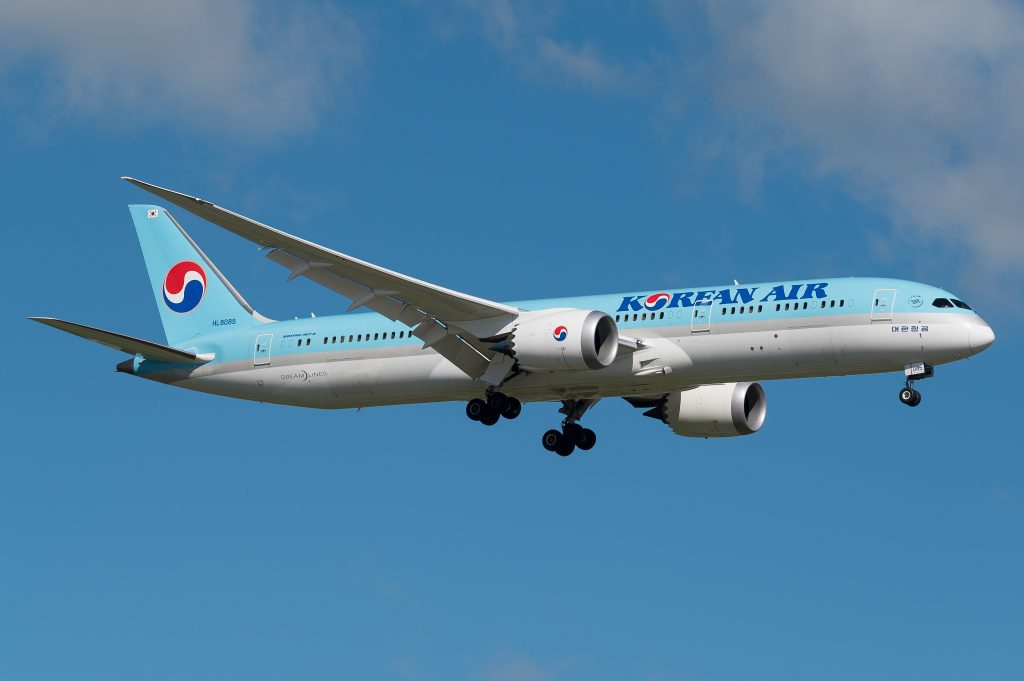
Korean Air is the flag carrier of one of Asia’s most consistent World Cup qualifiers.
Founded in 1969 and based at Seoul Incheon, one of the world’s best rated airports, the SkyTeam founding member serves around 120 destinations.
It is in the midst of a landmark merger, absorbing rival Asiana Airlines to create one of the largest carriers in Asia.
The fleet is wide ranging, including the Airbus A380, A350, Boeing 787 Dreamliner and 777.
Overall, the airline is known for its polished service and distinctive sky blue livery, Korean Air also runs a major cargo arm that makes it one of the world’s biggest air freight carriers.
Uzbekistan: Uzbekistan Airways
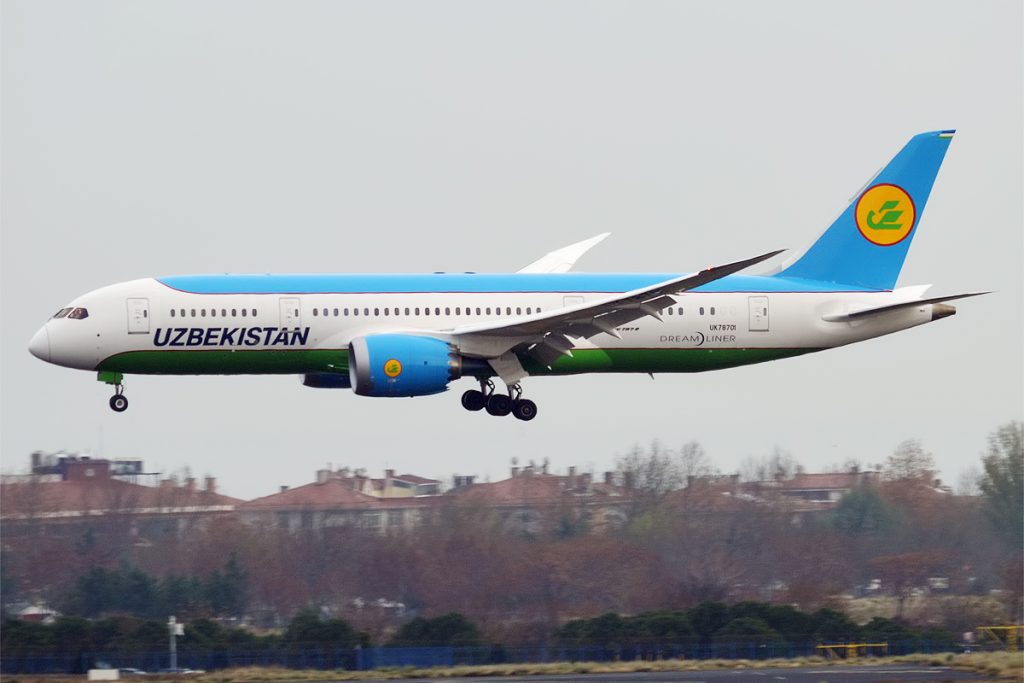
Uzbekistan Airways carries a proud debutant, the first nation from Central Asia ever to reach the World Cup.
Founded in 1992 following independence from the Soviet Union, the state owned carrier is based at Tashkent International Airport and serves around 40 to 50 destinations across Asia, Europe and the Middle East.
Furthermore, the airline has modernised significantly, operating Boeing 787 Dreamliners and 767s alongside Airbus A320 family jets.
As Uzbekistan opens up to tourism and trade, its national airline is central to connecting the historic Silk Road cities of Samarkand and Bukhara with the wider world.
The World Cup berth adds to a remarkable moment of national pride.
Iraq: Iraqi Airways
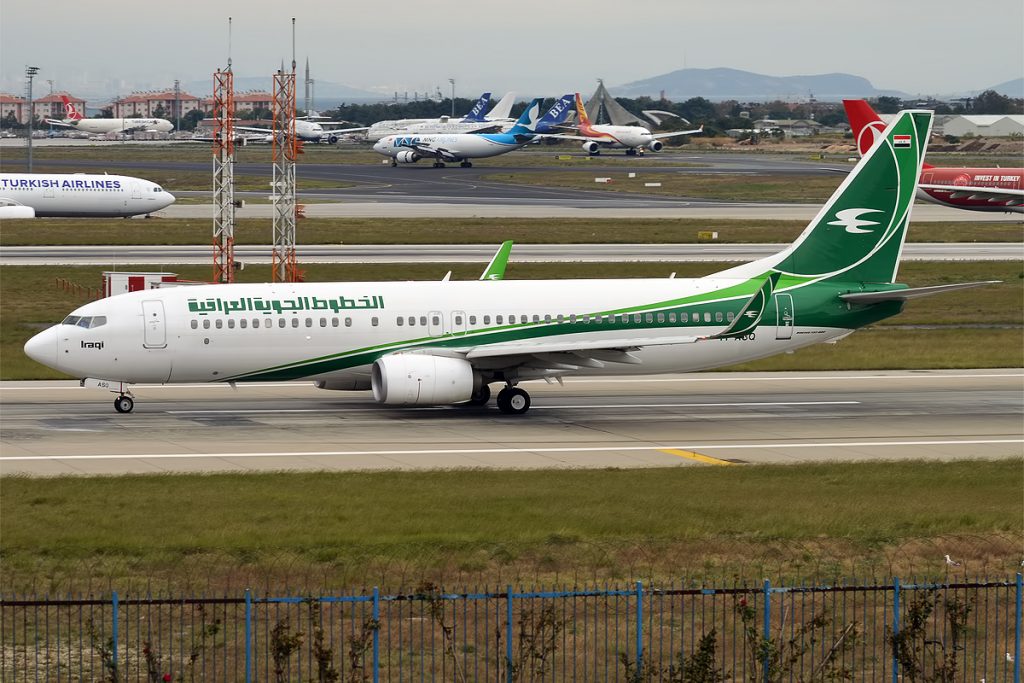
Iraqi Airways is one of the oldest airlines in the Middle East, founded in 1945, and the flag carrier of a side returning to the World Cup after four decades.
Based at Baghdad International Airport, it serves around 30 destinations across the region, Europe and Asia.
Furthermore, the airline endured enormous disruption through decades of war and sanctions, including a long period largely grounded, and has worked steadily to rebuild its fleet and network.
That fleet today includes Boeing 737s and 777s alongside Airbus jets.
Overall, as Iraq stabilises and reconnects with the world, Iraqi Airways remains a powerful symbol of national continuity and revival.
South America (CONMEBOL) Teams in the World Cup…
Argentina: Aerolíneas Argentinas
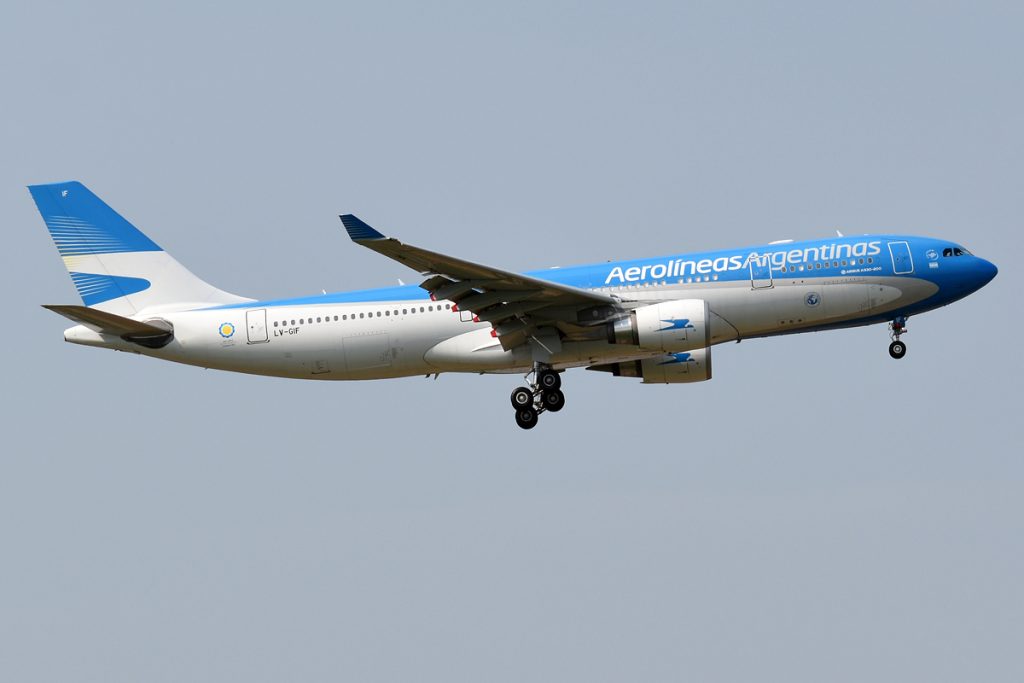
Aerolíneas Argentinas carries the reigning world champions and the top ranked team on the planet.
Founded in 1950, the SkyTeam member is based in Buenos Aires, operating from both the city Aeroparque and the Ezeiza international airport.
Moreover, it serves around 40 destinations, dominating the domestic Argentine market while linking the country to the Americas and Europe.
The fleet is built around Boeing 737s, including the 737 MAX, plus Airbus A330s for long haul flying.
The airline has long been state owned and a frequent subject of political debate over privatisation.
As the carrier of Lionel Messi’s champions, it enjoys a special place in Argentine hearts.
Brazil: No official flag carrier (LATAM Brasil)
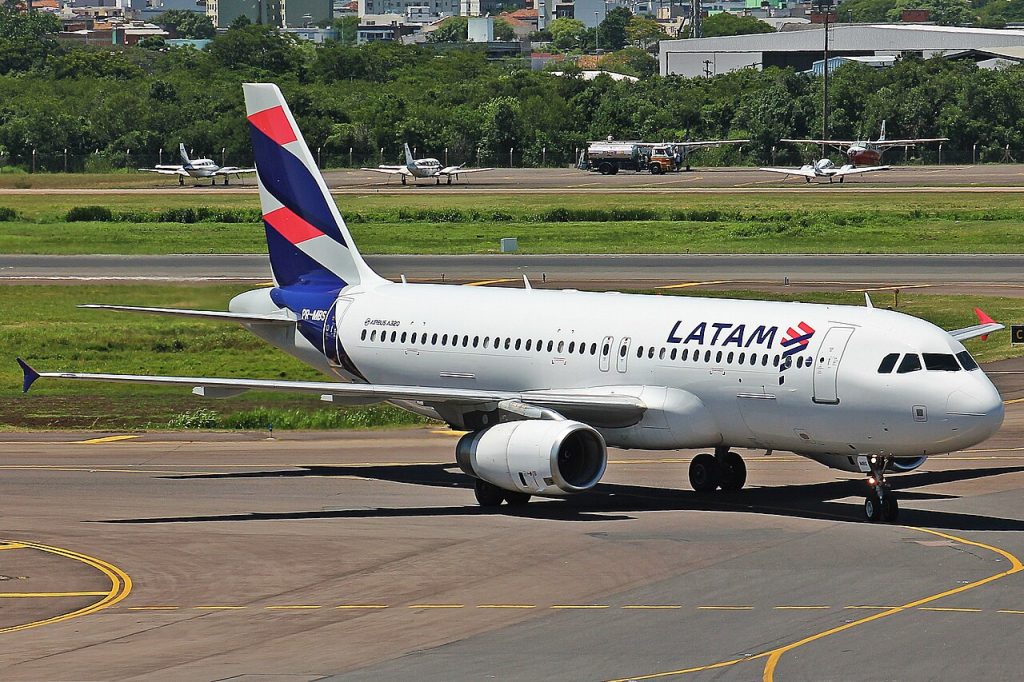
Brazil, the only nation to play in every World Cup, has not had an official flag carrier since the legendary Varig collapsed in 2006.
Today three big airlines share the skies. LATAM Brasil is the largest, part of the wider LATAM group that is the biggest airline conglomerate in Latin America, serving a vast domestic and international network.
Also, GOL and Azul are powerful competitors blanketing the country.
LATAM is often viewed as the de facto national carrier, flying Boeing 777s and 787 Dreamliners on long haul routes and a huge Airbus A320 family fleet domestically across the enormous Brazilian market.
Colombia: Avianca
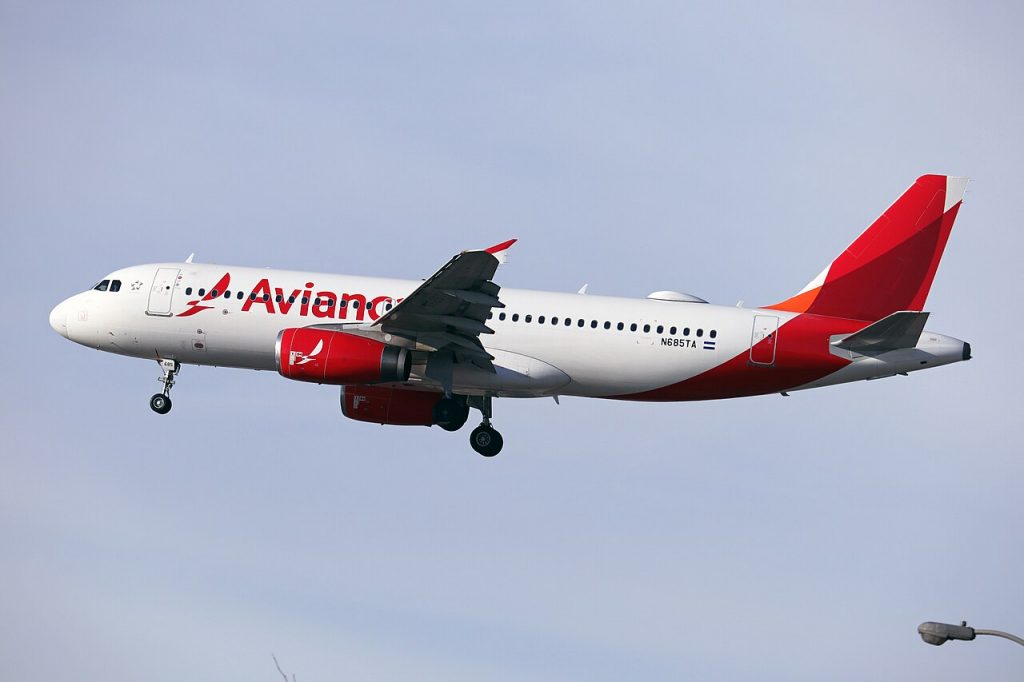
Avianca is one of the proudest names in world aviation, founded in 1919 and recognised as the second oldest continuously operating airline on earth after KLM.
Based at Bogotá’s El Dorado Airport, the Colombian flag carrier serves around 75 destinations across the Americas and to Europe.
After emerging from a bankruptcy restructuring, it has refocused on a hybrid low cost style model.
Furthermore, the fleet is built around the Airbus A320 family along with Boeing 787 Dreamliners for long haul routes.
With its bold red livery, Avianca anchors air travel across the northern Andes and remains a cornerstone of connectivity in the region.
Ecuador: No current flag carrier
Ecuador is another nation without a flag carrier of its own.
The state owned TAME, founded in 1962, was liquidated in 2020 after years of losses, leaving the country reliant on private and foreign airlines.
Today travellers fly with carriers such as Avianca Ecuador, LATAM Ecuador and the homegrown Equair, operating from the high altitude capital airport in Quito and the coastal hub of Guayaquil.
Furthermore, the mix gives Ecuador reasonable connectivity across the Americas, but the absence of a true national airline remains a sensitive subject.
La Tri, one of South America’s in form sides, heads to the World Cup with no flag carrier behind them.
Paraguay: LATAM Paraguay
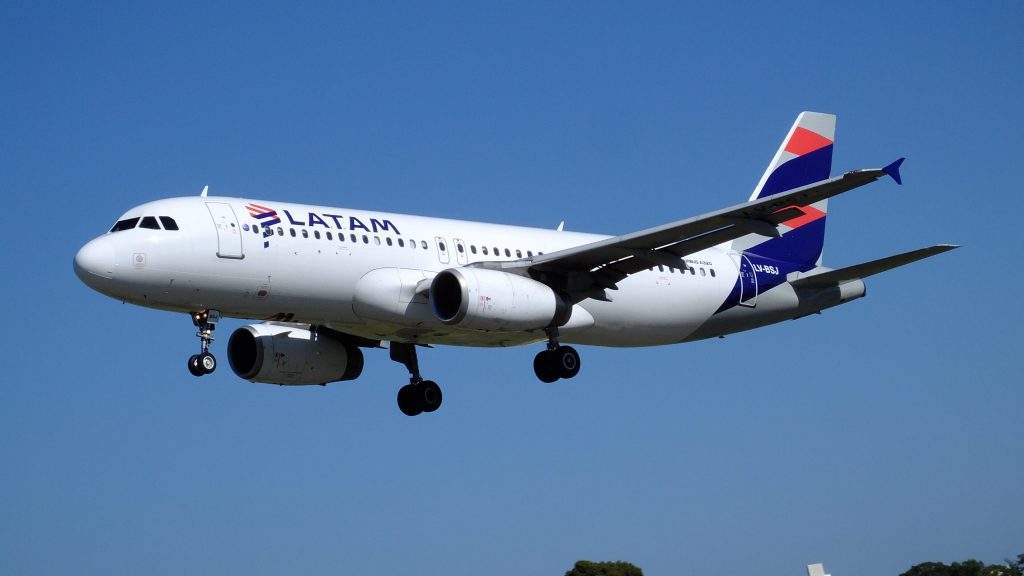
Paraguay’s flag carrier role is filled by LATAM Paraguay, a subsidiary of the giant LATAM Airlines group.
Also, the airline traces its roots to TAM Paraguay, also known as LAP, and was rebranded under the LATAM banner in 2016.
Based at Silvio Pettirossi International Airport in Asunción, it provides Paraguay’s main scheduled links to regional hubs across South America, feeding into the wider LATAM network that reaches the rest of the world.
Its operation is modest, built around Airbus A320 family jets.
Overall, while it’s not a traditional independent national airline, LATAM Paraguay is widely regarded as the country’s flag carrier and its primary connection to international skies.
Uruguay: SUA (Sociedad Uruguaya de Aviación)
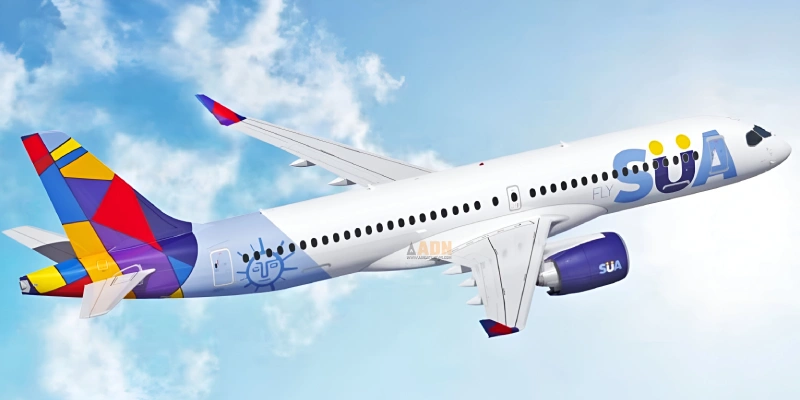
Uruguay has gone more than a decade without a flag carrier since the beloved PLUNA collapsed in 2012.
That is about to change.
A new privately owned national airline called SUA, short for Sociedad Uruguaya de Aviación, is preparing to launch in 2026, operating Airbus A220s leased through a partnership with Latvia’s airBaltic.
Furthermore, SUA plans to build Montevideo’s Carrasco Airport into a regional hub, with routes to Argentina, Brazil, Chile and Paraguay.
For a footballing nation with a giant heart and five straight World Cups, the return of a flag carrier is a fitting backdrop to another tournament for La Celeste.
Remaining CONCACAF Qualifiers
Panama: Copa Airlines
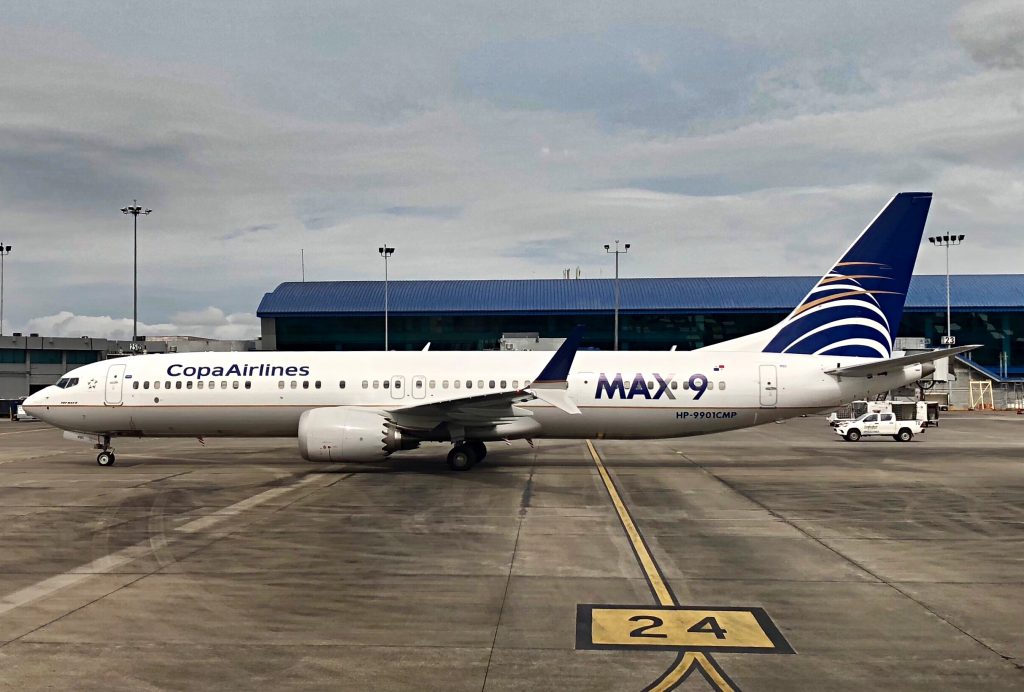
Copa Airlines is a brilliant example of building a powerhouse around geography.
Founded in 1947 and based at Tocumen International Airport in Panama City, the Star Alliance member has turned its location at the narrow waist of the Americas into the Hub of the Americas.
Also, Copa serves around 80 destinations across North, Central and South America and the Caribbean, connecting them through Panama with remarkable efficiency.
Furthermore, the fleet is built almost entirely around the Boeing 737, including the 737 MAX, prized for reliability and consistency.
Overall, it is widely regarded as one of the most punctual and profitable airlines in Latin America, making Copa Panama’s de facto flag carrier.
Curaçao: No current flag carrier
Curaçao makes history as the smallest nation ever to qualify for a World Cup, with a population of around 158,000.
The Caribbean island, an autonomous territory within the Kingdom of the Netherlands, does not currently have a flag carrier.
Also, its main airline, InselAir, was once a significant regional player but ceased operations in 2019 after financial collapse.
Today Curaçao’s Hato International Airport is served by a range of carriers including Dutch, American and regional Caribbean airlines, plus small operators handling inter island hops.
Overall, the lack of a national airline does nothing to dim the joy of a tiny island achieving a sporting miracle.
Haiti: Sunrise Airways
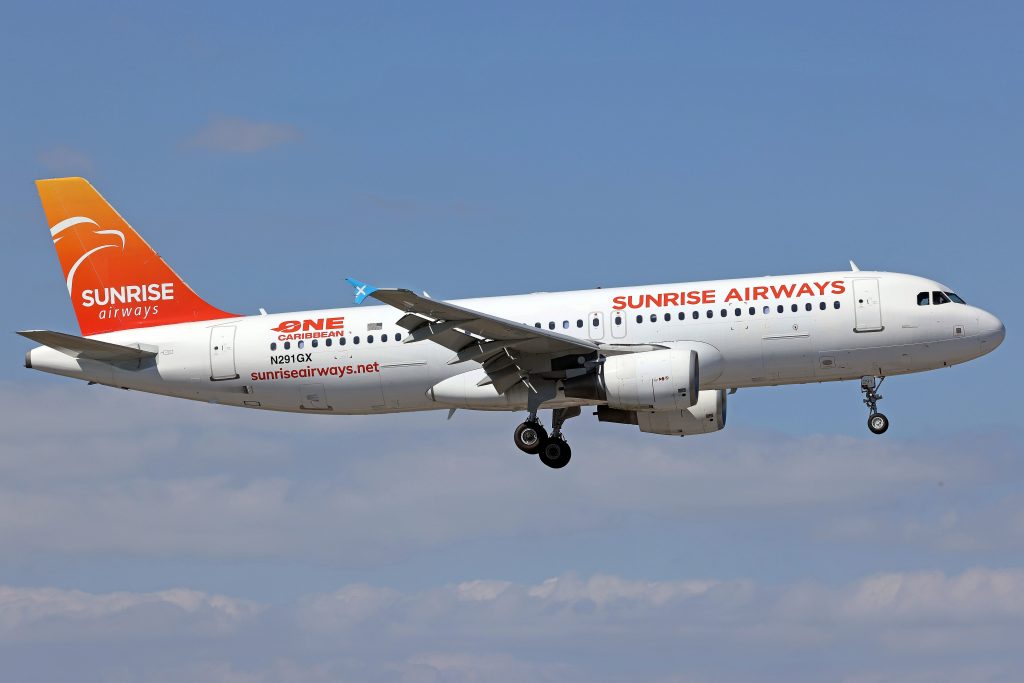
Haiti does not have a traditional state flag carrier, but the role of leading national airline is effectively filled by Sunrise Airways.
Founded in 2010 and based in the capital Port au Prince, the privately owned carrier has grown into the most prominent Haitian airline, connecting the country with destinations across the Caribbean and to the United States.
Furthermore, its fleet is built around Embraer regional jets and similar aircraft suited to short Caribbean hops.
Overall, as a company operating in one of the region’s most challenging environments, Sunrise Airways provides a vital lifeline for travel and commerce, and it proudly carries the spirit of a nation returning to the World Cup.
Oceania (OFC) World Cup Teams…
New Zealand: Air New Zealand
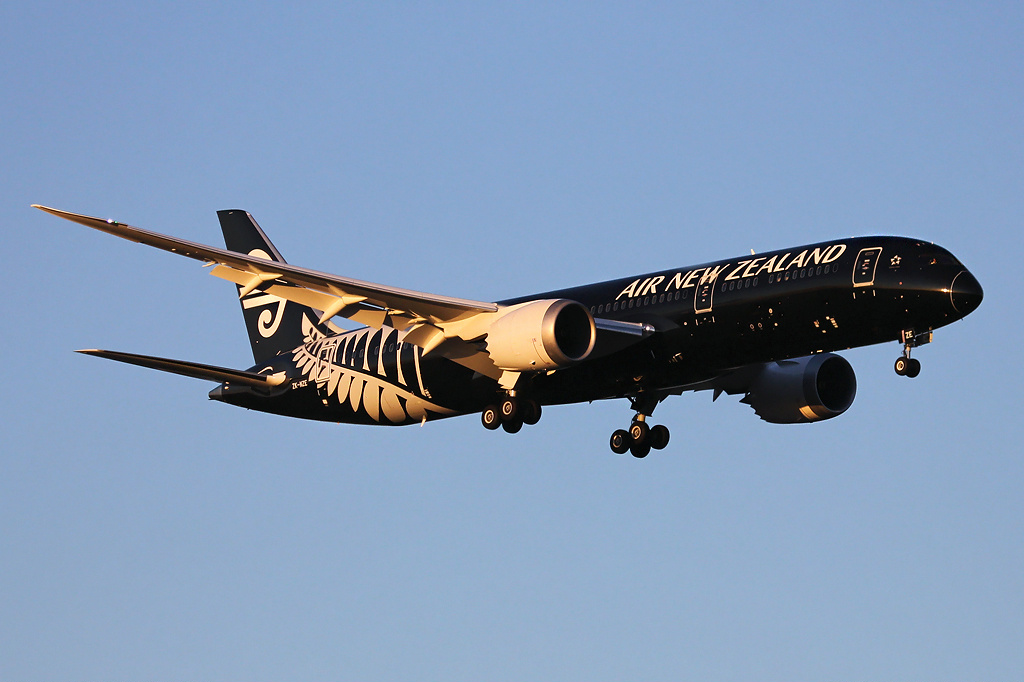
Air New Zealand is the flag carrier of the All Whites and regularly rated among the best airlines in the world.
Founded in 1940, the Star Alliance member is based in Auckland and serves around 50 destinations across the Pacific, Asia, North America and Europe.
Famous for its creative safety videos and warm service, the airline has mastered the art of connecting a remote island nation to the wider world.
Overall, its long haul fleet centers on the Boeing 787 Dreamliner, with new generation 787s introducing fresh cabins including the innovative Skynest bunk beds for economy passengers on ultra long flights.
The Final Whistle
From the global reach of Turkish Airlines and Qatar Airways to the brand new wings of Uruguay’s SUA, the 48 nations of the 2026 World Cup bring a fascinating spread of aviation stories to North America.
Furthermore, some fly the flag with hundreds of aircraft and routes to every corner of the planet.
Others compete proudly with no national airline at all, or with a carrier rebuilt from the brink.
Overall, just as the tournament unites footballing giants and plucky debutants on the same stage, the skies above them tell the same story of ambition, history and the endless effort to connect a country to the world.
Continue to follow The Aviation Hub for more analysis and insight!
Advertise with us Your brand, in front of an aviation audience Home page and in-article placements, sold directly, one advertiser per slot. From £250 a year. See the rates