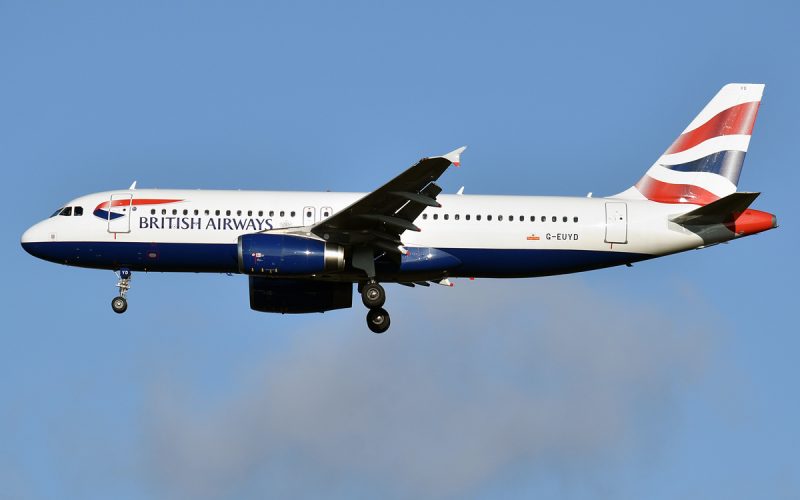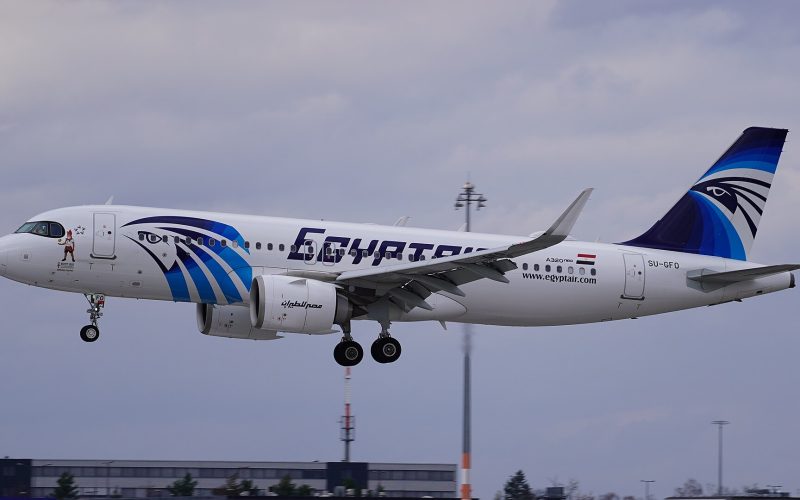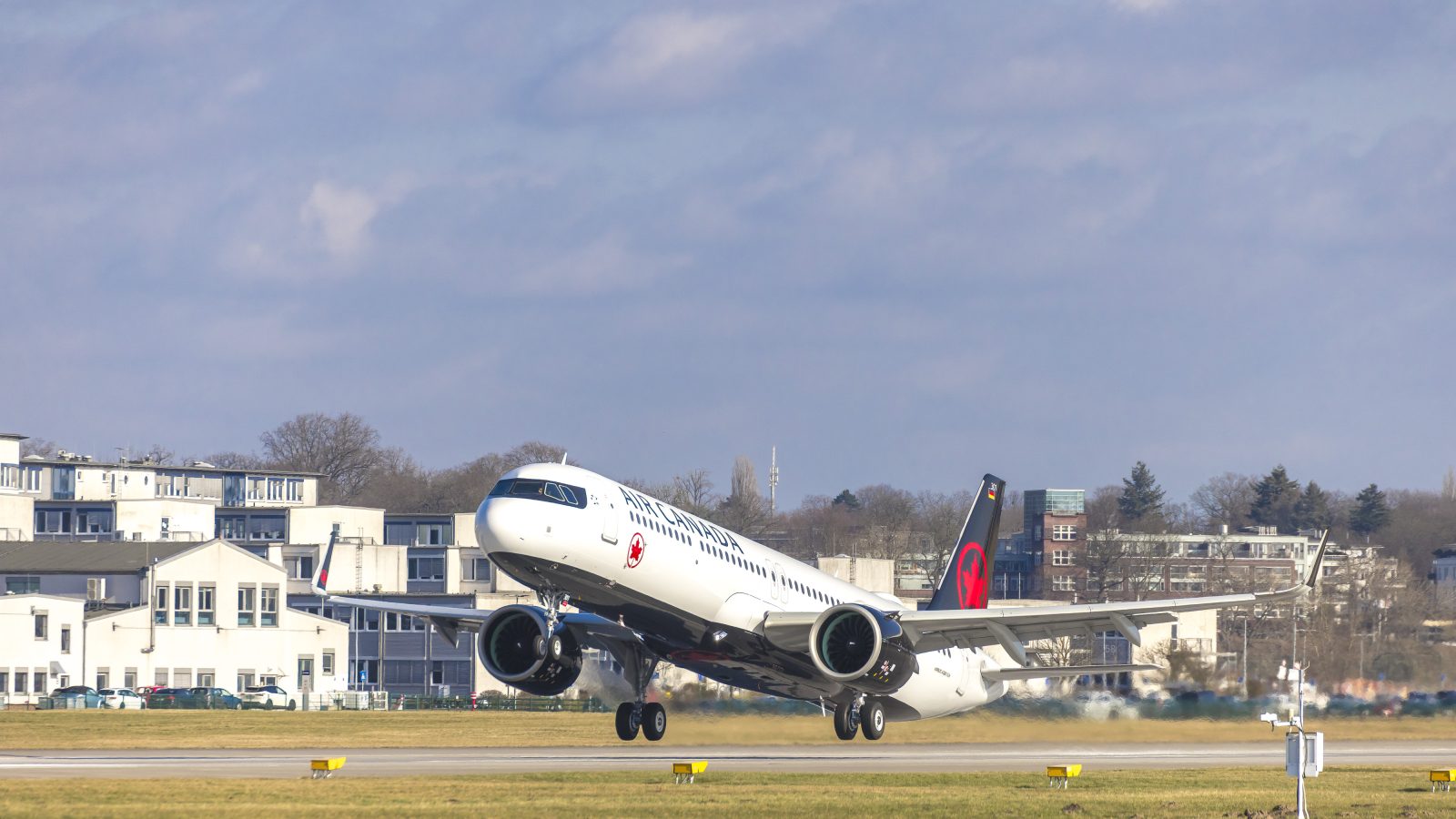
Airbus is facing a problem that most companies would probably be delighted to have.
Airlines want more aircraft than the company can currently build.
The European manufacturer has a huge order backlog, strong demand for its best-selling A320neo family and customers around the world desperate for new, more fuel-efficient aircraft.
Yet despite this seemingly perfect position, Airbus continues to face significant challenges in turning those orders into finished aircraft sitting on airline ramps.
The problem is not a lack of demand.
It is getting all the thousands of individual pieces required to build an aircraft to the final assembly line at the right time.
And in 2026, one of the biggest obstacles has been sitting at the very heart of the aircraft itself: the engines.
Airbus Has More Aircraft Orders Than It Can Build
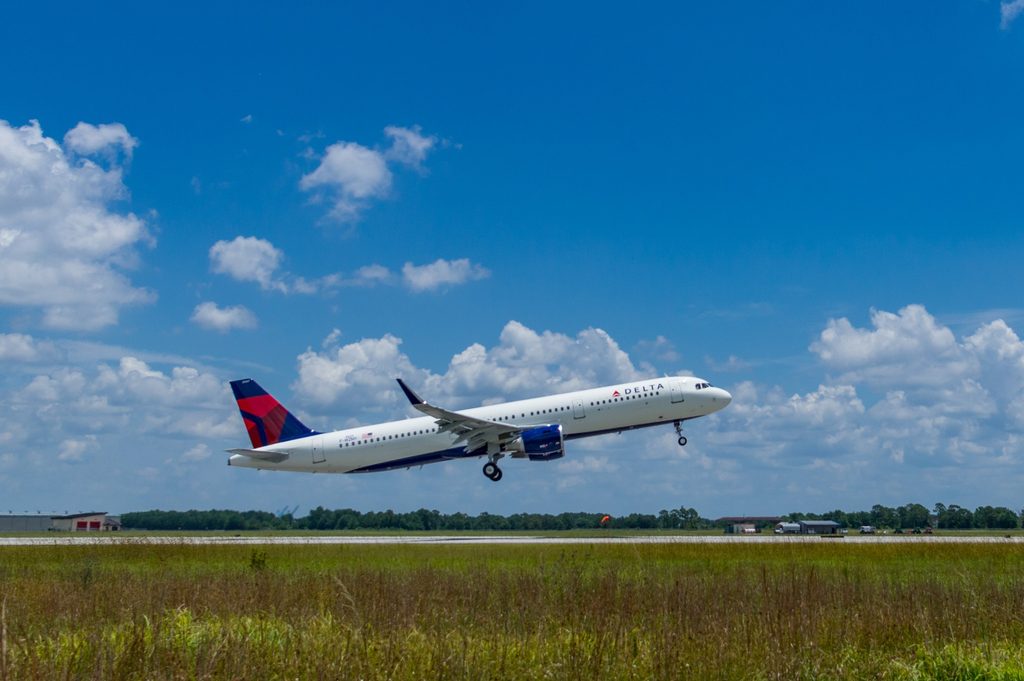
The scale of Airbus’ order book is enormous.
At the end of June 2026, Airbus had a commercial aircraft backlog of more than 9,200 aircraft, representing years of future production.
The majority of that backlog consists of aircraft from the A320 Family, which has become the backbone of fleets operated by airlines around the world.
Demand has remained remarkably strong.
Airlines are replacing older aircraft with more fuel-efficient jets, while passenger demand continues to grow in many regions.
The A321neo and A321XLR have also opened up new markets for Airbus, allowing airlines to operate longer routes with narrowbody aircraft.
That creates a paradox.
Airbus has customers willing to buy its aircraft, but its production system cannot simply increase output overnight.
Aircraft manufacturing is not like producing another thousand smartphones on a factory line.
Every aircraft requires thousands of components from an enormous global supply chain, many of which are highly specialised and can only be produced by a handful of qualified suppliers.
If just one critical component is missing, the entire aircraft can be delayed.
The Pratt & Whitney Problem
One of the most significant constraints facing Airbus is the availability of engines.
Airbus uses two major engine suppliers for the A320neo family: CFM International, with its LEAP engine, and Pratt & Whitney, with the PW1100G geared turbofan.
The Pratt & Whitney engine has become a particular headache.
Airbus warned in January 2026 that engines from Pratt & Whitney had been arriving extremely late, with the company still working with the American manufacturer to establish sufficient future engine volumes.
This matters because Airbus cannot simply build an A320neo and install the engine whenever one becomes available.
The engine is an essential part of the delivery process, and shortages can result in completed or partially completed aircraft waiting for powerplants before they can be handed over to their customers.
The issue is particularly frustrating for Airbus because the company is simultaneously trying to increase production.
It wants to push A320 Family production towards approximately 75 aircraft per month, with the programme continuing its ramp-up towards that rate.
But increasing the speed of the final assembly lines is of limited value if engines and other components cannot arrive at the same pace.
It Is Not Just Engines
It would be easy to blame Airbus’ problems entirely on Pratt & Whitney.
That would, however, oversimplify the situation.
The aerospace industry is dealing with a much wider supply-chain problem.
The pandemic caused enormous disruption throughout aviation manufacturing. Companies reduced production, lost skilled workers and suppliers disappeared or consolidated.
When airlines suddenly returned with huge aircraft orders, the aerospace supply chain discovered that rebuilding capacity was considerably harder than shutting it down.
Aerospace manufacturing is particularly difficult because components must meet incredibly demanding certification and quality requirements.
A supplier cannot simply open another factory and immediately start producing aircraft components.
New facilities require investment.
Workers require specialist training. Production processes have to be qualified. Components have to meet strict regulatory standards.
That means capacity can take years to rebuild.
Airbus Is Bringing More Production In-House
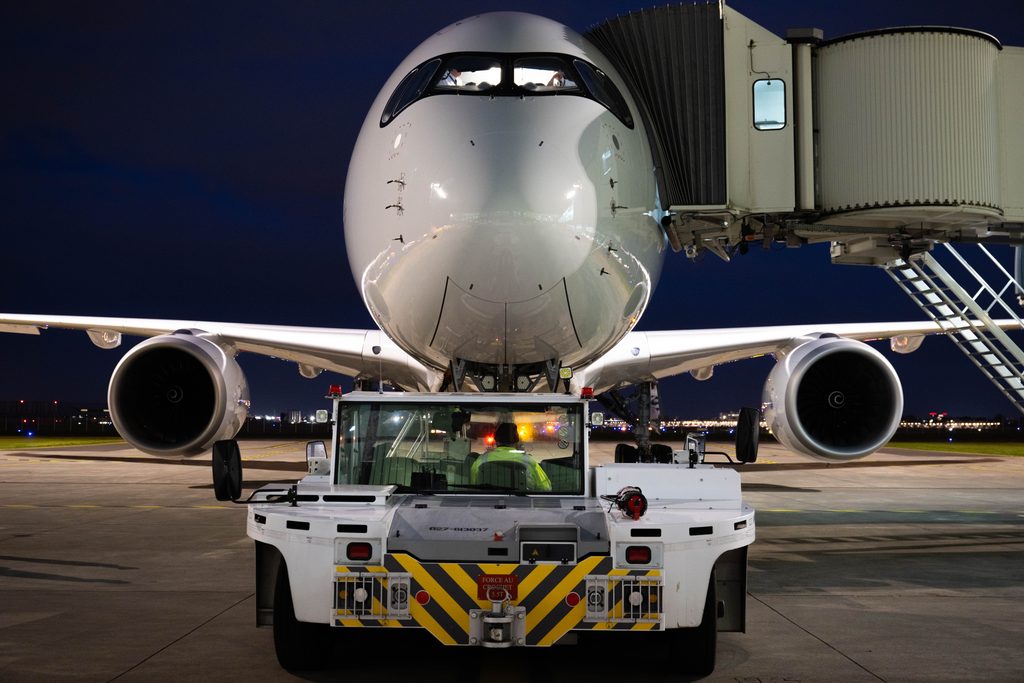
Airbus has recognised that relying so heavily on a complex network of external suppliers creates vulnerabilities.
One of the most significant moves has been its involvement with Spirit AeroSystems.
Airbus took control of several former Spirit facilities involved in producing components for aircraft including the A220, A320 and A350 programmes.
The objective is not to manufacture every component itself.
Instead, Airbus wants greater control over strategically important parts of its supply chain.
That makes sense.
When aircraft production depends upon hundreds of suppliers, Airbus can be exposed to problems over which it has limited direct control.
Bringing critical production under Airbus ownership gives the company more visibility and potentially greater control over output.
However, it is not an instant solution.
Integrating factories, systems, employees and manufacturing processes is itself a complicated task.
The A320neo Is The Key
The A320 Family is at the centre of Airbus’ production ambitions.
It is by far the company’s most important commercial aircraft programme, and demand for the A320neo, A321neo and A321XLR remains exceptionally strong.
Airbus delivered 475 commercial aircraft during the first eight months of 2026, up from 434 during the same period of 2025.
That represents growth of around 9%.
The company is targeting 870 deliveries during the full year, compared with 793 aircraft delivered in 2025.
On paper, Airbus is therefore moving in the right direction.
But the numbers also demonstrate how difficult the target is.
Airbus delivered 57 aircraft in August alone.
To reach 870 for the year, the company needs to maintain a significantly higher delivery pace during the remaining months.
The A320 Family is performing better than some other programmes, with deliveries up by 11% year-on-year through August.
However, the company is still operating in an environment where demand is running ahead of production capability.
Why Can’t Airbus Just Build More Aircraft?
This is perhaps the most important question.
If Airbus knows that airlines want more than 9,000 aircraft, why doesn’t it simply build more factories?
Because aircraft manufacturing has enormous barriers to entry and expansion.
A final assembly line is only one part of the process.
Airbus needs engines, landing gear, avionics, seats, cabin equipment, composite structures, aluminium components, wiring, hydraulic systems and thousands of other parts.
Those components themselves depend upon another network of suppliers.
Increasing production at the final assembly line therefore creates pressure throughout the entire supply chain.
It is effectively a giant chain reaction.
If Airbus doubles the speed of final assembly but a supplier can only increase its production by 10%, the additional aircraft cannot be completed.
This is why the current situation is so difficult to solve.
Airlines Are Paying The Price
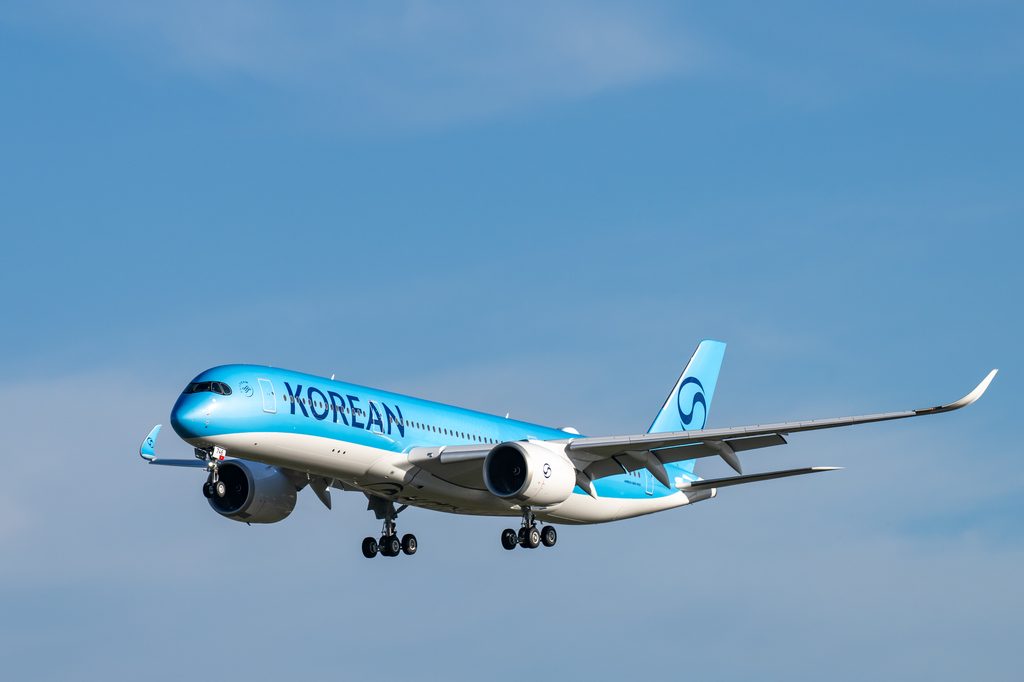
The consequences extend well beyond Airbus.
Airlines have increasingly found themselves waiting years for new aircraft.
That affects fleet expansion, route development and the retirement of older aircraft.
An airline that expected to receive ten new A321neos might instead receive fewer aircraft or receive them later than planned.
That can mean retaining older aircraft for longer, leasing additional aircraft or delaying the launch of new routes.
It also helps explain why some older aircraft are remaining in service far longer than originally intended.
The irony is that airlines are desperate to replace older aircraft partly because of their higher fuel consumption and maintenance costs.
Yet the industry cannot build new aircraft quickly enough to replace them.
Airbus’ Biggest Problem Is Also Its Biggest Opportunity
There is an important distinction between Airbus struggling to deliver aircraft and Airbus struggling to find customers.
The latter is not happening.
Airbus has one of the strongest order books in commercial aviation history.
Its challenge is converting that enormous backlog into physical aircraft.
The company is investing in production increases, expanding final assembly capacity and taking greater control over parts of its supply chain.
It is also working with engine manufacturers and other suppliers to remove bottlenecks.
But there is no quick fix.
Airbus cannot simply turn a production line from 60 aircraft a month to 80 and expect the rest of the aerospace industry to instantly follow.
The company is effectively trying to increase production speed while rebuilding an industrial ecosystem that was badly disrupted during the pandemic.
The Aircraft Shortage Could Last For Years
For airlines, the uncomfortable reality is that the aircraft shortage is unlikely to disappear quickly.
Airbus expects production to continue increasing, with the A320 Family moving towards its planned higher production rates.
But demand remains extraordinarily strong.
That means Airbus could continue producing aircraft at record levels while still struggling to satisfy customers.
The company’s current situation is therefore less a crisis of demand and more a crisis of capacity.
Airbus has the customers.
It has the orders.
It has the aircraft designs.
What it does not yet have is the ability to manufacture those aircraft quickly enough.
And until the engines, components, suppliers and workforce all catch up, thousands of Airbus aircraft will remain on order rather than sitting at airline gates.
For the world’s airlines, that means one thing: the wait for a new Airbus aircraft is unlikely to get much shorter anytime soon.
Continue to follow The Aviation Hub for more analysis and insight!
Advertise with us Your brand, in front of an aviation audience Home page and in-article placements, sold directly, one advertiser per slot. From £250 a year. See the rates