Wizz Air: Should You Invest In Them?
 By The Aviation Hub
5 min read
Updated September 20, 2026
By The Aviation Hub
5 min read
Updated September 20, 2026 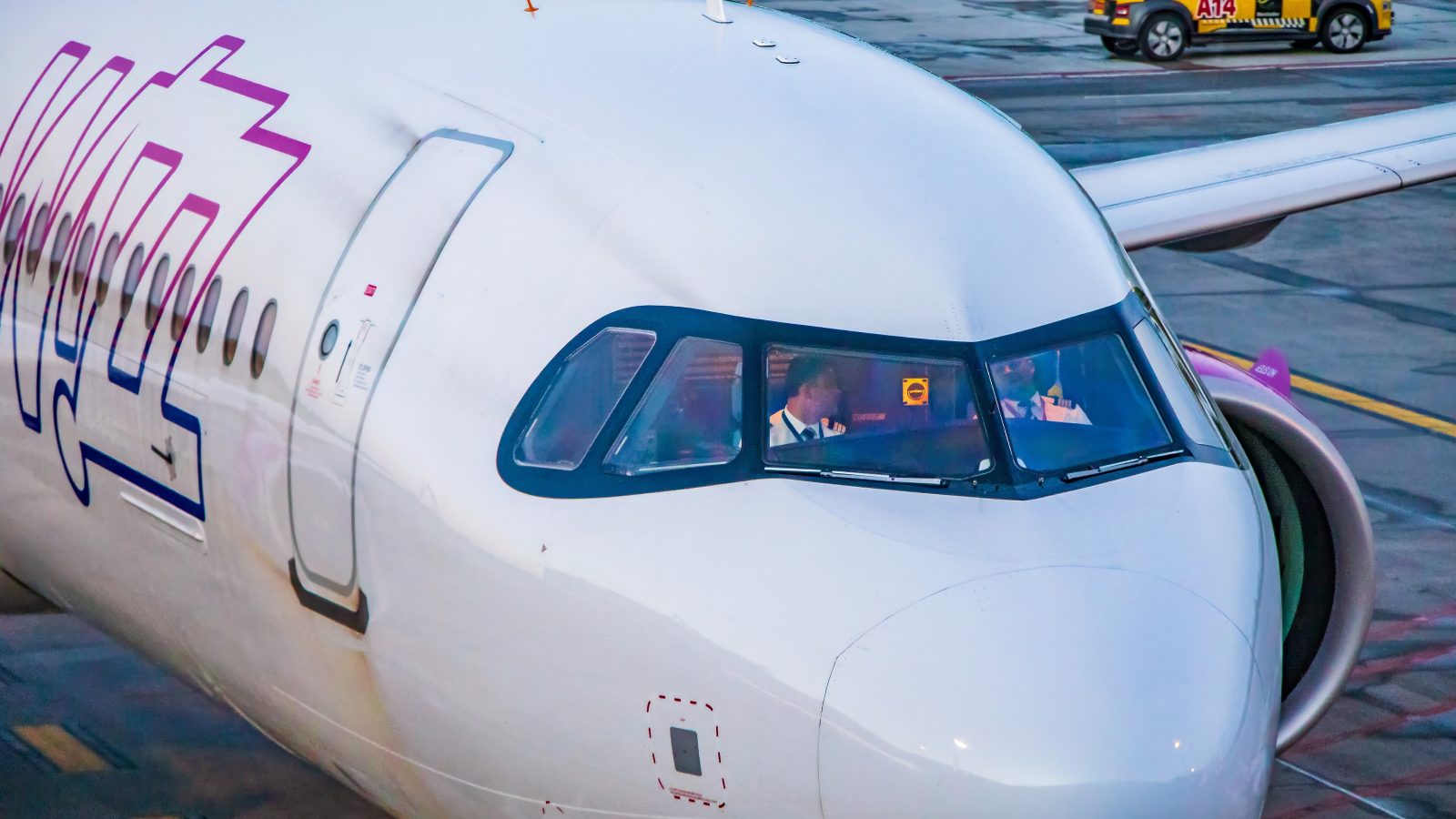
Wizz Air has set out one of the boldest growth plans in European aviation, and investors are now asking whether the shares deserve a place in their portfolios.
The Hungarian based carrier wants to double its revenue by the end of the decade, yet its share price has struggled badly this year.
Here is what the numbers say about the risks and the rewards.
Wizz Air Sets Its Sights on FY 2030
The airline has laid out an ambitious target for FY 2030.
The airline wants to lift revenue to €10 billion, up from €5.69 billion in FY 2026.
It also aims to carry 127 million passengers, compared with 69.7 million in FY 2026.
Profitability sits at the centre of the plan. Wizz Air is targeting an adjusted EBIT margin of 10%, a huge leap from the 2.5% it delivered in FY 2026.
The airline expects to achieve this while holding its unit costs almost flat at around 3 euro cents per available seat kilometre.
Interactive Investor reported on the plan on 17 September 2026.
You can read the full ii view on Wizz Air for the original analysis.
How Wizz Air Plans to Grow the Fleet
Growth requires aircraft, and Wizz Air has plenty on the way.
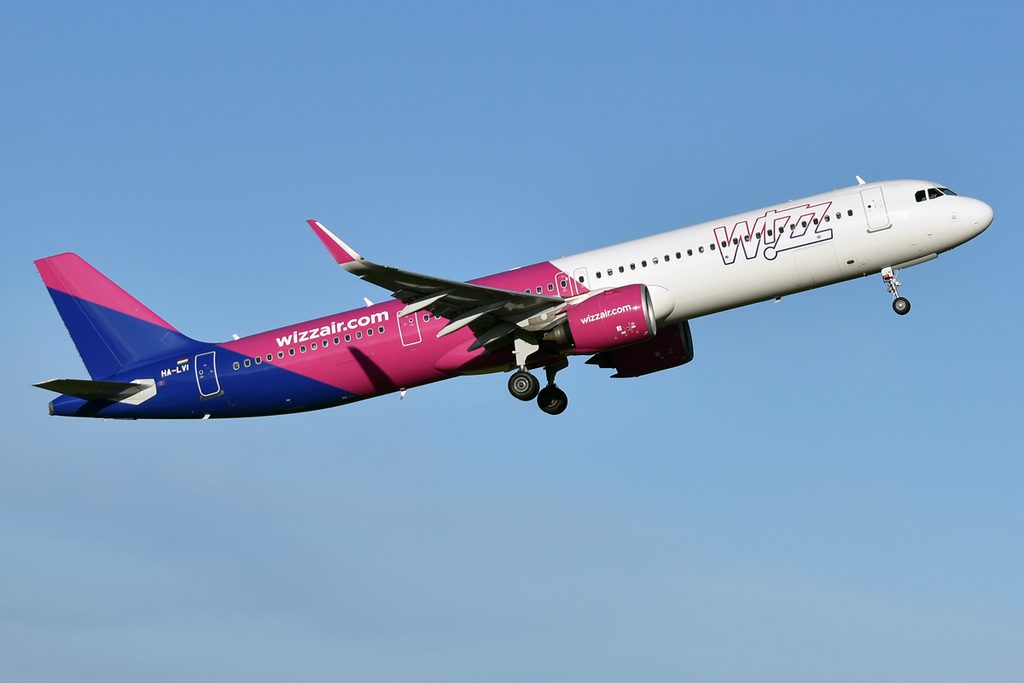
The airline operated 269 Airbus jets in late June. It wants that number to reach 335 by FY 2030 and 383 by FY 2033.
The order book leans heavily on newer, more fuel efficient Airbus types.
That helps the airline control costs and cut emissions per seat.
It also supports the low fare model that has made Wizz Air a household name across Central and Eastern Europe.
The carrier has also benefited as fewer aircraft sit grounded because of the Pratt & Whitney engine issues.
Every aircraft returning to service adds capacity without adding a single new delivery.
You can follow wider fleet stories in our aviation analysis section.
Current Trading Gives Wizz Air a Lift
The latest trading update surprised the market in a positive way.
Wizz Air now expects revenue per available seat kilometre to stay flat year on year in the second quarter.
Previous guidance pointed to a fall of low single digits.
Investors reacted quickly.
The shares rose 4% on the announcement.
Summer demand has held up better than many analysts feared, which suggests travellers still want cheap flights despite a tough consumer backdrop.
Why the Wizz Air Share Price Has Struggled
The share price tells a more troubling story.
Wizz Air shares have fallen 25% this year. Over the same period, easyJet has climbed 30% and the FTSE 250 has gained 8%.
The company now carries a stock market value of around £1.02 billion.
That figure looks small next to its group net debt of €5.13 billion, recorded in late June.
The balance sheet leaves very little room for error.
Credit rating agencies rate that debt below investment grade.
Fitch assigns a BB rating, while Moody’s gives Wizz Air a Ba2. Management wants to reach investment grade status, but that goal remains some way off.
Geopolitical and Operational Risks
The carrier operates in some of the most sensitive airspace in the world.
The war involving Iran forced the airline to suspend all of its Middle East flying, which accounted for roughly 5% of its seats.
Some routes have since returned, including Tel Aviv, but the episode showed how quickly events can disrupt the schedule.
The conflict in Ukraine also continues to shape the airline’s network and costs.
Beyond geopolitics, Wizz Air must contend with weather disruption and air traffic control strikes. Management cannot control any of these factors.
The carrier does spread its risk across many markets.
Italy provides 13% of revenue, Romania 11%, Poland 10% and the UK 10%.
Seat sales make up 56% of revenue, with ancillary products such as baggage charges providing the rest.
The airline employs around 9,000 people.
Hedging Offers Some Protection
The airline uses fuel and currency hedging to smooth out volatile costs.
That policy gives the airline a degree of certainty over its biggest expenses.
It cannot remove the risk entirely, but it does protect margins when oil prices or exchange rates move sharply.
Inflation and higher interest rates still weigh on household budgets.
A softer consumer could force the airline to cut fares to fill seats, and that would put its margin target under pressure.
Should You Invest in Wizz Air?
Interactive Investor rates Wizz Air shares as a hold.
The positives include the fleet expansion, the hedging strategy, better than expected summer trading and fewer grounded aircraft.
The negatives include the lack of a dividend, the geopolitical exposure, the heavy debt and the tough economic backdrop.
That balance makes sense. Wizz Air offers a credible growth story, and the shares look cheap after a poor year.
However, the debt burden and the absence of a dividend mean investors take on real risk while they wait for the plan to deliver.
More cautious investors will likely wait for the airline’s finances to improve before buying.
Those who believe in the FY 2030 targets may see the current price as an entry point, but they should accept that the ride could be rough.
Final Verdict on Wizz Air
Wizz Air has a clear plan, a growing fleet and a business model that works when demand holds up.
It also has a stretched balance sheet and a share price that reflects real concern.
Whether you should invest in Wizz Air depends on your appetite for risk and your patience.
This article is for information only and does not constitute financial advice.
Always do your own research or speak to a qualified adviser before you invest.
Continue to follow The Aviation Hub for more analysis and insight!