
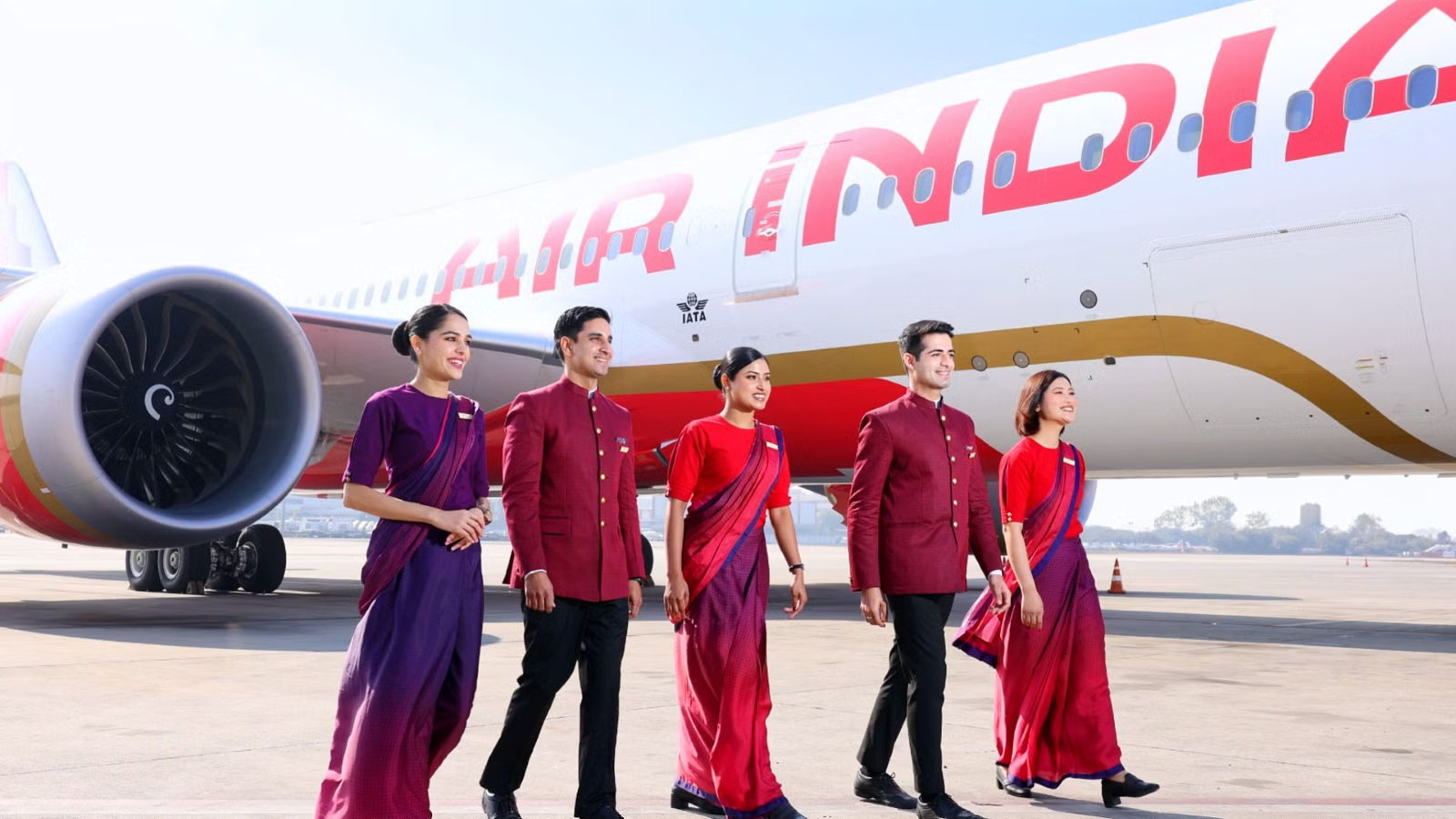
Air India has entered 2026 with unmistakable momentum, unveiling a trio of strategic developments over just three days that underscore the airline’s accelerating transformation under the Vihaan.AI programme.
From expanding its Middle East footprint through a new codeshare with Saudia, to strengthening ties with Singapore Airlines (SIA), to deploying its first line‑fit Boeing 787‑9 on a key European route, the carrier is signalling a renewed global ambition backed by fleet investment, network optimisation, and deepening alliances.
Taken together, the announcements reflect an airline that is not only modernising its hardware but also reshaping its commercial partnerships to compete more effectively across international markets.
For India’s flag carrier, this was a week that showcased both strategic intent and operational progress.
A New Middle East Boost: Air India and Saudia Sign Codeshare Agreement
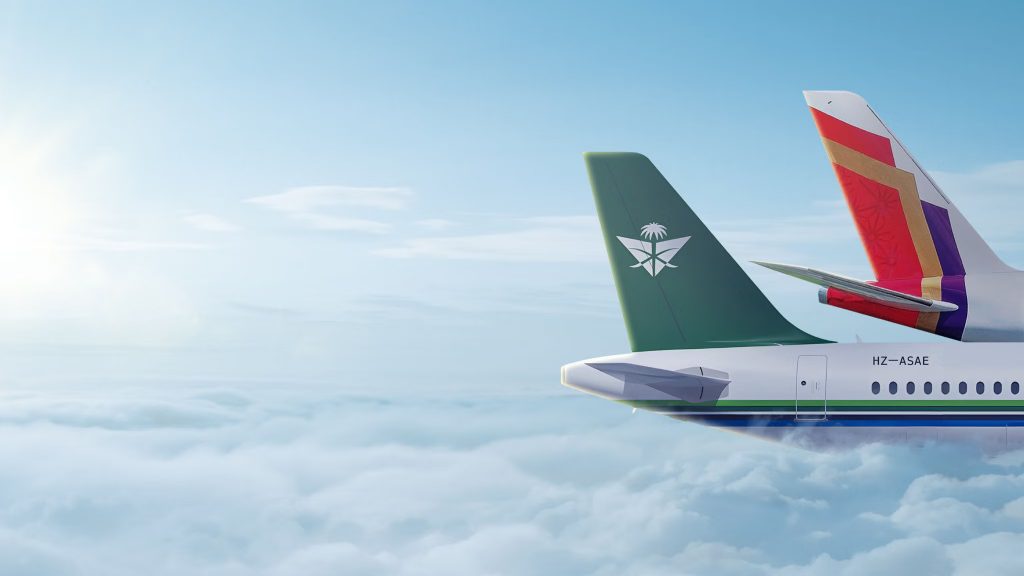
Air India opened the week by revealing a new codeshare agreement with Saudia, the national carrier of Saudi Arabia, marking a significant expansion of its Middle East connectivity.
Effective February 2026, the partnership will offer passengers streamlined booking, single‑itinerary travel, and through‑checked baggage — benefits increasingly expected by global travellers.
For Air India customers, the agreement unlocks seamless onward connections from Jeddah and Riyadh to six Saudi domestic destinations: Dammam, Abha, Gassim, Gizan, Madinah, and Taif.
The addition of codeshare services on the Jeddah–Riyadh sector also introduces greater flexibility for travellers who may wish to arrive in one city and depart from another.
Saudia passengers, meanwhile, gain access to major Indian metros via Delhi and Mumbai, including Ahmedabad, Bengaluru, Chennai, Hyderabad, Jaipur, Kochi, Kolkata, Lucknow, and more than 15 additional cities through interline arrangements.
Air India CEO & Managing Director Campbell Wilson described Saudi Arabia as “amongst our most important markets in the Middle East,” noting the Kingdom’s rapid transformation into a major regional gateway. Saudia’s Director General, H.E. Engr. Ibrahim Al‑Omar, emphasised the long‑standing ties between the two nations and highlighted the Kingdom’s increasingly accessible visa regime — including e‑visas, stopover visas, and visa‑on‑arrival for eligible Indian passport holders.
The agreement also reinforces Air India’s growing global alliance footprint.
Since privatisation in 2022, the airline has expanded to 24 codeshare partnerships and nearly 100 interline agreements, offering access to more than 800 destinations worldwide.
Deepening a Key Asian Partnership: Air India and Singapore Airlines Sign Cooperation Framework
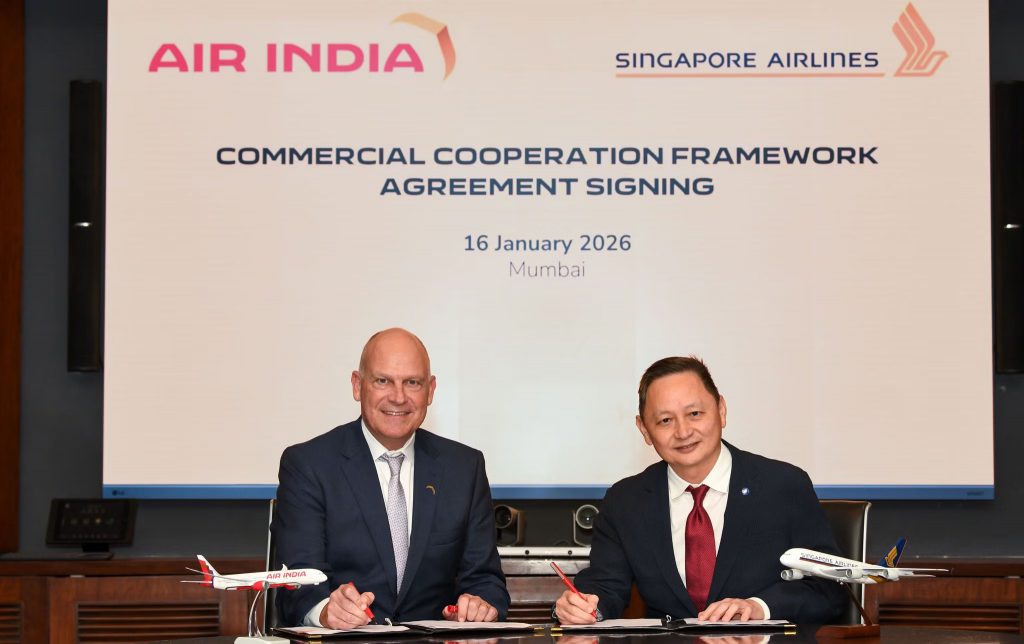
Just two days later, Air India announced a major step forward in its long‑standing relationship with Singapore Airlines.
The two Star Alliance carriers signed a commercial cooperation framework agreement that lays the foundation for future joint business arrangements — a move that could reshape connectivity between India and Southeast Asia.
The agreement, signed in Mumbai by Air India CEO Campbell Wilson and SIA CEO Goh Choon Phong, aims to enhance route options, improve schedule coordination, and enable customers to book unified itineraries across both airlines.
Subject to regulatory approvals, the partnership could also expand into corporate travel programmes and enhanced frequent‑flyer benefits beyond existing Star Alliance reciprocity.
The timing is significant. Air India and SIA already codeshare on 61 destinations across 20 countries, following a major expansion in October 2024.
The new framework signals a shift from tactical cooperation to strategic alignment, with both carriers exploring opportunities to broaden collaboration beyond the India–Singapore market.
For Air India, the partnership supports its broader international expansion strategy, leveraging SIA’s global network and premium brand strength.
For Singapore Airlines, deeper integration with India’s flag carrier strengthens its position in one of the world’s fastest‑growing aviation markets.
Goh Choon Phong called the agreement a “natural evolution” of a successful partnership, emphasising its potential to strengthen connectivity, support tourism, and deepen business ties between the two nations.
Fleet Modernisation Takes Flight: New B787‑9 Debuts on Mumbai–Frankfurt Route
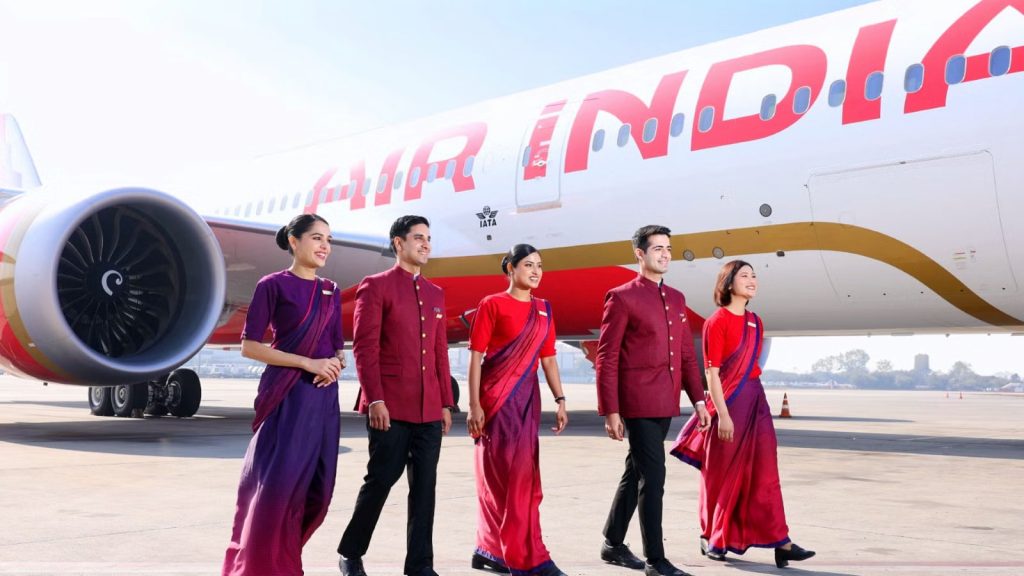
Rounding out the week, Air India announced the deployment of its first line‑fit Boeing 787‑9 — featuring the airline’s new cabin interiors — on the Mumbai–Frankfurt route from 1 February 2026.
The aircraft is part of Air India’s sweeping fleet renewal programme, which includes 570 new aircraft on order and a full interior refit across existing widebodies.
The Mumbai–Frankfurt service, operated five times weekly, is a key business and leisure route linking two major financial hubs.
With the introduction of the new 787‑9, all Air India flights to Germany — including those from Delhi — will now be operated by new or upgraded aircraft.
The move enhances Air India’s competitive position in the Europe–India market, where product consistency and cabin quality are increasingly decisive factors.
The new 787‑9s are expected to feature upgraded seating, improved inflight entertainment, and refreshed cabin aesthetics aligned with the airline’s new brand identity.
The Frankfurt route also benefits from Air India’s codeshare partnership with Lufthansa, enabling seamless onward connections to 29 destinations across Europe and select points in North and South America.
Air India’s optimised European schedules further allow convenient one‑stop connections from Germany to major destinations across South Asia, Southeast Asia, and Australia — including Bangkok, Bali, Colombo, Ho Chi Minh City, Kuala Lumpur, Manila, Phuket, and Singapore.
A Week That Signals Intent
Individually, each announcement is meaningful.
Together, they paint a picture of an airline accelerating its transformation on multiple fronts: network expansion, improved global connectivity, fleet modernisation, and strategic alignment with major Star Alliance partners.
For the airline, this was more than a busy week — it was a statement of direction.
As the Vihaan.AI programme enters its next phase, the airline is clearly positioning itself as a more globally integrated, customer‑focused, and product‑competitive carrier.
Continue to follow The Aviation Hub for more analysis and insight!
Advertise with us Your brand, in front of an aviation audience Home page and in-article placements, sold directly, one advertiser per slot. From £250 a year. See the rates