
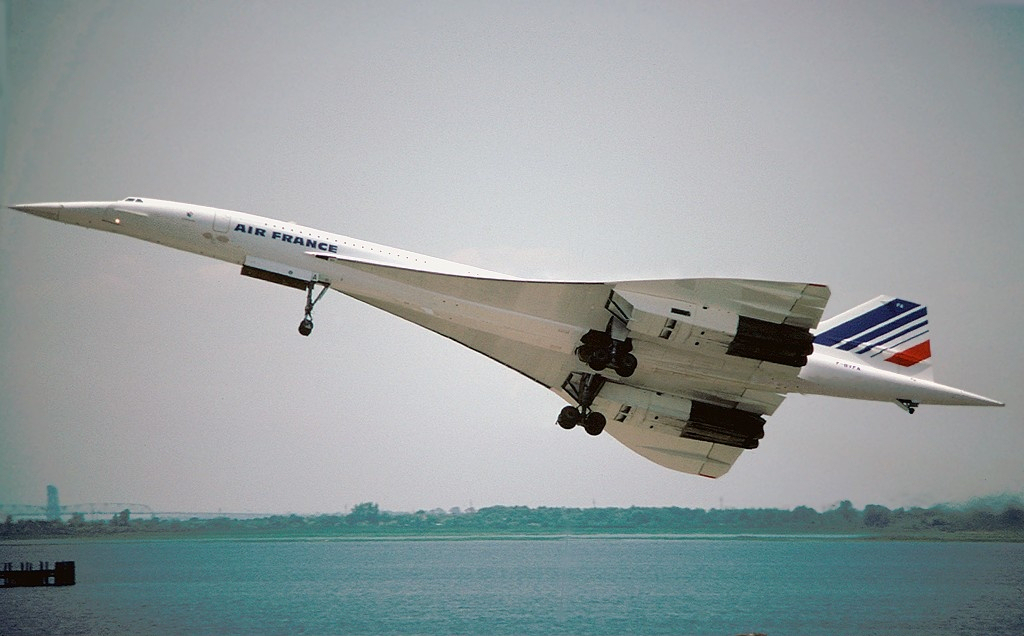
Half a century after Concorde sliced through the sky on its first commercial service, the aircraft remains an unmatched symbol of ambition, elegance, and technological audacity.
On 21 January 1976, Air France launched its inaugural supersonic flight from Paris to Dakar and onward to Rio de Janeiro, marking the beginning of a 27‑year chapter that would redefine what commercial aviation could be.
Today, as the airline commemorates the 50th anniversary of that milestone, the story of Concorde feels as urgent and evocative as ever — not as nostalgia, but as a reminder of what happens when engineering, politics, and national pride collide at Mach 2.
This anniversary is more than a date on the calendar.
It is a moment to reflect on the aircraft’s operational history, its cultural imprint, and the way Air France continues to shape Concorde’s legacy. The White Bird may no longer fly, but its shadow still stretches across the industry.
Concorde: A Supersonic Debut That Changed Aviation Forever
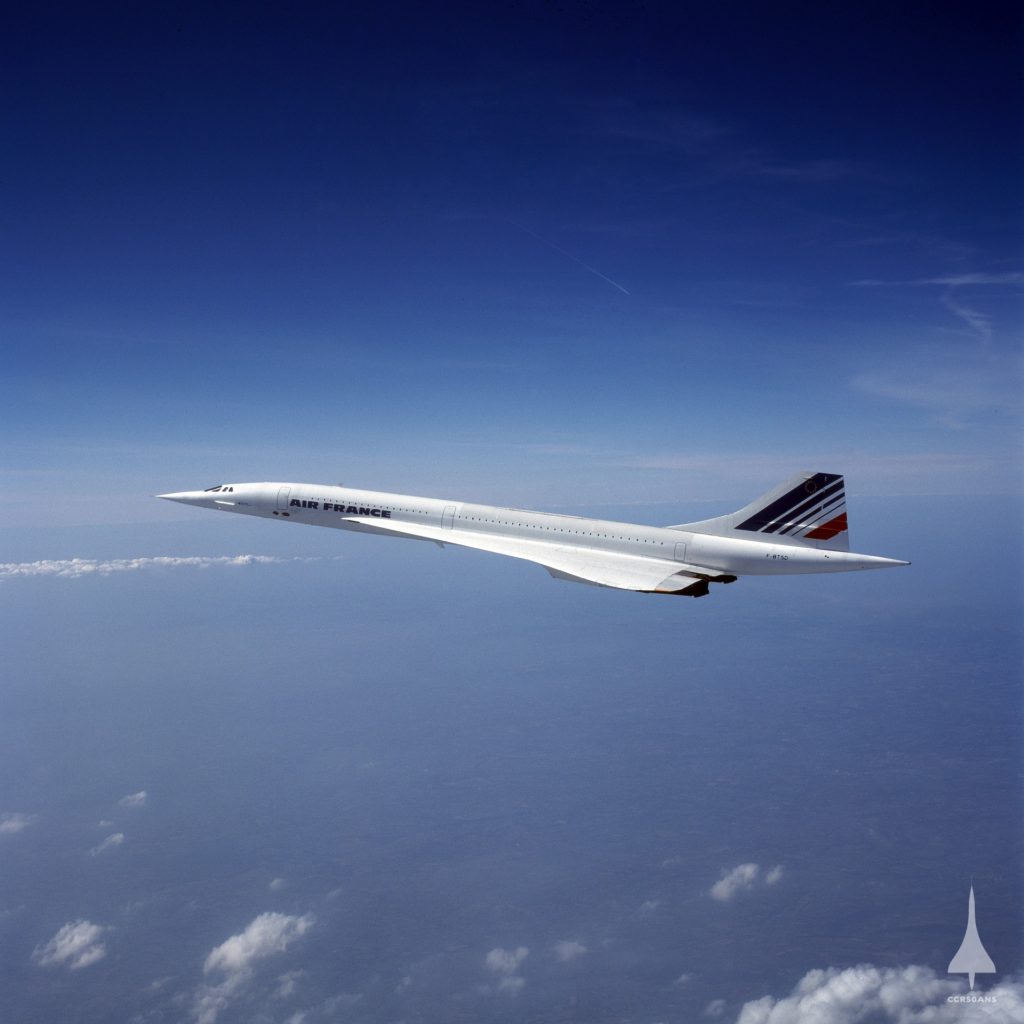
At 12:40pm on 21 January 1976, Air France’s Concorde F‑BVFA lifted off from Paris‑Charles de Gaulle, bound for Dakar and Rio.
The flight lasted 7 hours and 26 minutes — a staggering achievement for the era, and one that instantly positioned Air France at the forefront of global aviation innovation.
Passengers cruising at 60,000 feet could see the curvature of the Earth, a privilege that no other commercial aircraft could offer.
Concorde’s operational history, as documented extensively in the historical record, was defined by extremes.
It flew higher, faster, and more dramatically than any airliner before or since. With a cruising speed of Mach 2.02 — around 1,350 mph — it halved transatlantic travel times and became a fixture of prestige travel.
Yet its operational life was also shaped by political battles, environmental concerns, and the economic realities of running a supersonic fleet.
The aircraft’s entry into service was the culmination of a Franco‑British partnership that had weathered cost overruns, diplomatic tensions, and fierce opposition from environmental groups.
But once Concorde entered commercial service, it quickly became a cultural icon.
Air France and British Airways operated the world’s only supersonic passenger routes, and for a time, the aircraft represented the pinnacle of national pride on both sides of the Channel.
Air France and the Art of Supersonic Luxury
From the moment passengers stepped on board, Air France made Concorde more than a technological marvel — it made it an experience.
The airline’s commemorative material for the 50th anniversary underscores just how much thought went into crafting a supersonic lifestyle rather than simply a supersonic flight.
The cabin, though narrow, was a curated expression of French design.
Raymond Loewy shaped the early interiors, bringing a modernist sensibility to everything from seating colours to tableware.
Later redesigns by Pierre Gautier‑Delaye and Andrée Putman kept the aircraft aligned with contemporary aesthetics, ensuring Concorde always felt ahead of its time.
Service on board was equally meticulous.
Champagne flowed freely. Lenôtre pastries — including fresh Périgord truffle creations — became a signature.
Even the uniforms were bespoke: Jean Patou and Angelo Tarlazzi designed the original 1976 outfits exclusively for Concorde stewardesses, while Nina Ricci refreshed the look in 1985 to match the evolving cabin design.
This was not luxury for luxury’s sake.
It was a deliberate expression of national identity.
Air France used Concorde to project French elegance, craftsmanship, and cultural confidence. The aircraft was a flying embassy of French style.
The Operational Highs and the Challenges Beneath Them
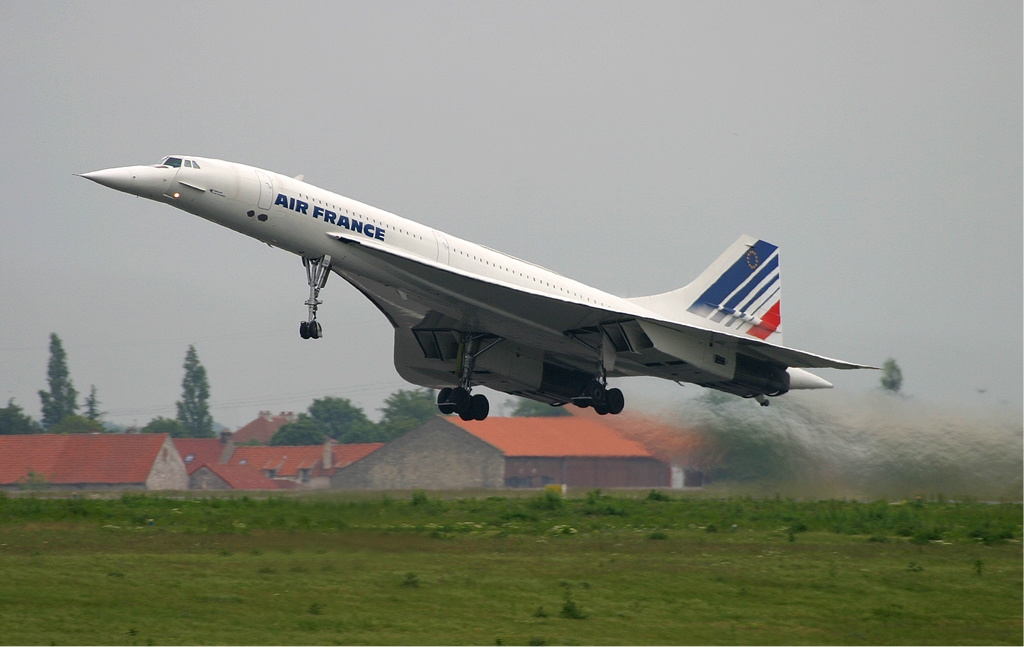
Concorde’s operational history was a study in contrasts.
On one hand, it delivered unmatched performance. On the other, it faced persistent challenges that ultimately shaped its fate.
Noise restrictions limited the number of airports that could accommodate supersonic operations.
Fuel consumption was enormous, making the aircraft expensive to operate even in the best of times.
Political resistance — particularly in the United States — curtailed route expansion.
And while the aircraft was beloved by celebrities, business leaders, and governments, it never achieved the commercial scale its creators envisioned.
The turning point came on 25 July 2000, when Air France Flight 4590 crashed shortly after takeoff from Paris.
The tragedy claimed 113 lives and cast a long shadow over the programme.
Air France’s anniversary commemorations explicitly honour the victims and their families, acknowledging the profound impact of that day.
Although both Air France and British Airways returned Concorde to service after modifications, the aircraft’s days were numbered.
Rising costs, declining demand, and the post‑9/11 downturn accelerated its retirement.
In 2003, the world’s only supersonic passenger service came to an end.
A Cultural Icon That Refuses to Age
Despite its retirement, Concorde’s cultural presence has only grown.
Air France’s 50th‑anniversary celebrations highlight just how deeply the aircraft remains embedded in the public imagination.
The airline is releasing a new “Air France Legend” collection — model aircraft, silk scarves, notebooks, keyrings — each designed to capture the aircraft’s clean lines and sense of motion.
These items are not mere souvenirs; they are part of a broader effort to preserve and reinterpret the Concorde myth for a new generation.
The airline is also premiering a documentary, Concorde Air France: They Made the Legend Fly, featuring testimonies from the engineers, pilots, and crew who kept the aircraft in the air.
Their stories offer a rare glimpse into the human side of the supersonic era — the pride, the pressure, and the sense of participating in something truly extraordinary.
This focus on storytelling is deliberate. Concorde’s legacy is not just technological; it is emotional.
It represents a moment when aviation dared to be bold, when national ambition translated into engineering reality, and when flying was not merely transportation but theatre.
The Franco‑British Partnership That Defined an Era
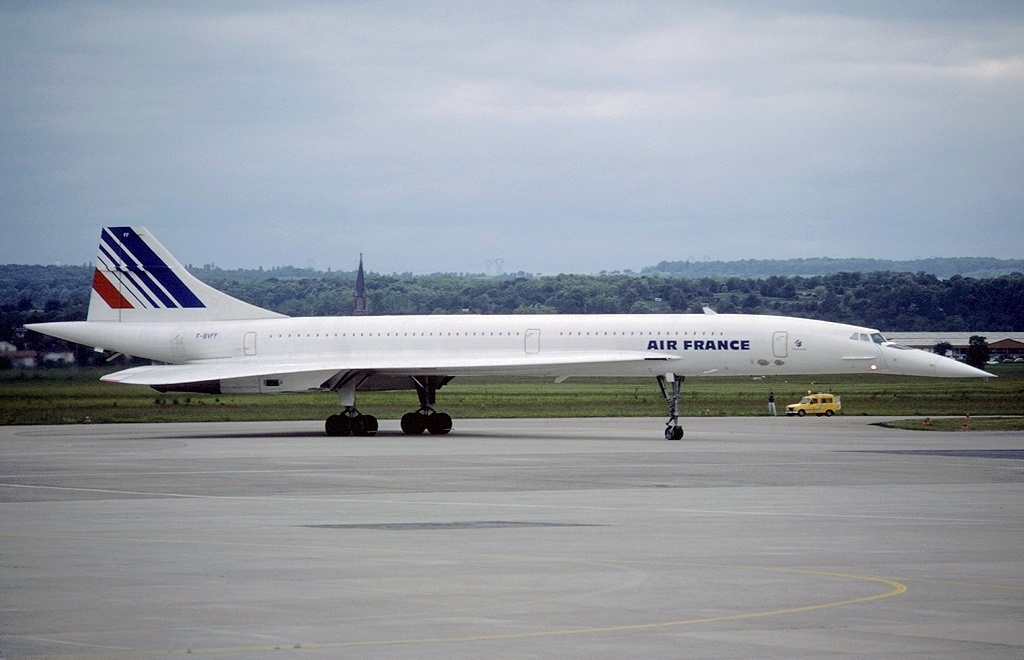
Concorde was more than an aircraft; it was a geopolitical project.
The partnership between France and the United Kingdom was unprecedented in scale and complexity.
It required shared funding, shared engineering, and shared political will — all during a period marked by shifting alliances and economic uncertainty.
The operational history shows how this partnership shaped every stage of Concorde’s life.
From joint test flights to coordinated route launches, the aircraft was a symbol of European cooperation long before the concept became fashionable.
Even today, the aircraft’s legacy is preserved collaboratively: museums in both countries maintain Concorde airframes, and enthusiasts on both sides of the Channel continue to champion its memory.
Air France’s anniversary materials subtly reinforce this shared heritage.
The aircraft may be a pillar of French aviation identity, but its story is inseparable from its British counterpart.
Why Concorde Still Matters
Fifty years after its first commercial flight, Concorde remains the benchmark against which all supersonic ambitions are measured.
Modern startups promise quieter, more efficient supersonic jets, but none have yet matched the sheer audacity of the original.
Concorde’s legacy endures because it represents something aviation rarely achieves today: a willingness to push beyond incremental improvement.
It was a moonshot with wings, a declaration that the future could arrive early if nations were willing to invest in it.
Air France’s commemorations capture this spirit.
The airline is not simply looking back; it is using Concorde as a lens through which to view its own identity — innovative, elegant, and unafraid to lead.
Concorde: A Legacy Written in Speed, Style, and Ambition
As the 50th anniversary of Concorde’s first commercial flight is marked, the aircraft stands as a reminder of what aviation once dared to be.
Air France’s role in that story is central: from the inaugural flight to the meticulous onboard experience, from the tragedy of 2000 to the careful preservation of the aircraft’s memory.
Concorde was never just a machine.
It was a cultural event, a technological triumph, and a symbol of Franco‑British cooperation.
Its operational history is a tapestry of innovation and challenge, triumph and loss, ambition and reality.
And yet, even grounded, Concorde continues to fly — in the imagination of the public, in the pride of those who built and operated it, and in the legacy Air France continues to cultivate.
Fifty years on, the White Bird still casts a supersonic shadow.
Continue to follow The Aviation Hub for more analysis and insight!