
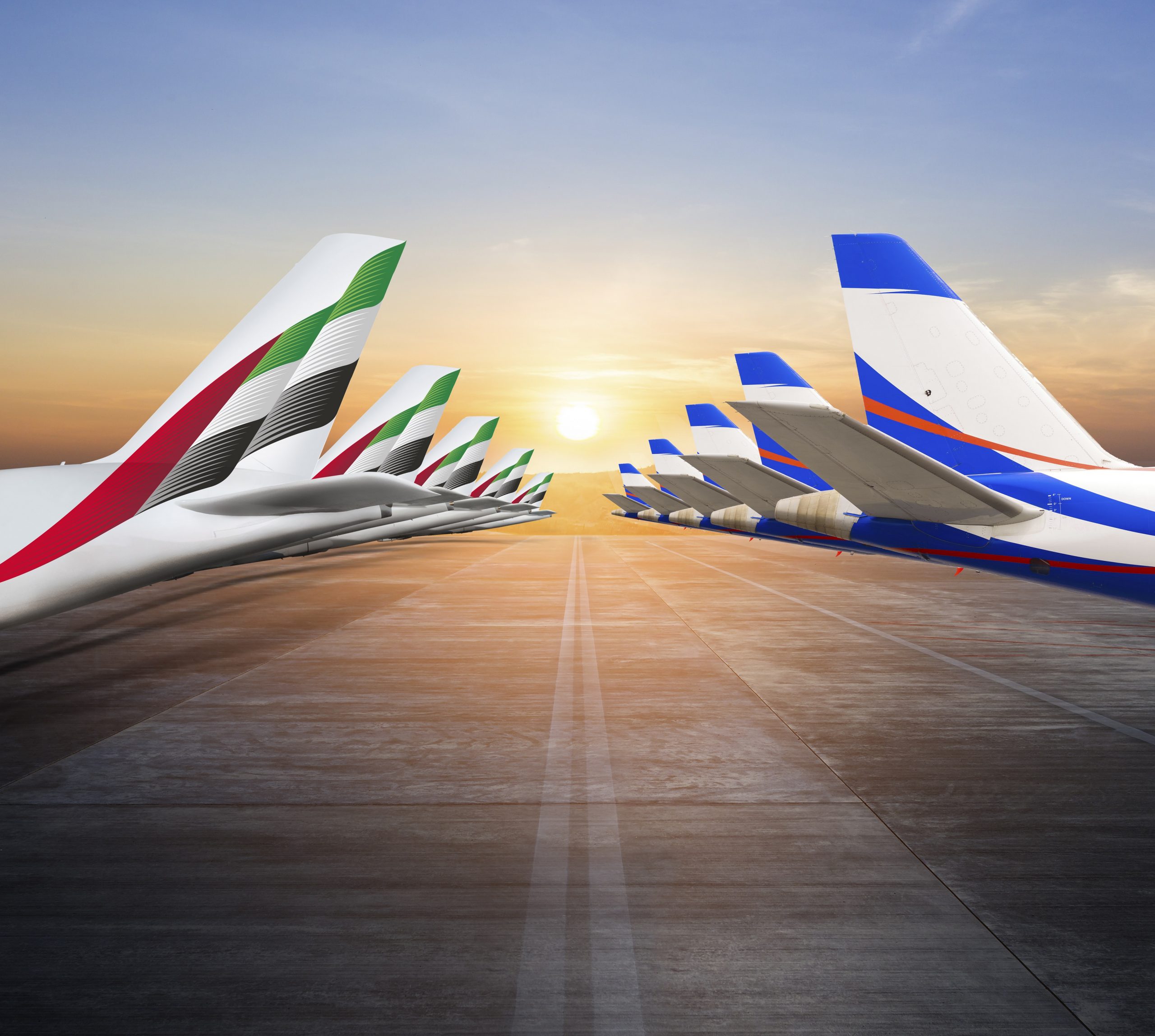
A major new interline agreement between Emirates and Air Peace is reshaping connectivity between West Africa, Dubai, and London, creating a smoother, more expansive travel experience for passengers across both networks.
Emirates & Air Peace: Expanding a Strategic Partnership
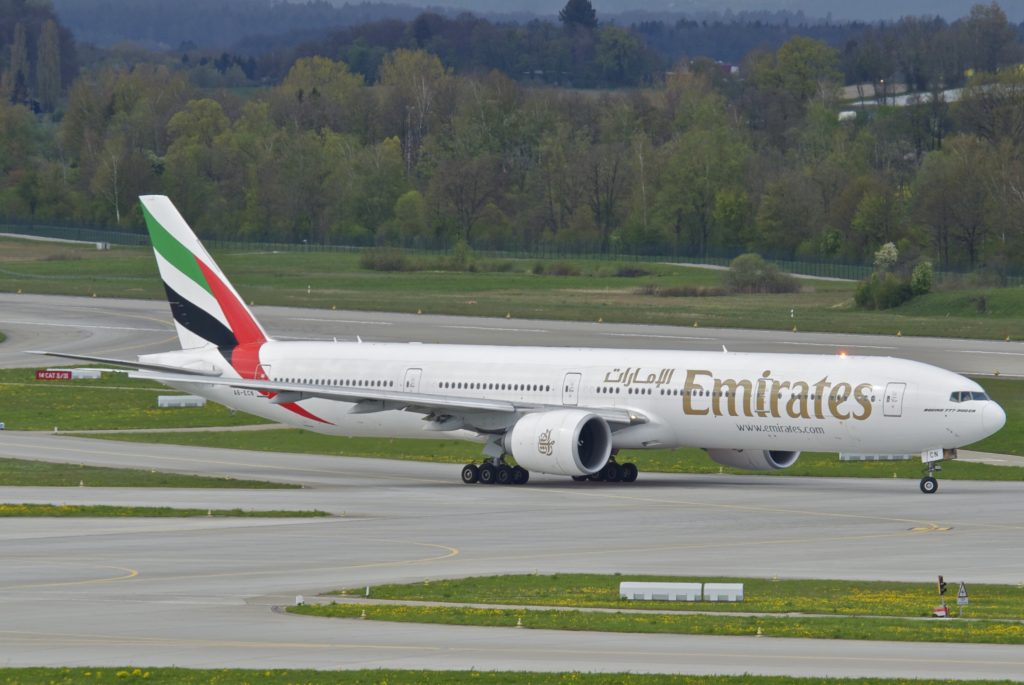
Emirates and Air Peace have formally activated a bilateral interline agreement that significantly broadens travel options between Africa, the UAE, and the UK.
The move builds on an existing partnership but elevates it into a far more integrated offering, allowing passengers to travel across both airlines on a single ticket with through‑checked baggage.
For travellers navigating complex multi‑stop journeys, this is a meaningful shift—one that reduces friction, shortens connection times, and opens up new city pairs that previously required cumbersome routing.
The agreement is particularly impactful for West and Central Africa, where connectivity challenges have long hindered seamless long‑haul travel.
Air Peace, already the region’s largest carrier, now gains a direct bridge into Emirates’ global hub in Dubai.
In turn, Emirates strengthens its footprint across a region where demand for international travel continues to grow rapidly.
Unlocking New West African Gateways
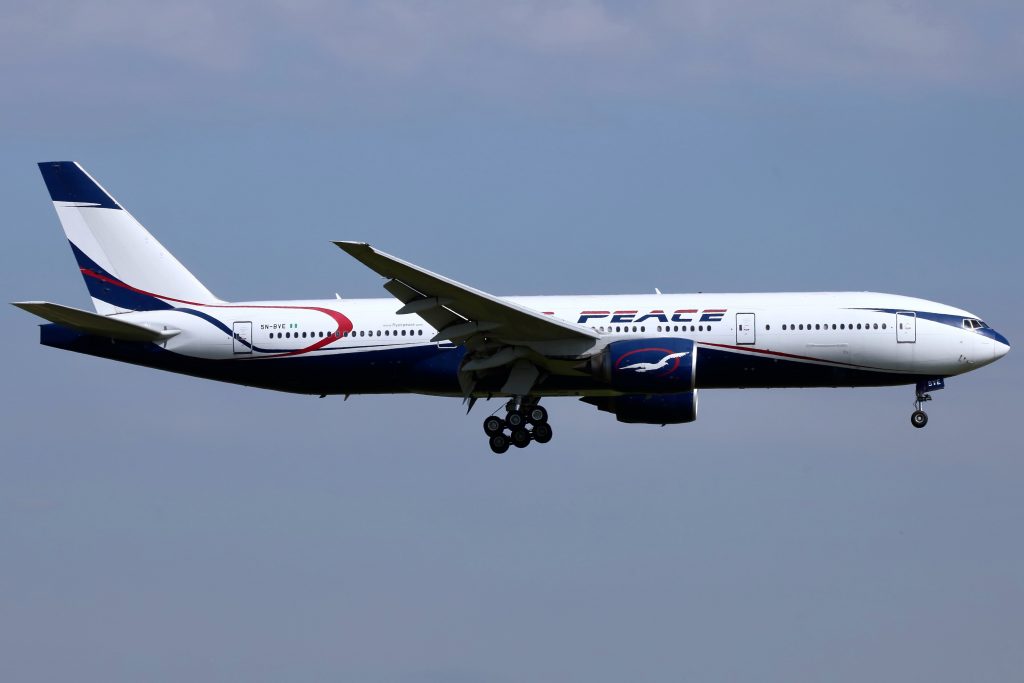
Before this agreement, Emirates passengers could already access 13 Nigerian cities through Air Peace’s domestic network.
The enhanced partnership now extends far beyond Nigeria, unlocking new West African destinations that were previously outside Emirates’ reach.
Travellers can now connect to Banjul in Gambia and Dakar in Senegal via Abidjan, as well as Freetown in Sierra Leone and Monrovia in Liberia via Accra.
These additions are strategically significant. Dakar and Banjul are key commercial and tourism gateways, while Freetown and Monrovia have historically suffered from limited long‑haul connectivity.
By integrating these cities into a single‑ticket ecosystem, Emirates and Air Peace are effectively stitching together a fragmented regional network and giving passengers access to a far wider range of travel opportunities.
For Emirates, this means more travellers from secondary West African markets can now feed into its long‑haul services to London Heathrow, London Gatwick, and London Stansted, as well as onward destinations across Asia, the Middle East, and Australasia.
For Air Peace, it means its customers gain access to one of the world’s most extensive international networks without the need for separate bookings or complex transfers.
Strengthening Dubai as a Global Hub
Dubai’s role as a global aviation crossroads is further reinforced by this agreement. Emirates’ hub already connects passengers to over 140 destinations, and the addition of new West African feed strengthens its position as the preferred transit point for travellers heading to Europe, Asia, and the Middle East.
The interline arrangement also aligns with Dubai’s broader strategy of deepening ties with African markets.
As trade, tourism, and investment flows between Africa and the UAE continue to expand, improved air connectivity becomes a critical enabler.
This partnership ensures that passengers from emerging African markets can access Dubai with fewer barriers and greater convenience.
A Boost for Air Peace & It’s International Ambitions
For Air Peace, the agreement marks a major milestone in its evolution from a regional powerhouse to a carrier with growing international relevance.
The airline has been steadily expanding its long‑haul capabilities, including launching flights to London Gatwick, and this partnership with Emirates adds a new layer of global integration.
By linking its West and Central African network directly into Emirates’ global system, Air Peace strengthens its value proposition for both business and leisure travellers.
It also gains increased visibility on the international stage, positioning itself as a key African partner for one of the world’s most recognisable airline brands.
Enhancing Passenger Experience
The practical benefits for passengers are clear.
Single‑ticket travel eliminates the need for multiple bookings, reduces the risk of missed connections, and simplifies baggage handling.
Through‑checked baggage is particularly important for travellers navigating multi‑stop itineraries, ensuring a smoother experience across both airlines’ networks.
Coordinated schedules also mean shorter layovers and more efficient travel planning.
For passengers travelling from cities such as Monrovia or Freetown, the ability to connect seamlessly onto Emirates flights in Accra or Abidjan represents a major improvement over previous options, which often required lengthy detours or overnight stops.
The Emirates & Air Peace Deal: A Step Forward for Regional Connectivity
The Emirates–Air Peace agreement is more than a commercial partnership; it is a structural enhancement to West Africa’s aviation landscape.
The region has long faced challenges related to limited intra‑African connectivity, fragmented networks, and reliance on indirect routings through Europe.
By creating a more integrated travel corridor between West Africa and Dubai, the partnership helps address these long‑standing gaps.
It also supports broader economic development. Improved air links stimulate tourism, facilitate business travel, and strengthen trade relationships.
For countries like Sierra Leone, Liberia, and Gambia—where air access has historically been constrained—this agreement could play a role in unlocking new economic opportunities.
As demand for travel between Africa and the Middle East continues to rise, partnerships like this will become increasingly important.
Emirates gains deeper access to a fast‑growing region, while Air Peace strengthens its international relevance and enhances its service offering.
Passengers benefit from smoother journeys, more destination choices, and a more connected travel experience.
In an industry where strategic alliances often define competitive advantage, the Emirates–Air Peace interline agreement stands out as a timely and mutually beneficial move.
It reinforces Dubai’s role as a global hub, elevates West Africa’s connectivity, and sets the stage for further collaboration between two airlines with ambitious growth trajectories.
Continue to follow The Aviation Hub for more analysis and insight!