
A private jet crashed during takeoff at Bangor International Airport on Sunday night, killing most of the eight people on board and prompting a major federal investigation.
Early reports from the FAA and local officials confirm severe winter weather, a post‑crash fire, and conflicting passenger counts as investigators work to piece together what happened.
The incident, involving a Bombardier Challenger 600 series aircraft, has drawn national attention due to the severity of the crash, the conflicting early reports, and the challenging weather conditions gripping much of the northeastern United States.
The Aircraft and Timeline of the Crash in Bangor, Maine
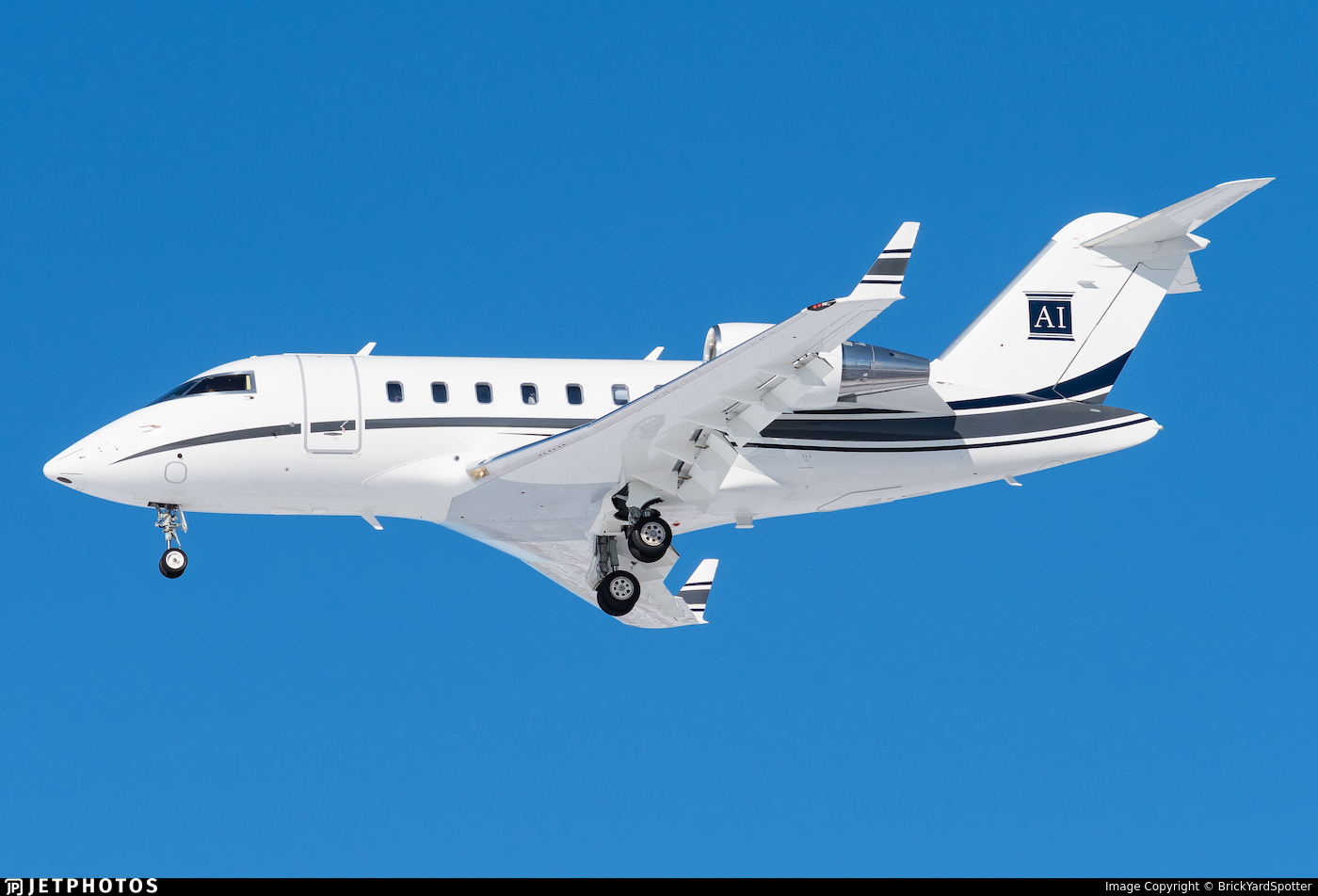
According to the Federal Aviation Administration (FAA), the aircraft involved was a Bombardier Challenger 600, a business jet widely used for corporate travel.
The plane attempted to depart from Bangor International Airport at approximately 7:45 p.m. local time on Sunday. Moments later, it crashed and caught fire.
A doorbell camera in nearby Glenburn captured the sound of the impact, underscoring the suddenness and violence of the crash.
Residents reported hearing a loud boom followed by dogs barking, though visibility was limited due to the storm.
Passenger Count and Casualties
Early reports from federal and local authorities differed on the number of people aboard the aircraft.
The FAA initially stated that seven passengers were killed and one crew member was seriously injured, bringing the total number of occupants to eight.
However, Bangor International Airport officials later said the flight manifest listed six people on board, adding confusion to the developing situation.
Despite the discrepancy, airport officials noted that no one from the crash was transported to the hospital, and all individuals on the flight were presumed deceased.
As of the latest updates, the identities of those on board have not been released, and officials have not clarified the reason for the conflicting passenger counts.
Weather Conditions at the Time in Bangor…
The crash occurred during a major winter storm affecting much of New England and the broader United States.
Heavy snowfall and strong winds created hazardous conditions across the region.
While only a few inches of snow had accumulated in Bangor at the time of the crash, visibility and runway conditions were deteriorating rapidly.
Other aircraft were reportedly able to take off safely around the same time, but investigators have not yet determined whether weather played a direct role in the accident.
Ownership and Flight Details
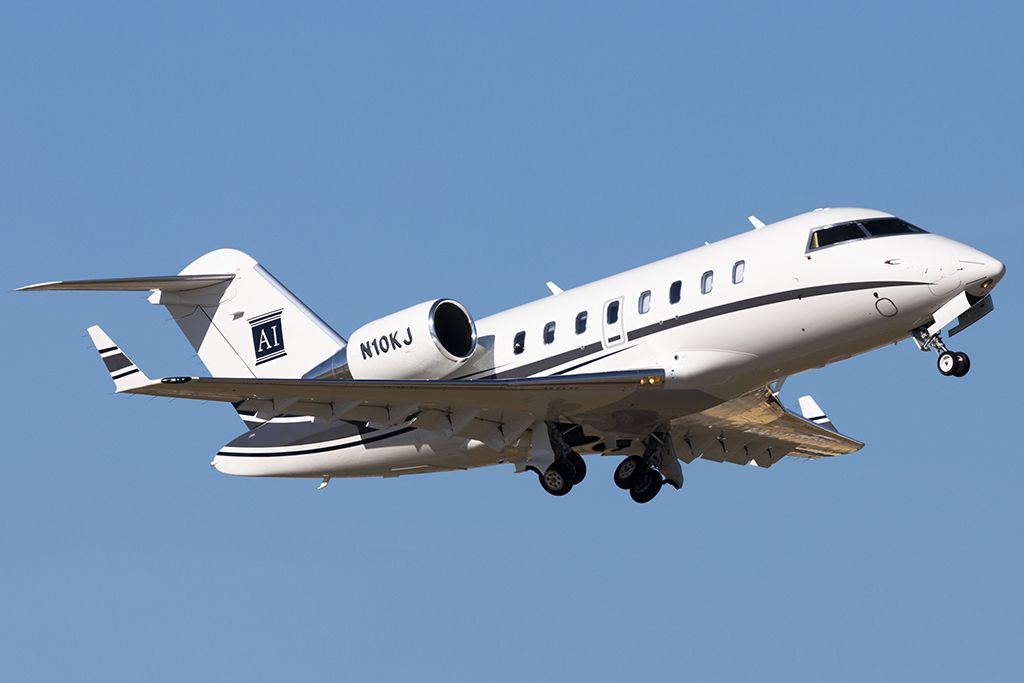
The aircraft was registered to an LLC based in Houston, Texas, sharing an address with the law firm Arnold & Itkin.
Officials have not confirmed whether anyone associated with the firm was on board.
The intended destination of the flight has not been disclosed, and investigators have not released details about the purpose of the trip.
Emergency crews responded immediately to the crash site, battling both the fire and the worsening weather.
Images from local media showed emergency vehicles surrounding the wreckage as smoke rose into the snowy night sky.
The airport temporarily shut down operations following the crash, delaying or diverting flights as investigators secured the scene.
Federal Investigation Underway in Bangor, Maine…
Both the Federal Aviation Administration (FAA) and the National Transportation Safety Board (NTSB) have launched investigations.
The NTSB noted that preliminary information indicates the plane crashed upon departure and experienced a post‑crash fire, but officials emphasized that no further conclusions would be drawn until investigators arrived on site and conducted a full analysis.
Investigators will examine:
- Flight data and cockpit voice recorders, if recoverable
- Weather conditions and their impact on takeoff performance
- Aircraft maintenance records
- Pilot qualifications and recent flight history
- Air traffic control communications
The NTSB typically releases a preliminary report within a few weeks, with a full investigation often taking a year or more.
Community Impact and National Attention
The crash has shaken the Bangor community, which is accustomed to winter storms but not to aviation disasters of this scale.
Bangor International Airport, located about 200 miles north of Boston, serves as a key regional hub and is known for handling both commercial and private aviation traffic.
National outlets have highlighted the crash due to the number of fatalities, the severe weather, and the involvement of a high‑performance business jet.
The incident also comes during a period of heightened scrutiny of aviation safety amid winter weather disruptions across the country.
What Comes Next…
As investigators continue their work, many questions remain unanswered: the exact number of people on board, the cause of the crash, and the identities of the victims.
Federal officials are urging patience as they gather evidence and analyze the sequence of events leading up to the tragedy.
For now, what is clear is that a routine takeoff turned catastrophic within seconds, leaving families grieving, a community stunned, and investigators determined to understand what went wrong.
Continue to follow The Aviation Hub for more analysis and insight!
Advertise with us Your brand, in front of an aviation audience Home page and in-article placements, sold directly, one advertiser per slot. From £250 a year. See the rates