
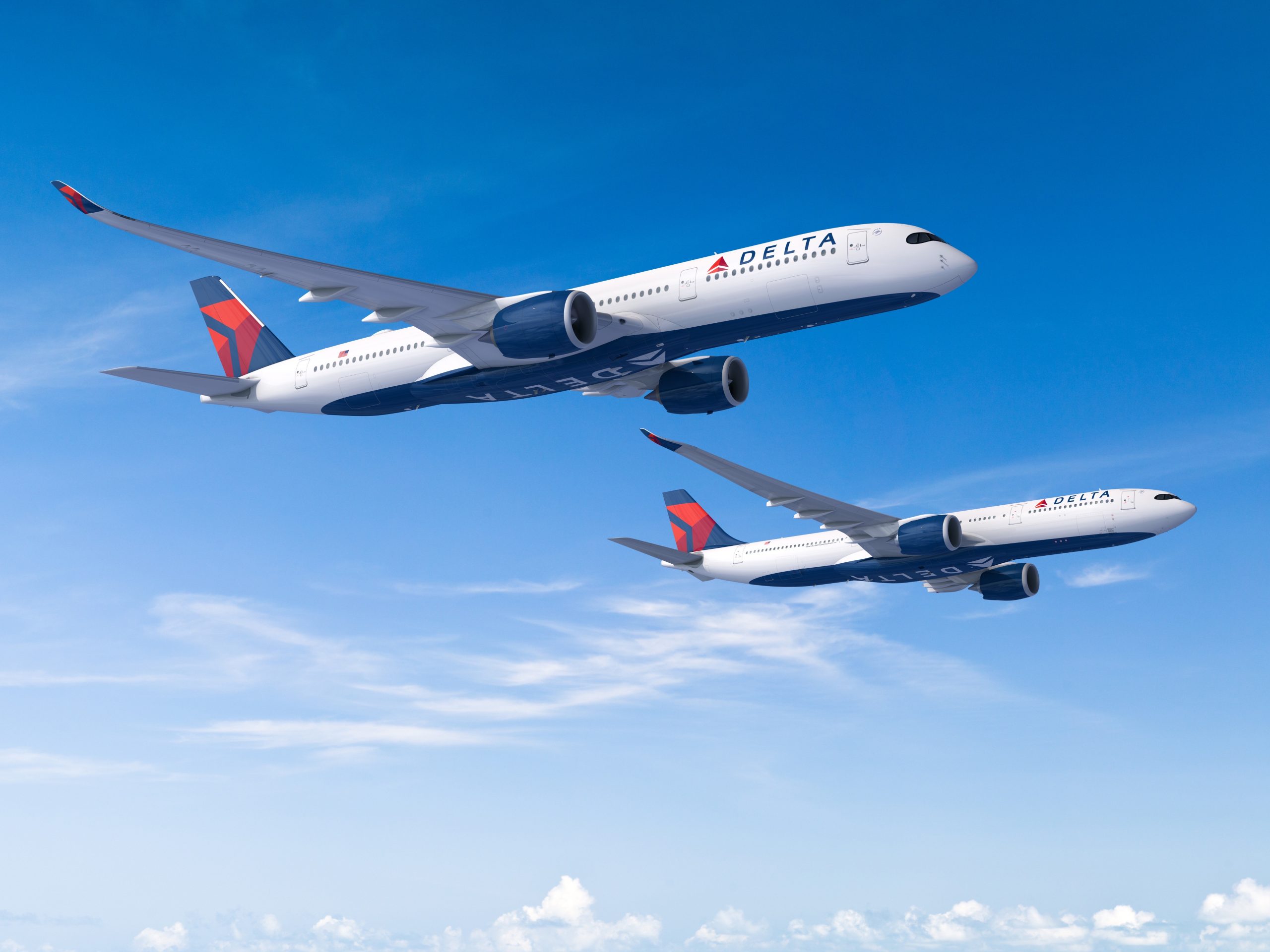
Delta Air Lines has taken another decisive step in shaping the future of its long‑haul network, confirming a firm order for 31 additional Airbus widebody aircraft.
The deal, announced on 28 January 2026, includes 16 A330‑900s and 15 A350‑900s, reinforcing the carrier’s long‑standing strategy of pairing fleet renewal with international expansion.
For Airbus, the agreement extends one of its most significant partnerships in the United States.
For Delta, it marks a continuation of a methodical, multi‑year effort to modernise its long‑haul fleet with aircraft that deliver both operational efficiency and a premium passenger experience.
Once these newly ordered jets are delivered, Delta’s commitments will rise to 55 A330neo aircraft and 79 A350s, cementing the airline as one of the world’s largest operators of Airbus widebodies.
A Strategic Move for a Global Network
Delta’s decision comes at a pivotal moment for the airline industry. Long‑haul demand has rebounded strongly, and carriers are positioning themselves for a decade defined by network diversification, premium growth, and sustainability pressures.
Delta’s CEO Ed Bastian framed the order as a natural progression of the airline’s global ambitions, emphasising that the aircraft will “enhance our capabilities and elevate our premium offerings” as the airline prepares for expanded long‑haul markets.
The order is not merely about adding capacity.
It is about building a fleet that can support Delta’s long‑term strategy: strengthening trans‑Atlantic and trans‑Pacific connectivity, improving reliability, and offering a consistent onboard product across its international network.
The A330‑900 and A350‑900 are central to that vision, each offering range, efficiency, and cabin flexibility suited to Delta’s global footprint.
The A330neo: Efficiency Meets Versatility
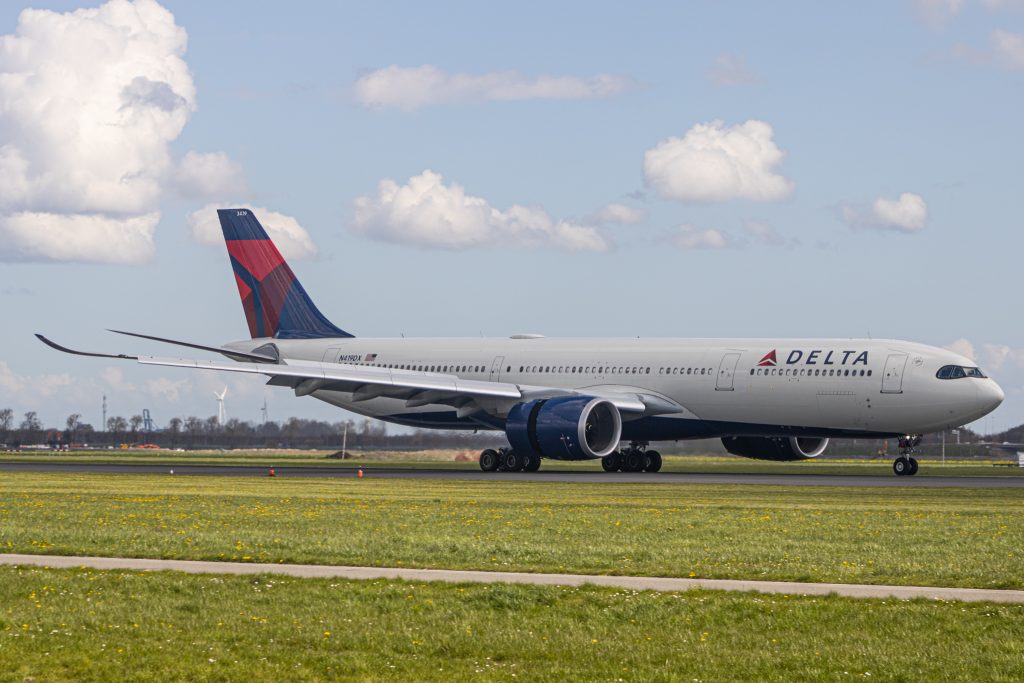
The A330‑900 has become a backbone of Delta’s trans‑Atlantic operations, and this latest order signals continued confidence in the type.
Powered by Rolls‑Royce Trent 7000 engines, the aircraft delivers a 25% reduction in fuel burn and CO₂ emissions compared to previous‑generation competitors.
Its range of up to 8,100 nautical miles allows the airline to deploy it on both established trunk routes and emerging long‑thin markets where efficiency is paramount.
For the airline, the A330neo offers a sweet spot: widebody comfort with narrowbody economics.
Its cabin layout supports Delta One Suites, Premium Select, Comfort+, and Main Cabin, giving the airline the flexibility to tailor capacity to route demand.
As Delta continues to refine its premium strategy, the A330‑900 provides the right balance of operating cost and passenger appeal.
The A350‑900: Delta’s Flagship for the Long Haul
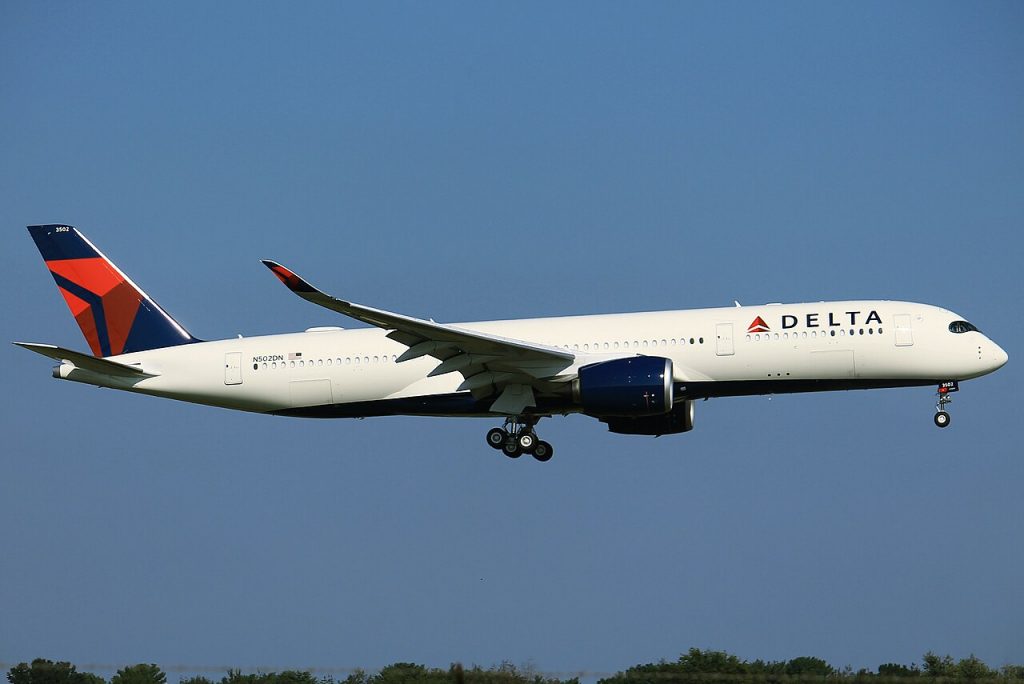
If the A330neo is Delta’s workhorse, the A350‑900 is its flagship.
The aircraft’s long range, advanced aerodynamics, and composite fuselage make it ideal for Delta’s most demanding missions, particularly across the Pacific.
With this new order, Delta’s total A350 commitments rise to 79 aircraft, including future deliveries of the larger A350‑1000 variant beginning in 2027.
The A350‑900’s cabin environment—lower cabin altitude, higher humidity, and wider fuselage—aligns with Delta’s push to elevate the long‑haul experience.
Its fuel efficiency and payload capability also support Delta’s cargo ambitions, a growing revenue stream for the airline.
A Broader Fleet Renewal Strategy for Delta
This Airbus order does not exist in isolation.
It follows Delta’s recent agreement for up to 60 Boeing 787‑10s, signalling a dual‑manufacturer strategy designed to secure delivery slots and maintain competitive leverage.
The combination of Airbus and Boeing widebodies gives Delta flexibility in fleet planning, risk management, and route deployment.
The carrier currently operates more than 500 Airbus aircraft across all families—from the A220 to the A350—and maintains an Airbus backlog of around 200 aircraft.
This latest commitment underscores the depth of the partnership and Delta’s confidence in Airbus’s production stability and product roadmap.
Preparing for the Next Decade of Long‑Haul Growth
The timing of the order is telling.
Deliveries of the newly ordered aircraft are set to begin in 2029, aligning with Delta’s long‑term network planning horizon.
The airline is clearly positioning itself for sustained international growth, particularly in markets where premium demand is strong and competitive pressure is intensifying.
The additional 20 future widebody purchase rights included in the agreement give Delta further flexibility to scale its fleet as market conditions evolve.
In an industry where delivery slots are increasingly scarce, securing these rights is a strategic hedge.
A Defining Moment for The Future of Delta
The airline’s latest Airbus order is more than a fleet announcement—it is a statement of intent.
It signals confidence in long‑haul travel, in the airline’s premium‑led strategy, and in the role of next‑generation aircraft in shaping a more efficient, sustainable future.
For Airbus, it reinforces the manufacturer’s position as a key partner in the airline’s growth story.
For Delta, it marks another milestone in building a fleet designed not just for today’s markets, but for the global aviation landscape of the 2030s.
In the competitive world of international aviation, fleet choices define an airline’s trajectory.
With this order, the airline has made its direction unmistakably clear: bigger ambitions, better aircraft, and a long‑haul network built for the next era of global travel.
Continue to follow The Aviation Hub for more analysis and insight!
Advertise with us Your brand, in front of an aviation audience Home page and in-article placements, sold directly, one advertiser per slot. From £250 a year. See the rates