
Air India has taken another decisive step in its fleet modernisation strategy, placing an incremental order for 30 Boeing 737 MAX aircraft—an expansion that reinforces both its single‑aisle ambitions and India’s rapidly accelerating aviation growth.
The announcement, made at the Wings India Airshow in Hyderabad, marks a continuation of the airline’s sweeping long‑term renewal plan and strengthens its already substantial Boeing backlog.
A Strategic Expansion of the Single‑Aisle Fleet
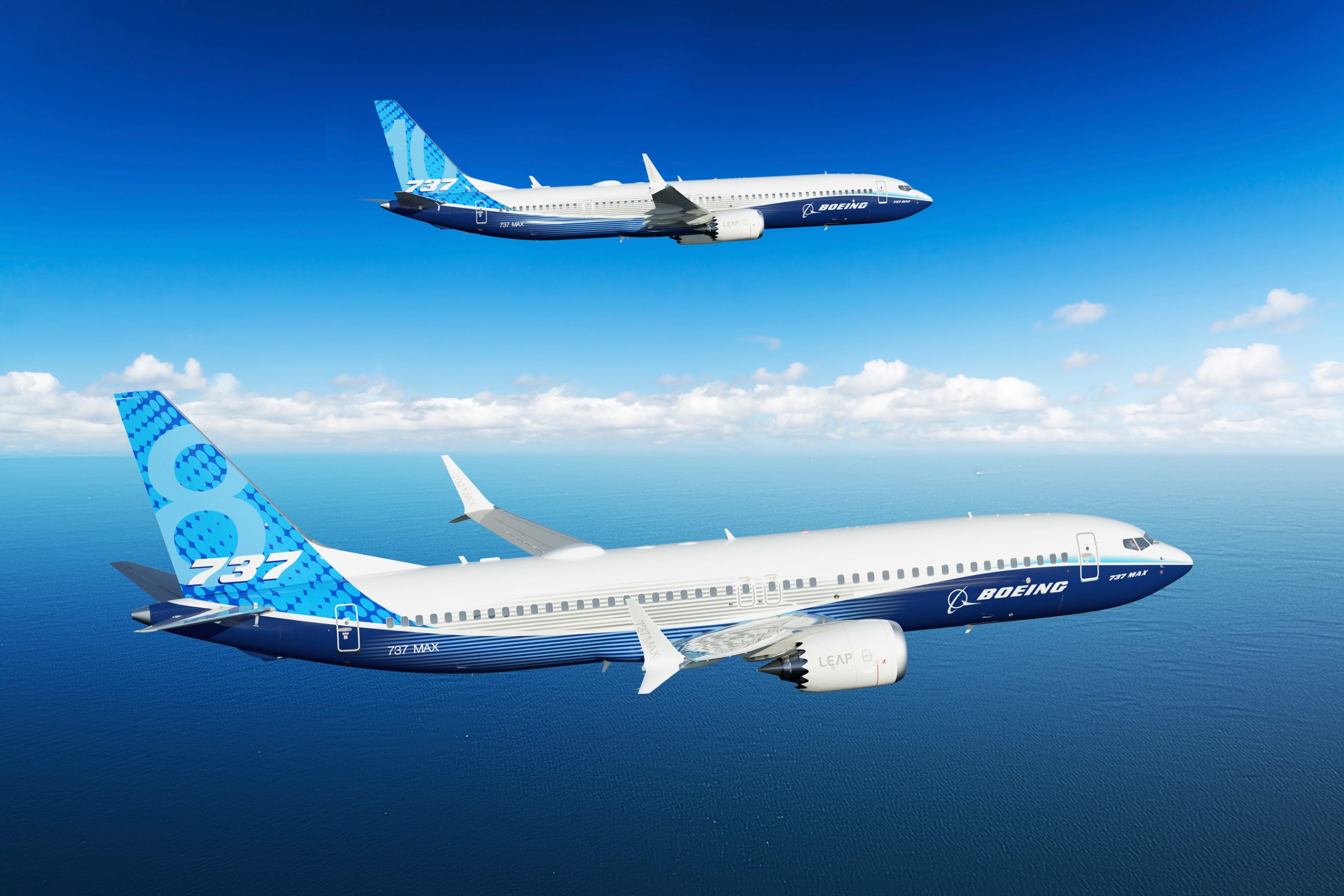
The latest order comprises 20 737‑8s and 10 737‑10s, two variants that will play distinct roles across Air India’s expanding domestic and regional network.
The 737‑8, already a workhorse for many global carriers, offers strong fuel efficiency and operational flexibility—attributes that align with Air India’s push to improve reliability and reduce unit costs.
The larger 737‑10, still the biggest member of the MAX family, provides additional capacity for high‑density routes and is expected to support the airline’s ambitions in slot‑constrained or high‑demand markets.
This order is not an isolated move but part of a broader, carefully sequenced fleet strategy.
Air India has been steadily exercising purchase options and converting commitments as it calibrates its growth trajectory.
The 30‑jet addition builds on the airline’s landmark 2023 order for 470 aircraft—220 of which were Boeing jets—bringing its total Boeing commitments to around 250 aircraft.
Boeing: Meeting India’s Surging Demand for Air Travel
India remains one of the world’s fastest‑growing aviation markets, with domestic traffic consistently outpacing global averages.
The country’s expanding middle class, rising disposable income, and increasing regional connectivity have created a sustained surge in demand for efficient narrowbody aircraft.
Boeing’s 737 MAX family, with its improved fuel burn and range, is well‑positioned to serve this growth.
Air India’s decision to deepen its MAX fleet reflects both market realities and competitive pressures.
As IndiGo, Akasa Air, and other carriers continue to scale aggressively, Air India’s renewed focus on fleet modernisation is essential to reclaiming market share and improving operational performance.
The airline’s single‑aisle fleet has historically lagged behind its peers in terms of age and efficiency; this order is another step toward closing that gap.
Strengthening Air India Express and Regional Operations
While the order was placed by Air India, the aircraft are expected to play a significant role in bolstering Air India Express, the group’s low‑cost arm.
The 737‑8 and 737‑10 are well‑suited to the carrier’s short‑ and medium‑haul network, which spans India, the Middle East, and Southeast Asia.
Recent months have seen Air India Express undergo a brand refresh and operational integration with AIX Connect, and the addition of new MAX jets will support this transformation.
The MAX family’s improved dispatch reliability and lower operating costs are particularly valuable in the low‑cost segment, where margins are tight and utilisation is key.
For Air India Express, the new aircraft will enable network expansion, improved scheduling resilience, and a more consistent passenger experience.
Leadership Perspective: A Future‑Focused Fleet Strategy

Air India CEO Campbell Wilson emphasised that the order is part of a long‑term plan to position the airline as a world‑class global carrier.
He noted that the incremental purchase supports steady deliveries and ensures the airline can maintain momentum as it modernises its fleet over the coming years.
This approach reflects a shift in Air India’s philosophy under Tata Group ownership.
Rather than episodic fleet acquisitions, the airline is now pursuing a structured, multi‑year renewal strategy that aligns with global best practices.
The steady cadence of orders and option exercises suggests a more disciplined, data‑driven approach to capacity planning.
Boeing Position in the Indian Market
For Boeing, the Air India order is another important win in a market where Airbus has historically dominated the narrowbody segment.
While Airbus continues to hold a commanding share through IndiGo and other carriers, Boeing’s relationship with Air India—and increasingly with Air India Express—gives it a strong foothold as the country’s aviation landscape evolves.
The 737 MAX has faced a complex global journey, but its resurgence in India has been notable.
Akasa Air launched operations with the MAX, SpiceJet continues to operate the type, and Air India’s growing commitment further strengthens Boeing’s presence.
The manufacturer has repeatedly highlighted India as a priority growth market, and this order reinforces that narrative.
Implications for Passengers and the Wider Market
For passengers, the introduction of more 737‑8 and 737‑10 aircraft should translate into a more consistent onboard experience, improved reliability, and potentially more competitive fares as Air India increases capacity.
The MAX family’s quieter cabin, improved environmental performance, and modern interiors align with the airline’s broader push to elevate its service standards.
For the wider market, the order signals Air India’s intent to compete aggressively—not only with domestic rivals but also with Gulf carriers and Southeast Asian airlines that have long dominated connecting traffic.
A modern, efficient narrowbody fleet is essential to feeding long‑haul operations and strengthening the airline’s hub strategy.
A Clear Signal of Momentum for Boeing…
Air India’s latest 737 MAX order is more than a fleet expansion—it is a statement of intent. It underscores the airline’s commitment to disciplined growth, operational renewal, and long‑term competitiveness.
As India’s aviation sector continues its rapid ascent, Air India is positioning itself not just to participate in that growth, but to help shape it.
With nearly 200 Boeing aircraft now in its single‑aisle and widebody pipeline, the airline’s transformation is gathering pace.
The next few years will reveal how effectively Air India can translate these investments into operational excellence and market leadership—but the direction of travel is unmistakably upward.
Continue to follow The Aviation Hub for more analysis and insight!
Advertise with us Your brand, in front of an aviation audience Home page and in-article placements, sold directly, one advertiser per slot. From £250 a year. See the rates