Air India and IndiGo Aircraft Collide on Ground at Mumbai Airport
 By The Aviation Hub
3 min read
By The Aviation Hub
3 min read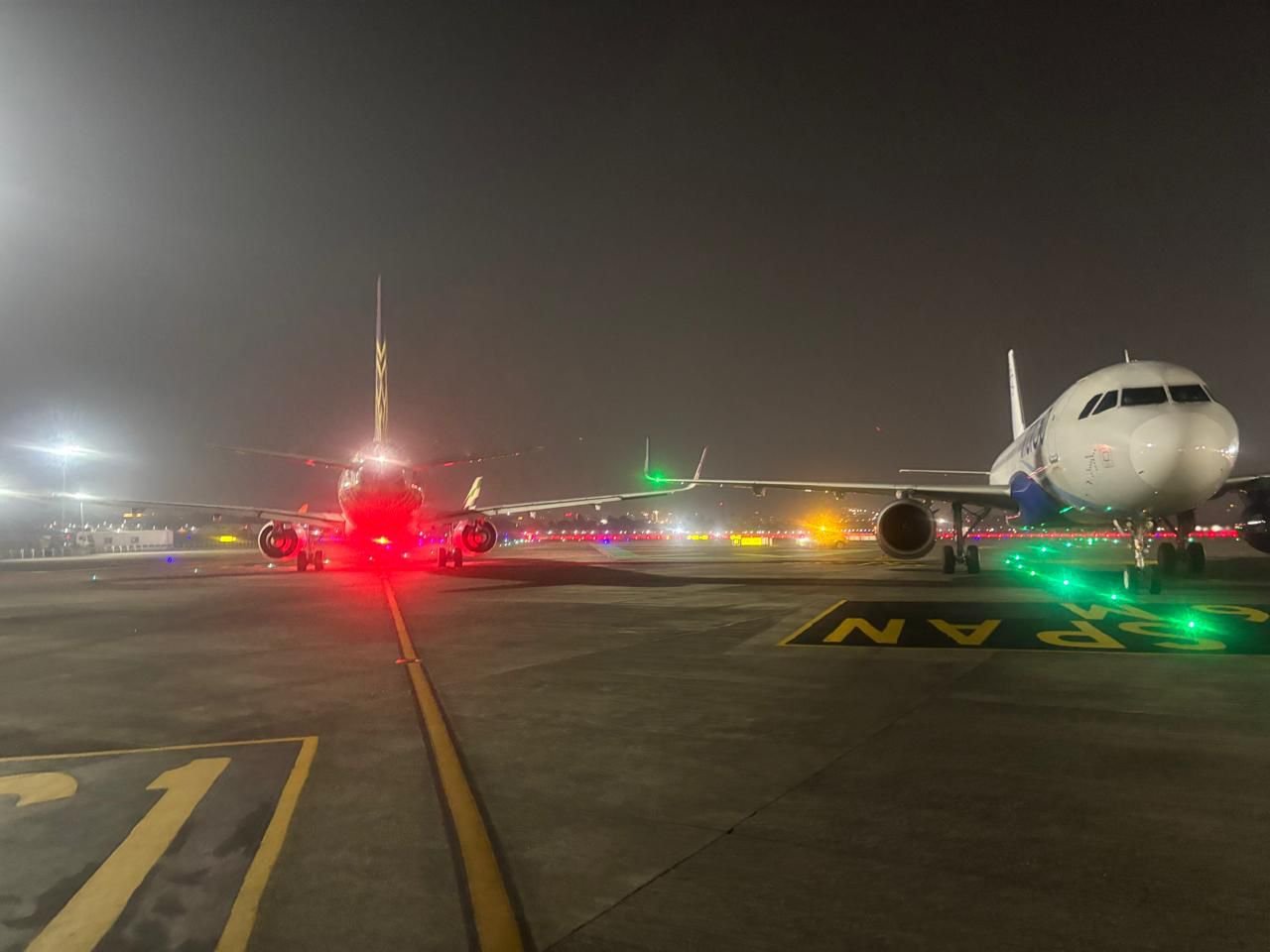
Two Airbus A320 aircraft—Air India flight AI 2732 bound for Coimbatore and IndiGo flight 6E 791 arriving from Hyderabad—made unintended wingtip contact during ground manoeuvres at Mumbai Airport.
Air India’s aircraft was pushing back from its bay for departure, while the IndiGo jet was taxiing after landing. Both aircraft were carrying passengers at the time.
The collision occurred when the right wingtips of the two aircraft scraped each other, resulting in visible damage and forcing both crews to halt operations immediately.
Passengers were later safely disembarked, and no injuries were reported.
Immediate Response Following The Incident in Mumbai…
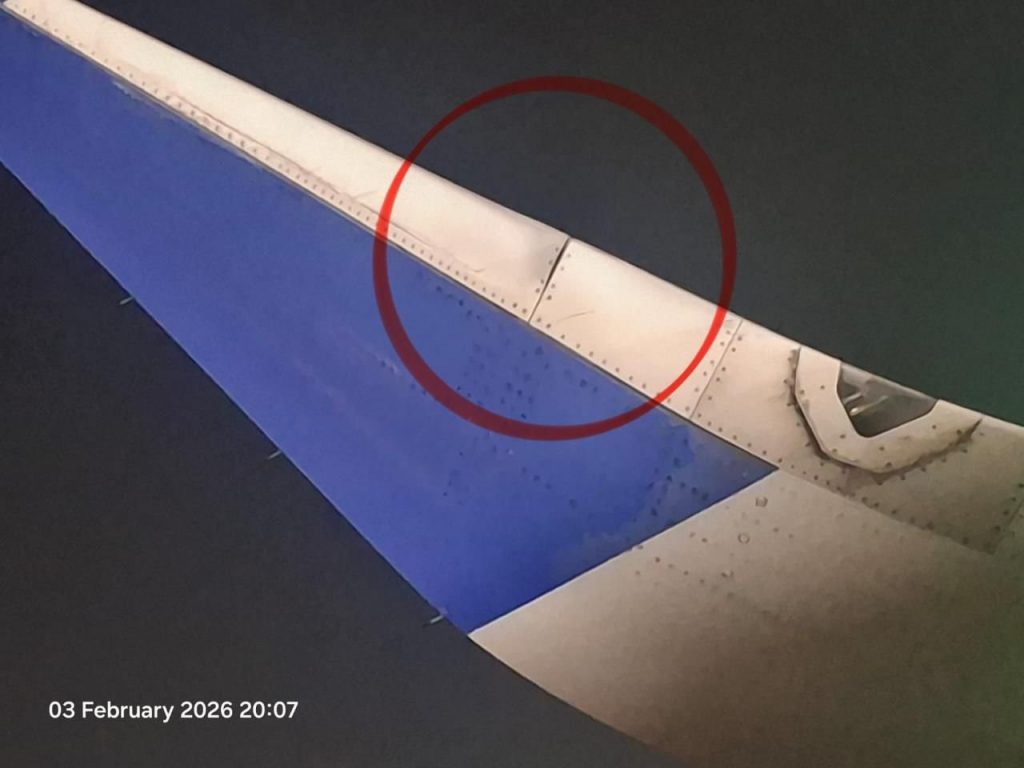
Air India confirmed that its aircraft “came into contact with another airline’s aircraft while waiting on the taxiway prior to take-off,” noting that the wingtip sustained damage and the flight was subsequently delayed.
IndiGo issued a similar statement, acknowledging that its aircraft’s wingtip made contact while taxiing after landing. Both aircraft were towed back to their respective bays for inspection.
DGCA officials arrived on site shortly after the incident to begin a formal investigation.
The regulator will examine flight crew actions, ground handling coordination, and ATC instructions to determine how two aircraft operating under controlled apron conditions came close enough for their wingtips to touch.
Operational Impact for Air India and IndiGo…
While no passengers were harmed, the event caused delays for both airlines. Air India’s Coimbatore-bound service was held until a replacement aircraft could be arranged or the damaged aircraft cleared.
IndiGo’s aircraft, having completed its arrival sector, was grounded pending engineering assessment.
Mumbai Airport, already operating under high traffic density and tight apron constraints, experienced temporary congestion as ground teams worked to clear the affected area.
The incident has renewed scrutiny of the airport’s taxiway layout and the coordination between pushback operations and arriving aircraft.
Safety and Industry Context
Ground collisions, while rare, remain a persistent risk at high‑density airports where apron space is limited and aircraft movements are tightly sequenced.
Mumbai’s airport, with its single‑runway configuration and heavy domestic traffic, is particularly vulnerable to such operational pressures.
This incident underscores the importance of precise communication between ATC, ground handlers, and flight crews—especially during pushback and taxi phases, where visibility limitations and tight clearances demand heightened vigilance.
The DGCA’s findings will likely influence future procedural refinements, including potential adjustments to taxiway routing, pushback timing, and apron surveillance.
Looking Ahead: What Next Following Incident in Mumbai?
Both airlines are cooperating fully with investigators, and engineering teams are assessing the extent of the damage.
While the event resulted in no injuries, it has sparked renewed debate within India’s aviation community about the need for enhanced ground‑movement safety protocols at major hubs.
For now, the Mumbai collision serves as a reminder that even routine ground operations can escalate into safety incidents when multiple aircraft converge in constrained spaces—a challenge that India’s rapidly growing aviation sector must continue to address.
Continue to follow The Aviation Hub for more analysis and insight!