Dubai-based Emirates is strengthening its presence in Japan with the launch of a second daily service to Tokyo Narita, a move that significantly expands connectivity between the UAE and one of Asia’s most strategically important aviation markets.
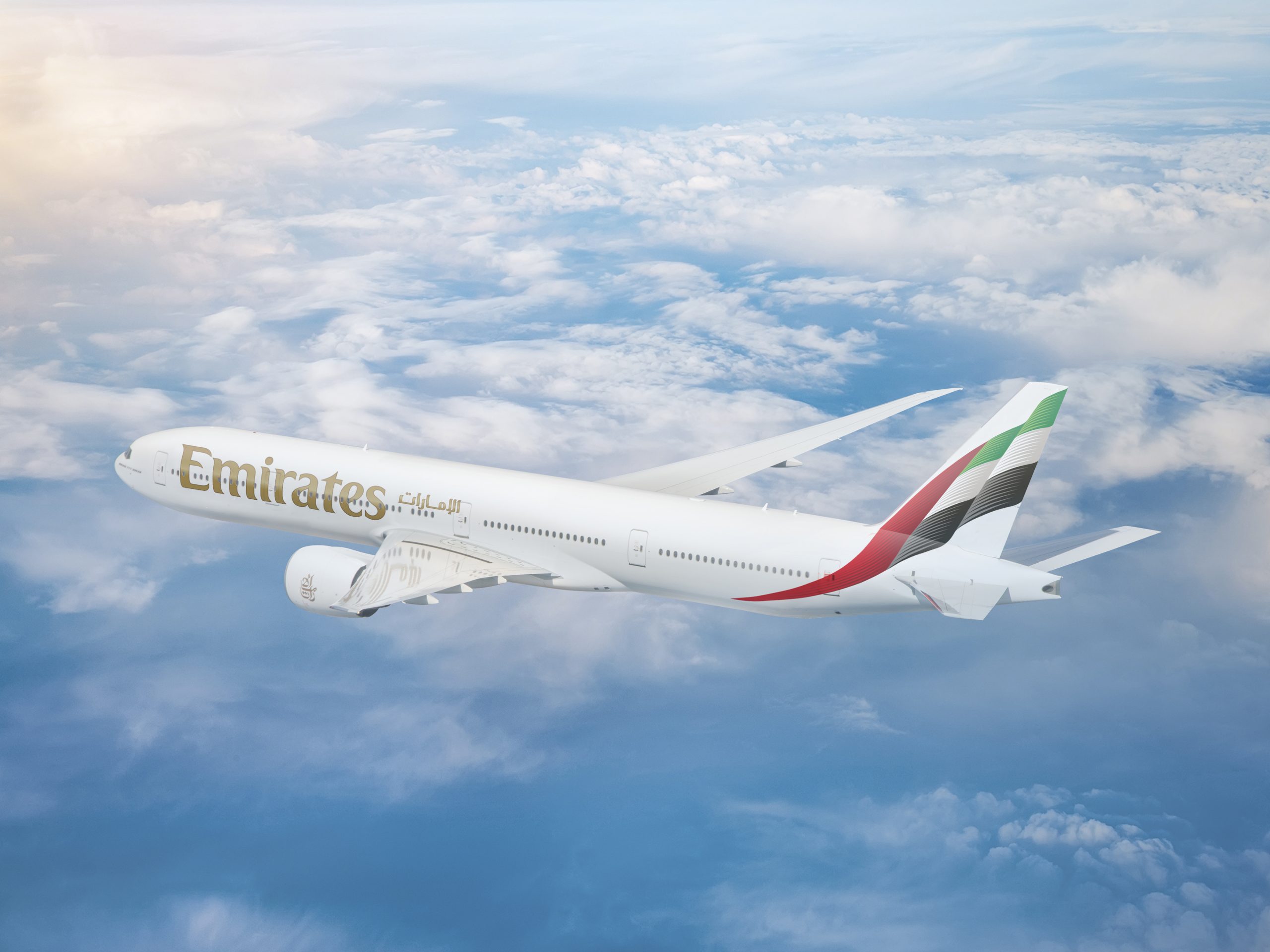
The additional rotation, beginning 1 May, will be operated by the airline’s newly refurbished Boeing 777‑300ER, further aligning Emirates’ Japan network with its upgraded long‑haul product strategy.
New Daily Frequency Enhances Dubai-Tokyo Connectivity
The new service, EK320, departs Dubai at 22:30 and arrives at Tokyo Narita at 13:30 the following afternoon.
The return flight, EK321, leaves Narita at 21:30 and lands in Dubai at 03:50 the next morning.
The schedule has been designed to optimise connectivity in both directions, particularly for travellers linking between Japan, Europe, the Middle East and South America.
Eastbound passengers will benefit from an afternoon arrival into Narita, enabling smoother domestic transfers across Japan’s extensive internal network.
Westbound travellers departing Tokyo in the evening will reach Dubai in time for early‑morning bank connections to major destinations including Spain, Portugal, France, Italy, South Africa, Egypt, Morocco, Tunisia and Brazil.
For Emirates, the timing reinforces Dubai’s role as a global super‑hub, while offering Japanese travellers more flexibility for multi‑city itineraries and stopovers.
Refurbished Boeing 777-300ER Elevates the Onboard Experience
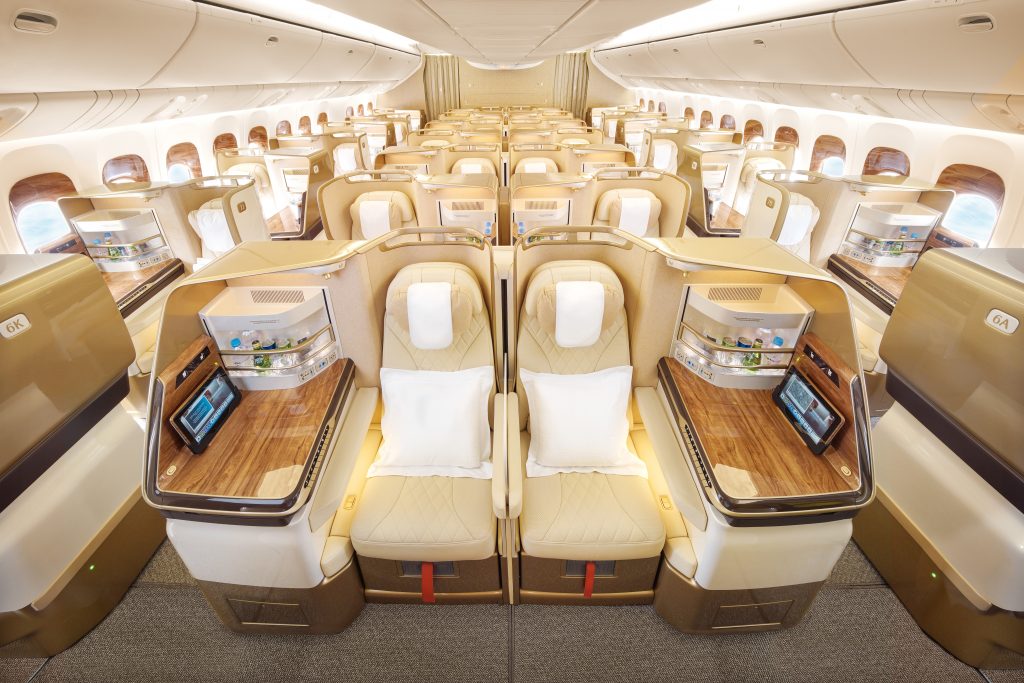
Deploying a retrofitted Boeing 777‑300ER on the new Narita rotation underscores Emirates’ commitment to delivering a consistent premium experience across its Japanese gateways.
The four‑class aircraft features the airline’s refreshed cabin design, incorporating modern colour palettes, Ghaf Tree motifs and updated wood finishes.
The aircraft offers 260 next‑generation Economy seats, 24 Premium Economy seats, 40 Business Class seats in a 1‑2‑1 layout, and eight First Class Suites.
The inclusion of Premium Economy across all Japan services reflects strong demand for the product in the market, where travellers increasingly seek elevated comfort without the price point of Business Class.
Passengers will also have access to Emirates’ extensive inflight entertainment library, with more than 6,500 channels of content, including a curated selection of Japanese films, TV and audio.
The culinary offering has been tailored for the route, featuring regionally inspired dishes such as a traditional Kaiseki meal tray.
Strengthening a Two-Decade Presence in Japan
Emirates has served Japan since 2002 and currently operates daily flights to Tokyo Narita, Tokyo Haneda and Osaka.
With the introduction of the second Narita service, the airline will offer 28 weekly flights to Japan, providing more than 22,500 weekly seats across its three gateways.
Cargo capacity will also see a notable boost. Emirates expects to carry up to 1,240 tonnes of freight weekly to and from Japan, supporting key export sectors and enabling faster access to markets across the GCC, Europe and Africa.
The airline is also expanding its premium ground offering.
Its Chauffeur‑drive service, recently introduced in Narita, will be extended to Osaka from 1 March, enhancing the end‑to‑end experience for First and Business Class customers.
Expanded Domestic Reach in Tokyo Through Japanese Partnerships
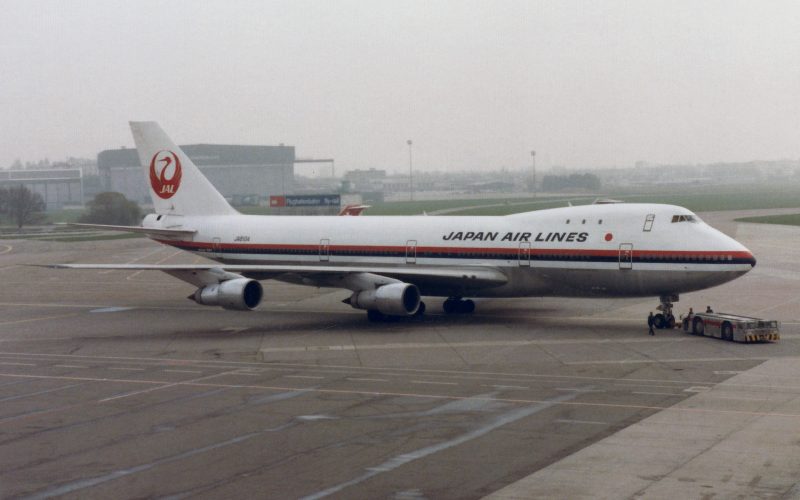
Emirates’ partnerships with Japan Airlines (JAL) and All Nippon Airways (ANA) remain central to its strategy in the country.
Through these agreements, the airline provides access to 36 destinations across Japan, including 26 domestic and 10 regional points.
The additional Narita frequency strengthens these connections, offering travellers more convenient options when linking between international long‑haul flights and domestic Japanese services.
Dubai-Tokyo Flights: A Strategic Step in a Rebounding Market
The decision to increase capacity into Narita reflects the continued recovery of Japan’s outbound and inbound travel sectors, as well as Emirates’ confidence in long‑term demand.
With a refreshed fleet, expanded schedules and strengthened partnerships, the airline is positioning itself to capture growing traffic flows between Japan and global markets.
Continue to follow The Aviation Hub for more analysis and insight!
Advertise with us Your brand, in front of an aviation audience Home page and in-article placements, sold directly, one advertiser per slot. From £250 a year. See the rates