
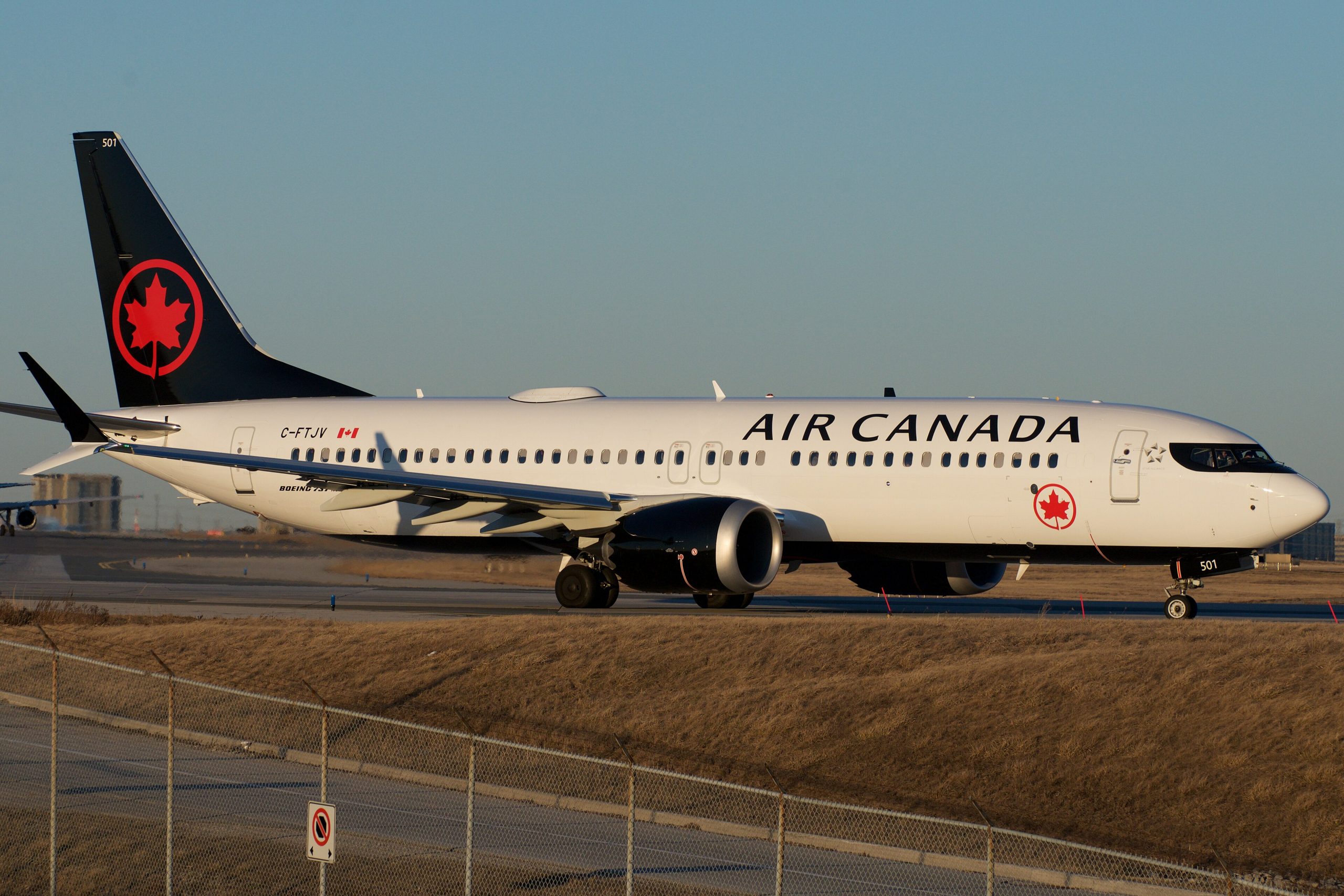
Air Canada has announced the temporary suspension of all flights to Cuba, citing an escalating aviation fuel shortage that has left airlines unable to reliably operate in the country.
The decision, effective immediately, affects services to popular leisure destinations including Varadero, Cayo Coco, Holguín, and Santa Clara, marking one of the most significant disruptions to Canadian leisure travel in recent years.
The carrier said the suspension was unavoidable given the “ongoing and unpredictable availability of jet fuel” at Cuban airports.
While fuel shortages in Cuba are not new, the situation has deteriorated sharply in recent weeks, leaving airlines with limited or no access to the fuel required to operate return flights.
For Air Canada—one of the largest foreign operators to Cuba—the operational risk became untenable.
Operational Reliability at the Forefront
In its statement, Air Canada emphasised that the decision was driven by safety, predictability, and the need to maintain a stable schedule for passengers.
The airline noted that it cannot operate flights into airports where fuel supply cannot be guaranteed for the outbound sector, nor can it rely on consistent refuelling alternatives.
Airlines typically mitigate fuel shortages through tanker operations, carrying additional fuel from the origin airport to cover both legs of a journey.
However, Cuba’s geography and the distances involved make this strategy impractical for many routes, especially from eastern Canada.
The carrier stressed that the suspension is temporary but offered no timeline for reinstatement, saying only that it will “resume operations when fuel availability stabilises.”
Impact on Travellers and Tour Operators Following Cuba Flight Cancellations…
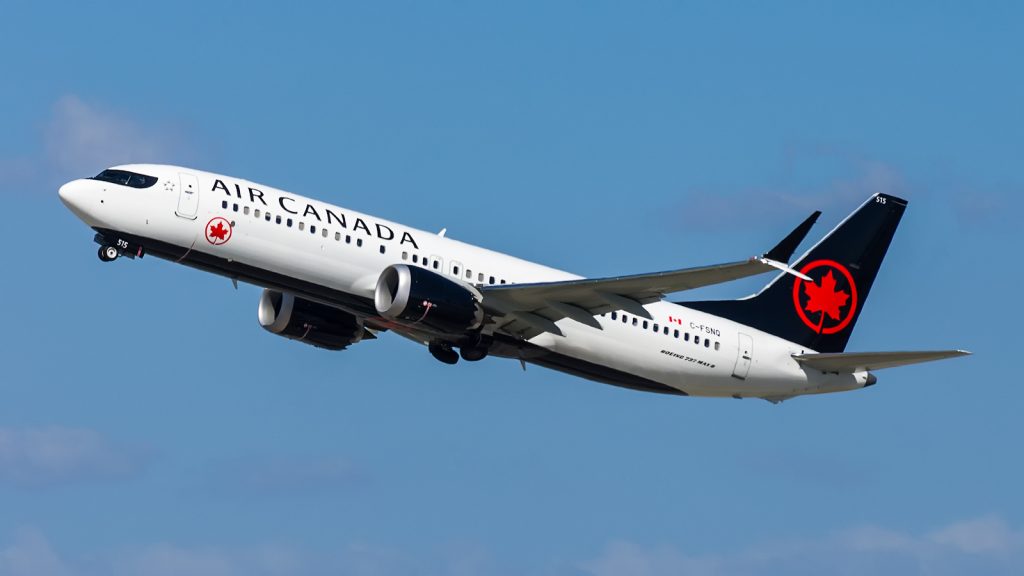
The suspension affects thousands of Canadian travellers during the peak winter season—a period when Cuba traditionally ranks among Canada’s top sun destinations.
Air Canada has begun notifying affected customers and offering rebooking options, refunds, or alternative destinations across its Caribbean network.
Tour operators, many of whom rely heavily on Cuba packages, are now scrambling to adjust itineraries and reallocate capacity.
The disruption is expected to ripple across the Canadian leisure market, with increased demand likely shifting toward Mexico, the Dominican Republic, and Jamaica.
For Cuba, the impact is equally significant. Canadian visitors represent the country’s largest inbound tourism market, and Air Canada’s suspension removes a major source of passenger traffic at a time when the island’s tourism sector is still recovering from the pandemic.
A Broader Fuel Crisis in Cuba
Cuba has faced chronic fuel shortages for years, driven by declining domestic refining capacity, reduced imports, and geopolitical constraints.
The aviation sector has been particularly exposed, with intermittent shortages forcing airlines to adjust schedules, tanker fuel, or in some cases, suspend operations altogether.
In recent months, the situation has worsened.
Several foreign carriers have reported inconsistent access to jet fuel, and some have already reduced frequencies or shifted operations to airports with marginally better supply.
Air Canada’s full suspension underscores the severity of the crisis and raises questions about the stability of Cuba’s aviation infrastructure heading into the remainder of 2024.
What Comes Next For Air Canada…
Air Canada says it is monitoring the situation closely and remains committed to serving Cuba once conditions improve.
However, industry observers note that fuel shortages in the country are unlikely to be resolved quickly, suggesting the suspension could extend longer than travellers might hope.
For now, the airline is focusing on minimising disruption and maintaining transparency with customers.
The carrier reiterated that it will only return when it can guarantee safe, reliable, and sustainable operations—standards that are currently impossible to meet given the fuel constraints.
As the situation evolves, Air Canada’s decision may prompt other airlines to reassess their own operations in Cuba.
For the island’s tourism sector, already under pressure, the loss of Canada’s flag carrier represents a significant setback at a critical moment.
Continue to follow The Aviation Hub for more analysis and insight!
Advertise with us Your brand, in front of an aviation audience Home page and in-article placements, sold directly, one advertiser per slot. From £250 a year. See the rates