
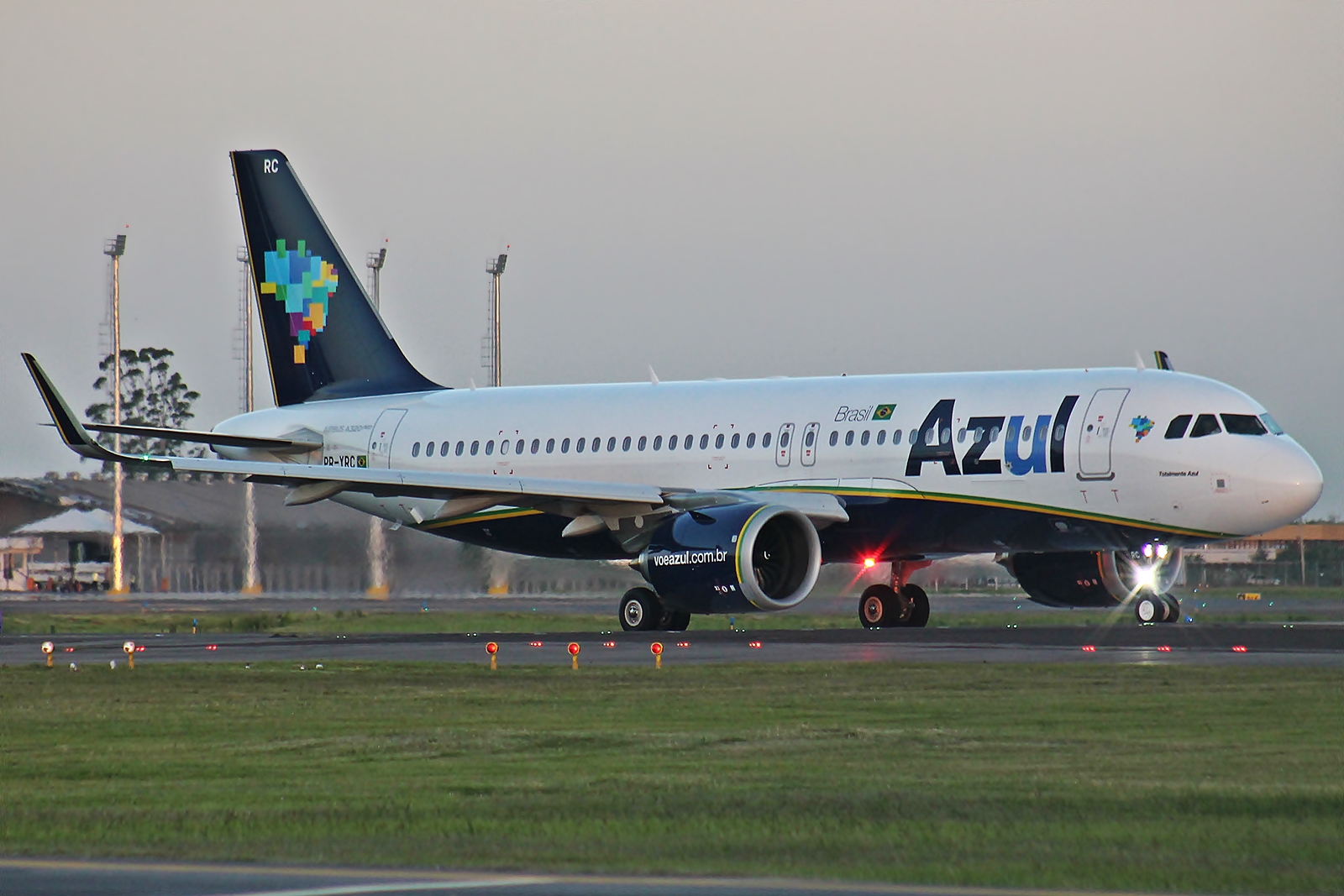
Sao Paulo-based Azul has formally completed its financial restructuring process in the United States, marking a decisive turning point for Brazil’s largest airline by number of cities served.
The carrier confirmed its emergence from Chapter 11 on February 20, 2026, following the full repayment of its debtor‑in‑possession financing and the settlement of its previously announced equity offering.
As the company stated, it now “emerges from the process with a significantly strengthened balance sheet, positioned for greater long‑term stability and sustainable growth” .
This milestone concludes a rapid and tightly managed restructuring that began less than nine months ago.
Azul now enters its next phase with reduced debt, improved liquidity, and a capital structure designed to support sustainable expansion across its domestic and international network.
A Restructuring Completed at Unusual Speed
Azul’s Chapter 11 process was conducted before the U.S. Bankruptcy Court for the Southern District of New York and reached confirmation on December 19, 2025.
With all conditions precedent now satisfied or waived, the plan has become effective and substantially consummated.
The company emphasised that the restructuring was completed in a timeframe “substantially shorter than restructurings of other airlines” while maintaining uninterrupted operations of approximately 800 daily flights .
The speed and stability of the process reflect the degree of creditor alignment achieved early on.
Azul secured agreements with major stakeholders including holders of its market‑issued debt securities, its largest aircraft lessor AerCap, and strategic partners United Airlines and American Airlines.
This broad coalition enabled the airline to reshape its financial obligations without compromising its operational footprint.
A Leaner, More Sustainable Capital Structure For The Sao-Paulo-based Airline…
The restructuring delivers a significant reduction in Azul’s financial liabilities. According to the company, the process resulted in a combined reduction of “debt and lease obligations of approximately US$ 2.5 billion”.
This includes a US$1.1 billion reduction in loans and financing debt and a nearly 40 percent reduction in aircraft lease debt.
Azul also expects a material improvement in its cost of capital. Annual interest payments are projected to fall by more than half compared with pre‑Chapter 11 levels, while recurring aircraft leasing expenses are estimated to decline by roughly one third.
These changes collectively support a pro forma net leverage ratio of less than 2.5x upon emergence.
The restructuring was supported by a substantial capital raise.
Azul secured approximately US$1.375 billion through the issuance of Senior Notes and an additional US$950 million in equity commitments.
The company also completed a reverse stock split and confirmed a new share capital structure totalling BRL 21.7 billion.
Azul & It’s Operational Strength Through the Crisis
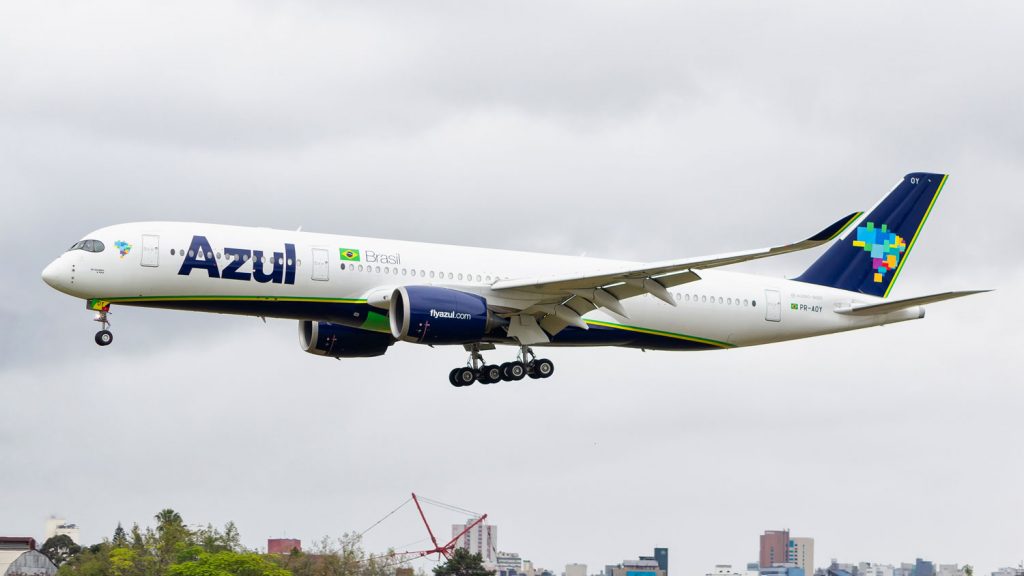
Despite the financial overhaul, Azul maintained strong operational performance throughout 2025 from it’s base in Sao Paulo.
The airline carried 32 million passengers, the highest annual total in its history.
It also ranked as the fourth most on‑time airline globally, according to Cirium, and continued to serve more than 130 cities across 250 nonstop routes with a fleet of approximately 170 aircraft.
This operational resilience was central to Azul’s ability to navigate the restructuring without eroding customer confidence or market presence.
The airline’s diversified business model, which includes Azul Cargo, Azul Viagens, and the Azul Fidelidade loyalty programme, provided additional stability and revenue streams during the process.
Strategic Positioning for Long‑Term Growth in Sao Paulo…
With its emergence from Chapter 11, the Sao Paulo-based airline is positioning itself for disciplined and sustainable growth.
The company highlights the strength of its brand, its international partnerships, and its modern fleet, which is composed of approximately 80 percent next‑generation aircraft.
These assets provide a foundation for improved efficiency and competitiveness in the years ahead.
Azul’s leadership emphasises a continued focus on operational excellence and value creation for customers, crew members, and investors.
The airline’s renewed financial footing is expected to support network optimisation, fleet modernisation, and strategic expansion across both domestic and international markets.
A New Chapter for Sao Paulo & It’s Most Extensive Airline Network
Azul’s successful restructuring marks one of the most significant financial turnarounds in Latin American aviation in recent years.
The Sao Paulo-based company exits Chapter 11 with a lighter balance sheet, enhanced liquidity, and a clear strategic direction.
Its ability to maintain operational momentum throughout the process underscores the strength of its business model and the loyalty of its customer base.
As Azul looks ahead, the airline is focused on leveraging its strengthened financial position to deliver sustainable returns and reinforce its role as a key driver of connectivity across Brazil and beyond.
The restructuring may have been born out of necessity, but it now stands as a platform for long‑term resilience and renewed ambition.
Continue to follow The Aviation Hub for more analysis and insight!
Advertise with us Your brand, in front of an aviation audience Home page and in-article placements, sold directly, one advertiser per slot. From £250 a year. See the rates