Delta Flight Suffers Engine Failure on Departure from Savannah
 By The Aviation Hub
3 min read
By The Aviation Hub
3 min read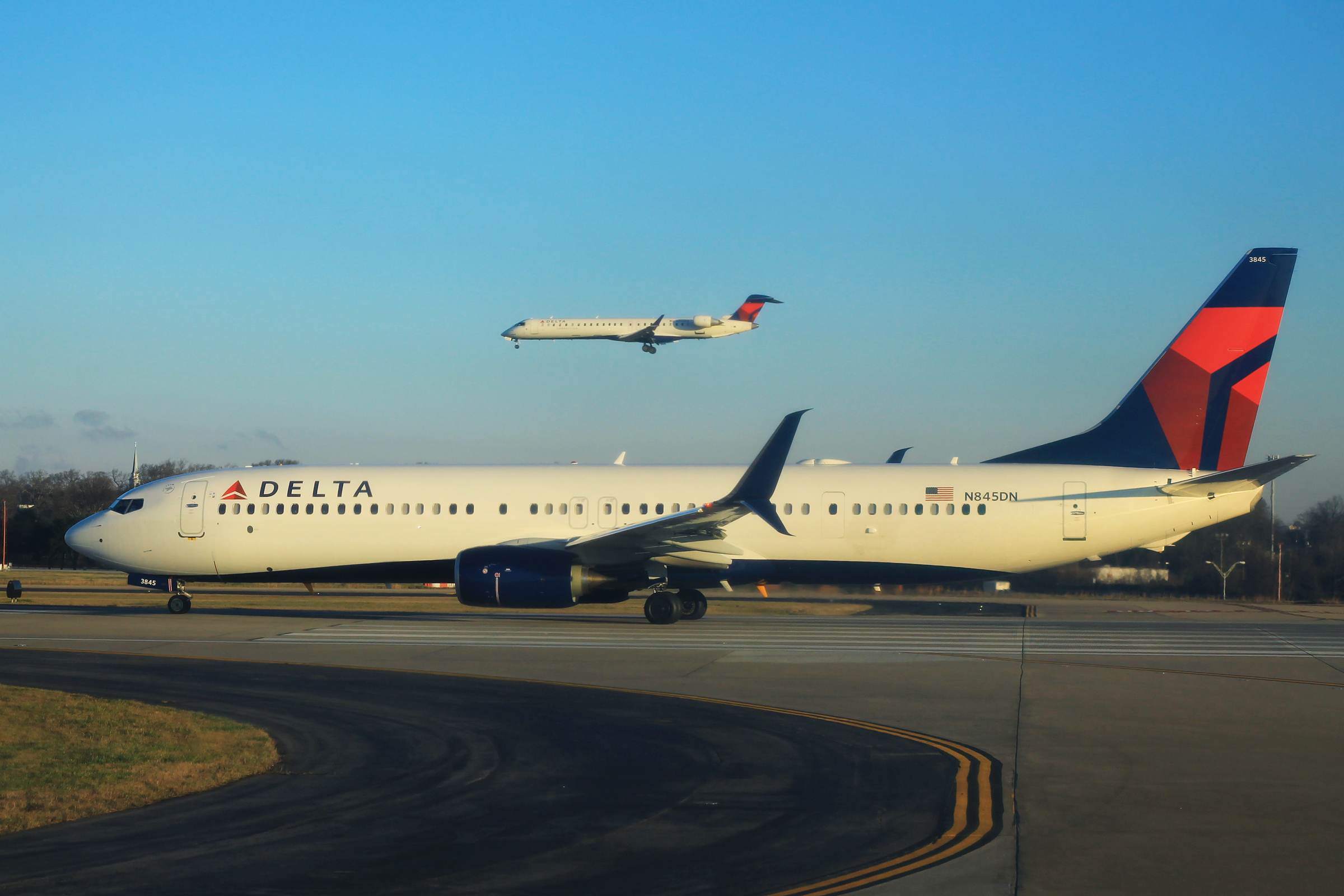
A Delta Air Lines service from Savannah to Atlanta experienced a significant engine malfunction shortly after takeoff on the evening of 22 February 2026.
The aircraft involved was a Boeing 737-900ER registered as N942DZ, a thirteen year old airframe that joined the Delta fleet in 2023 following earlier service with Lion Air and Castlelake.
Operating as flight DL1067, the aircraft was carrying 179 passengers and six crew members when the left engine failed during the initial climb from runway 28 at Savannah Hilton Head International Airport.
The departure initially appeared normal until the control tower observed flames near the aircraft.
Controllers immediately queried the flight deck, prompting the crew to declare an emergency and report the loss of the left CFM56 engine.
Despite the severity of the failure, the crew maintained control of the aircraft and began preparations for an immediate return to the airport.
Grass Fire Ignites Alongside the Runway at Savannah…
The engine failure produced visible flames that ignited a grass fire along the left side of the runway. Airport fire crews were dispatched within moments and worked quickly to contain the blaze.
The fire was extinguished within approximately fifteen minutes, preventing further spread and ensuring the runway environment remained safe for the returning aircraft.
The presence of the fire forced air traffic control to instruct another approaching aircraft to go around, highlighting the operational disruption caused by the incident.
Despite the dramatic visuals captured by witnesses on the ground and from other aircraft, the situation remained contained thanks to rapid emergency response.
Safe Return and Post Landing Inspection of the Delta Flight…
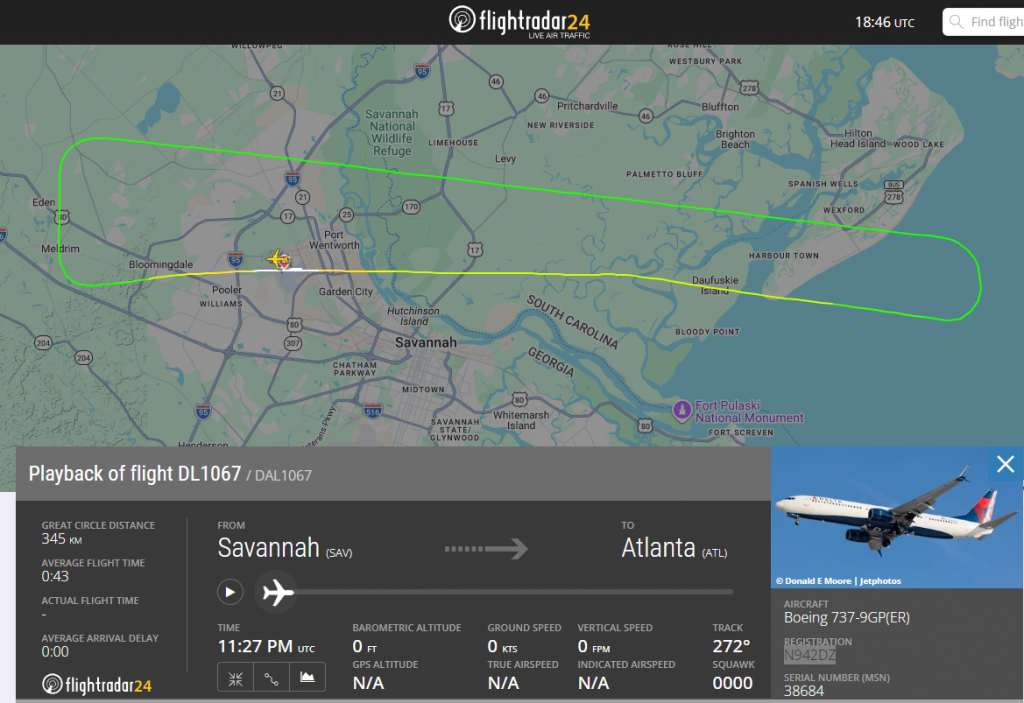
Flight DL1067 circled to an altitude of around three thousand feet before lining up for a return to runway 28.
The aircraft touched down safely roughly twenty five minutes after departure and came to a stop on the runway.
The crew shut down both engines and kept the auxiliary power unit running while awaiting inspection from emergency personnel.
According to the crew, there were no abnormal indications in the cockpit following the initial failure.
There was no fire warning and no smoke in the cabin or flight deck.
Emergency responders confirmed that the left engine showed no signs of an active fire and reported that the main landing gear tyres appeared intact.
Operational Impact and Aircraft Background
The Federal Aviation Administration confirmed that the aircraft returned safely and announced that an investigation would follow.
Passengers were later reaccommodated on another Boeing 737-900 which completed the journey to Atlanta with a significant delay.
The aircraft involved, N942DZ, has a varied operational history. Delivered new to Lion Air in 2012, it later transitioned to Castlelake before joining Delta Air Lines.
It is configured with a two class layout and powered by two CFM56 engines.
Prior to the incident, the aircraft had been operating regular domestic services including frequent rotations between Atlanta and Kansas City.
The incident underscores the importance of crew training, rapid situational awareness, and coordinated emergency response.
While the engine failure and resulting grass fire created a dramatic scene, the professionalism of the flight crew and ground teams ensured a safe outcome for all on board.
Continue to follow The Aviation Hub for more analysis and insight!
Advertise with us Your brand, in front of an aviation audience Home page and in-article placements, sold directly, one advertiser per slot. From £250 a year. See the rates