Passenger Suffers Burns Onboard Alaska Airlines Flight in Wichita
 By The Aviation Hub
4 min read
By The Aviation Hub
4 min read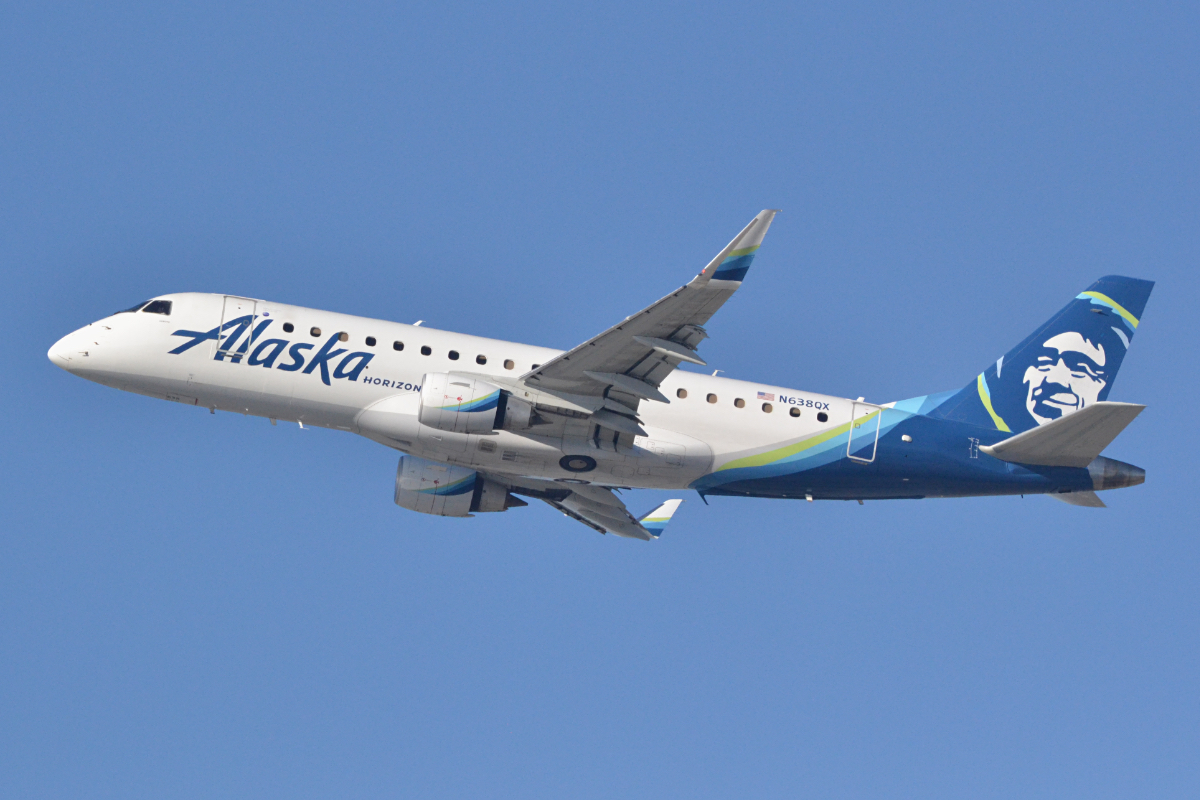
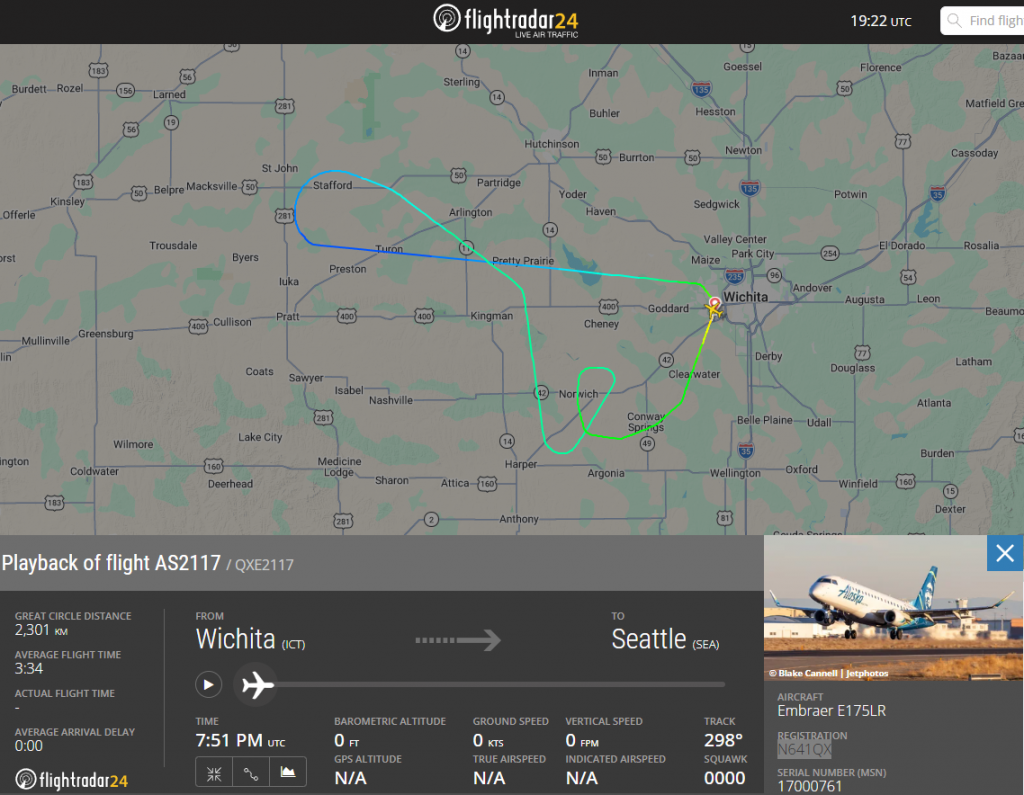
A Horizon Air Embraer ERJ175 operating for Alaska Airlines was forced to return to Wichita on 22 February 2026 after a passenger’s power bank went into thermal runaway shortly after takeoff.
The aircraft involved, registered N641QX, was performing flight AS2117 from Wichita to Seattle when the incident unfolded during the initial climb.
According to the official report, the crew levelled off at flight level two zero zero after smoke and flames were observed coming from the device.
Cabin crew acted quickly to contain and extinguish the fire, allowing the flight crew to focus on the return to Wichita for a safe landing approximately forty minutes after departure.
The Aircraft Involved in the Wichita Accident and Its Operational Background
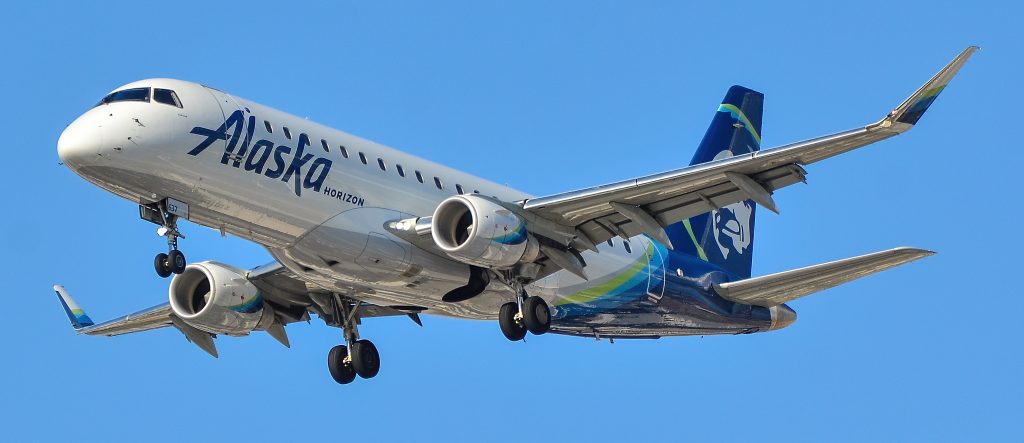
N641QX is a seven year old Embraer ERJ175 built at São José dos Campos in Brazil.
Delivered in November 2018, the aircraft entered service with Horizon Air in a dual class configuration featuring twelve first class seats and sixty four economy seats.
It has remained an active part of the Alaska Airlines regional fleet, operating a dense schedule across the Pacific Northwest and West Coast markets.
The aircraft’s recent utilisation shows a typical pattern of short haul regional flying, including rotations through Seattle, Portland, San Diego, San Francisco and several inland cities in the days leading up to the incident.
The airframe had been operating normally with no reported technical issues prior to the event.
Its operator history shows continuous service with Horizon Air on behalf of Alaska Airlines since delivery, reflecting the type’s central role in the carrier’s regional network.
Crew Response and Emergency Procedures
The response from both the flight deck and cabin crew was decisive and aligned with established procedures for lithium battery fires.
Thermal runaway events can escalate rapidly, producing intense heat, smoke and the potential for toxic fumes.
In this case, the cabin crew were able to douse and secure the device, preventing further spread and stabilising the situation.
The flight crew’s decision to halt the climb and return to Wichita ensured the aircraft remained within a safe diversion window and allowed emergency services to meet the aircraft on arrival.
The passenger who owned the power bank sustained minor burns and was transported to a local hospital.
No other injuries were reported.
Operational Impact and Fleet Continuity Following Wichita Accident…
Following the return to Wichita, the aircraft remained on the ground for approximately twenty hours before being repositioned to Portland.
A replacement ERJ175, registered N652MK, was dispatched to operate the continuation of flight AS2117 to Seattle, arriving with a delay of around seven and a half hours.
For Horizon Air and Alaska Airlines, the incident underscores the operational challenges posed by lithium battery related events.
While relatively rare, they have become a recurring theme across the industry as personal electronic devices proliferate and energy densities increase.
The ERJ175 fleet is well equipped to handle such scenarios, but the event highlights the importance of continued crew training and passenger awareness.
Wider Industry Context
Thermal runaway incidents remain one of the most significant cabin safety concerns for airlines worldwide.
The combination of compact high energy batteries and the confined environment of an aircraft cabin creates a risk profile that requires constant vigilance.
Airlines have invested heavily in crew training, fire containment equipment and passenger education, yet events like the one aboard AS2117 demonstrate that even with robust procedures, the threat cannot be fully eliminated.
For N641QX, the incident appears to have had no lasting impact on the airframe.
Its return to service following inspection reflects the resilience of both the aircraft type and the operator’s maintenance processes.
The safe outcome of AS2117 is a testament to the professionalism of Horizon Air’s crew and the effectiveness of established safety protocols.
While the root cause lay with a personal electronic device rather than the aircraft itself, the event reinforces the ongoing need for strict adherence to battery safety guidelines and continued industry wide focus on mitigating the risks associated with lithium powered devices.
Continue to follow The Aviation Hub for more analysis and insight!
Advertise with us Your brand, in front of an aviation audience Home page and in-article placements, sold directly, one advertiser per slot. From £250 a year. See the rates