Vape Fire on Virgin Australia Plane Causes Emergency Landing in Melbourne
 By The Aviation Hub
4 min read
By The Aviation Hub
4 min read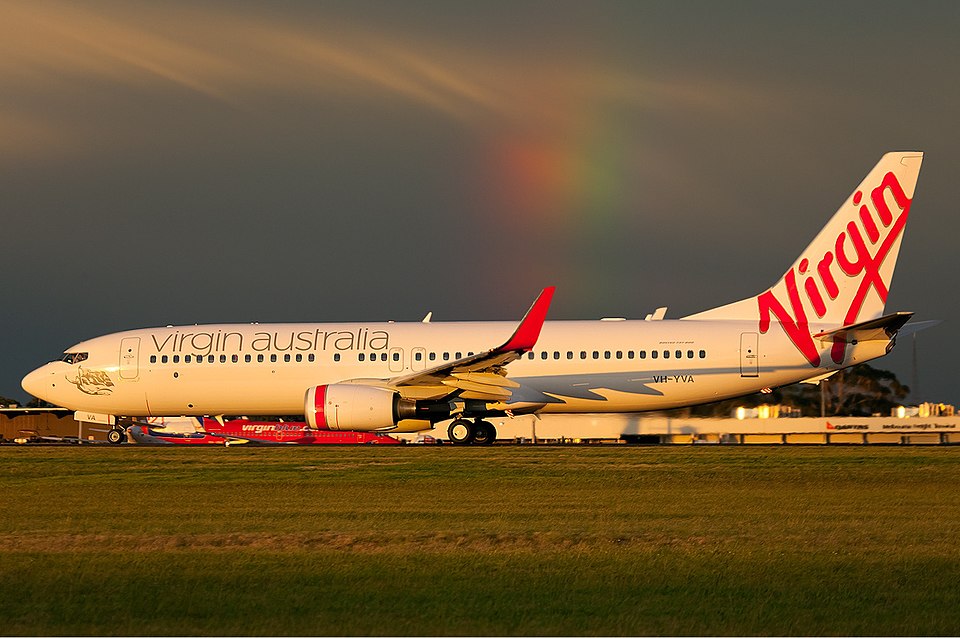
Virgin Australia flight VA328 from Brisbane to Melbourne declared an in‑flight emergency on 15 March 2026 after a passenger’s vape device ignited in the cabin, prompting a rapid response from emergency services on the ground.
The Boeing 737‑800 involved, registered VH‑YFU, landed safely at Melbourne Airport with no injuries reported.
A Routine Descent to Melbourne Interrupted
VA328 was nearing the end of its short transcontinental hop when the crew detected smoke in the cabin.
Early reports indicated that a vape device had malfunctioned and caught fire, triggering a PAN call—an internationally recognised urgency signal used when an aircraft requires assistance but is not in immediate danger.
According to Melbourne Airport, the call was made during descent, prompting emergency services to position themselves along the runway ahead of the aircraft’s arrival.
Virgin Australia later confirmed that the device had ignited onboard, producing smoke but not causing structural damage to the aircraft.
Despite the disruption, the crew maintained full control of the aircraft. The 737 touched down without further incident, taxied to the gate under its own power, and passengers disembarked normally.
Inside the Cabin: A Rapid Crew Response
While the fire was contained quickly, the incident underscores the ongoing risks posed by lithium‑ion batteries in personal electronic devices.
Vape devices, in particular, have been the subject of repeated warnings from regulators due to their susceptibility to thermal runaway—a chain reaction that can cause intense heat, smoke, and fire.
Passengers onboard reported a brief period of smoke and a noticeable smell in the cabin, though the situation was swiftly managed by the crew.
Their response aligned with standard operating procedures for onboard battery fires: isolate, extinguish, and monitor.
The professionalism of the flight attendants ensured the event remained contained and did not escalate.
The Aircraft Involved in the Melbourne Emergency: VH‑YFU “Emu Bay”
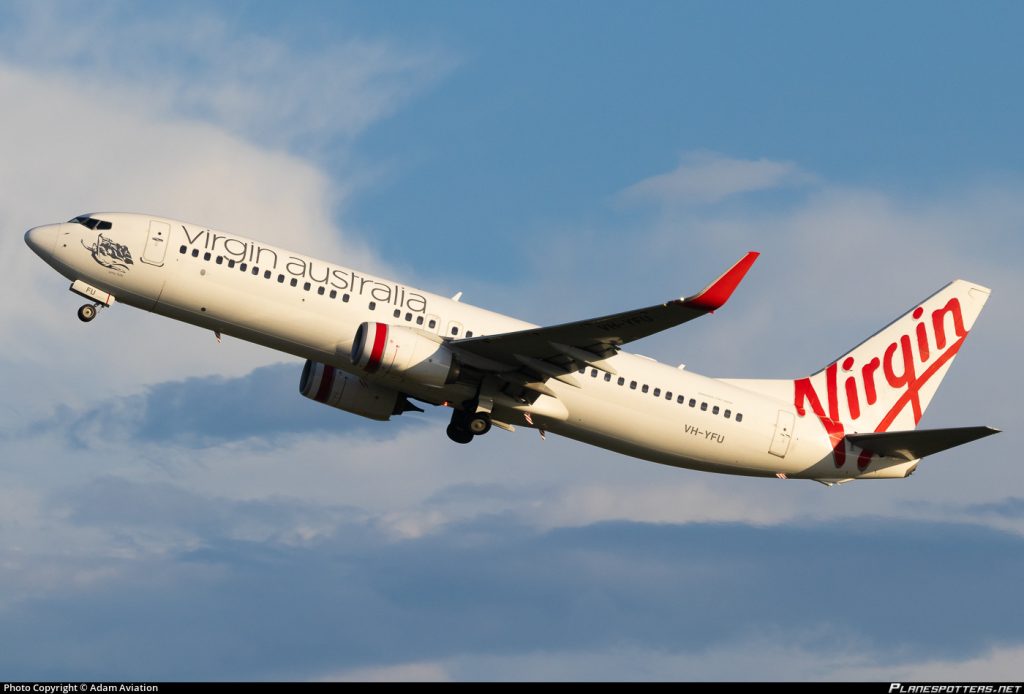
The aircraft involved, VH‑YFU, is a Boeing 737‑8FE delivered new to Virgin Australia in October 2015.
Built at Boeing’s Renton facility, the jet is now 10.5 years old and remains an active member of the airline’s domestic fleet.
VH‑YFU carries the name “Emu Bay” and is configured with C8Y174, a layout introduced in March 2026 following a cabin reconfiguration.
Prior to that, it operated in a slightly denser C8Y168 layout.
The aircraft is powered by two CFM International engines and has served exclusively with Virgin Australia since delivery, aside from periods under lease.
Its delivery routing—BFI‑LIH‑NAN‑BNE—reflects the typical Pacific ferry path for new 737s entering Australian service.
While the aircraft’s technical condition was not a factor in the incident, its history and configuration provide context for the operational environment in which the event occurred.
Flight Path and Operational Context
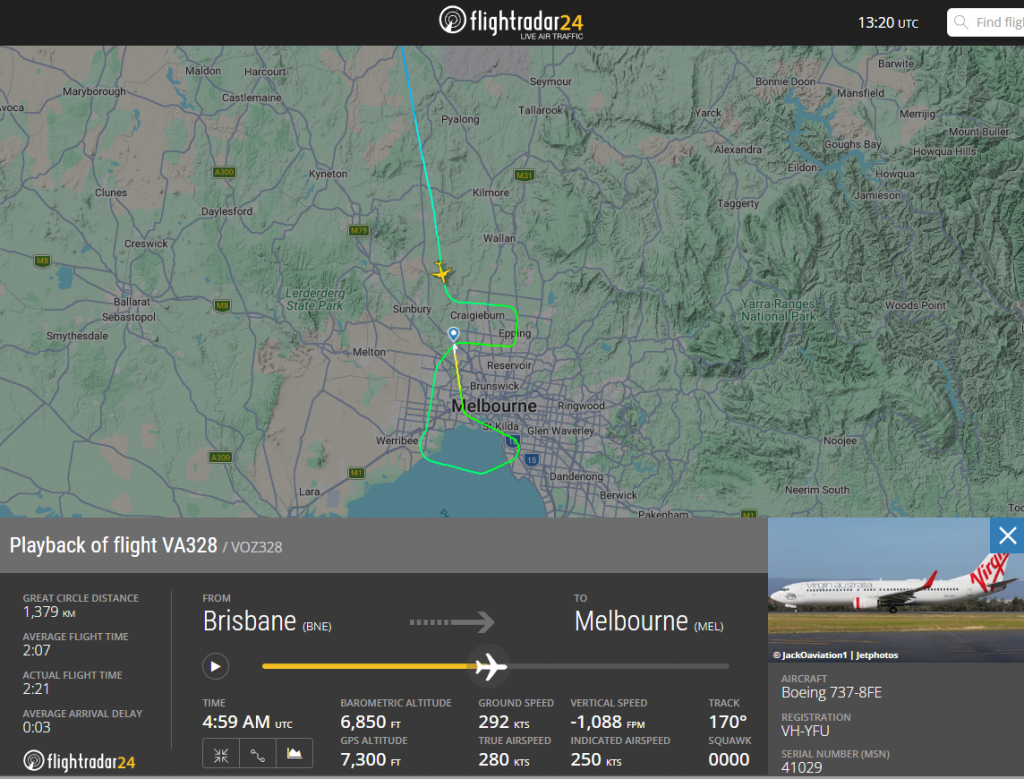
Flight tracking data for VA328 shows a standard descent profile into Melbourne before the emergency call was issued.
The aircraft continued its approach without deviation, suggesting the crew assessed the situation as contained and manageable while still warranting precautionary support on the ground.
The decision to continue to Melbourne rather than divert reflects both proximity to the destination and the crew’s confidence in the aircraft’s condition following the onboard fire.
A Growing Safety Concern
Incidents involving lithium‑powered devices have become increasingly common across global aviation.
Airlines routinely brief passengers on the risks, and regulators mandate that such devices must be carried in the cabin—not the hold—precisely so that fires can be detected and extinguished quickly.
This event reinforces the importance of those rules.
A malfunctioning device in checked baggage could have far more serious consequences.
Virgin Australia flight VA328’s mid‑air fire was a stark reminder of the challenges modern airlines face as personal electronics proliferate.
Thanks to a swift crew response and established emergency protocols, the incident ended safely, with VH‑YFU returning to service after inspection.
For passengers, it serves as a timely reminder: even small devices can pose big risks at 38,000 feet.
Continue to follow The Aviation Hub for more analysis and insight!