United Airlines Flight Diverts to Halifax With Technical Issue
 By The Aviation Hub
4 min read
By The Aviation Hub
4 min read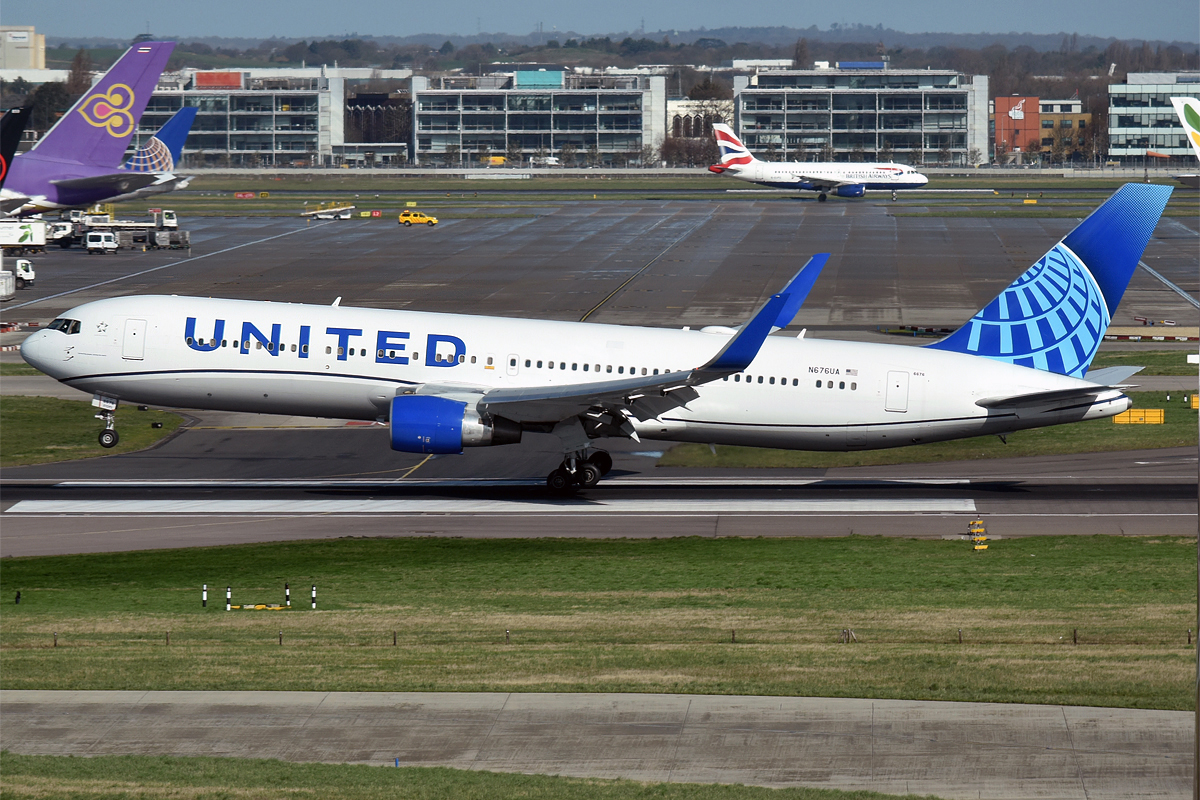
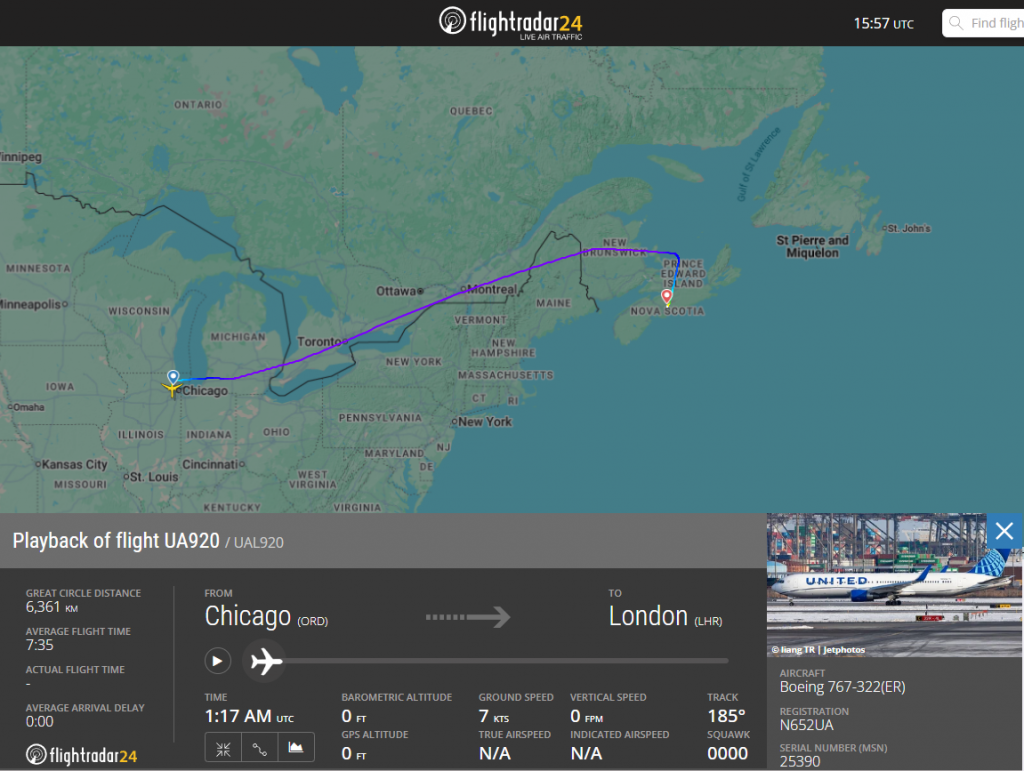
In an incident that has renewed focus on the aging fleet of United Airlines, Flight UA920 was forced to divert to Halifax Stanfield International Airport on Saturday night due to a technical issue.
The flight, which was en route from Chicago O’Hare International Airport to London Heathrow, took off at 8:14 PM CDT on May 16, 2026, but faced challenges shortly thereafter while cruising at 35,000 feet, as per AirLive.
Approximately two hours into the flight, the crew declared an emergency by squawking code 7700.
This declaration prompted air traffic control to redirect the aircraft toward Halifax, where it safely landed on Runway 23 at around 11:59 PM local time.
Remarkably, no injuries were reported among the passengers or crew, despite the urgent circumstances surrounding the diversion.
The aircraft involved in this incident was a 33-year-old Boeing 767-322ER, registered as N652UA.
Upon landing, passengers were deplaned in Halifax and faced unexpected delays as the airline organized alternate travel arrangements.
United Airlines has confirmed that the diversion was due to an unspecified technical problem requiring immediate maintenance.
They have emphasized that safety remains the utmost priority while technicians conduct an evaluation of the aircraft.
This latest incident has intensified scrutiny on United Airlines’ reliance on its older Boeing 767 fleet.
In recent months, aviation monitoring platforms have noted a series of technical difficulties affecting these particular models, raising concerns about the operational safety and reliability of older aircraft in commercial service.
Background to the Incident in Halifax…
The diversion of Flight UA920 is not an isolated case but part of a larger trend involving United Airlines’ aging fleet of Boeing 767 aircraft.
While these planes, which have been in service for over three decades, have proven to be workhorses for many airlines, their age raises questions about the frequency and nature of the mechanical issues they encounter.
As airlines worldwide begin to modernize their fleets with newer, more efficient aircraft, older models like the Boeing 767 are facing increasing scrutiny.
United Airlines has yet to disclose specific details regarding the nature of the technical issue that led to the emergency landing.
However, they have reaffirmed their commitment to passenger safety, stating that maintenance teams will thoroughly inspect the aircraft before it can return to service.
The reliance on older models has been a point of contention for aviation regulators and safety advocates, who argue that as aircraft age, the likelihood of issues arising increases significantly.
It’s worth noting that Boeing 767s have played a vital role in transatlantic travel for decades, but the aging fleet poses challenges for airlines in terms of maintenance and operational reliability.
Recent reports indicate a pattern of technical issues with older aircraft across the industry, prompting airlines to take a closer look at the long-term viability of their fleets.
As the aviation industry continues recovering from the disruptions caused by the pandemic, decisions regarding fleet upgrades and replacements are becoming increasingly critical.
Airlines must balance cost considerations with safety and reliability in their operational strategies, especially for long-haul routes that demand the utmost performance from their aircraft.
Significance and Outlook Following Incident…
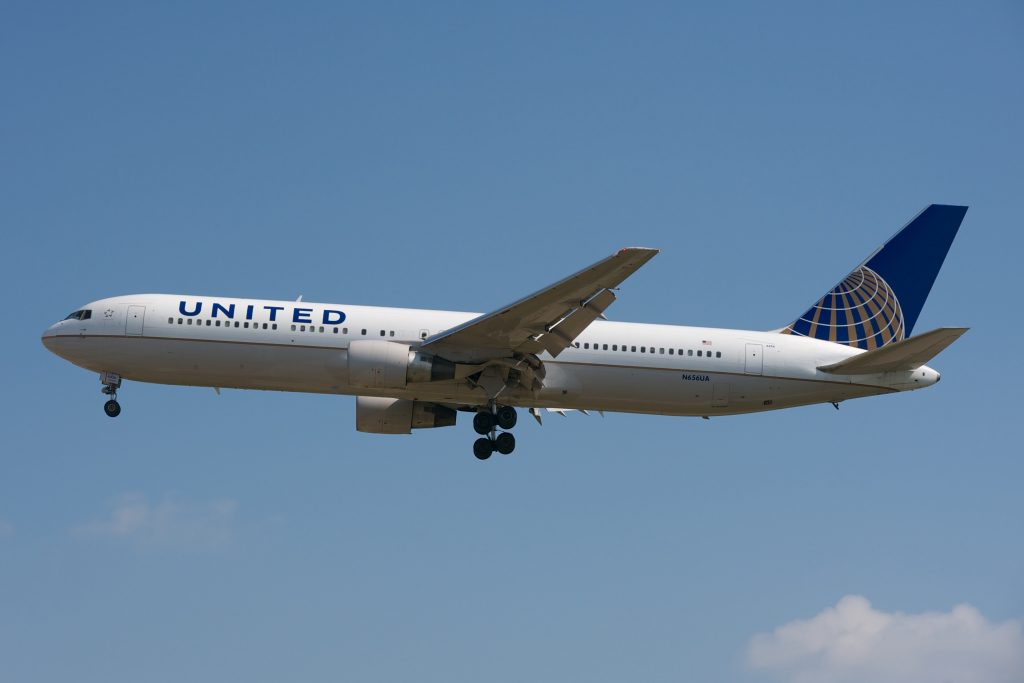
The emergency landing of Flight UA920 serves as a reminder of the ongoing challenges faced by airlines operating older aircraft.
The situation has sparked discussions about the implications of aging fleets on safety standards and passenger confidence in air travel. With travelers increasingly concerned about safety, airlines like United must address these issues proactively.
In response to the incident, United Airlines has reiterated its commitment to safety, emphasizing that maintenance protocols will be followed rigorously.
The airline is expected to evaluate its fleet management strategy as it assesses the long-term viability of its older aircraft.
The public’s reaction to such incidents can heavily influence airline reputations, making it paramount for United to handle this situation transparently and effectively.
As the aviation sector looks to the future, the focus will likely shift towards modernization, with airlines exploring newer aircraft that offer enhanced safety features and fuel efficiency.
The emergence of electric and hybrid models could also reshape the landscape, providing airlines with more sustainable options for their fleets.
Ultimately, the incident involving Flight UA920 highlights the delicate balance between operational efficiency and passenger safety.
As airlines navigate these challenges, they must prioritize the well-being of their passengers while adapting to the evolving demands of the aviation industry.
Continue to follow The Aviation Hub for more analysis and insight!