Boeing Has Built 20 777X Aircraft Before Certification: Here’s Why
 By The Aviation Hub
4 min read
Updated May 17, 2026
By The Aviation Hub
4 min read
Updated May 17, 2026 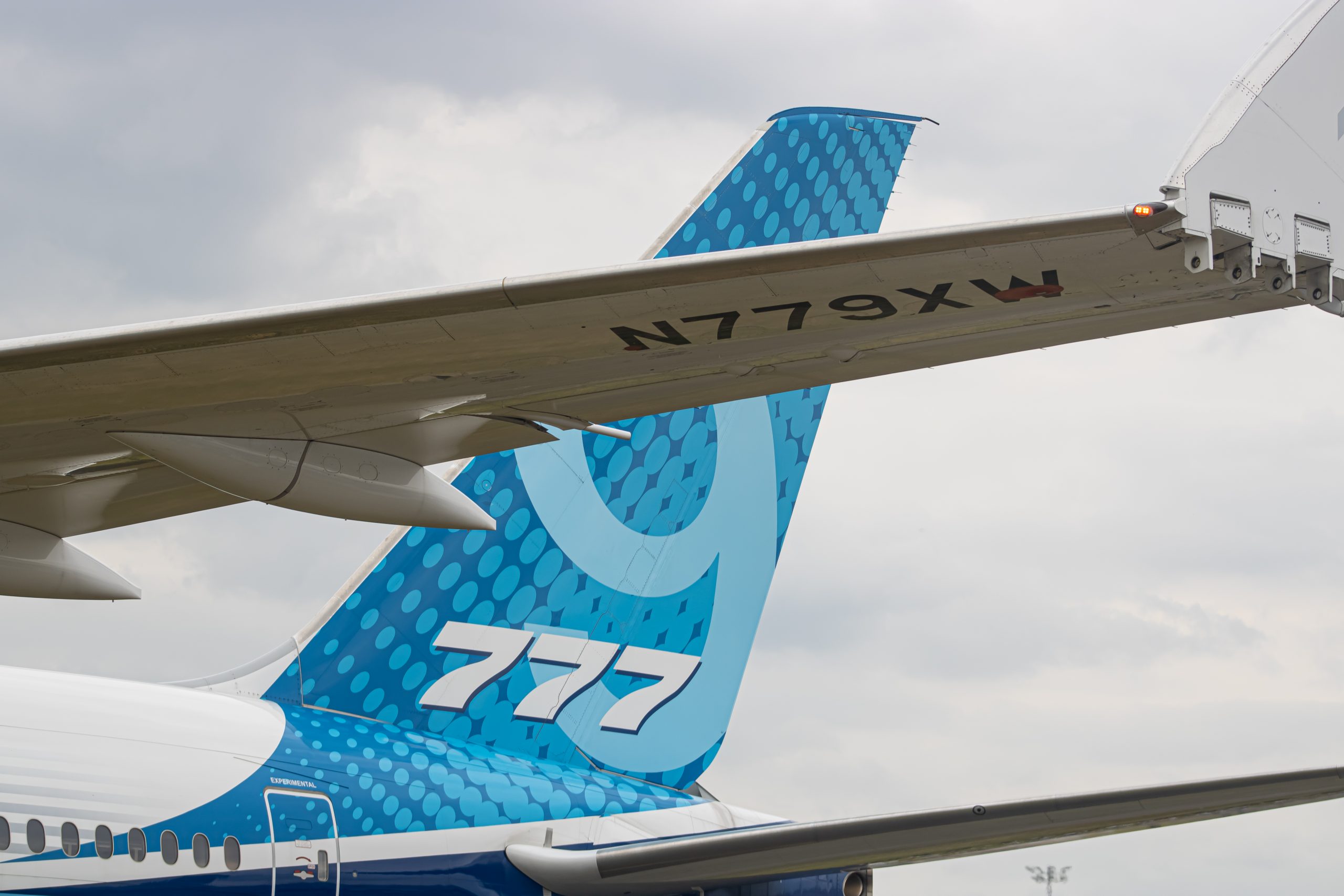
Boeing has made headlines with its ambitious decision to build more than 20 units of its 777X aircraft, despite the fact that the model has yet to receive official certification.
This strategic move has sparked discussions across the aviation industry regarding the implications of producing an aircraft ahead of regulatory approval.
The company is optimistically positioning itself for future demand, even as it navigates the complex labyrinth of certification processes with the Federal Aviation Administration (FAA).
The 777X program, which encompasses the 777-9 and 777-8 variants, aims to deliver enhanced efficiency and increased passenger capacity.
Boeing’s confidence in the aircraft’s design and performance is evident, as the manufacturer has invested significant resources into the development of this next-generation widebody.
More than just a bet on future orders, the decision to construct these aircraft ahead of certification is also a calculated risk that reflects Boeing’s commitment to staying ahead in a competitive market.
In light of the ongoing challenges with regulatory approvals, including delays and additional scrutiny following the 737 MAX incidents, Boeing’s decision raises questions about its production strategy.
By building these planes in advance, the manufacturer hopes to meet demand as soon as certification is granted, allowing airlines to quickly integrate the 777X into their fleets.
However, this approach also involves the risk of incurring costs for aircraft that may need to be modified or adjusted based on FAA feedback.
Boeing’s proactive stance can be interpreted as a response to the growing demand for long-haul, fuel-efficient aircraft.
Airlines are increasingly looking to modernize their fleets, and the 777X is poised to meet these needs with its advanced technology and improved aerodynamics.
With the global aviation market gradually recovering from the pandemic, the timing of these aircraft deliveries could be crucial for airlines looking to expand their operations.
Background to the Boeing 777X program
The Boeing 777X program was unveiled to much fanfare, promising significant advancements over its predecessors.
The 777-9, the first variant set to enter service, boasts a range of up to 7,290 nautical miles and can carry more than 400 passengers in a typical two-class configuration.
This new aircraft incorporates cutting-edge materials and technology, including composite wings that fold for improved aerodynamics.
However, the journey towards certification has been lengthy and fraught with challenges.
Boeing has faced numerous hurdles, including the need for extensive testing and compliance with updated safety regulations.
The FAA’s rigorous scrutiny following the 737 MAX crisis has added layers of complexity to the certification process, resulting in delays that have frustrated both Boeing and its potential customers.
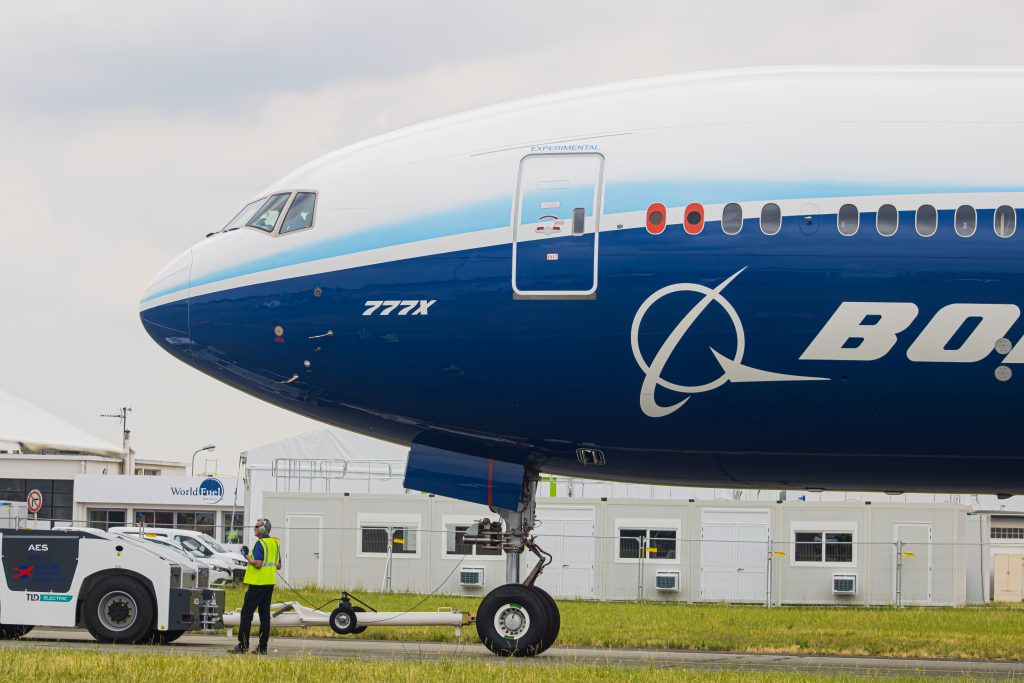
Despite these obstacles, Boeing has maintained a forward-looking approach by building the 777Xs in anticipation of a robust recovery in air travel.
The company believes that the demand for long-range travel will rebound, especially as airlines seek to optimize their fleets for efficiency and sustainability.
By producing aircraft ahead of certification, Boeing aims to position itself advantageously in a market that is expected to rebound strongly.
The decision to manufacture these planes has also been influenced by the competitive landscape.
With rival manufacturers like Airbus ramping up production of their A350 models, Boeing’s strategic move underscores its commitment to regaining market share.
This proactive manufacturing approach might help Boeing secure valuable contracts as airlines look to expand their fleets post-pandemic.
The implications of early production
The implications of Boeing’s decision to build the 777X ahead of certification are multifaceted.
On one hand, this strategy could expedite the delivery timeline once the aircraft finally receives FAA approval, allowing airlines to respond swiftly to market demands.
On the other hand, it also opens up potential challenges related to financial investments and manufacturing risks.
With over 20 aircraft already in the production line, Boeing faces the possibility of needing to make adjustments if regulations change during the certification process. While the company has expressed confidence in the design, the reality of regulatory compliance could lead to unexpected costs and delays.
The balance between innovation and compliance remains a delicate one for Boeing, which is keenly aware of the stakes involved in aircraft certification.
Furthermore, this decision reflects broader trends in the aviation industry, where manufacturers are increasingly focused on sustainability and efficiency.
The 777X’s design is intended to reduce fuel consumption and emissions, aligning with global aviation goals to lower the environmental impact of air travel.
As airlines continue to prioritize eco-friendly options, the 777X could provide a competitive advantage once it enters service.
In conclusion, Boeing’s choice to build over 20 777Xs before certification is a bold but calculated gamble.
The company is betting on a market recovery that aligns with the aircraft’s capabilities, while also navigating the complexities of regulatory approval.
As the aviation landscape evolves, the significance of this decision will be closely watched by industry stakeholders and analysts alike.
Continue to follow The Aviation Hub for more analysis and insight!
Advertise with us Your brand, in front of an aviation audience Home page and in-article placements, sold directly, one advertiser per slot. From £250 a year. See the rates