American Airlines Launches Airbus A321XLR Next Week: What You Need to Know
 By The Aviation Hub
6 min read
By The Aviation Hub
6 min read
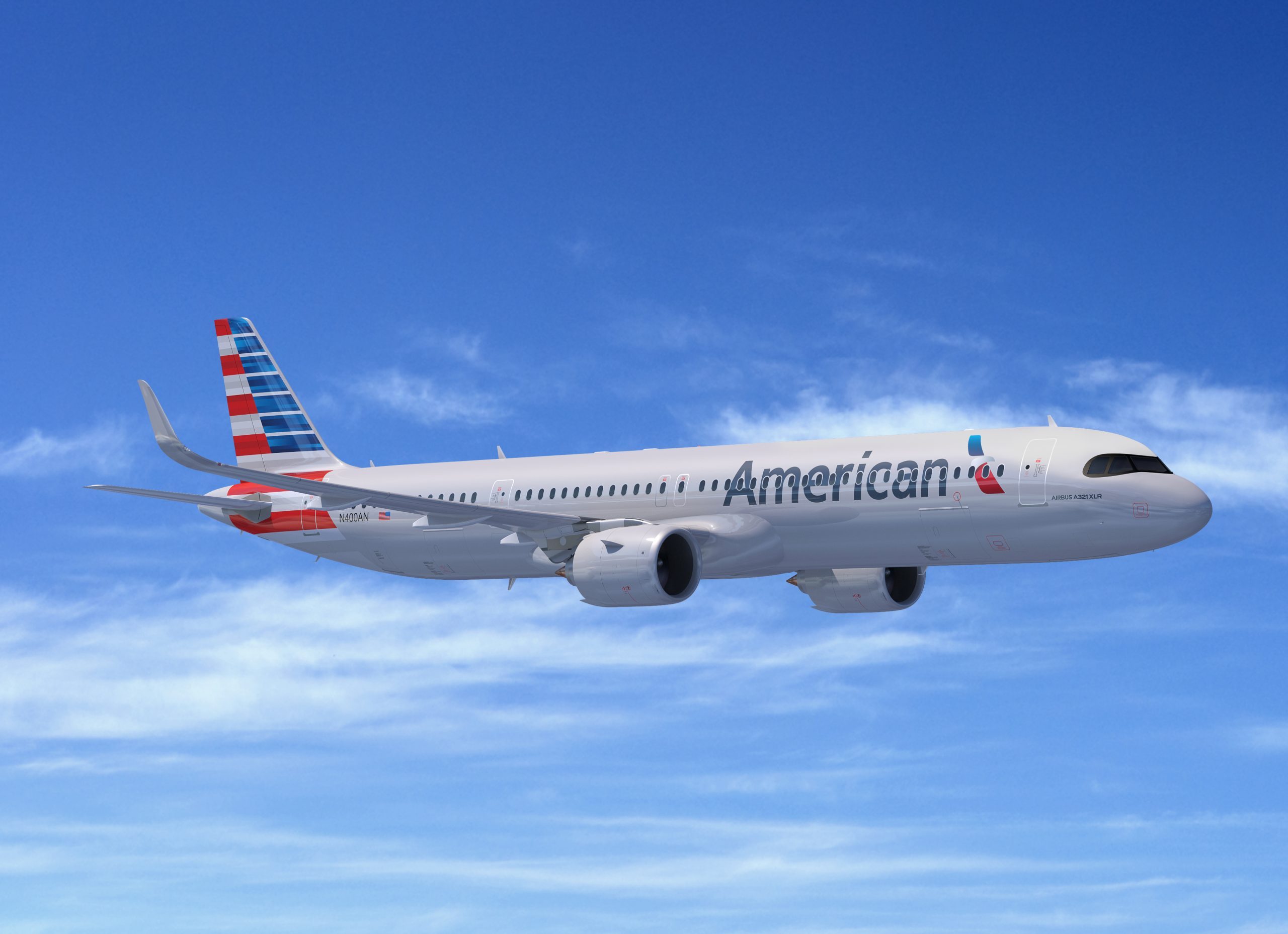
American Airlines will be launching the Airbus A321XLR into their operational fleet next week from New York. What do we know on this so far?
This marks the next generation in aircraft operations for the carrier, and there is already a strategy in place for it’s deployment.
In terms of this strategy, it is very clear how important this aircraft will be to the airline as they receive more units of the type in the years to come.
Furthermore, this has been over five years in the making, following the airline’s order for 50 of them back in June 2019, where they converted 30 existing A321neo slots to the A321XLR and purchased 20 new.
The First Airbus A321XLR for American Airlines: N303NY
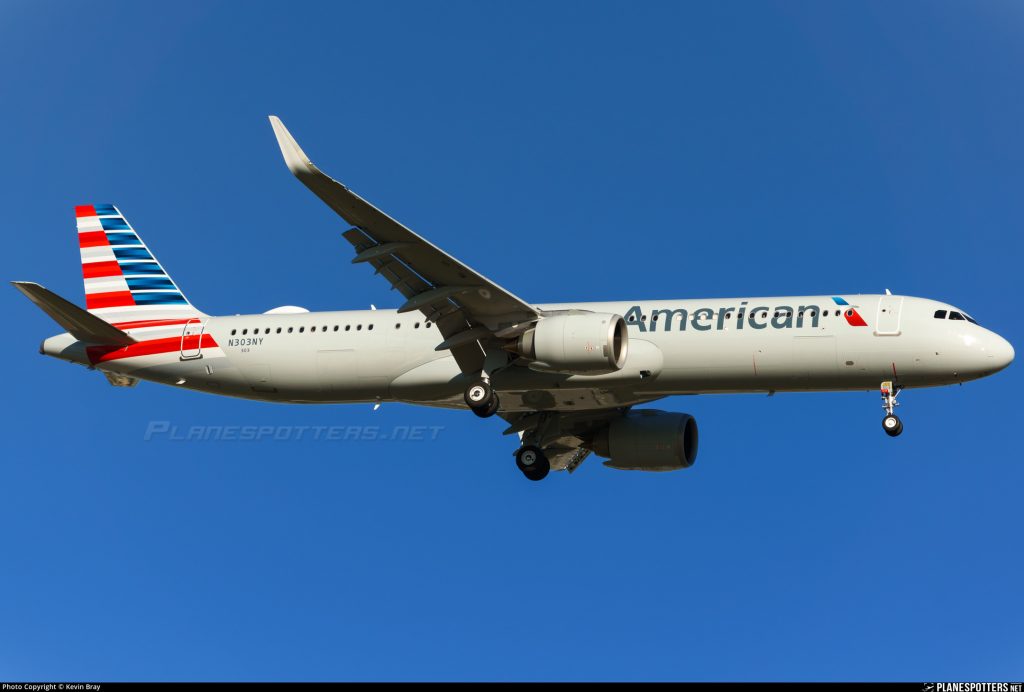
N303NY, an apt registration for the planned operations from New York, is the first and only Airbus A321XLR in the American Airlines fleet so far. 49 more to go!
As per data from Planespotters.net, N303NY was delivered to the carrier on October 21, via a ferry flight between Hamburg and it’s mega-hub of Dallas Fort Worth International Airport.
This aircraft has 20 seats in Business, 12 seats in Premium Economy, with the other 123 in Standard Economy.
It is understood that the next batch of seven aircraft to be delivered in the coming months will be registered as:
- N300NY
- N301NY
- N302NY
- N304NY
- N305NY
- N306XR
- N313NY
A lot of the registrations have “NY” at the end of this, which is quite apt given the fact the operation will begin out of New York JFK.
Although, it is key to note it could be to do with the fact that the official name of the aircraft is the Airbus A321-253NY XLR. We will let you read into that how you will.
But it is clear that deliveries of this aircraft are expected to ramp-up, as some of the undelivered frames have already been spotted on the production line at Airbus’ Hamburg plant.
The Plan for Initial Operations…

The initial plans for the American Airlines Airbus A321XLR will be the New York JFK-Los Angeles transcontinental route.
When this flight launches imminently, they will become the first U.S airline to operate the XLR that’s capable of flying from the East Coast US to mainland Europe on one tank of fuel, as well as from the South (Dallas for example), into South America.
It is understood that the flights will begin between December 18-20, but could be a bit earlier in the week, as per @xJonNYC.
Furthermore, the insider said that once the JFK-LAX flight is well underway utilising the Airbus A321XLR, JFK to San Francisco will then launch in the Spring 2026 period.
Moving further afield out of the U.S, it is understood that the first transatlantic service utilising the aircraft will be New York JFK to Edinburgh, taking on JetBlue directly in that space, as per View From The Wing.
The piece also notes that there are further plans to add flights into secondary cities across Europe as well, as into secondary cities in Brazil and in other parts of South America as well.
It also looks like there are conversations ongoing in terms of how they will distribute these 50 Airbus A321XLRs that will eventually be in the American Airlines fleet. Could there be scope for these long-haul flights in areas such as Dallas, Philadelphia, Charlotte and others?
Market Insight: American Airlines Airbus A321XLR: An Important Aircraft for the Airline?
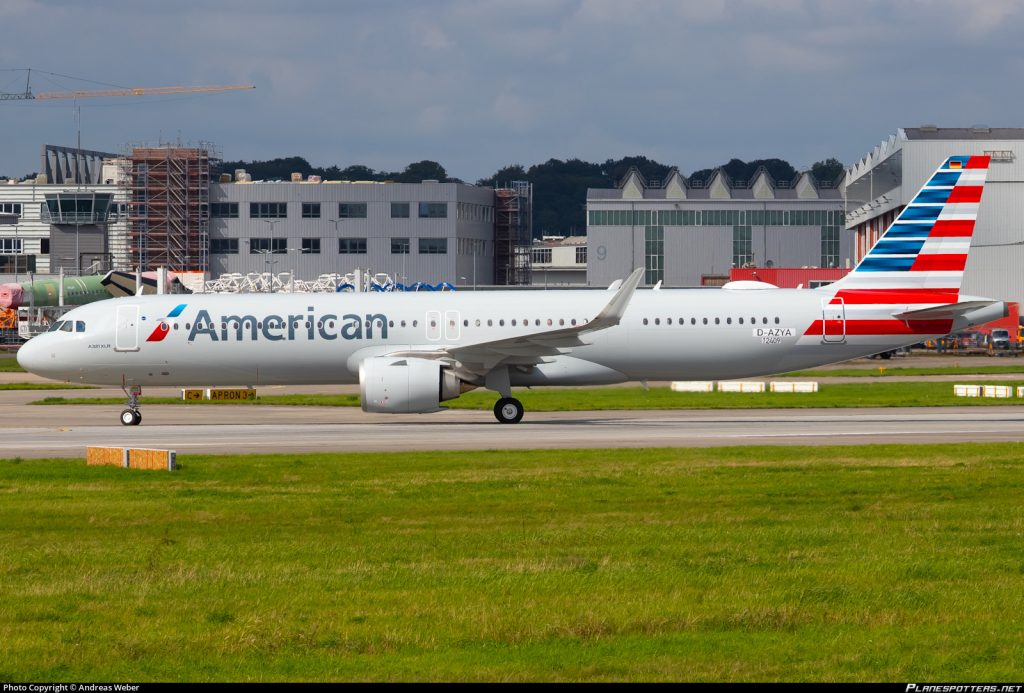
The Airbus A321XLR will play a strategically important role in American Airlines’ future fleet and network planning, delivering benefits across technical, economic, and geographic dimensions.
With an order for 50 aircraft, American is positioning the A321XLR as a key tool to modernize its long-haul narrowbody operations and enhance competitiveness.
Technically, the A321XLR represents a major leap in narrowbody aircraft capability.
It offers a range of up to around 4,700 nautical miles, significantly more than previous A321 variants. There has been concerns about the range, however, with the furthest the plane has flown commercially is with Iberia from Madrid to San Juan, which comes in at 3,448 nautical miles.
This extended range is enabled by aerodynamic refinements, a new integrated rear center fuel tank, and improved engine efficiency.
For American Airlines, this means the ability to operate long-haul routes that were previously impractical with single-aisle aircraft.
The A321XLR also benefits from modern avionics, reduced fuel burn per seat, and lower noise and emissions compared to older widebody aircraft such as the Boeing 757.
Additionally, cockpit commonality with other A320-family aircraft allows American to simplify pilot training and maintenance, improving operational flexibility and reliability.
From an economic perspective, the A321XLR offers compelling cost advantages. Compared to widebody aircraft, it has significantly lower trip costs while still offering enough range to serve transatlantic and deep Latin American routes.
This allows American Airlines to profitably operate routes with lower or more seasonal demand, where a widebody might be too large to be economically viable.
The aircraft’s fuel efficiency also reduces exposure to volatile fuel prices, while lower maintenance and crew costs further improve margins.
Importantly, the A321XLR enables American to experiment with new routes at lower financial risk, supporting a more agile network strategy.
It also allows the airline to right-size capacity, improving load factors and yield management while maintaining a premium long-haul product.
Geographically, the A321XLR is particularly well suited to American Airlines’ network strengths.
From its East Coast hubs such as New York (JFK), Boston, Miami, and Philadelphia, the aircraft can reach a wide range of destinations across Europe, Central America, northern South America, and even parts of Africa.
This enables American Airlines to expand point-to-point services that bypass congested hubs, offering passengers more nonstop options utilising the Airbus A321XLR.
For example, thinner transatlantic routes to secondary European cities become viable, strengthening American’s competitive position against both European legacy carriers and low-cost long-haul operators.
In Latin America and the Caribbean, the A321XLR supports American’s already dominant regional presence by extending reach while maintaining frequency and cost efficiency.
Looking Ahead…
In conclusion, the imminent entry of the Airbus A321XLR into American Airlines’ fleet represents far more than the launch of a new aircraft type — it signals a fundamental shift in how the airline plans to grow and compete over the next decade.
After more than five years of planning, the arrival of N303NY marks the first tangible step in a long-term strategy that blends efficiency, flexibility, and network ambition.
By deploying the A321XLR initially on high-profile transcontinental routes and later expanding into transatlantic and deep Latin American markets, American is positioning itself to unlock new opportunities that were previously uneconomical or operationally constrained.
The aircraft’s combination of extended range, lower operating costs, and premium cabin capability allows the airline to right-size capacity, open thinner long-haul routes, and directly challenge competitors in key markets — all while reducing financial risk.
As deliveries ramp up and more frames join the fleet, the true impact of the A321XLR will become increasingly clear.
Whether enabling new nonstop connections from secondary U.S. hubs, strengthening American’s transatlantic presence from New York, or reshaping its Latin American network, this aircraft is set to become a cornerstone of the airline’s future.
For American Airlines, the Airbus A321XLR is not just a new jet — it is a strategic enabler of the next chapter in its global network evolution.
Continue following The Aviation Hub for more analysis and insight!