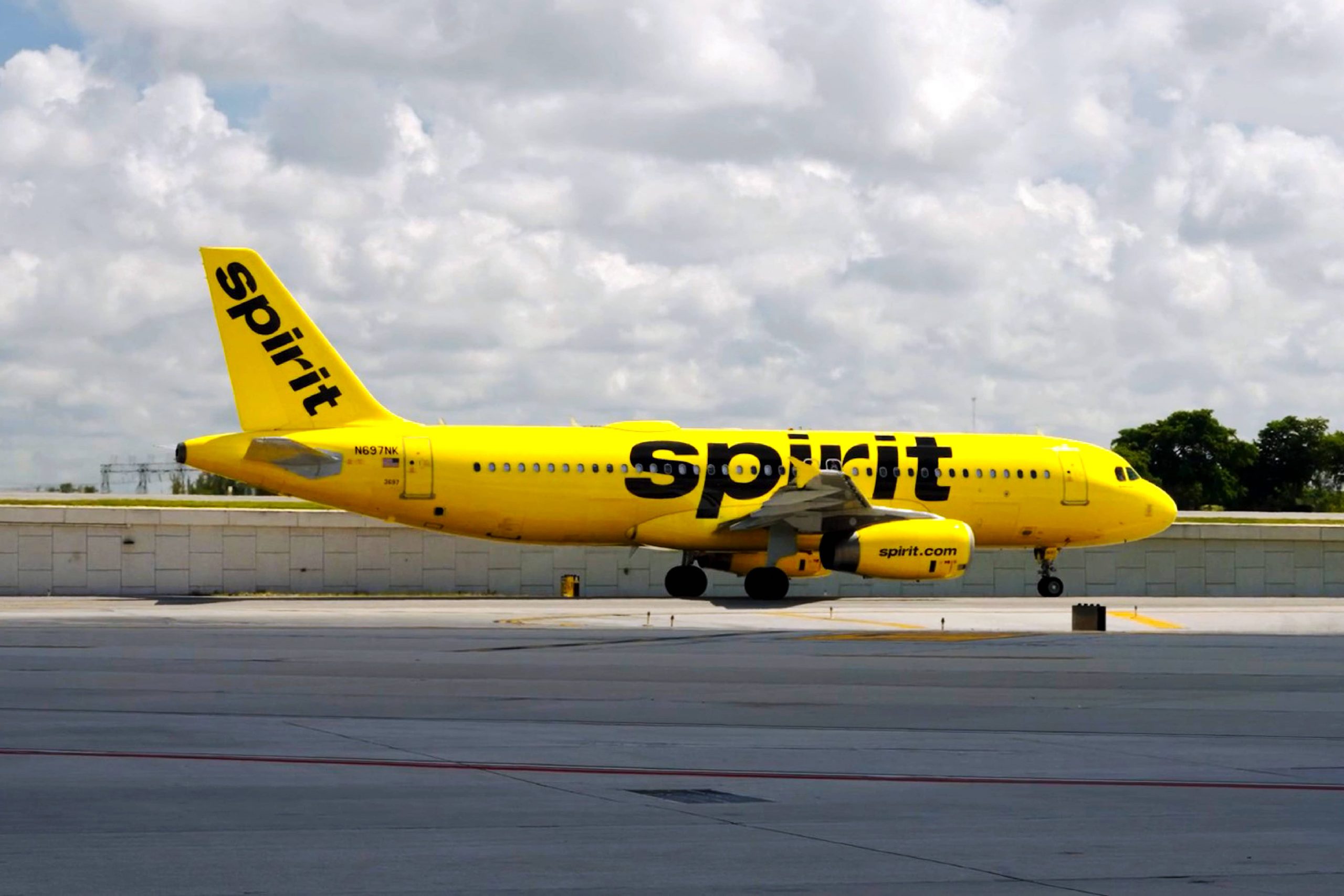
Spirit Airlines has averted crisis for now through a $100m financing reprieve, giving the airline some further longevity.
Over the last week, the future of the airline had been in serious jeopardy, as their financial situation has worsened over the course of this year.
This reprieve comes with some stipulations, and some things that the airline will have to do to provide a better future for itself long-term.
Spirit Airlines’ $100m Deal With Creditors…
Spirit Airlines reached an agreement today (December 15) with it’s senior secured noteholders to amend it’s debtor-in-possession credit agreement.
It is understood that a third round of funding to the tune of $100 million will be fulfilled today.
However, only $50m of that is useable by the airline immediately, with the remaining $50m being subject “to previously agreed conditions that relate to further progress on a standalone plan of reorganization or a strategic transaction”.
It is understood that Spirit Airlines is in continued negotiations on the above point made, with further news to be revealed in due course.
The carrier has made significant changes in the last 60 days, which includes new agreements for its pilots and flight attendants, and has dramatically repositioned their fleet and cost structure.
Commenting further on this was Dave Davis, the Spirit Airlines President & CEO:
“We are grateful to our lenders for continuing to support Spirit’s transformation, recognizing all the significant progress our team has made in recent months”.
“We continue to provide high-value travel options, which benefit American consumers whether they fly with us or not, and look forward to welcoming our Guests aboard throughout this holiday season and into the future.”
“I want to thank our Pilots, Flight Attendants and the entire Spirit team for taking such great care of our Guests and continuing to deliver a world-class operation we all take pride in”.
Where Next for the Airline?
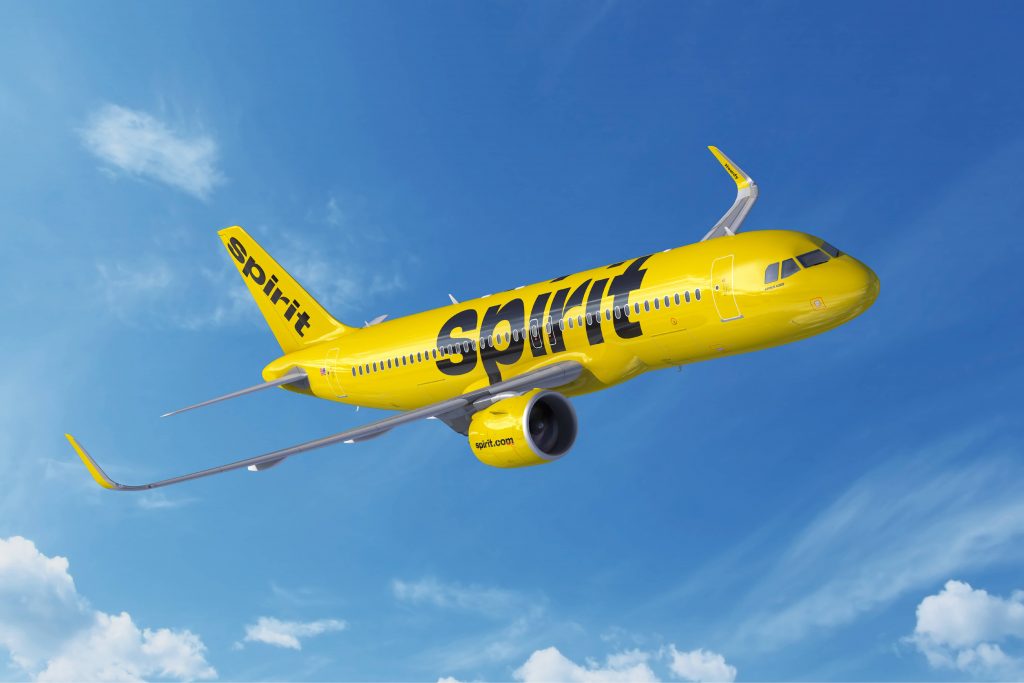
Spirit Airlines has advanced its Chapter 11 restructuring by amending its debtor-in-possession (DIP) credit agreement, securing access to up to $100 million in incremental liquidity to support near-term operations while negotiations continue.
The amendment provides $50 million of immediate availability, with the remaining tranche contingent upon Spirit demonstrating measurable progress toward either a standalone plan of reorganization or a strategic transaction, reflecting a creditor posture increasingly common in recent airline restructurings that prioritizes milestone-based funding and timeline certainty.
Similar structures were seen in the Chapter 11 cases of LATAM, Avianca and Frontier, where lenders tied liquidity to labor agreements, fleet rationalization and a clear path to confirmation rather than open-ended cash support.
The additional liquidity is intended to stabilize Spirit’s cash position amid elevated cost pressures, ongoing network optimization and competitive pricing in the U.S. ultra-low-cost segment, while preserving full operational continuity.
Spirit continues to operate its schedule normally and has cited recent milestones such as the ratification of new labor agreements with its pilot and flight attendant groups—an approach consistent with labor-first restructuring strategies used by other carriers to reduce execution risk and protect enterprise value.
These agreements also improve visibility for lessors and creditors evaluating Spirit’s post-emergence cost base.
From a fleet and leasing perspective, the DIP amendment signals a near-term commitment to maintaining aircraft in service, which is likely to reduce the risk of large-scale near-term repossessions.
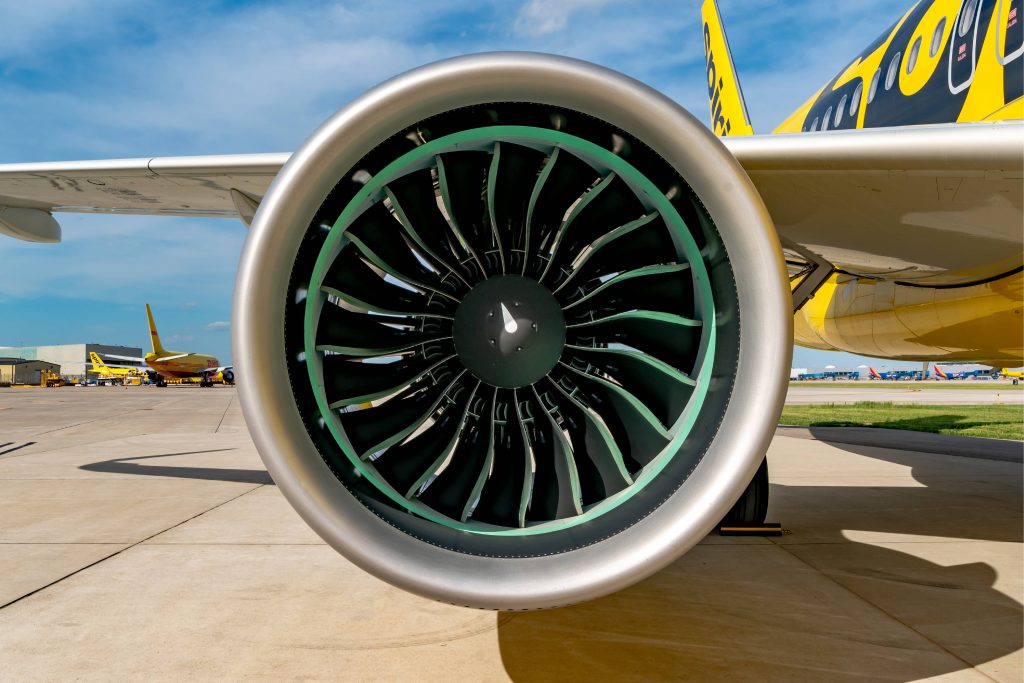
However, lessors remain focused on Spirit’s longer-term fleet plan, particularly around Airbus A320neo family utilization, engine availability challenges and potential lease rejections or renegotiations as part of a confirmed restructuring plan.
As seen in other airline bankruptcies, lessors may face pressure to accept rate reductions, power-by-the-hour arrangements or lease extensions in exchange for continued placements, while older or higher-cost aircraft could be candidates for early exit depending on network and cost assumptions.
In the weeks ahead, Spirit will continue negotiations with creditors, lessors and labor groups, while seeking required bankruptcy court approvals to satisfy DIP milestones and unlock additional funding.
The outcome of these discussions will be closely watched across the aircraft leasing and secondary market, as Spirit’s restructuring could influence narrowbody demand dynamics, lease rate benchmarks and redeployment opportunities in a market where new-delivery delays and engine constraints continue to shape fleet decisions.
Overall…
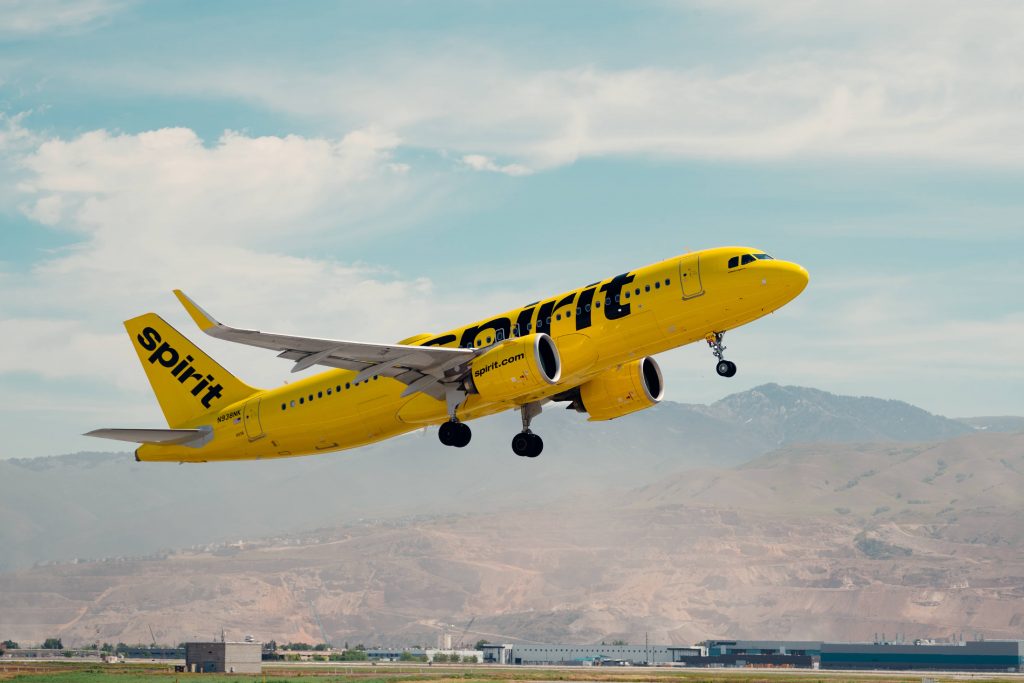
It is clear that Spirit Airlines’ road to recovery is still ongoing, but there is a small glimmer of light at the end of the tunnel currently.
The amended DIP financing provides the airline with critical near-term liquidity and, just as importantly, a structured runway to demonstrate progress toward a viable post-Chapter 11 outcome.
While significant execution risk remains—particularly around cost control, fleet strategy and competitive positioning in a saturated U.S. low-cost market—the combination of stabilized labor relations, continued operational continuity and conditional access to additional funding suggests Spirit is moving from crisis management toward restructuring execution.
For creditors, lessors and industry stakeholders, the coming months will be decisive in determining whether Spirit can translate incremental liquidity and restructuring milestones into a sustainable long-term platform, or whether further consolidation or asset rationalization will ultimately be required.
Continue to follow The Aviation Hub for more analysis and insight!
Advertise with us Your brand, in front of an aviation audience Home page and in-article placements, sold directly, one advertiser per slot. From £250 a year. See the rates