Boeing 737 MAX Gets Production Boost: What This Means
 By The Aviation Hub
7 min read
Updated May 31, 2026
By The Aviation Hub
7 min read
Updated May 31, 2026 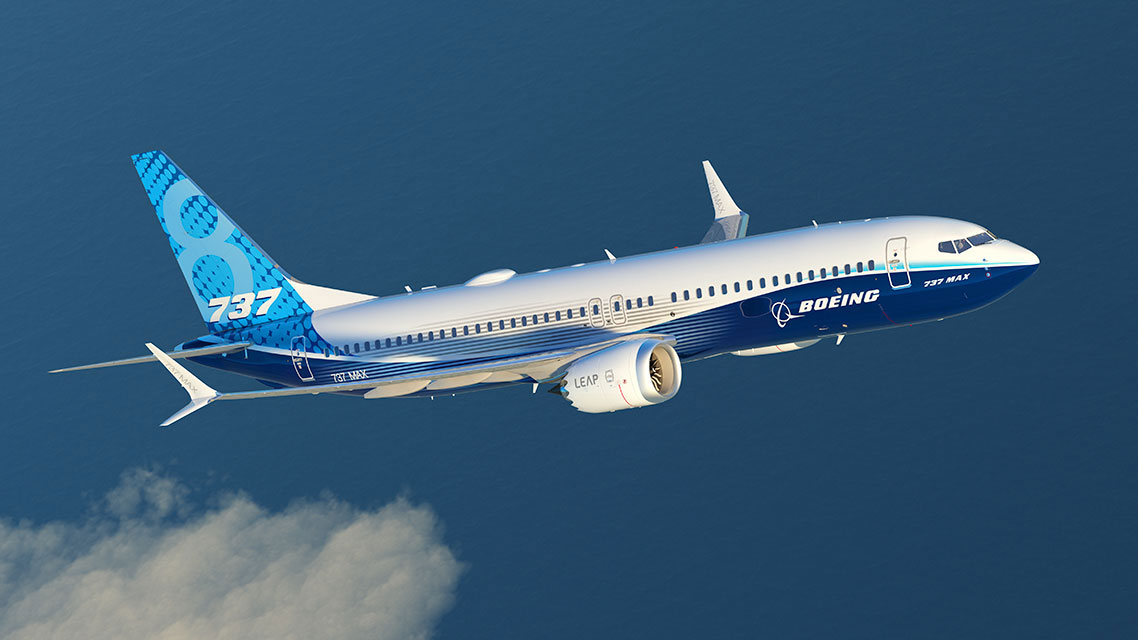
For the first time in years, Boeing finds itself delivering genuinely good news to an industry that has grown accustomed to setbacks from the American manufacturer.
On May 27, 2026, at the Bernstein Annual Strategic Decisions Conference in New York, Boeing CEO Kelly Ortberg confirmed that the company had passed a capstone review for a rate of 47 aircraft per month with the Federal Aviation Administration.
The regulator’s endorsement marks a significant milestone, not just in numbers, but in the relationship between Boeing and the agency that once placed it under some of the tightest manufacturing scrutiny in commercial aviation history.
The FAA’s backing did not come quietly either. Administrator Bryan Bedford personally voiced his support for the ramp up from 42 to 47 aircraft per month, telling Reuters that the agency was “absolutely comfortable” with the move.
Bedford went further, suggesting that continued rate increases could be expected within the next 30 to 90 days.
For a regulator that imposed strict production caps on Boeing just two years ago, this level of vocal encouragement is striking, and it tells a story of a manufacturer that is genuinely rebuilding trust with its oversight body.
It is worth recalling just how constrained Boeing had become. In early 2024, following the Alaska Airlines Flight 1282 incident, in which a door plug blew out of a 737 MAX 9 mid flight, the FAA moved swiftly to cap production at 38 aircraft per month.
The cap was not merely a symbolic gesture.
It was a direct intervention in Boeing’s manufacturing pipeline, designed to force the company to slow down, address systemic quality control failures, and prove it could build aircraft safely before being allowed to scale back up.
By October 2025, the FAA had lifted that initial restriction to allow production to rise gradually to 42 jets per month.
Now, just months later, the regulator has approved another step upward to 47. The pace of these approvals reflects meaningful progress on Boeing’s part.
What The Increase Means for Boeing and The 737 MAX Program…
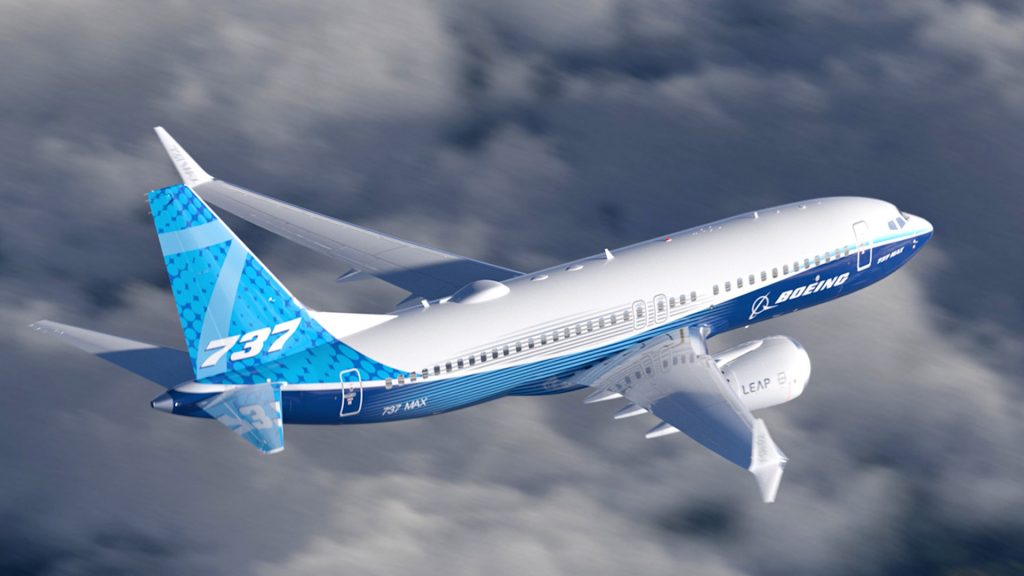
The practical significance of moving from 42 to 47 aircraft per month should not be underestimated.
At current list prices, each additional 737 MAX delivered represents tens of millions of dollars in revenue.
Across a full year, a sustained rate of 47 aircraft per month translates to roughly 564 aircraft annually, compared to around 504 at the previous rate.
That is a meaningful difference for a company that has been burning through cash and working to reduce a substantial backlog of undelivered aircraft that built up during the production freeze and subsequent constrained period.
Boeing CEO Kelly Ortberg, who has brought a steady and credible hand to the company since taking the role, made clear that 47 is not the destination.
His stated ambition is to reach 52 aircraft per month in the near term, with a longer term aspiration of reaching 63 per month.
The mention of 63 is particularly notable, as that figure would represent a step change in the programme’s output, requiring not just a smooth Renton production line but also the successful opening of the new North Line facility in Everett, Washington.
That fourth 737 MAX production line, the first time Boeing will build the narrowbody outside of its traditional Renton home, is due to open this year and will be central to achieving those higher rate ambitions.
Beyond the production numbers, the rate increase carries important signals for Boeing’s airline customers and its competitive position against Airbus.
The 737 MAX and the A320neo family have been in a prolonged contest for narrowbody dominance, and Boeing’s production struggles over the past two years have handed Airbus a meaningful advantage in delivery timelines.
Every step Boeing takes toward normalising and then growing its output narrows that gap and reassures airlines placing future orders that Boeing can be a reliable industrial partner once again.
The pending certifications of the MAX 7 and MAX 10 variants add further commercial weight to this production story.
FAA Administrator Bedford indicated that the MAX 7 is expected to receive certification this summer, with the MAX 10 to follow before the end of the year.
Both variants have been subject to prolonged certification delays, with the MAX 10 in particular spending years in regulatory limbo.
Their approval would open new market segments for Boeing, giving airlines options at both the lower and upper ends of the 737 MAX family and strengthening the programme’s overall competitive offering.
Are Boeing Now on the Correct Track with the Program?
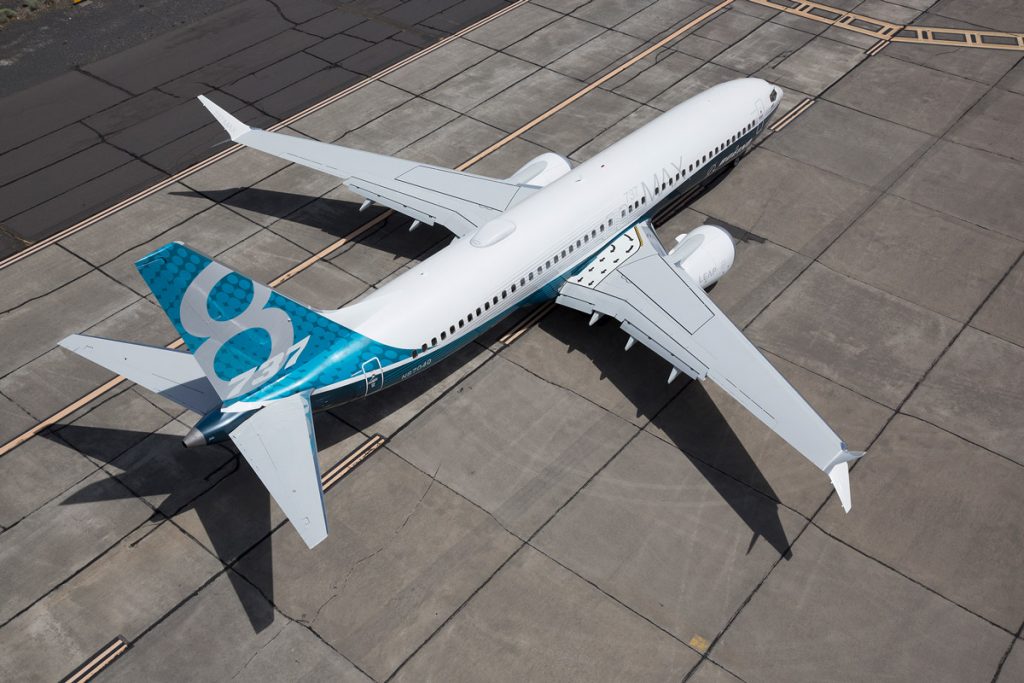
The honest answer, based on available evidence, is a cautious but genuine yes.
Boeing is not out of the woods entirely, and the scars of the past several years, from the two fatal crashes of the 737 MAX 8 in 2018 and 2019, to the 2024 door plug incident, to the prolonged regulatory scrutiny and production caps, do not disappear overnight.
Cultural and manufacturing reforms of the kind Boeing has needed to undertake take years to fully embed. But the direction of travel is clearly positive.
The FAA’s posture is perhaps the most telling indicator.
Regulatory bodies do not publicly champion production increases for manufacturers they still have serious concerns about.
The fact that Bryan Bedford is personally endorsing the ramp up and forecasting further rate increases in the near term suggests that the agency’s inspectors and oversight teams are seeing what they need to see on the factory floor and across the supplier base.
That vote of confidence from the FAA is arguably more meaningful than any production statistic Boeing can point to.
Ortberg’s leadership has also been a stabilising force.
His language at the Bernstein conference, describing Boeing as being “off and rolling at the 47 rate,” carries the measured optimism of a CEO who understands the importance of not overclaiming.
Boeing has made the mistake before of projecting confidence that outpaced its actual operational readiness.
That Ortberg is talking about stabilisation and gradual rate increases rather than aggressive targets suggests a more mature and grounded approach to managing the programme’s recovery.
The opening of the Everett North Line later this year will be an important test.
Adding an entirely new 737 production facility is a complex undertaking, and doing so while simultaneously ramping up production on an existing line requires careful management of workforce, supplier capacity, and quality control processes.
If Boeing can execute that expansion without triggering new quality concerns, it will represent a substantial demonstration of the manufacturing transformation the company has been working toward.
There are still external factors that bear watching.
The broader macroeconomic environment, including fluctuating fuel costs, airline profitability, and ongoing geopolitical tensions affecting global travel patterns, can always introduce turbulence into aircraft delivery schedules.
Supply chain pressures, which contributed significantly to Boeing’s earlier production difficulties, have not vanished entirely from the industry.
Spirit AeroSystems, which supplies 737 fuselages from its Wichita facility, has been a particular focus of attention in recent years, and the stability of that relationship will continue to matter enormously for Boeing’s production ambitions.
Overall…
The FAA’s approval for Boeing to increase 737 MAX production to 47 aircraft per month is a moment that deserves to be recognised for what it truly is.
It is not simply a bureaucratic green light.
It is a signal, issued by a regulator that spent two years watching Boeing closely, that the manufacturer has made genuine and verifiable progress in rebuilding its quality systems and production discipline.
For Boeing, the road ahead remains demanding.
Reaching 52 aircraft per month, then eventually 63, will require sustained execution across a complex manufacturing ecosystem.
The certifications of the MAX 7 and MAX 10 must still be achieved.
The Everett North Line must be brought online smoothly.
The cultural changes that Boeing’s workforce and leadership have been working to embed must continue to hold as production pressure increases.
But the trajectory, viewed honestly and in full context, is one of meaningful recovery.
Boeing is once again building aircraft at a pace that matters commercially, with the support of its regulator, under leadership that appears to understand the gravity of what is required.
For an aviation industry that needs a healthy, competitive Boeing, that is news worth welcoming.
Continue to follow The Aviation Hub for more analysis and insight!
Advertise with us Your brand, in front of an aviation audience Home page and in-article placements, sold directly, one advertiser per slot. From £250 a year. See the rates