
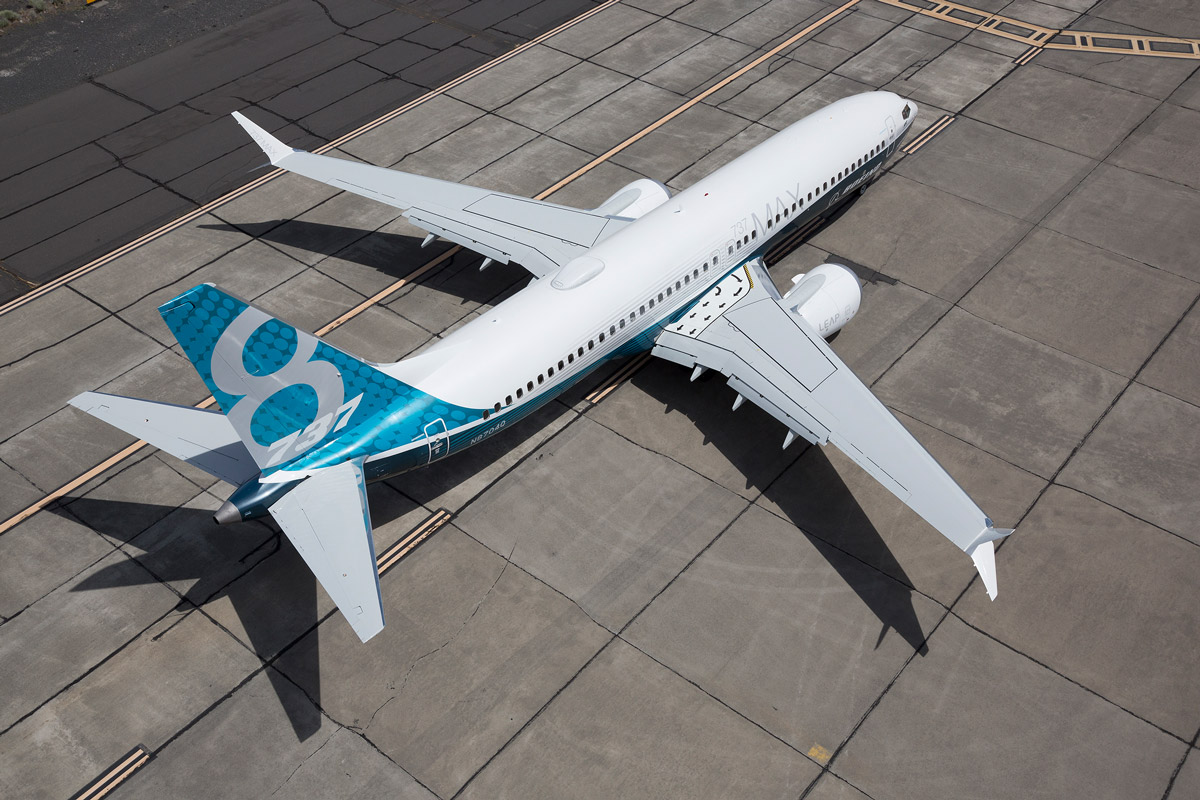
Boeing is preparing to ramp up production of its best-selling 737 aircraft to 47 planes per month by mid-2026, marking a pivotal moment in the aerospace giant’s post-crisis recovery.
The announcement, made in late December, signals a shift in tone from cautious optimism to confident expansion, as the company seeks to rebuild trust, meet surging demand, and reassert its position in the narrow-body market.
Katie Ringgold, Vice President and General Manager of the 737 Program, during a media briefing at Boeing’s Renton facility said that this year, 2025, was about stability, with next year being about growth.
The plant, located just south of Seattle, is the beating heart of the 737 program — and the site of one of the most closely watched industrial turnarounds in aviation.
From Grounding to Growth: Bringing the Boeing 737 Program Alive Again
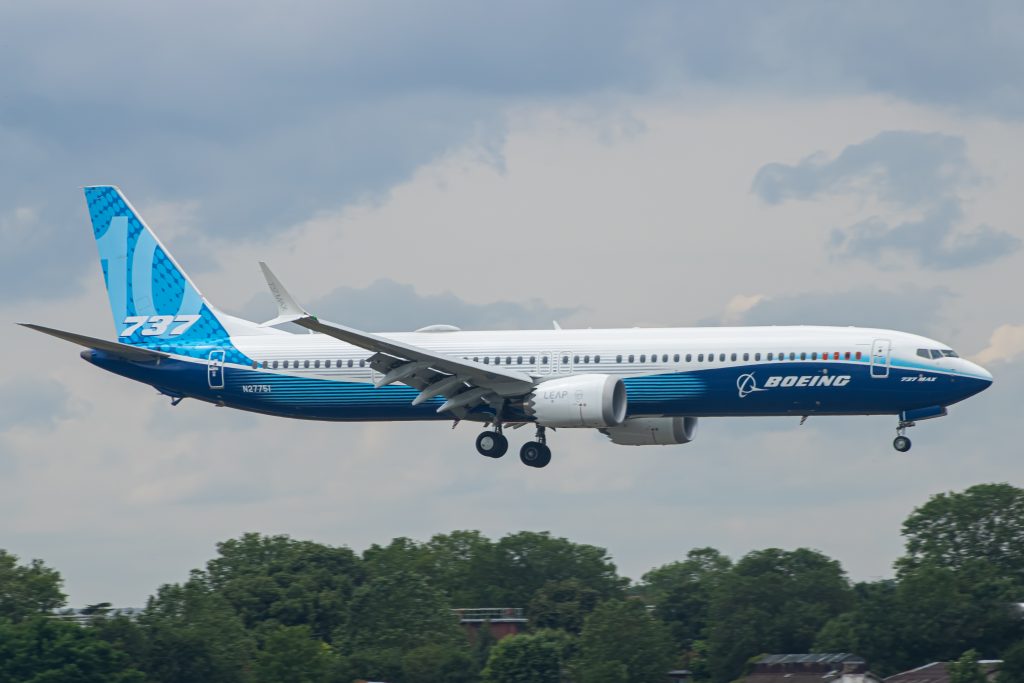
The 737 MAX, once the crown jewel of Boeing’s commercial lineup, became a symbol of crisis after two fatal crashes in 2018 and 2019 led to a global grounding.
The fallout was severe: production halted, deliveries stalled, and Boeing’s reputation took a hit that reverberated across the industry.
Since its recertification in late 2020, Boeing has slowly rebuilt the program. Monthly output rose from 38 aircraft in early 2023 to 42 by the end of 2024.
The planned increase to 47 jets per month represents the most aggressive push since the MAX’s return — and a signal that Boeing believes the worst is behind it.
The Renton Challenge
At full tilt, the Renton plant can theoretically produce up to 63 aircraft per month. But Ringgold was quick to temper expectations.
“That would require perfection,” she said, noting that such output would demand flawless operations, uninterrupted supply chains, and zero pause days — a standard few manufacturers can consistently meet.
Instead, Boeing is targeting a sustainable cadence, balancing ambition with realism.
The company has invested heavily in workforce training, supplier coordination, and quality control.
FAA inspectors remain embedded at the site, reviewing each aircraft before delivery — a legacy of the MAX crisis that Boeing now embraces as part of its safety culture.
Demand Surges for the Boeing 737, Backlog Grows
Behind the production ramp-up is a backlog that stretches deep into the next decade.
As of November 2025, Boeing had nearly 4,800 unfilled orders for the 737, with delivery slots sold out well into the 2030s.
Much of that demand is coming from Asia, particularly India, where carriers like Air India, Akasa Air, SpiceJet, and Air India Express are expanding aggressively.
Indian airlines currently operate over 150 Boeing 737s, with more than 400 additional units on order.
Fleet renewal is also driving demand globally.
Airlines are retiring older, less efficient aircraft and replacing them with fuel-saving models like the 737 MAX, which boasts a 14% improvement in fuel burn compared to its predecessor.
Airbus Looms Large
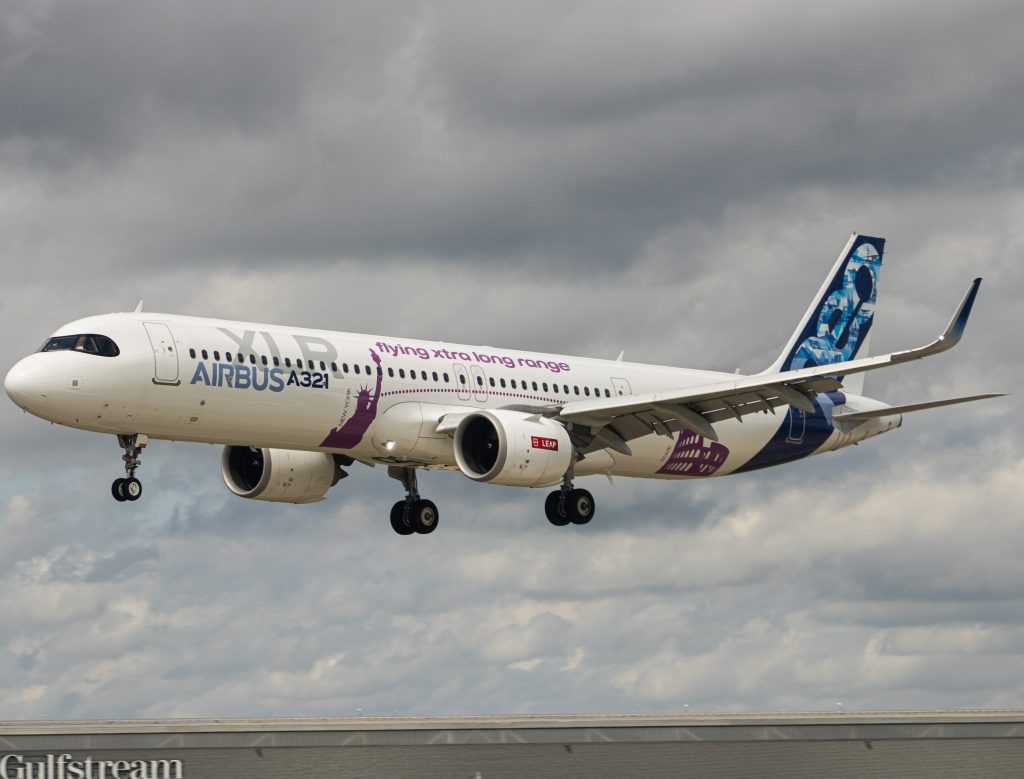
Boeing’s move comes as rival Airbus accelerates its own narrow-body production.
The European manufacturer plans to hit 75 A320-family aircraft per month by 2026 — a figure that dwarfs Boeing’s current output and underscores the competitive pressure.
The A320neo has gained ground in recent years, thanks to its early availability during Boeing’s grounding and its strong performance metrics.
Boeing’s ramp-up is, in part, a bid to close that gap and reassure customers that it can deliver at scale.
Still, Airbus’s lead in production volume and market share remains a challenge.
The American planemaker will need to execute flawlessly to regain parity — and avoid the missteps that plagued its earlier ramp-ups.
Supply Chain Realities
Boeing’s supply chain, stretched across continents, remains a critical variable.
Tier-1 suppliers like Spirit AeroSystems must match Boeing’s pace (Which could explain further the recent acquisition), and any disruption — from labor shortages to geopolitical tensions — could ripple through the system.
The company is working to mitigate risks by diversifying sourcing, investing in automation, and strengthening logistics.
But the global nature of aerospace manufacturing means that even minor hiccups can have outsized impacts.
Financial Stakes
The production ramp-up carries significant financial implications.
On the upside, increased deliveries mean higher revenue, improved cash flow, and better economies of scale.
The manufacturer’s commercial division, still recovering from years of losses, could see a meaningful boost.
But the risks are real.
Capital expenditures for facility upgrades, potential inventory buildup, and warranty costs from rushed production could erode margins.
Investors will be watching closely as Boeing reports quarterly results in 2026.
Safety First — Or Else
The FAA’s role in the planemaker’s comeback cannot be overstated.
The agency maintains a strong on-site presence at Renton, inspecting every aircraft before it leaves the factory.
Boeing has embraced this oversight, framing it as part of a broader cultural shift toward transparency and safety.
Ringgold emphasised continuously throughout that they are looking to build trust one airplane at a time and that every delivery is a statement of them doing that.
That trust will be critical as Boeing seeks to win back customers who turned to Airbus during the MAX crisis.
Airlines want reliability, regulators want accountability, and passengers want peace of mind.
What Comes Next for Boeing & The 737 Program
If the planemaker hits its target of 47 aircraft per month by mid-2026, it will likely push further.
The company is also exploring new variants, expanded production capacity, and sustainability upgrades.
The 737 program, once mired in scandal, could become a symbol of resilience. But the path forward is narrow, and the stakes are high.
The planemaker’s decision to ramp up 737 production is more than a manufacturing milestone — it’s a strategic pivot.
After years of crisis, the company is betting on growth, execution, and redemption. The next 18 months will test whether that bet pays off.
For now, the message from Renton is clear: Boeing is back — and it’s looking at building fast, but most importantly, safely.
Continue to follow The Aviation Hub for more analysis and insight!