American Airlines Supercharges Chicago and Dallas as Network Strategy Enters a New Phase Ahead of 2026
 By The Aviation Hub
5 min read
By The Aviation Hub
5 min read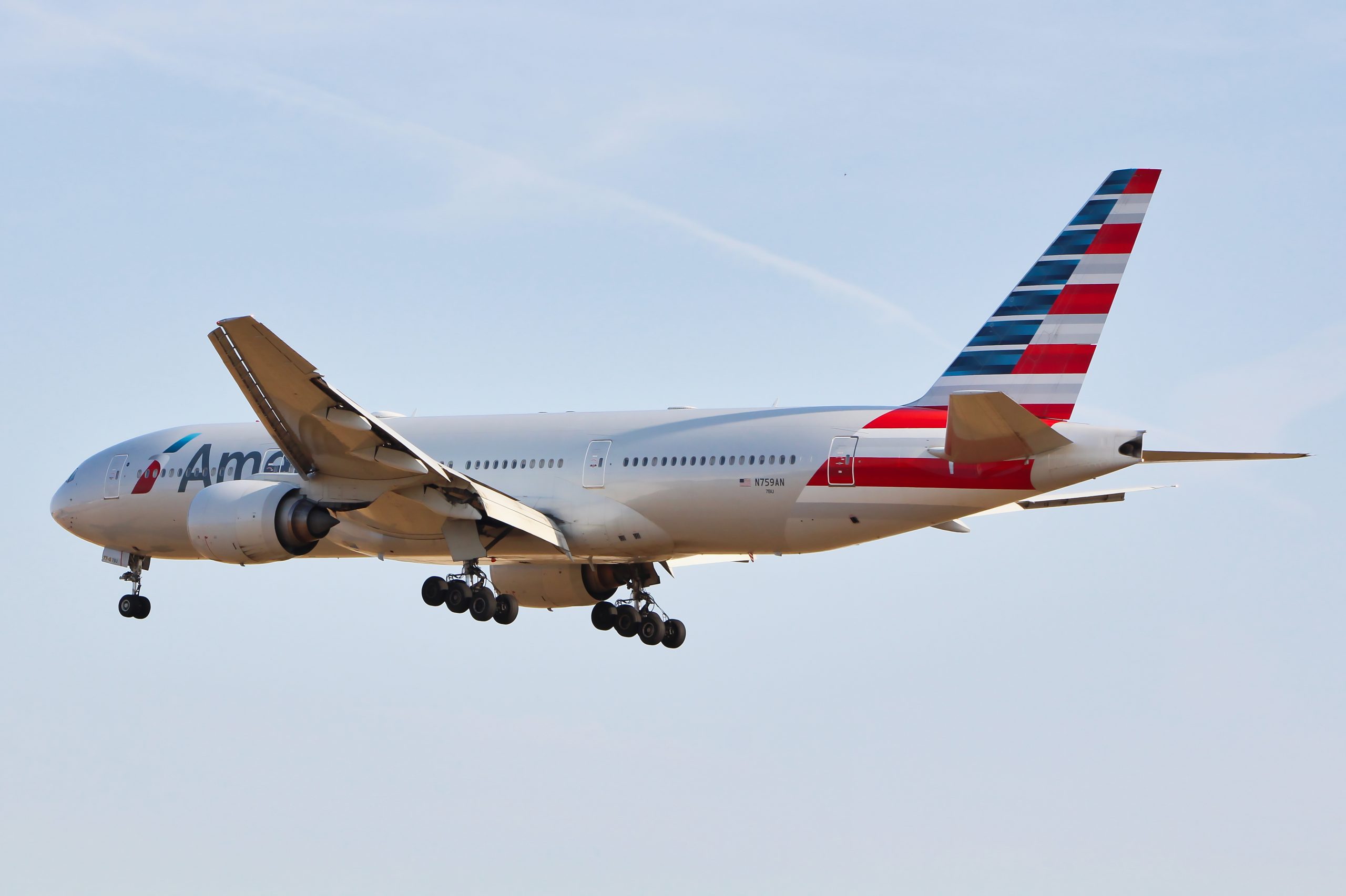
American Airlines is closing out 2025 with two major hub announcements that significantly reshape its network profile at both Chicago O’Hare (ORD) and Dallas–Fort Worth (DFW).
The carrier is adding unprecedented capacity at O’Hare while simultaneously restructuring its largest hub at DFW — a dual‑pronged strategy that positions American for a more stable, more competitive, and more profitable operation heading into its centennial year.
Chicago O’Hare: 100 New Daily Departures and a Rebuilt Hub Structure For American Airlines
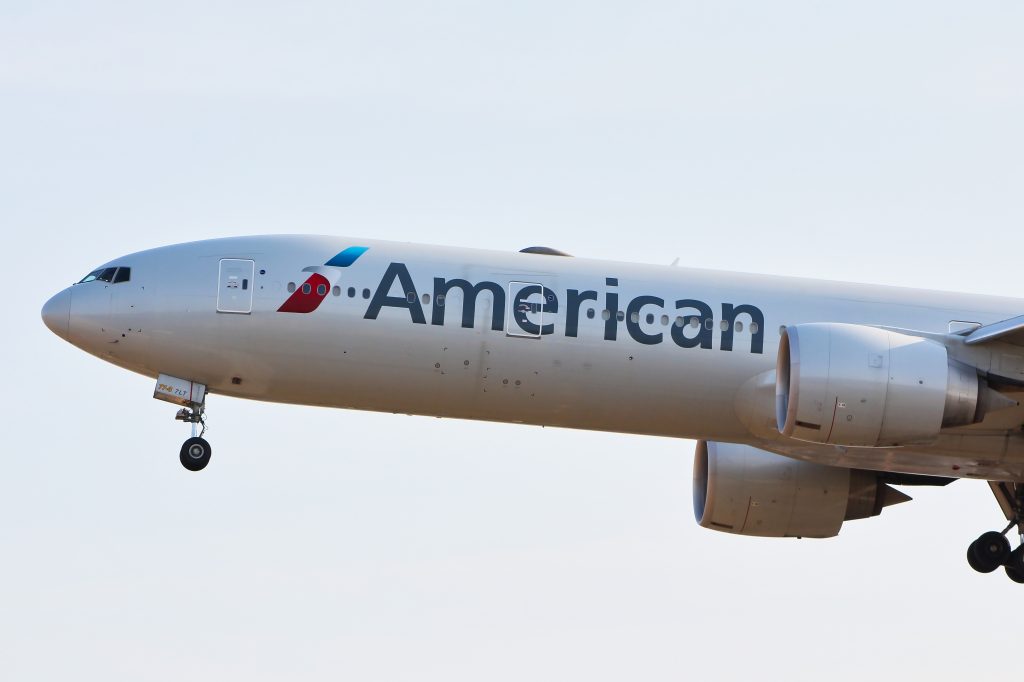
American’s expansion at ORD is one of the most aggressive capacity increases the airport has seen in years.
Beginning this spring, the airline will add 100 new daily departures, boosting its schedule to more than 500 daily flights and expanding service to over 75 destinations.
The increase represents 21% more departures than originally planned and a 30% year‑over‑year increase compared to spring 2025.
The scale of the move underscores American’s intention to re‑establish ORD as a growth engine within its network.
Steve Johnson, American’s Vice Chair and Chief Strategy Officer, framed the expansion as a foundational step for the airline’s next chapter.
“We’re committed to rebuilding our Chicago hub to be stronger and more compelling for our customers, and our 2026 plans are both emblematic of that objective and an exciting way to end a year defined by bold growth and investment at ORD,”
The expansion includes doubled frequencies to high‑demand leisure markets such as Las Vegas (LAS), Panama City (ECP), and Sarasota (SRQ), along with more than double the flights to Savannah (SAV) and San Francisco (SFO).
American is also extending its summer seasonal service to Dublin and Paris, strengthening ORD’s long‑haul connectivity.
The airline has added nearly 30 new destinations from Chicago in 2025 alone — including Honolulu, Mexico City, Madrid, and Naples — and has doubled winter service to Mexico, the Caribbean, and Central America.
With these additions, ORD becomes American’s fastest‑growing legacy hub this year.
Hub Economics and Competitive Positioning
American’s messaging around ORD emphasizes the economic role of hubs as “connection factories.”
The carrier highlights that expanded service to smaller markets such as Cedar Rapids (CID), Bloomington (BMI), and Flint (FNT) will improve regional connectivity while feeding long‑haul demand.
Competition at O’Hare remains intense, but American’s growth — including new peak daily flights to San Francisco, Cleveland, and Denver — signals a willingness to challenge United more directly in key business markets.
Operational and Customer Experience Investments
American is pairing its capacity growth with operational improvements.
The airline notes that it was “the most on-time hub carrier at ORD in 2025,” supported by new boarding processes, upgraded baggage handling technology, and connection‑saving tools.
The carrier also emphasizes premiumization: all ORD flights now operate with dual‑class regional jets, making American “the only hub carrier to offer premium options on every flight from ORD.”
Chicago was also the first market to receive the airline’s new Boeing 787‑9 premium aircraft.
Dallas–Fort Worth: A Structural Overhaul to Improve Reliability
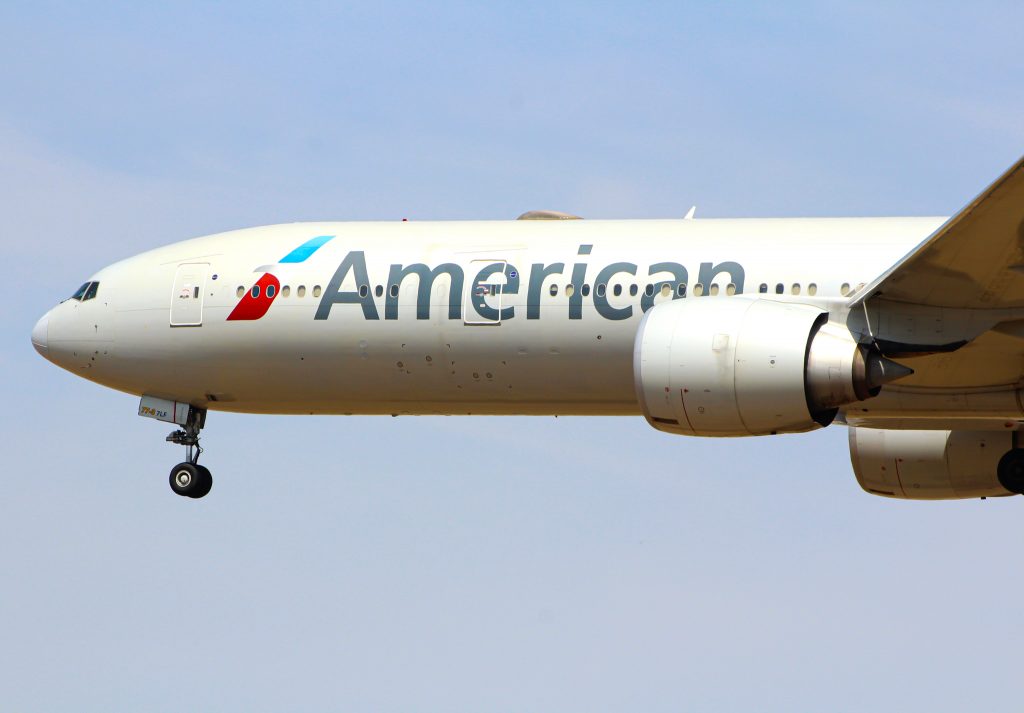
While Chicago’s expansion is about scale, American’s changes at DFW — its largest hub — are about operational resilience and schedule optimization.
Beginning in April, American will shift from a nine‑bank to a 13‑bank schedule structure, spreading flights more evenly across the day.
The change is designed to reduce congestion, improve connection times, and enhance the predictability of the airline’s operation.
Jim Moses, Senior Vice President of DFW Operations, described the shift as overdue.
“As the operating environment and our customers’ expectations have evolved in the last 10 years, our approach at our largest and most impactful hub must also evolve”.
DFW handles more connecting passengers and checked bags than any other point in American’s system — more than 30% of all daily connecting customers and bags.
The new structure aims to reduce the concentration of short connections, improve bag transfer reliability, and smooth out airspace flow around the metroplex.
Block Time Investments and Disruption Recovery
American is also making what it calls a “bold and unprecedented investment” in block time across its network.
By adjusting scheduled gate‑to‑gate times, the airline expects to improve on‑time departures and arrivals, reduce delays, and create a more predictable customer experience.
The carrier is further investing millions in remote deplaning capability at DFW — equipment, bussing, and staffing — to reduce diversions and accelerate recovery during severe weather.
Moses emphasized the importance of this investment, noting, “We know the negative impact flight diversions have on our customers… they’re also incredibly disruptive to the broader airline.”
Infrastructure for Future Growth
DFW’s physical footprint is also expanding. American is modernizing terminals, extending Piers A and C to add nine gates, and preparing for the construction of Terminal F, which will include 31 new gates, expanded widebody capacity, premium lounges, and a new U.S. Customs facility. Terminal F is slated for completion in 2030.
The airline is also working with TSA and CBP to streamline security and immigration through programs such as TSA PreCheck Touchless ID and Enhanced Passenger Processing.
Strategic Implications for 2026
American’s dual‑hub expansion strategy signals a clear shift in how the airline intends to compete in the coming years.
1. A More Balanced and Resilient Network
ORD’s rapid growth and DFW’s structural overhaul suggest American Airlines is aiming for a network that is both larger and more operationally stable — a critical combination for regaining corporate travel share.
2. Premiumization as a Revenue Driver
From dual‑class regional jets in Chicago to expanded widebody capacity in Dallas, American Airlines is leaning heavily into premium cabins, a trend consistent with broader industry revenue strategies.
3. A Centennial Year Built on Momentum
As American Airlines enters its 100th year, the airline is positioning itself not just for celebration but for competitive reassertion. The ORD and DFW announcements reflect a carrier preparing for a more predictable, more connected, and more globally competitive future.
Continue to follow The Aviation Hub for more analysis & insight!
Advertise with us Your brand, in front of an aviation audience Home page and in-article placements, sold directly, one advertiser per slot. From £250 a year. See the rates