MH370: The Search Resumes — But Will Ocean Infinity Finally Find the Missing Boeing 777?
 By The Aviation Hub
6 min read
By The Aviation Hub
6 min read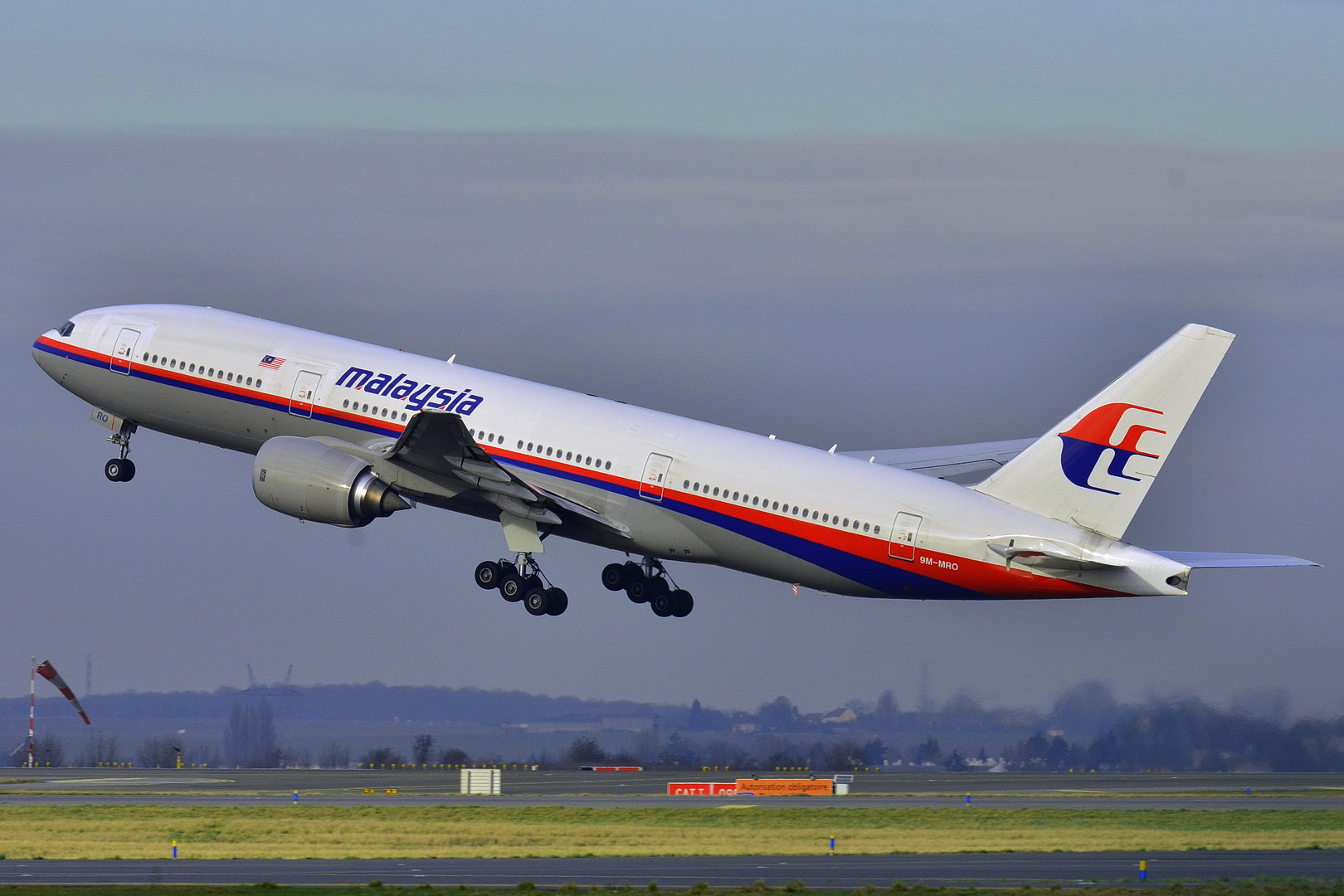
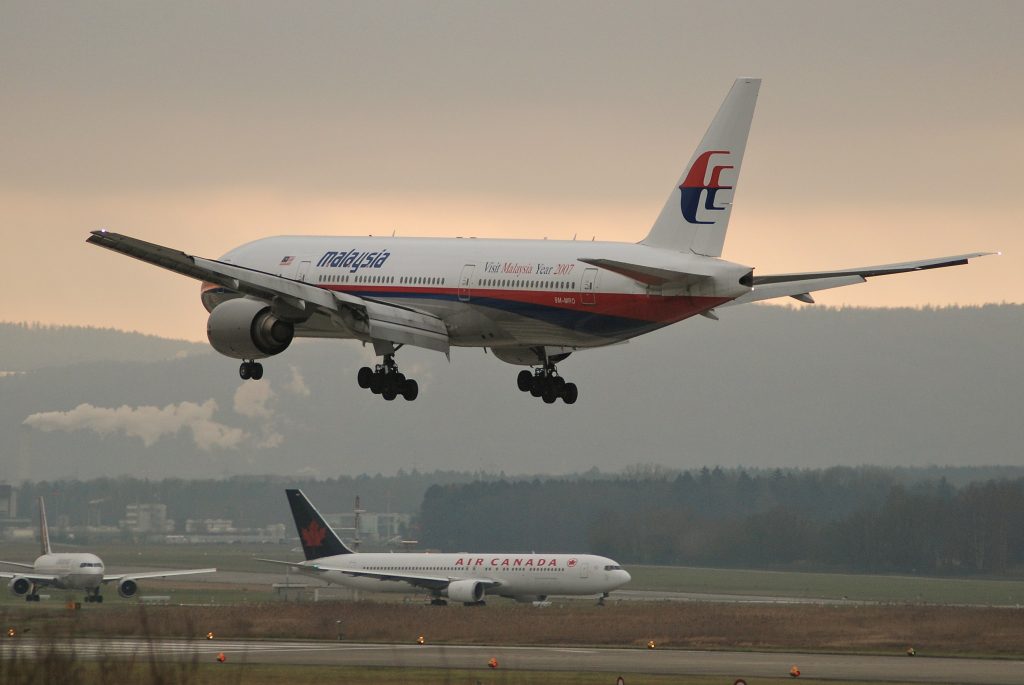
More than eleven years after Malaysia Airlines Flight MH370 vanished into the night, the search for the world’s most perplexing aviation mystery has restarted today in the remote reaches of the southern Indian Ocean.
The renewed effort, led once again by the UK‑ and US‑based seabed exploration company Ocean Infinity, marks the most significant attempt in years to locate the Boeing 777 that disappeared on March 8, 2014 with 239 people on board.
Malaysia has signed a “no find, no fee” agreement with the company, meaning Ocean Infinity will receive up to $70 million only if it locates the wreckage.
The mission will span up to 55 days and cover a newly defined 5,800‑square‑mile (15,000‑square‑kilometre) area of the seabed, an expanse shaped by years of drift modelling, satellite analysis, and the discovery of MH370 debris along the coasts of Africa and islands of the western Indian Ocean.
The stakes are enormous. For the families of those lost, the restart represents a renewed glimmer of hope.
For the aviation community, it is a chance to resolve a mystery that has shaped safety protocols and public trust.
And for Ocean Infinity, it is an opportunity to prove that its cutting‑edge robotic technology can succeed where previous multimillion‑dollar searches have failed.
A Mystery That Has Defied the World
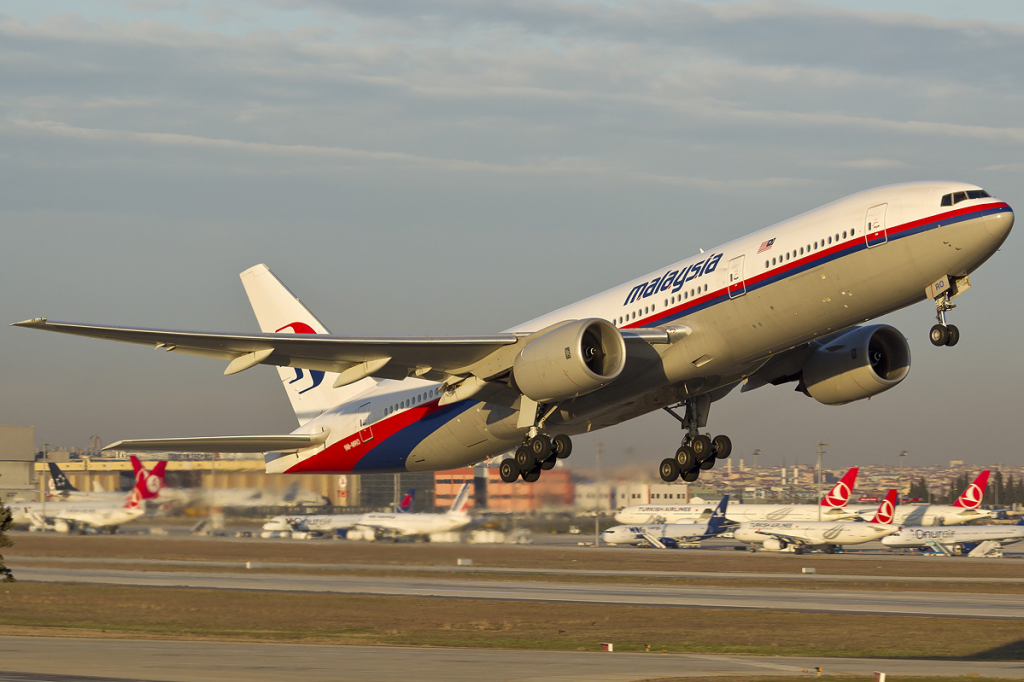
MH370 departed Kuala Lumpur shortly after midnight, bound for Beijing. Less than an hour later, its transponder fell silent.
Military radar later tracked the aircraft turning sharply west, crossing the Malay Peninsula, and heading out over the Indian Ocean before disappearing from all surveillance systems.
Despite the largest and most expensive underwater search in aviation history, led initially by Australia and later by Ocean Infinity in 2018, no wreckage has ever been found on the seabed.
Only scattered debris — including a flaperon confirmed to be from the aircraft — has washed ashore thousands of miles from the suspected crash site.
The absence of answers has fuelled speculation, conspiracy theories, and profound frustration among families.
But it has also driven technological innovation, much of it pioneered by Ocean Infinity.
Why the Search Is Restarting Now
Malaysia’s transport ministry confirmed earlier this month that the search would resume on December 30 after a months‑long pause caused by harsh weather conditions in the southern Indian Ocean.
The new mission is built on two pillars:
- Improved seabed‑mapping and autonomous drone technology, which Ocean Infinity says is significantly more capable than during its 2018 mission.
- A refined search area, based on updated drift analysis and a reassessment of satellite “handshake” data between MH370 and Inmarsat.
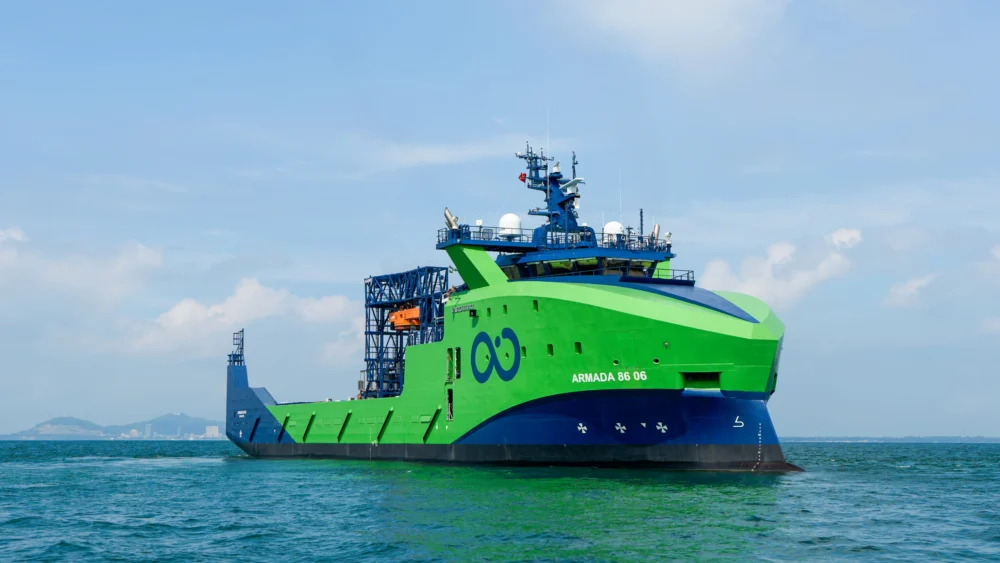
Ocean Infinity will deploy its Armada fleet — a collection of uncrewed surface vessels and deep‑sea autonomous underwater vehicles (AUVs) — to scan the seabed continuously, even in challenging conditions.
The company has emphasised that its technology has advanced dramatically since its last MH370 expedition, with faster, deeper‑diving, and more precise AUVs now available.
The New Search Zone for MH370: A Better Bet?
The 5,800‑square‑mile area being targeted lies within the broader region previously identified as the most probable crash site.
Analysts have long argued that the aircraft likely exhausted its fuel and spiralled into the ocean along the so‑called “Seventh Arc,” a curve derived from satellite communications data.
The new zone is not a random expansion but a focused refinement. It incorporates:
- Areas previously inaccessible or poorly mapped during earlier searches.
- Zones where drift modelling suggests debris would have originated before washing up in Africa and the western Indian Ocean.
- Regions consistent with the aircraft’s final autopilot‑controlled trajectory, based on Boeing simulations and independent analysis.
Malaysia’s decision to green‑light the mission reflects growing confidence that the new area represents the best chance yet of locating the wreckage.
Ocean Infinity’s Track Record: A Mixed Picture
Ocean Infinity is no stranger to high‑stakes deep‑sea searches.
Its 2018 MH370 mission covered more ground in a shorter time than the government‑led search that preceded it, thanks to its fleet of AUVs.
Although that mission ended without success, the company has since completed several high‑profile recoveries, including the discovery of the Argentine submarine ARA San Juan.
Its technology has matured significantly.
The Armada 86 vessel leading this mission is equipped with next‑generation robotics capable of scanning vast areas with higher resolution than before.
But the Indian Ocean remains one of the most hostile environments on Earth.
The seabed is rugged, with deep trenches, steep ridges, and thick sediment. Even with advanced robotics, the search is akin to “looking for a needle in a haystack without a magnet,” as one analyst put it.
Will They Actually Find MH370 This Time?
The question hangs over the mission like a shadow. The answer depends on three factors: the accuracy of the search area, the capability of the technology, and the condition of the wreckage.
1. Is the search area correct?
This is the most critical variable.
If the aircraft lies outside the new zone — even by a few miles — the mission will fail.
The Seventh Arc data is robust, but uncertainties remain about the aircraft’s final minutes, including whether it entered a high‑speed dive or a more controlled descent.
2. Can the technology detect the wreckage?
Ocean Infinity’s AUVs can scan at high resolution and operate at depths exceeding 6,000 metres.
If the wreckage is intact or in large sections, detection is likely. If the aircraft disintegrated on impact or is buried under sediment, the challenge becomes far greater.
3. What condition is the wreckage in?
After more than a decade underwater, the Boeing 777 may be heavily degraded. Coral growth, sedimentation, and deep‑sea currents could obscure key components.
Expert consensus?
Most aviation analysts believe Ocean Infinity has the best chance yet of finding MH370 — but they stop short of predicting success.
The mission is technologically impressive, but the search area remains vast, and the ocean remains unforgiving.
Families of MH370 Watch With Hope — and Caution
For the families of the 239 passengers and crew, today’s restart is both a relief and a reopening of old wounds.
Many have campaigned tirelessly for years, arguing that the search should never have been suspended.
Malaysia’s transport ministry has emphasised that the renewed effort reflects a commitment to “providing closure” and resolving aviation’s greatest modern mystery.
But families have been here before. They know that hope can be painful.
What Happens Next
The mission will run intermittently for up to 55 days, depending on weather windows and operational constraints.
If Ocean Infinity finds the wreckage, the discovery will trigger one of the most complex deep‑sea recovery operations in history.
If it does not, the world may be left with the same haunting question it has carried since 2014: how does a modern airliner simply vanish?
The restart of the MH370 search is more than a technical operation.
It is a test of human persistence, scientific ingenuity, and the belief that even the deepest mysteries can eventually be solved.
Ocean Infinity’s mission may not guarantee answers.
But for the first time in years, the world is looking toward the Indian Ocean with renewed anticipation — and a cautious belief that the truth may finally be within reach.
Continue to follow The Aviation Hub for more analysis and insight!