easyJet Flight Suffers Uncontained Engine Failure in Lamezia Terme
 By The Aviation Hub
4 min read
By The Aviation Hub
4 min read
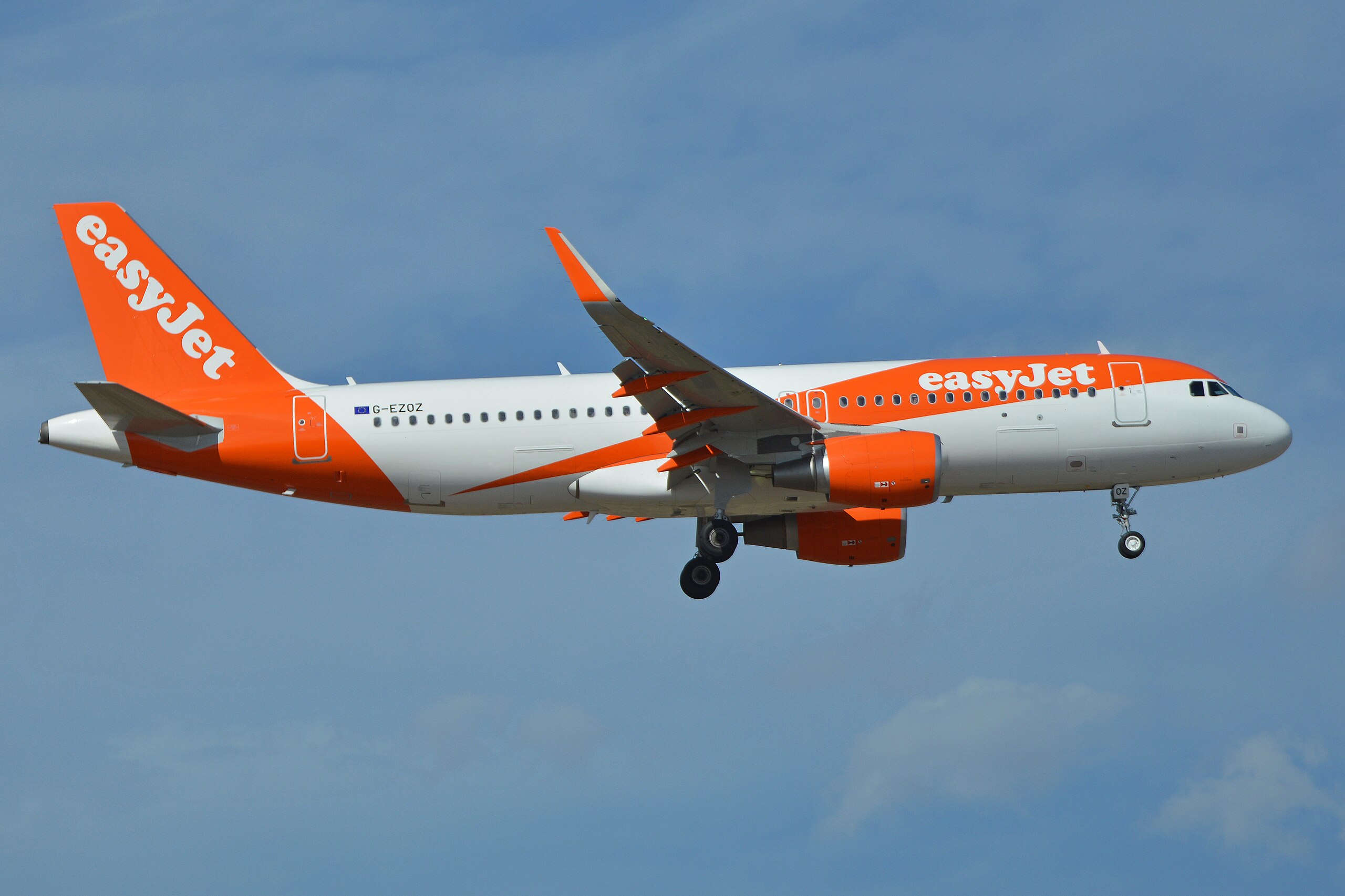
Reports have emerged of an easyJet flight from Milan Malpensa that suffered an uncontained engine failure during the descent into Lamezia Terme.
Information has been released pertinent to the incident at hand.
Below is what we know on this so far.
easyJet Flight U23557 – Milan to Lamezia Terme…
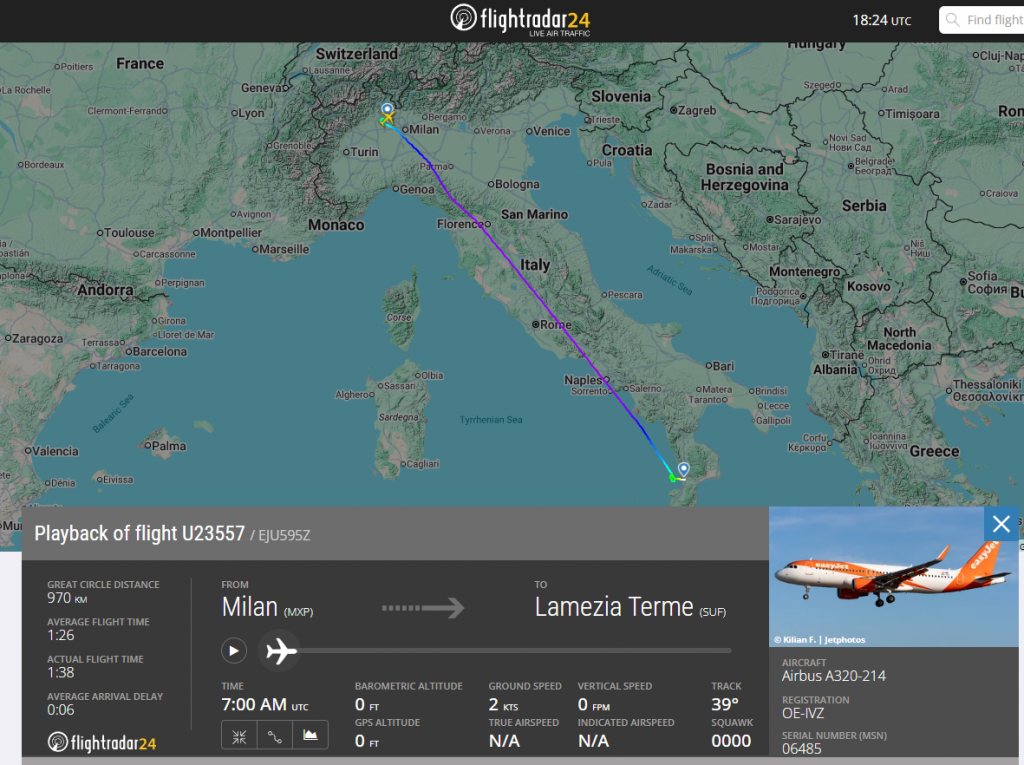
easyJet flight U23557, which suffered the uncontained engine failure, is a routine scheduled flight between Milan Malpensa & Lamezia Terme.
Furthermore, the aircraft involved in the incident was OE-IVZ.
As per data from Planespotters.net, OE-IVZ is a 10.9 year old Airbus A320ceo that was delivered to the airline back in February 2015.
Of the A320ceo variant, the easyJet Group has 180 of them in their fleet.
Within the 180, 168 are in active service, and 12 are parked, offering an average fleet age of 11.8 years.
As well as the A320ceo, the airline in orange has the following other aircraft in their fleet:
- 79 Airbus A319 aircraft.
- 75 Airbus A320neo aircraft.
- 21 Airbus A321neo aircraft.
In total, there are 355 aircraft in the easyJet Group fleet, of which 332 are in active service, and 23 are parked, with an average fleet age of 11.1 years.
easyJet flight U23557, which suffered the uncontained engine failure, departed Milan Malpensa at 0813 local time on December 27, 2025 and proceeded to head towards Lamezia Terme.
Everything was normal in the flight until the descent phase.
As per The Aviation Herald, it is understood that the aircraft was descending through FL250 when the engine failed.
From there, a hold was entered to perform checklists, before the aircraft landed safely into it’s destination at 0952 local time.
Aftermath of Uncontained Engine Failure Seen…
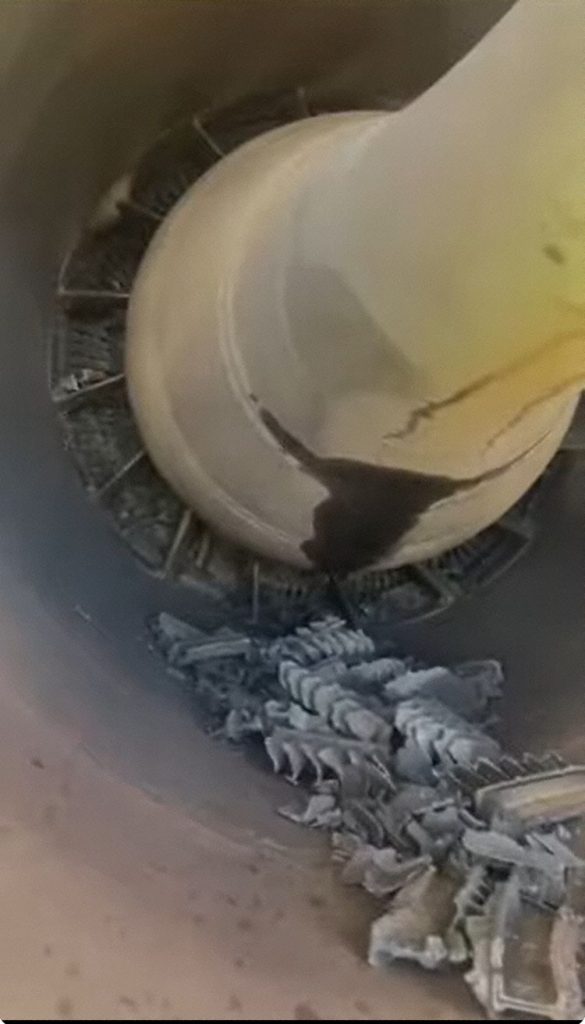
Pictured above is inside the affected CFM56 engine onboard easyJet flight U23357 Milan-Lamezia Terme which had an uncontained failure.
An uncontained engine failure is one of the most serious mechanical events that can occur on a jet aircraft.
When does an uncontained engine failure happen?
It happens when internal components of a jet engine—typically rotating parts like turbine blades or discs—break apart with such force that they breach the engine casing.
Unlike a contained failure, where fragments are safely trapped within the engine’s protective housing, an uncontained failure allows debris to escape at high velocity.
These fragments can puncture the fuselage, damage critical systems, or even injure passengers and crew, depending on the trajectory and severity of the failure.
The root causes of uncontained failures vary but often stem from fatigue cracks, manufacturing defects, or foreign object damage (FOD).
In the case of CFM56 engines, which power the A320 family, there have been documented instances where fan blade fractures or turbine disc failures led to catastrophic outcomes.
When a component fails inside the engine, the imbalance causes violent vibrations and rapid disintegration of surrounding parts.
The engine may immediately shut down, and in some cases, fire suppression systems are activated to contain secondary damage. Pilots are trained to respond swiftly, securing the affected engine and preparing for potential emergency landings.
the design argument…
From a design perspective, modern jet engines are built with containment rings and shielding to prevent such failures from becoming lethal.
However, no system is infallible. When containment fails, the escaping debris can sever hydraulic lines, damage wing structures, or compromise fuel systems.
In rare cases, it can even lead to decompression if the fuselage is breached.
Aircraft manufacturers and engine suppliers conduct rigorous testing to simulate these events, but real-world failures—like the one seen in the easyJet A320 image—underscore the importance of ongoing inspection regimes and component life tracking.
After an uncontained engine failure, the aircraft is typically grounded for extensive investigation.
Regulators such as EASA or the FAA may issue airworthiness directives, and the engine manufacturer will often lead a root cause analysis.
The damaged engine is disassembled, metallurgical tests are conducted, and maintenance records are scrutinized.
If systemic issues are found, they can lead to fleet-wide inspections or design changes.
For airlines, such events are costly—not only in terms of repairs and downtime but also reputationally.
easyJet Aircraft Grounded Following Incident in Lamezia Terme…
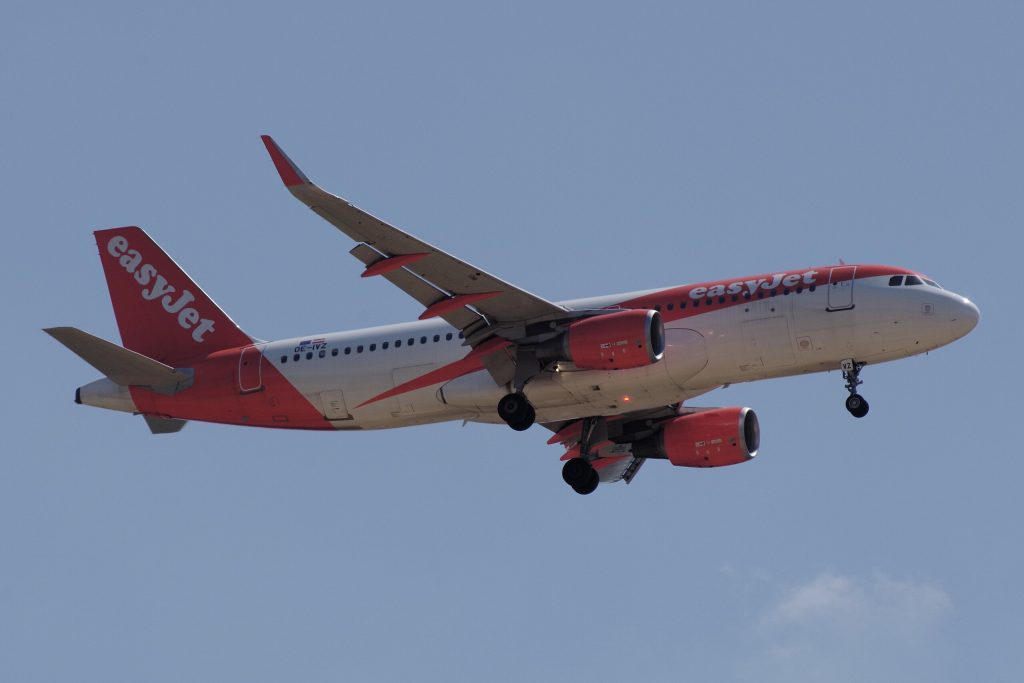
Following the incident onboard easyJet flight U23357 Milan-Lamezia Terme, OE-IVZ, the aircraft involved in the incident has been grounded and is out of commission for the time being.
Work will no doubt begin to get the aircraft engine either fixed or replaced in it’s entirety.
At this stage, it is unclear what the timescale for a return-to-service will look like, but given the extent of the damage, it could be out for a little while.
After all, safety is paramount and maintenance crews have to make the sensible and correct decisions.
As soon as we have more information pertinent to the incident at hand, then we will update you accordingly.
Continue to follow The Aviation Hub for more analysis and insight!