
At 35,000 feet near Limoges, central France, two airliners closed in on each other—unseen, untracked, and moments from disaster.
What unfolded there was a near‑miss born not of a single failure, but of a chain of unnoticed warnings and silent systems.
On the morning of 21 July 2023, two commercial airliners cruising high above central France came far closer than they ever should have.
A Boeing 737 operated by Albastar and an Embraer 190 flown by HOP! passed within just 2.6 nautical miles of each other—barely half the minimum separation required in Europe’s upper airspace.
Neither aircraft was aware of the developing conflict. Air traffic controllers did not intervene in time.
And the automated systems designed to prevent such encounters were, for a time, effectively blind.
A new investigation by the French BEA reveals how a chain of missed cues, system limitations, and human factors allowed a routine flight to drift into a potentially catastrophic situation over the Limoges VOR.
It is a case study in how modern air traffic management—highly automated, highly reliable—can still be vulnerable when a single point of failure goes unnoticed.
A Routine Flight, Until It Wasn’t
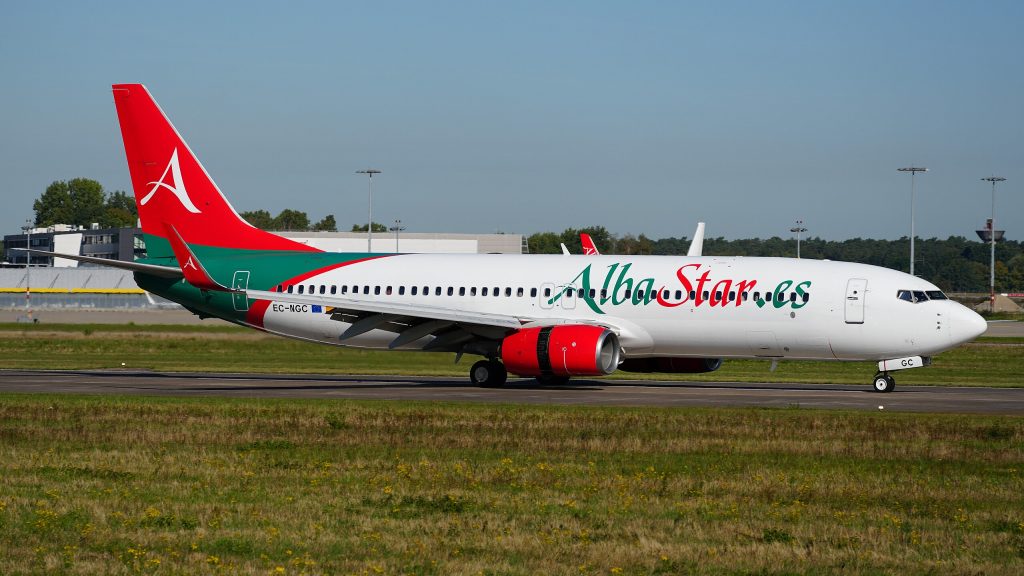
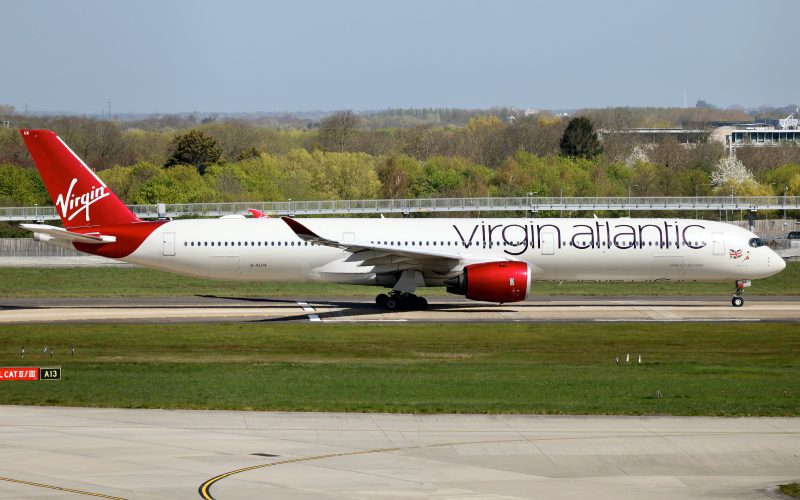
Albastar flight LAV4651 departed London Stansted at 07:55 UTC, bound for Tarbes–Lourdes–Pyrénées.
The Boeing 737‑800 climbed uneventfully to its cruise altitude of FL350 and checked in with the Brest ACC’s QXI sector at 08:17.
Controllers instructed the crew to proceed directly to BALAN, a compulsory reporting point near the boundary between the west and southwest French control sectors.
Behind the Albastar aircraft, a British Airways A320 was also cleared to FL350.
To maintain separation, the tactical controller (PCR) instructed the 737 to maintain Mach 0.77 or higher, while the A320 was held at Mach 0.76.
The controller highlighted these speeds on his display—a visual cue that would later be removed.
Then, at 08:30:35, the Albastar aircraft’s transponder stopped replying to interrogations from ground radars and airborne TCAS systems.
The crew had switched it on, but it silently failed in flight.
From that moment, the aircraft effectively vanished from secondary radar. Only primary radar—less precise, less frequently used in civil ATC—could still detect it.
And the controllers responsible for the flight did not notice the disappearance.
Warnings That Went Unseen Near Limoges…
When the transponder failed, the controller’s screen generated multiple alerts. The aircraft’s label changed.
A “Flights Without Track” window appeared. A track marker replaced the moving radar symbol.
All were designed to draw attention to a loss of surveillance.
But neither the tactical controller nor the planner controller perceived any of these cues.
For more than four minutes, neither controller moved their mouse or transmitted on the frequency.
Six aircraft were under their control at the time.
The BEA notes that the alerts were acknowledged—meaning the controllers clicked them away—but without any evidence they were consciously processed.
The track marker for LAV4651 was deleted with a single right‑click, in under a second.
The controllers continued working as if the aircraft were still under radar surveillance.
Meanwhile, the Albastar crew, unaware of the failure, continued toward BALAN.
A Missed Opportunity at BALAN
BALAN is a compulsory reporting point.
Aircraft must report their position when passing it unless instructed otherwise.
Controllers often use such points to re‑establish situational awareness when radar contact is lost.
The PCR had instructed the Albastar crew to fly directly to BALAN.
But he never explicitly requested a position report. And the crew, hearing no further instructions, simply followed their flight plan.
At 08:48:18, the Boeing passed overhead BALAN. No call was made. No controller noticed.
At nearly the same moment, a military controller at the Cinq‑Mars‑La‑Pile detection centre spotted the aircraft on primary radar and alerted civil ATC.
But by then, the Albastar aircraft had already entered the adjacent sector—where the HOP! Embraer 190 was cruising at the same altitude.
Two Aircraft, One Flight Level
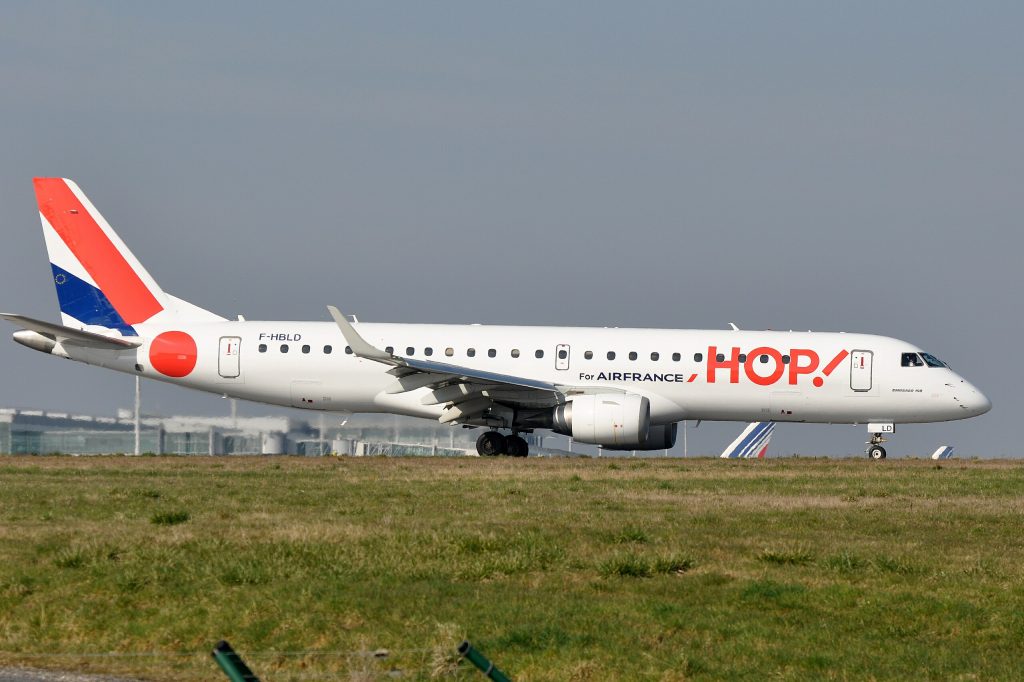
HOP! flight AFR21YB had departed Paris Charles de Gaulle for Bilbao.
At 08:40, its crew checked in with the southwest ACC’s RL3 sector, reporting level at FL350 and routing toward the Limoges VOR.
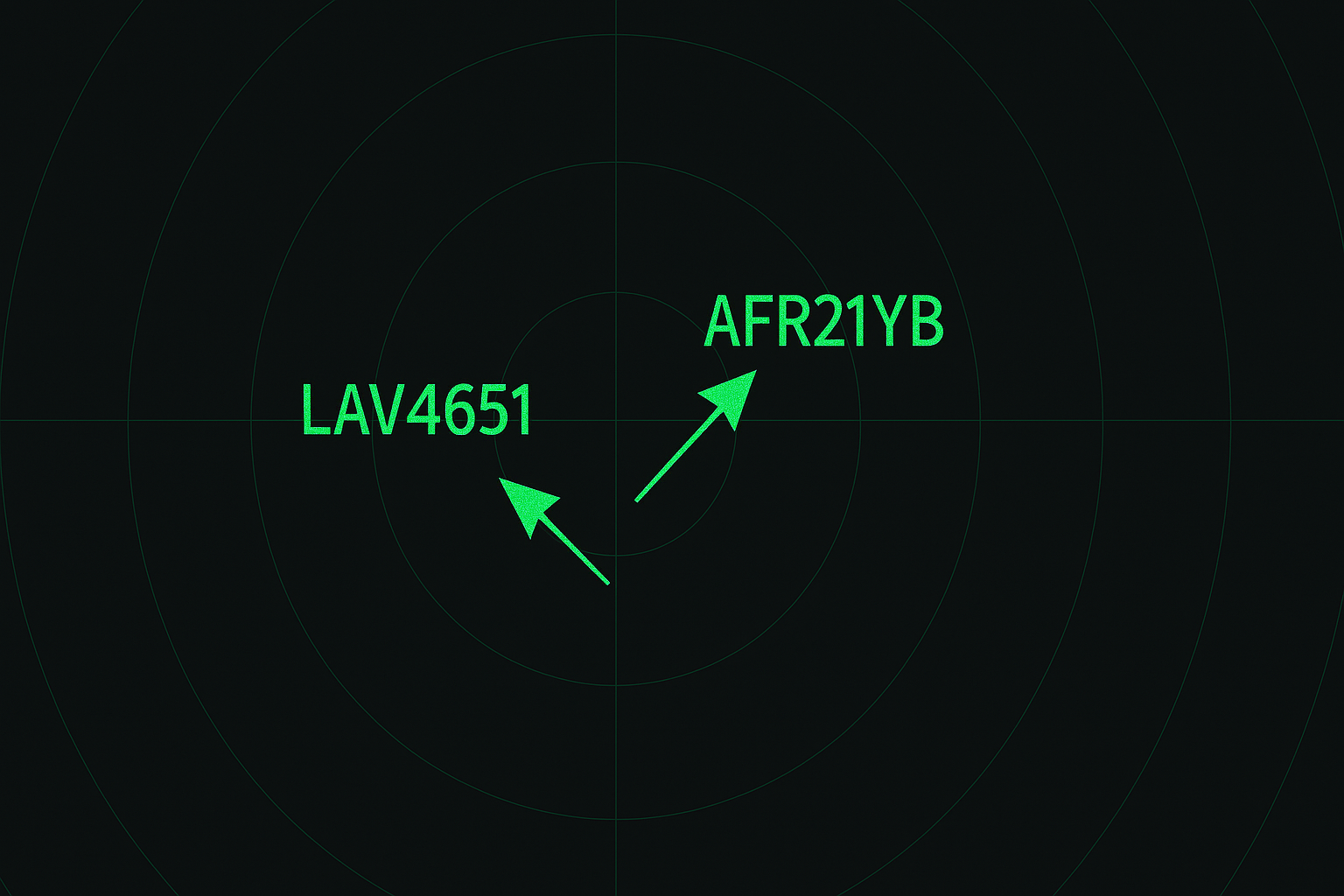
The Albastar aircraft, still invisible to secondary radar, was also heading toward Limoges—on a converging track.
Controllers in the RL3 sector saw no conflict.
Their systems showed only the Embraer. The Short‑Term Conflict Alert (STCA) system, which warns controllers of impending loss of separation, could not detect the Albastar aircraft without transponder data.
The Embraer’s TCAS also saw nothing.
Without the 737’s transponder replies, the system had no target to track.
Ironically, the Albastar aircraft’s own TCAS was functioning normally.
But because it could still receive the Embraer’s transponder data, its algorithm determined that no collision threat existed.
It issued no Traffic Advisory, no Resolution Advisory, and no warning to the crew.
At 08:50:27, the two aircraft passed within 5 NM of each other—the minimum required separation in RVSM airspace.
Seconds later, they reached their closest point: 2.6 NM horizontally, at the same altitude.
The Embraer crew later reported being surprised to see an aircraft cross ahead of them at their flight level—one that had never appeared on their TCAS display.
A Scramble to Recover the Situation Near Limoges
Only after the loss of separation did controllers in both sectors, along with the military CDC, begin coordinating to locate the missing aircraft.
Calls were made on sector frequencies.
The Albastar crew heard none of them—likely due to range limitations.
At 08:53, the crew made a general call on 121.5 MHz, the international emergency frequency.
A military controller and the southwest ACC supervisor heard it and transferred the crew to the correct sector frequency.
Controllers instructed the crew to reselect their transponder code and change channels.
At 08:55, radar contact was restored.
The flight continued to Tarbes without further incident.
A Systemic Failure, Not a Single Error
The BEA’s investigation highlights several contributing factors:
1. A transponder failure that went unnoticed
The crew did not see the amber ATC FAIL light on the transponder control panel—likely illuminated for most of the flight.
2. Controller alerts that failed to attract attention
Multiple visual cues appeared, but none were perceived. The BEA notes that the interface design may not sufficiently differentiate critical alerts from routine information.
3. Overreliance on automation
Controllers expected the system to display all relevant aircraft. When it didn’t, they did not immediately question the absence.
4. Missed procedural safeguards
The compulsory reporting point at BALAN could have broken the chain of events—but only if the crew had been explicitly instructed to report.
5. TCAS limitations
TCAS cannot detect aircraft without transponder replies. The Albastar aircraft’s TCAS saw no threat; the Embraer’s saw nothing at all.
A Near Miss With Lessons for Europe’s Skies Following Limoges Incident
No passengers were injured. No aircraft were damaged.
But the BEA classifies the event as a serious incident—and for good reason.
Two airliners, each carrying more than 90 passengers, crossed paths at the same altitude with no automated protection and no controller intervention.
The investigation has already prompted safety recommendations, including improvements to transponder certification standards, enhanced controller alerting systems, and a review of compulsory reporting point procedures.
In an era where air traffic management is increasingly automated, this incident is a reminder that even a single undetected failure can ripple through the system.
And when it does, the margin between routine and risk can shrink far faster than anyone expects.
Continue to follow The Aviation Hub for more analysis & insight!