How U.S. Missile Strikes in Caracas Could Reshape the Commercial Aviation Landscape
 By The Aviation Hub
6 min read
By The Aviation Hub
6 min read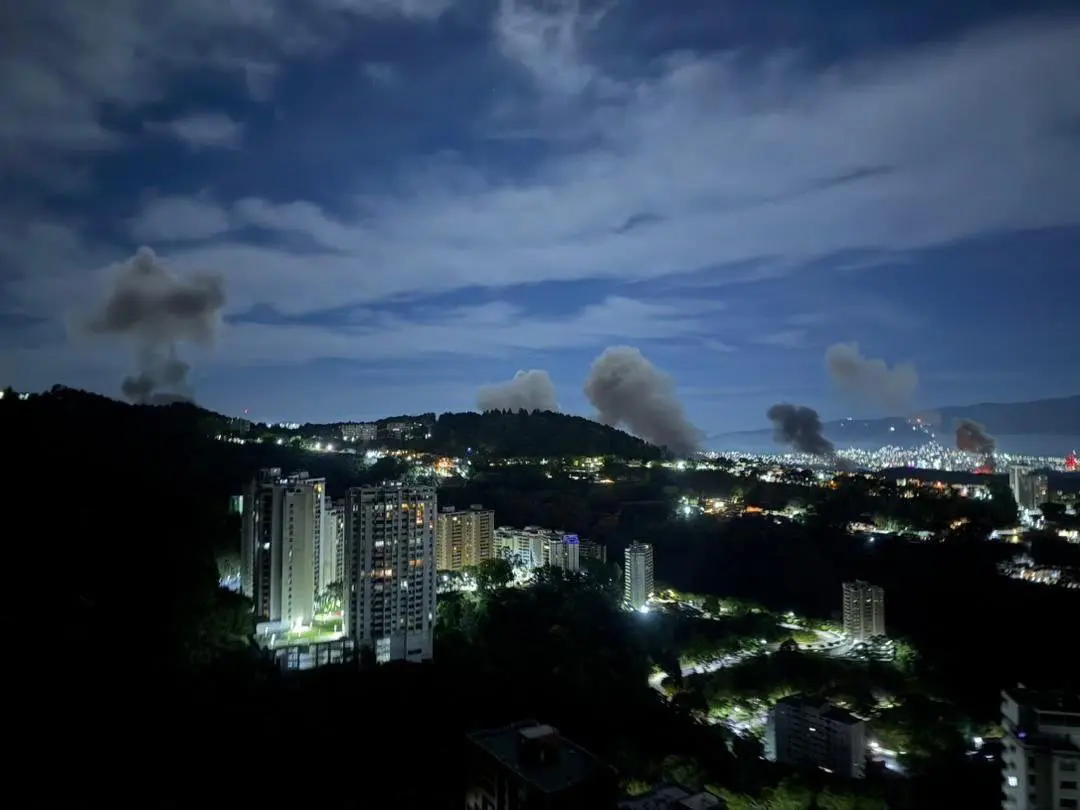
The United States’ missile and air attacks on Caracas have thrust the commercial aviation industry into a period of acute uncertainty, marking one of the most significant airspace crises in the Western Hemisphere in recent years.
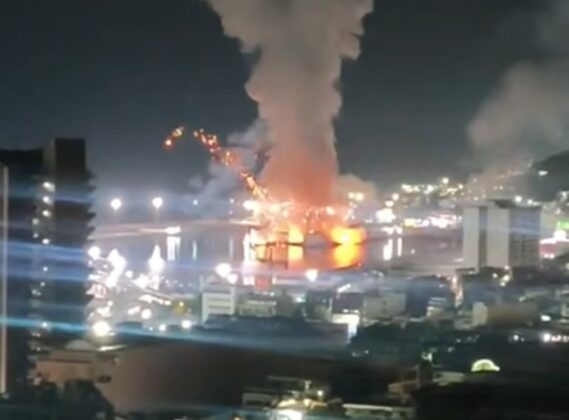
Explosions were reported across the Venezuelan capital in the early hours of the morning, with smoke rising from multiple districts and power outages affecting areas near key military installations.
Venezuelan officials have accused Washington of targeting both civilian and military sites, calling the strikes an act that “endangers the lives of millions.”
While the geopolitical implications are still unfolding, the aviation sector is already confronting the immediate operational and financial consequences of a rapidly deteriorating security environment.
Airspace Risk: Venezuela Becomes a No‑Go Zone
Even before the latest escalation, Venezuela’s airspace was considered fragile.
The U.S. Federal Aviation Administration had previously urged pilots to exercise caution due to political instability and the presence of armed groups.
Several international carriers had already suspended operations to Caracas following earlier U.S. warnings that the airspace could not be guaranteed safe.
The missile strikes fundamentally alter the risk profile. Airspace that experiences active military engagement—particularly involving missiles, low‑flying aircraft, and explosions near strategic infrastructure—typically becomes subject to immediate regulatory restrictions.
In past conflicts, such as those in Ukraine and Syria, NOTAMs were issued within hours, effectively closing national airspace to commercial traffic.
A similar response is expected here. U.S. authorities are likely to expand existing restrictions to prohibit all U.S. carriers and U.S.-registered aircraft from entering Venezuelan airspace.
European and Asian regulators often follow suit, meaning a broad international consensus could emerge quickly.
Aviation insurers, who play a decisive role in determining whether airlines can operate in conflict zones, are also expected to raise premiums sharply or withdraw coverage altogether.
In practical terms, Venezuela’s skies may soon be off‑limits to most of the world’s commercial operators.
Caracas Airport Operations: Severe Disruption Likely
Simón Bolívar International Airport (CCS), the country’s primary international gateway, lies just over a dozen miles from central Caracas.
Although no confirmed strike on the airport has been reported, the proximity of explosions and the loss of power in surrounding districts raise serious concerns about its operational resilience.
Airports in conflict zones often face cascading challenges even when not directly targeted.
Radar and communications systems may be disrupted by nearby military activity. Airport staff may be unable or unwilling to report for duty during a national emergency.
Ground transport links can be compromised, making it difficult for passengers and crew to reach the terminal.
Even the perception of danger can lead to a collapse in demand, prompting airlines to suspend service regardless of the airport’s technical status.
If CCS remains operational, it will likely do so under severe strain.
Airlines will be forced to make rapid assessments about whether they can safely dispatch aircraft, protect crews, and ensure reliable operations. For many, the answer will be no.
Regional Rerouting: Caribbean and Latin American Networks Affected
Venezuela’s geographic position makes its airspace a vital corridor for flights connecting North America, South America, and the Caribbean.
The closure or restriction of this corridor will force airlines to reroute through neighbouring FIRs, including those managed by Colombia, Brazil, and various Caribbean states.
These detours may appear minor on a map but can add significant time and cost to long‑haul operations.
Flights between the United States and Brazil, for example, often rely on Venezuelan airspace to maintain optimal routing.
Without access, carriers may face additional fuel burn, extended block times, and tighter scheduling margins.
For airlines already grappling with high fuel prices and volatile demand patterns, the financial impact could be substantial.
Cargo operators, who depend on predictable routings and tight delivery windows, may be particularly affected.
The loss of Venezuelan airspace complicates north–south freight flows and could disrupt supply chains across the region.
Airlines With the Most Exposure Out of Caracas
Although Venezuela’s commercial aviation market has contracted dramatically over the past decade, several carriers still maintain service to Caracas or rely on Venezuelan airspace for overflights.
Latin American airlines such as Avianca, LATAM, and Copa have historically operated dense regional networks that intersect with Venezuelan airspace.
European carriers including Iberia, Air Europa, and TAP Air Portugal continue to serve Caracas directly, maintaining long‑standing links with the Venezuelan diaspora.
These airlines now face difficult decisions.
Continuing operations may expose crews and passengers to unacceptable risks, while suspending service could sever vital connections for Venezuelan nationals and expatriates.
Even carriers that do not serve Venezuela directly may find their operations disrupted if preferred routings are no longer available.
Diplomatic Fallout: Aviation Caught in the Crossfire
Venezuela’s government has condemned the U.S. strikes as an attempt to undermine national sovereignty and seize strategic resources.
President Nicolás Maduro has declared a state of emergency, and regional governments are calling for urgent meetings at the United Nations and the Organization of American States.
Aviation often becomes collateral damage in such diplomatic crises. Air service agreements can be suspended, limiting traffic rights and complicating bilateral operations.
Retaliatory measures—such as reciprocal overflight bans—can further fragment regional connectivity.
If tensions escalate, neighbouring countries may also tighten their airspace controls, creating a wider zone of operational uncertainty.
Passenger Confidence: A Caracas Market Already in Decline Faces New Headwinds
Venezuela’s travel market has been weakened for years by economic collapse, political instability, and currency restrictions.
The latest attacks will deepen passenger anxiety, likely leading to a sharp decline in bookings and a surge in cancellations.
Business travelers, expatriates, and tourists may avoid the country altogether, while connecting passengers may steer clear of itineraries involving Venezuelan carriers or airports.
For airlines, the psychological impact of conflict can be as damaging as the physical risks. Even if the situation stabilizes quickly, rebuilding confidence may take months or years.
Long‑Term Outlook: A Prolonged Crisis for Venezuelan Aviation
If the conflict escalates or persists, Venezuela could face prolonged airspace closures and increasing international isolation.
The country’s aviation infrastructure, already strained by years of underinvestment, is ill‑equipped to withstand sustained disruption.
Airlines may withdraw permanently, leaving Venezuela dependent on a handful of regional carriers or state‑backed operators willing to assume higher risks.
The long‑term consequences could reshape the aviation landscape across northern South America, altering traffic flows, hub dynamics, and regional competitiveness.
A Critical Juncture for Regional Aviation
The U.S. missile strikes on Caracas represent a pivotal moment for aviation in the Americas.
With explosions reported across the capital, accusations of foreign aggression, and a national emergency declared, Venezuela’s airspace has become one of the most hazardous in the world.
Airlines must now navigate a complex mix of operational risk, regulatory uncertainty, and geopolitical tension.
For the industry, the priority is clear: protect passengers, crews, and assets while maintaining essential connectivity where possible.
But the broader implications are profound.
The skies over Venezuela are uncertain, and the ripple effects will be felt far beyond its borders.
Continue to follow The Aviation Hub for more analysis and insight!