Emirates 777 Dubai-Cairo Declares Emergency over Saudi Arabia
 By The Aviation Hub
3 min read
By The Aviation Hub
3 min read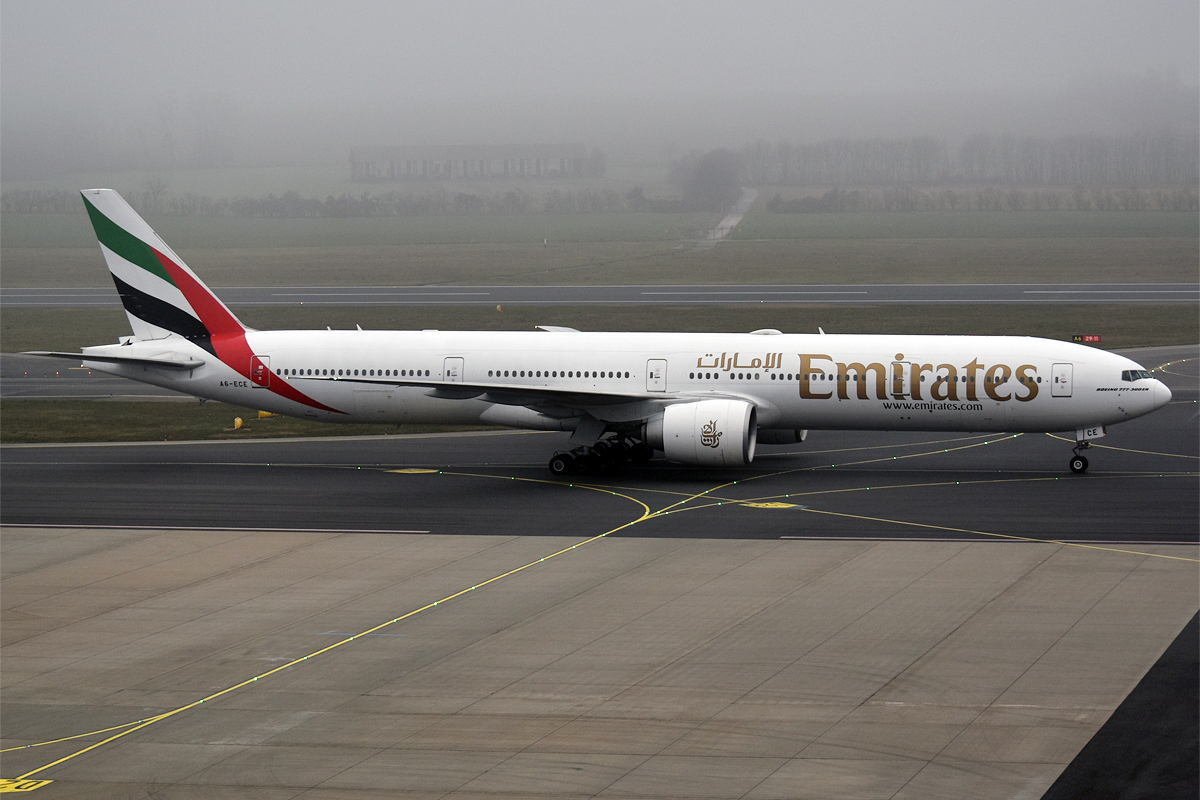
An Emirates Boeing 777 operating a flight from Dubai to Cairo declared an emergency over Saudi Arabia with a problem onboard.
Information has been released pertinent to the incident at hand.
Below is what we know on this so far.
Emirates Flight EK929 Dubai-Cairo…
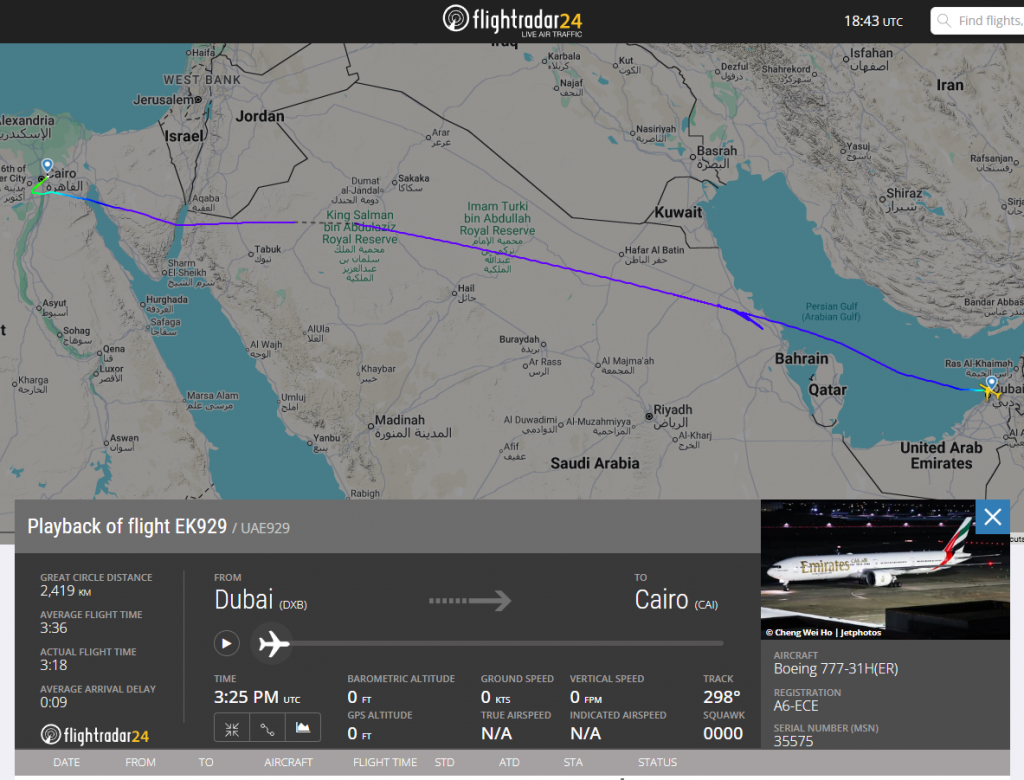
Emirates flight EK929, which declared the emergency over Saudi Arabia, is a routine scheduled flight between Dubai and Cairo.
Furthermore, the aircraft involved in the incident was A6-ECE.
As per data from Planespotters.net, A6-ECE is a 18.1 year old Boeing 777-300ER that was delivered to the airline back in December 2007.
Of the 777-300ER variant, Emirates has 119 of them in their fleet.
Moreover, of the 119, 116 are in active service, and three are parked, with an average fleet age of 12.6 years.
As well as the 777-300ER, the UAE carrier has the following other aircraft in their mainline fleet:
- 1 Airbus A319.
- 16 Airbus A350s.
- 116 Airbus A380s.
- 10 Boeing 777-200s.
- 11 Boeing 777 Freighters.
In total, the airline has 273 aircraft in their fleet, of which 251 are in active service and 22 are parked, offering an average fleet age of 11.1 years.
Emirates flight EK949, which declared the emergency over Saudi Arabia, departed from Dubai at 1124 local time on January 4, and proceeded to head to Cairo.
When the aircraft was over Saudi airspace at FL360, the crew initiated an emergency descent and squawked 7700, as per The Aviation Herald.
From there, the decision was made to u-turn back to DXB, and did so whilst at a low altitude of 9,000 feet.
The aircraft landed safely without further incident.
What Was The Reason for the Emergency Declaration over Saudi Arabia?
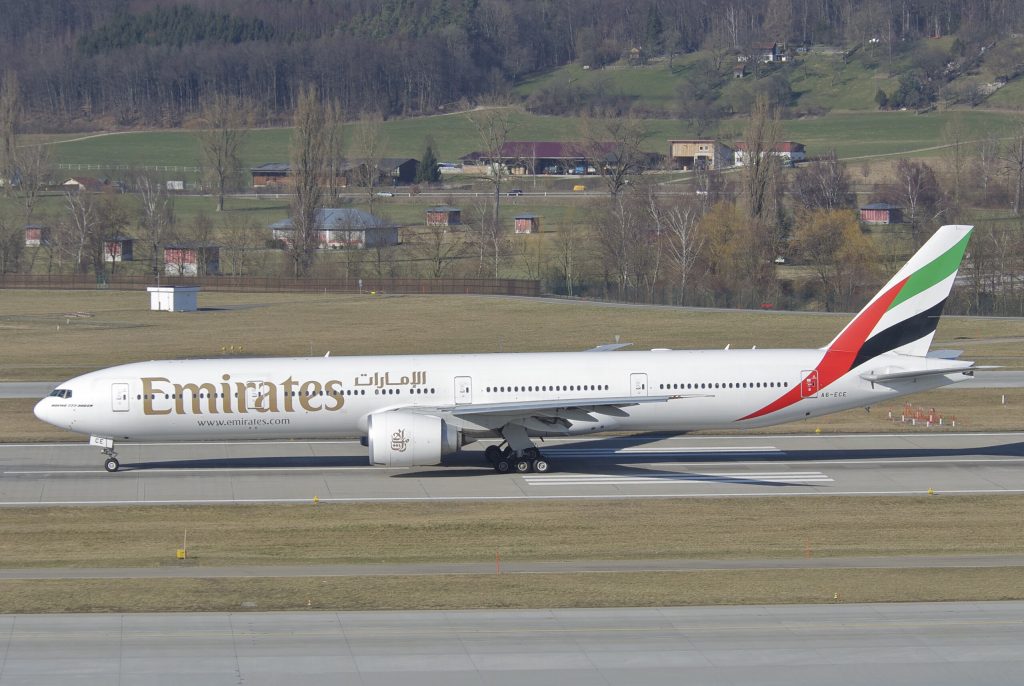
The reason for the emergency over Saudi Arabia onboard Emirates EK929 Dubai-Cairo was due to a loss of cabin pressure.
It is understood that the passenger oxygen masks were deployed as a result of this incident.
A loss of cabin pressure on an Emirates Boeing 777 is an urgent, time‑critical emergency because it immediately threatens the crew’s and passengers’ ability to breathe at cruising altitude.
At around 35,000 feet, the outside air is so thin that consciousness can be lost in seconds without supplemental oxygen.
This “time of useful consciousness” can be as short as 20–30 seconds, leaving almost no margin for delay.
The 777’s pressurization system is designed with multiple redundancies, but if it fails, the crew must don oxygen masks instantly and begin an emergency descent to a safe altitude, typically below 10,000 feet.
Rapid decompression can also cause structural stress, flying debris, and extreme cold, adding to the danger.
For an airline like Emirates, operating long‑haul flights over oceans and remote regions, the urgency is even greater because diversion options may be limited.
Quick, decisive action is essential to protect everyone on board.
As soon as we have more information pertinent to this incident, we will update you accordingly.
Continue to follow The Aviation Hub for more analysis and insight!