Alaska Airlines Mega Aircraft Order: The Turning Point for Boeing?
 By The Aviation Hub
6 min read
By The Aviation Hub
6 min read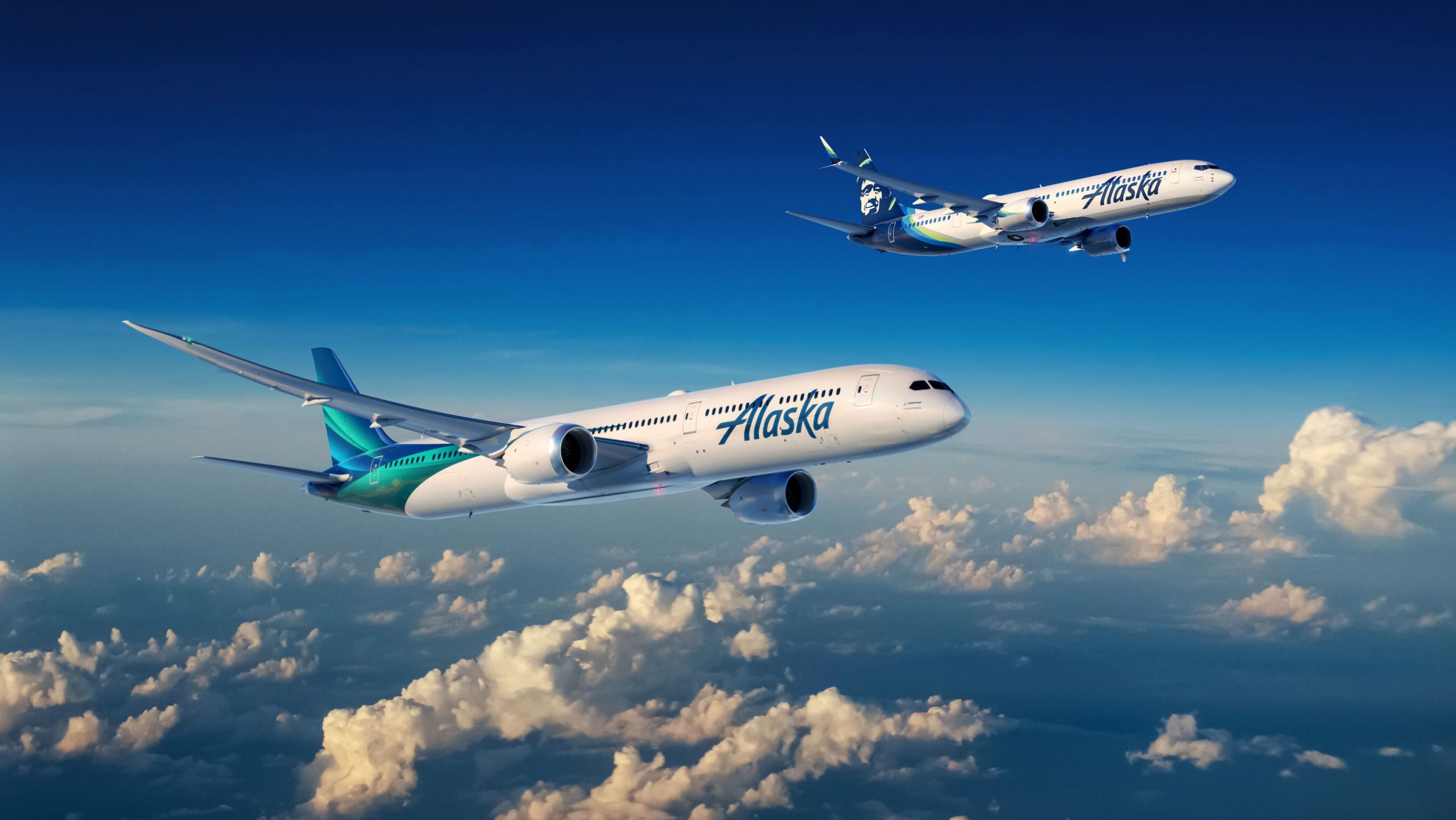
Alaska Airlines has kicked off 2026 with a headline‑grabbing fleet expansion that not only marks the largest aircraft order in the carrier’s 92‑year history but also represents a potentially pivotal moment for Boeing as it seeks to reset its trajectory after several turbulent years.
Announced in Seattle on 7 January, the deal includes 105 Boeing 737‑10 aircraft, options for 35 more, and five Boeing 787 Dreamliners — a combined commitment that cements Alaska’s long‑term growth strategy and deepens its six‑decade partnership with Boeing.
For Boeing, the order is more than a commercial win.
It is a symbolic and strategic boost at a time when the manufacturer is under intense scrutiny, facing certification delays, production challenges, and reputational damage.
The Alaska order, valued in the tens of billions at list prices, could be the first major indicator that 2026 may finally be the year Boeing begins to regain momentum.
A Transformational Fleet Strategy for Alaska Airlines
Alaska’s decision to place such a large order reflects a clear ambition: scale up, modernise, and expand globally.
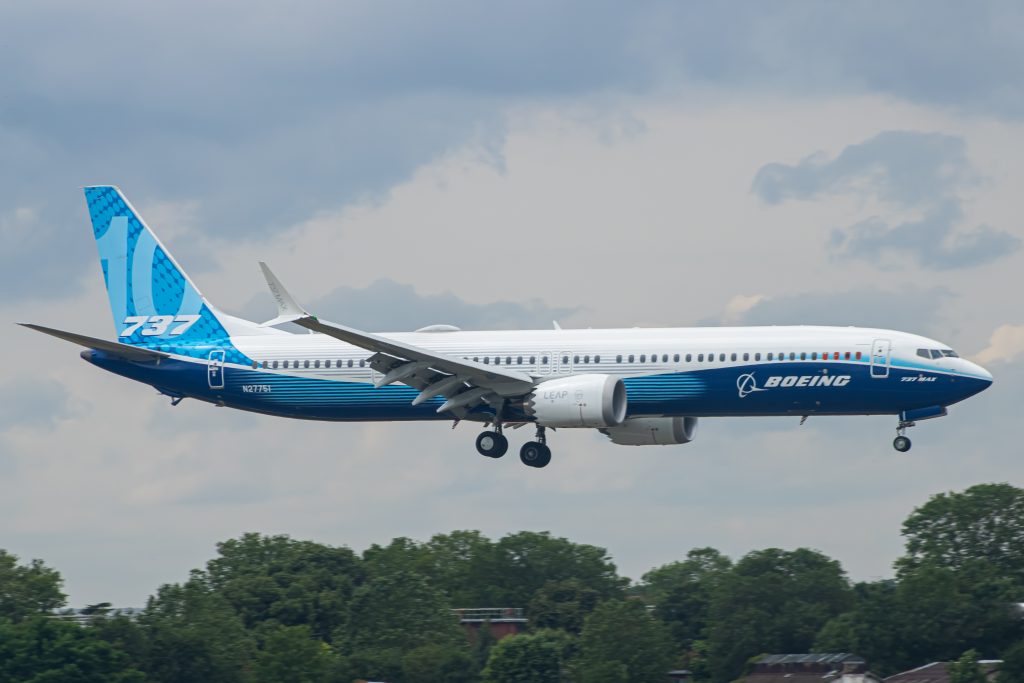
The centrepiece of the deal is the 737‑10, the largest variant of the 737 MAX family.
The airline plans to use the aircraft to serve high‑density routes across the West Coast and beyond, replacing older jets and increasing capacity on competitive corridors.
The order also includes five Boeing 787 Dreamliners, which will enable Alaska to accelerate its long‑haul expansion.
According to the airline, the 787s will support new routes to Europe and Asia, with a target of operating at least 12 long‑haul international destinations from Seattle by 2030.
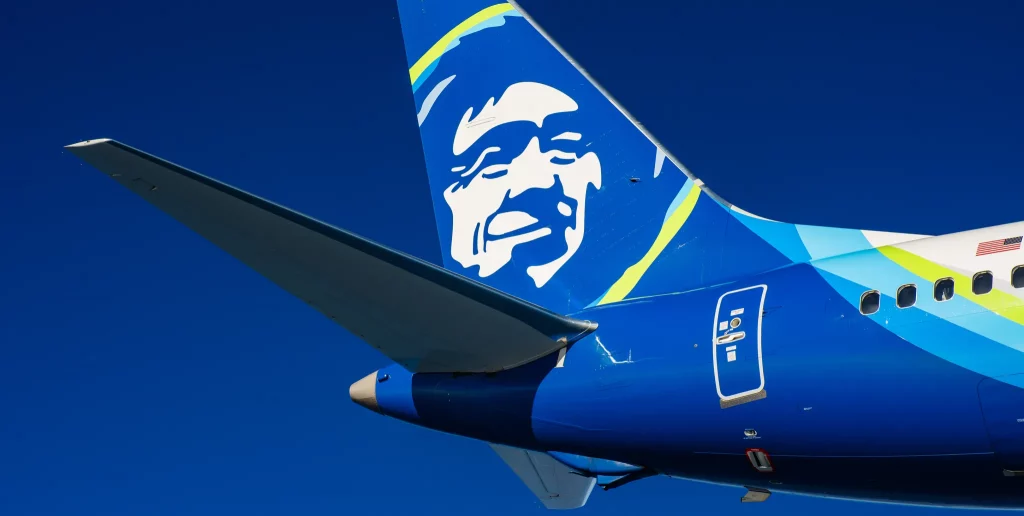
The first 787 in Alaska’s refreshed “global livery” — inspired by the aurora borealis — is already being delivered, marking a symbolic shift toward a more internationally oriented brand identity.
Alaska CEO Ben Minicucci described the order as a “generational investment” that positions the airline for scalable, sustainable growth.
The carrier’s fleet chief told CNBC that securing 737‑10 delivery slots through the mid‑2030s was a key strategic priority, especially given the intense competition for narrowbody production capacity across the industry.
A Vote of Confidence in Boeing — Despite Recent Challenges
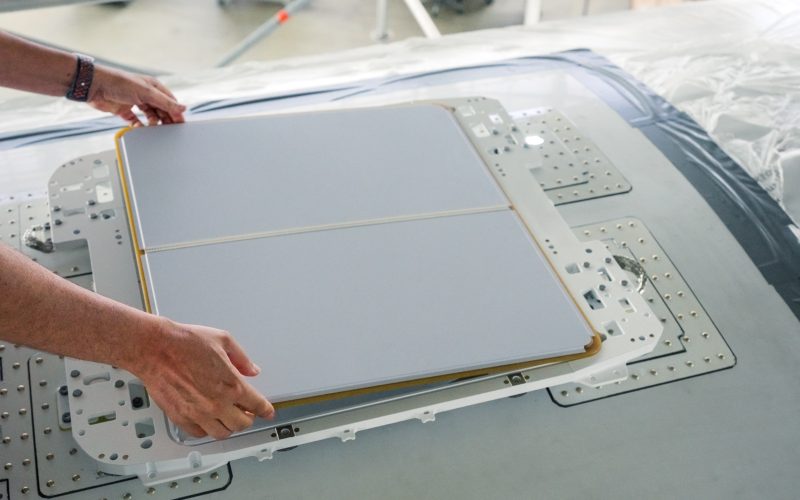
What makes this order particularly notable is its timing. Alaska’s announcement comes less than two years after a high‑profile incident involving a 737 MAX 9, when a door plug panel blew out mid‑flight on an Alaska aircraft.
The event triggered a wave of regulatory scrutiny and renewed public concern about Boeing’s quality control processes.
Yet Alaska’s leadership has made clear that the airline remains confident in Boeing’s long‑term product strategy.
The decision to double down on the MAX family — including the still‑uncertified 737‑10 — signals a belief that Boeing will resolve its regulatory hurdles and deliver the aircraft on a timeline that supports Alaska’s growth plans.
This is not blind optimism.
Alaska has historically operated an all‑Boeing mainline fleet, and the airline’s operational model is deeply aligned with the efficiencies of a single‑type narrowbody strategy.
The 737‑10, with its increased seating capacity and improved fuel burn, fits neatly into Alaska’s cost‑focused approach.
The addition of the 787 Dreamliner further underscores the airline’s trust in Boeing’s widebody programme.
The 787 has been one of Boeing’s most successful aircraft families, despite past production issues, and remains a cornerstone of long‑haul fleet planning for airlines worldwide.
What This Means for Boeing: A Potential Turning Point
For Boeing, the Alaska order is a much‑needed commercial and reputational win.
The manufacturer enters 2026 facing a complex landscape: ongoing certification delays for the 737‑7 and 737‑10, supply chain constraints, and pressure from regulators and airline customers to improve quality and reliability.
Yet the Alaska deal offers several reasons for cautious optimism.
1. A Strong Signal of Customer Confidence
Airlines do not place 100‑plus‑aircraft orders lightly — especially not for an aircraft that has yet to be certified.
Alaska’s willingness to commit to the 737‑10 suggests that major U.S. carriers still see Boeing as a long‑term strategic partner capable of delivering competitive products.
This is particularly important as Boeing seeks to reassure regulators, investors, and the flying public that it is on a path toward stability.
2. A Boost to the 737‑10 Programme
The 737‑10 has faced years of delays, and its certification timeline remains uncertain.
But large orders from major carriers like Alaska help strengthen the programme’s commercial foundation.
They also increase pressure — and provide political cover — for Boeing and the FAA to prioritise certification milestones.
3. Momentum for the 787 Line
The Dreamliner has been a bright spot for Boeing, with strong demand from airlines seeking fuel‑efficient widebodies.
Alaska’s order, though modest in size, reinforces the 787’s role as Boeing’s flagship long‑haul product and adds another blue‑chip U.S. carrier to its customer list.
4. A Psychological Reset for 2026
After years of negative headlines, Boeing desperately needs a narrative shift.
The Alaska order provides exactly that: a story of partnership, growth, and long‑term investment.
It does not erase Boeing’s challenges, but it does offer a foundation on which the company can build a more positive 2026.
Industry Context for Alaska Airlines: A Competitive, Capacity‑Constrained Market
The Alaska order also reflects broader industry dynamics.
Airlines worldwide are scrambling to secure delivery slots amid unprecedented demand for new aircraft.
Airbus has a substantial backlog, and Boeing — despite its issues — remains the only viable alternative for many carriers seeking near‑term capacity.
This supply‑demand imbalance has given Boeing breathing room.
Even with delays, airlines are willing to wait for the 737‑10 because the market offers few substitutes.
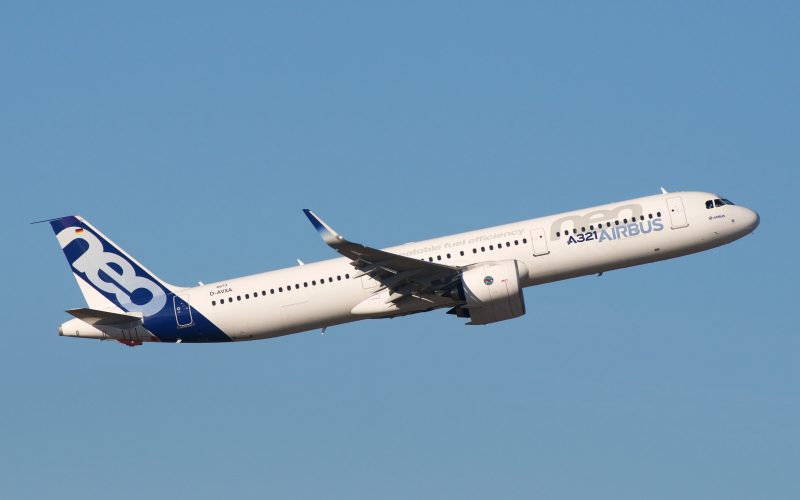
The MAX 10’s closest competitor, the Airbus A321neo, is sold out well into the 2030s.
In this environment, Boeing’s ability to convert interest into firm orders will be a key determinant of its 2026 performance.
Does This Mark the Start of a Successful 2026 for Boeing?
The short answer: it could — but only if Boeing capitalises on the momentum.
The Alaska order is a strong start, but Boeing’s success in 2026 will depend on several critical factors:
- Certification progress for the 737‑7 and 737‑10
- Stabilisation of production rates across the MAX and 787 lines
- Improved quality control, especially in the wake of recent incidents
- Supply chain resilience, particularly among Tier 1 and Tier 2 suppliers
- Winning additional major orders, especially from U.S. and Asia‑Pacific carriers
If Boeing can demonstrate consistent progress on these fronts, the Alaska deal may be remembered as the moment the company began to turn the corner.
But if certification delays persist or new quality issues emerge, the order could instead highlight the risks airlines are taking by betting on Boeing’s recovery.
A Milestone Deal with Industry‑Wide Implications
Alaska Airlines’ record‑breaking order is a transformative moment for the carrier and a potentially pivotal one for Boeing.
It reinforces a long‑standing partnership, accelerates Alaska’s global ambitions, and gives Boeing a much‑needed commercial victory at the dawn of 2026.
Whether this marks the beginning of a sustained resurgence for Boeing will depend on what comes next.
But for now, the manufacturer has secured something it has lacked for years: a clear, positive headline — and a reason for cautious optimism.
Continue to follow The Aviation Hub for more analysis and insight!
Advertise with us Your brand, in front of an aviation audience Home page and in-article placements, sold directly, one advertiser per slot. From £250 a year. See the rates