
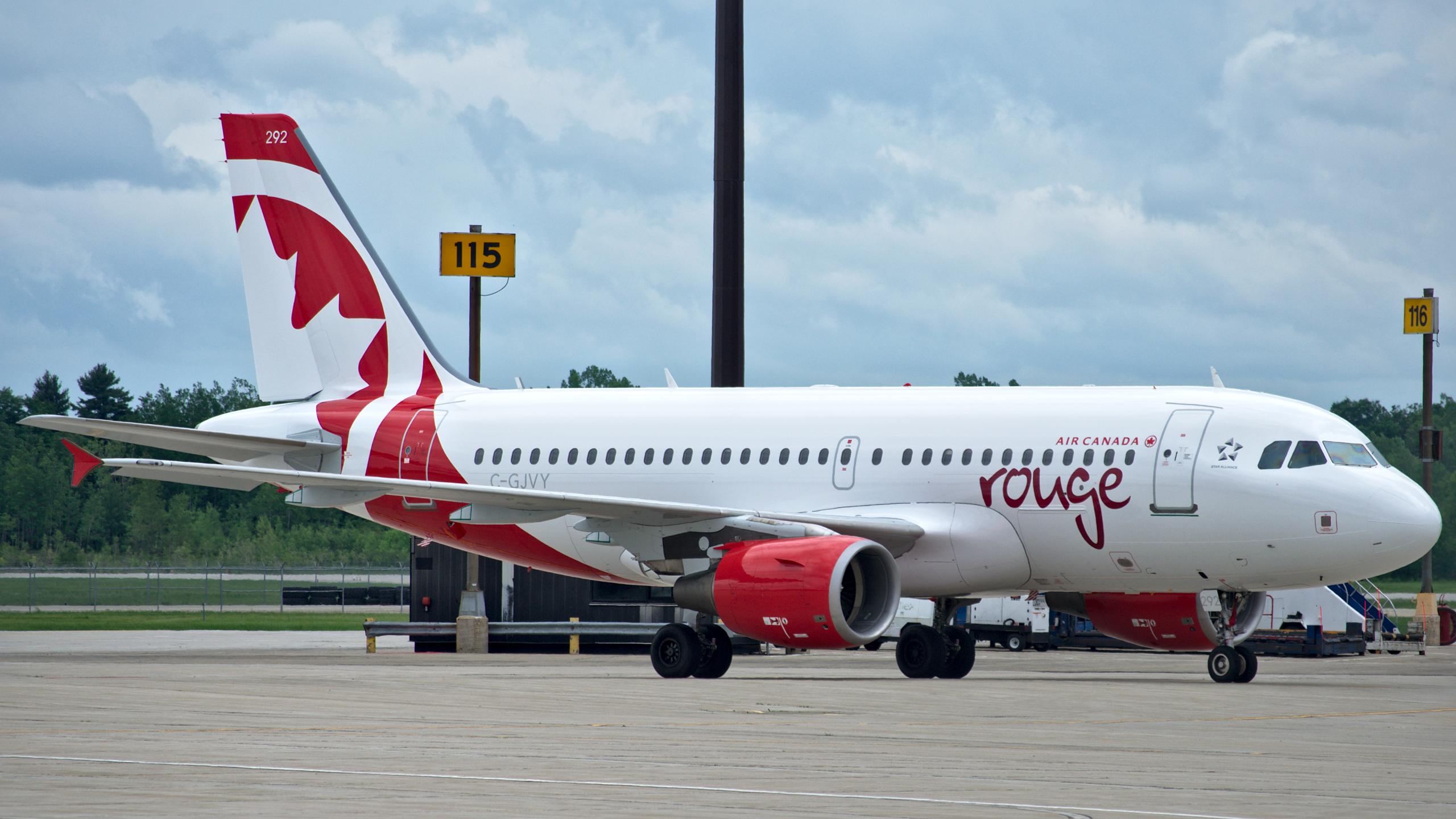
An Air Canada Rouge flight preparing to depart Toronto Pearson International Airport faced an extraordinary and potentially life‑threatening situation in December when a baggage handler became trapped inside the aircraft’s cargo hold.
The incident, which unfolded on December 13, triggered a cascade of delays, an eventual flight cancellation, and serious questions about ground‑handling procedures and safety oversight.
A Routine Departure in Toronto That Quickly Went Wrong
Flight AC1502, scheduled to operate from Toronto (YYZ) to Moncton (YQM), was originally set to depart at 14:00.
The Airbus A319, registered C‑FJQD, had already experienced delays earlier in the day, with boarding not beginning until around 18:30.
As the aircraft pushed back and began taxiing, passengers reported hearing unusual banging and what sounded like shouting coming from beneath the cabin floor.
Initially, the noises caused confusion among those onboard.
With the aircraft stationary on the apron for an extended period, passengers began to speculate about the cause.
It wasn’t until the captain made an announcement over the PA system that the situation became clear: a baggage handler had been inadvertently locked inside the cargo hold.
How the Handler Was Discovered
According to passenger accounts shared on Reddit, the aircraft had already begun taxiing when the noises were first heard.
The crew halted the aircraft’s movement and requested assistance from ground personnel.
The handler was eventually freed, unharmed but understandably shaken.
The discovery was a fortunate one. Had the aircraft taken off with the handler still inside, the consequences could have been catastrophic.
Cargo holds on aircraft like the A319 are not designed for human occupancy during flight.
While some holds are pressurized and heated, temperatures can still drop significantly, and oxygen levels fluctuate.
Extended exposure could lead to hypothermia, frostbite, unconsciousness, or even death.
The fact that passengers heard the banging likely prevented a far more serious outcome.
A Domino Effect of Delays in Toronto
Once the handler was safely removed, the aircraft remained on the apron for roughly an hour as the crew assessed the situation.
By this point, the pilots were approaching their duty‑time limits. When it became clear they would exceed their permitted hours, all passengers were instructed to deboard at approximately 20:22.
Travellers waited in the terminal for nearly two hours before reboarding around 22:00 with a new flight crew.
However, the ordeal was far from over. Shortly after passengers settled back into their seats, the aircraft developed a mechanical issue that required maintenance attention.
By 23:15, passengers were once again asked to disembark.
A replacement aircraft was dispatched and arrived just before midnight, but even then, the situation did not improve.
By 01:50 the following morning, passengers were still waiting in the terminal, and the flight was officially cancelled.
Travellers were rebooked onto a service departing later on December 14, arriving in Moncton roughly 24 hours behind schedule.
The Aircraft and Aftermath
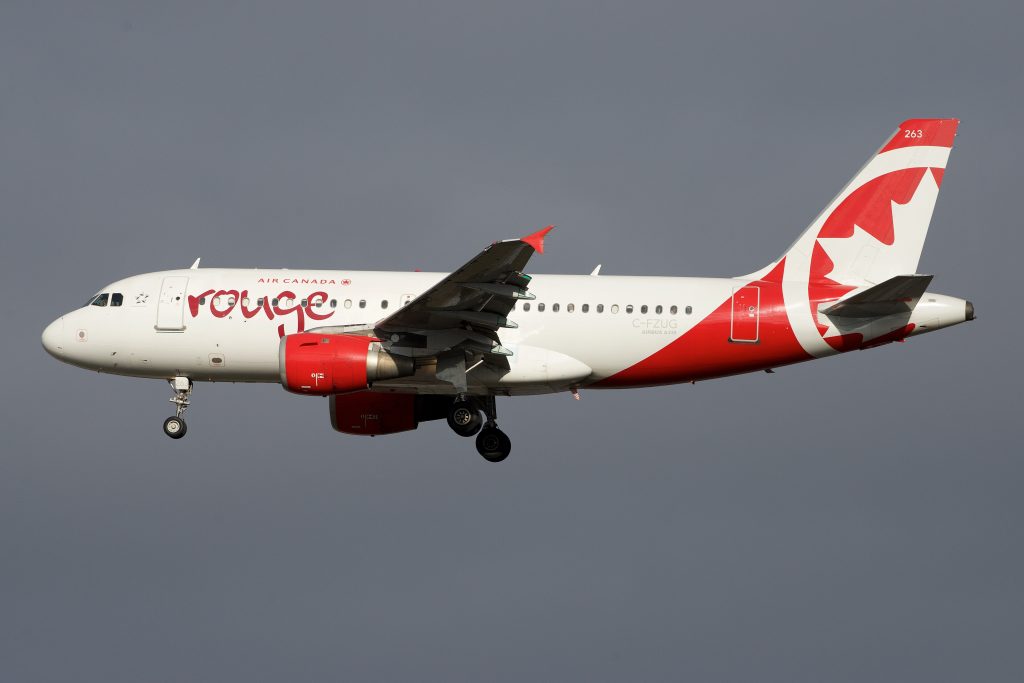
The Airbus A319 involved in the incident reportedly sustained no damage, but it remained grounded following the event.
Air Canada Rouge, along with Air Canada mainline and Air Canada Express, operates regular services between Toronto and Moncton.
Competition on the route is set to increase in 2026, with Flair Airlines planning to launch seasonal flights from May 15.
For the baggage handler, the incident serves as a stark reminder of the risks inherent in ground‑handling operations.
While rare, similar events have occurred in the past across the industry, often involving workers who accidentally fall asleep in cargo compartments or become trapped during rushed turnarounds.
In this case, the handler was alert and able to signal distress, which likely saved their life.
Safety Questions and Industry Context Following Toronto Incident
Aviation safety experts note that ground‑handling environments are among the most complex and time‑pressured operational settings in commercial aviation.
Tight turnaround times, communication breakdowns, and human error can all contribute to incidents like this one.
Airlines typically have strict protocols to ensure all personnel are clear of aircraft before doors are closed, but even well‑designed systems can fail when fatigue or operational stress enters the equation.
The incident also highlights the importance of passenger vigilance.
While passengers are not expected to detect safety issues, their willingness to report unusual sounds or concerns can provide an additional layer of protection.
In this case, the passengers’ alertness directly contributed to preventing a potentially fatal accident.
A Disrupted Journey, but a Narrow Escape
For the passengers of AC1502, the experience was undoubtedly frustrating—multiple delays, repeated boarding and deboarding, and an eventual cancellation.
Yet the disruption pales in comparison to what might have occurred had the aircraft departed with the handler still trapped in the hold.
Air Canada has not publicly released detailed findings from the incident, but it is expected that internal reviews and procedural checks will follow.
For now, the event stands as a dramatic reminder of the importance of rigorous safety practices on the ground as well as in the air.
Continue to follow The Aviation Hub for more analysis and insight!
Advertise with us Your brand, in front of an aviation audience Home page and in-article placements, sold directly, one advertiser per slot. From £250 a year. See the rates