Loganair Blocked from Guernsey Routes as TLA Rejects Licence Bid
 By The Aviation Hub
4 min read
By The Aviation Hub
4 min read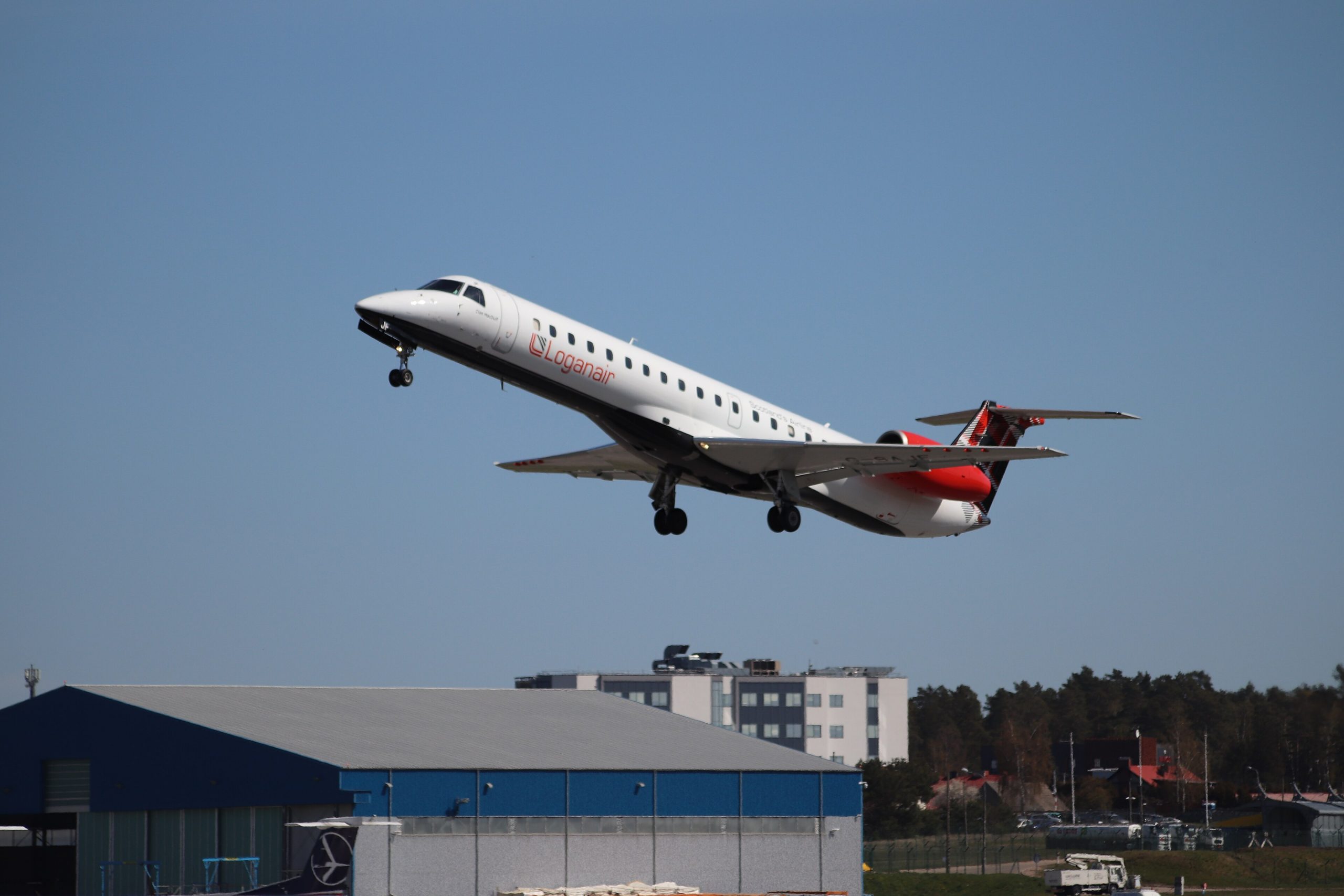
Guernsey has decided to deny Loganair the licences needed to operate flights to Jersey and Southampton, which has triggered a significant shake‑up in the Channel Islands’ aviation landscape, leaving the Scottish carrier with no option but to withdraw entirely from the island from mid‑January.
The move effectively hands Aurigny, the States‑owned airline, a temporary monopoly on key regional routes until at least the spring.
Loganair had stepped in last November following the collapse of Blue Islands, providing continuity on routes that connect Guernsey with its closest neighbours.
Loganair & It’s Battle With Guernsey…
Its presence was widely seen as a stabilising force during a turbulent period for island connectivity.
However, the airline confirmed it will now cancel and refund all flights to and from Guernsey from 15 January, citing the licensing decision as the decisive factor.
In a statement, the airline did not hide its frustration. While acknowledging disappointment, Loganair also suggested the outcome was predictable given the political and commercial dynamics at play.
The refusal comes less than a month after Guernsey authorities granted Aurigny permission to operate inter‑island services—an approval that effectively re‑established the States‑owned carrier as the dominant operator in the region.
The timing has raised eyebrows among industry observers.
With British Airways not due to begin its daily Heathrow Terminal 5 service until April, Aurigny will now enjoy several months of uncontested control over flights in and out of the Bailiwick.
For passengers, this means fewer choices and potentially higher fares during a period when regional connectivity is already under scrutiny.
The Airline Still Has The Door Open…
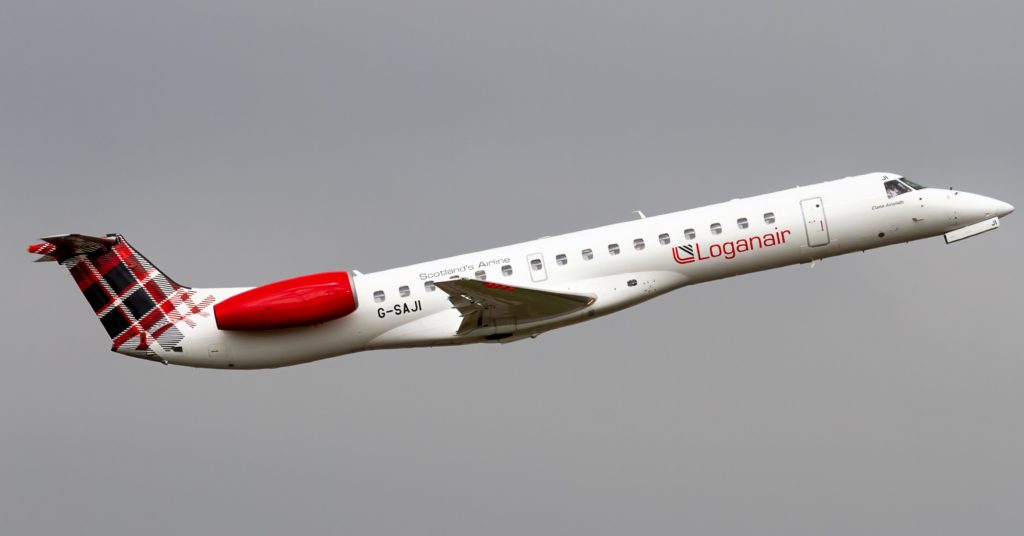
Loganair’s response also included a pointed comparison between its own business model and that of Aurigny.
The airline described itself as a “family‑owned, profitable, debt‑free regional airline” and emphasised that it does not rely on taxpayer support to sustain its operations.
The implication was clear: Loganair sees itself as a financially stable, commercially disciplined alternative to state‑subsidised carriers.
Despite the setback, Loganair’s leadership insists the door to Guernsey is not closed.
CEO Luke Farajallah expressed a desire to return to the island in the future, positioning the airline’s ongoing operations in Jersey as a proving ground for its reliability and customer‑focused ethos.
He pledged that Loganair would demonstrate “reliable schedules, clear communication, and care when plans change”—a subtle but unmistakable contrast to the operational challenges Aurigny has faced in recent years.
Farajallah’s message was both conciliatory and strategic.
He stressed that Loganair remains ready to bring its “experience, scale, resilience, vast network and codeshare relationships” to support Guernsey’s residents and visitors.
The airline, he said, is open to renewed dialogue with the island’s leadership should circumstances change.
The Broader Implications of the Decision from Guernsey…
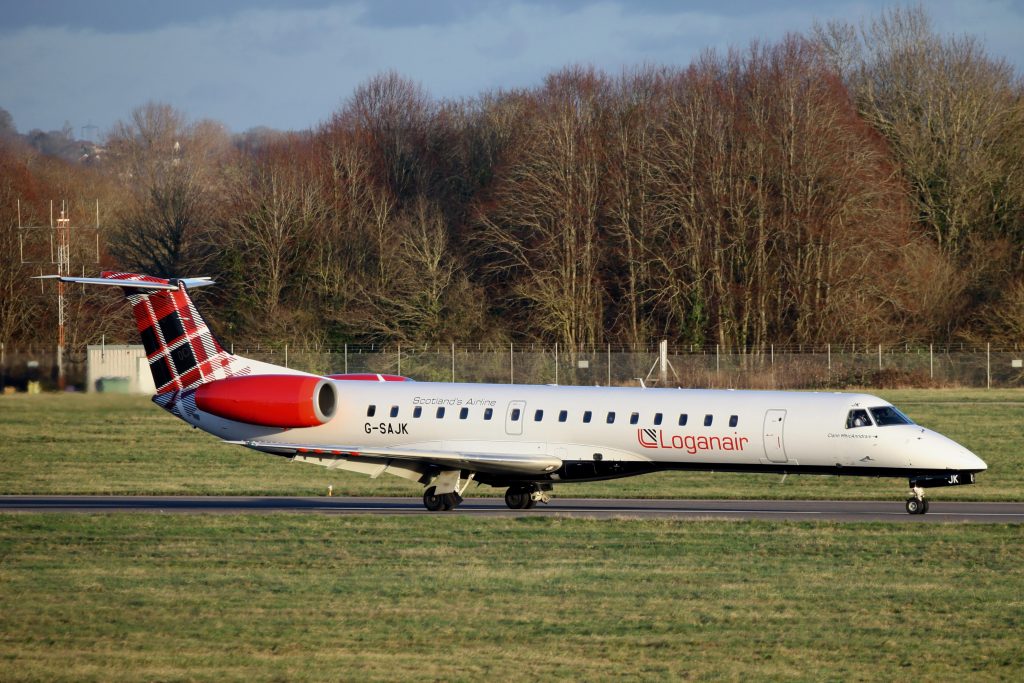
The broader implications of Guernsey’s decision extend beyond a single airline’s withdrawal.
Regional connectivity is a lifeline for island communities, underpinning economic activity, tourism, healthcare access, and social mobility.
The sudden removal of a competitor raises questions about the long‑term sustainability of a market dominated by a single operator—particularly one that relies on public funding.
Aurigny has long been a politically sensitive topic within the Bailiwick.
While the airline plays a crucial role in maintaining essential links, it has also faced criticism over financial losses, operational reliability, and its dependence on taxpayer support.
The return to a monopoly environment may intensify scrutiny of its performance in the months ahead.
For passengers, the immediate concern will be the practical impact.
With Loganair’s exit, travellers who had booked flights beyond 15 January will need to seek alternatives, likely at higher prices and with fewer scheduling options.
The gap in service also places additional pressure on Aurigny to deliver consistent, dependable operations during a period of heightened demand.
British Airways’ arrival in April will provide some relief, reintroducing competition on the key London route.
However, BA’s service is focused on long‑haul connectivity rather than regional mobility, meaning the inter‑island and short‑haul markets remain heavily dependent on Aurigny’s performance.
What Next?
In the meantime, Loganair’s withdrawal serves as a reminder of the delicate balance required to maintain robust air links in small, isolated markets.
Commercial viability, political oversight, and community needs must all align—something that is rarely straightforward in the Channel Islands’ complex aviation ecosystem.
Whether Loganair will eventually return to Guernsey remains to be seen.
For now, the airline is focusing on strengthening its presence in Jersey, hoping that a track record of reliability and customer care will eventually persuade Guernsey’s authorities to reconsider.
Until then, the Bailiwick enters a new chapter in its aviation story—one defined by limited choice, heightened expectations, and a renewed debate about the future of regional air travel.
Continue to follow The Aviation Hub for more analysis and insight!
Advertise with us Your brand, in front of an aviation audience Home page and in-article placements, sold directly, one advertiser per slot. From £250 a year. See the rates