
Airlines around the world are facing renewed scrutiny over the carriage and use of power banks on board aircraft, following a noticeable uptick in lithium‑ion battery incidents.
A recent report highlighted that carriers are increasingly being pushed to tighten rules—or even consider outright bans—after multiple in‑flight fires linked to portable chargers disrupted operations and endangered passengers and crew.
The concern is not new. Lithium‑ion batteries have long been recognized as a fire risk, particularly in the confined environment of an aircraft cabin.
But the frequency of recent events, combined with the growing number of passengers carrying multiple electronic devices, has amplified calls for stricter regulation.
Several airlines and regulators have already begun responding, implementing new restrictions or reinforcing existing guidelines.
A Surge in Power Bank‑Related Incidents
The latest wave of concern stems from a series of incidents in late 2025 and early 2026.
One of the most recent occurred aboard a T’way Air flight operating from China to South Korea, where smoke began emanating from a passenger’s power bank mid‑flight.
Cabin crew quickly submerged the device in water and isolated it, but several passengers and crew members were exposed to smoke and required medical attention upon landing.
This event, highlighted in the Simple Flying report, has become emblematic of the broader trend.
Two additional incidents in the first weeks of 2026 have further intensified the debate.
Asiana Airlines A330 Fire Causes Passenger Injury
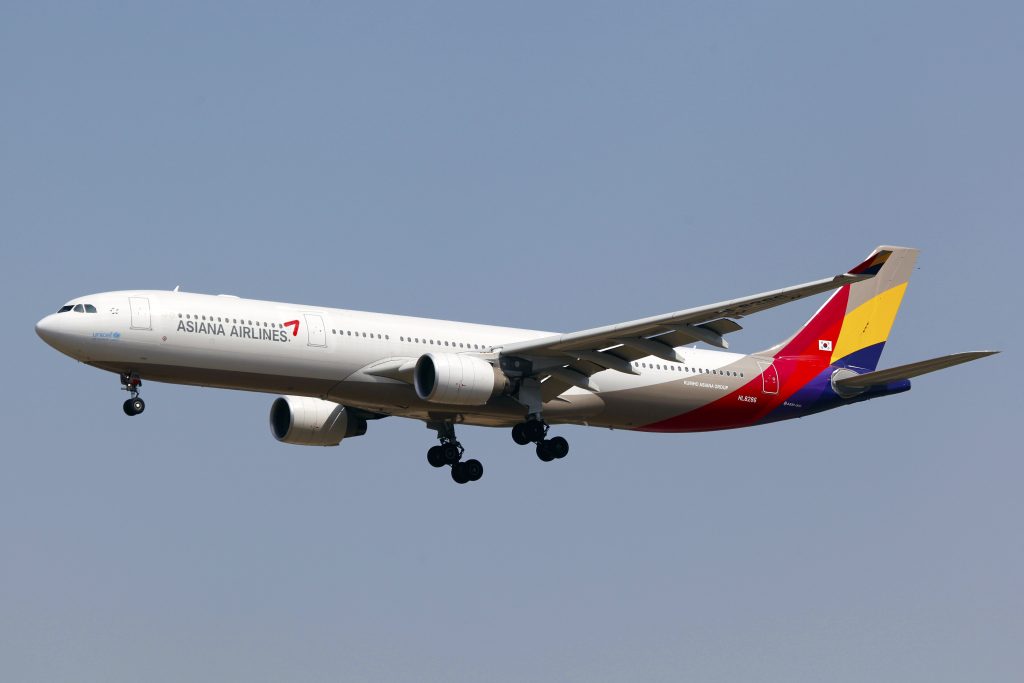
On 8 January 2026, an Asiana Airlines Airbus A330‑300 operating flight OZ745 from Seoul to Hong Kong experienced a power bank thermal runaway event approximately two hours into the flight.
According to The Aviation Herald, the device caught fire, injuring the passenger who owned it.
Cabin crew extinguished the flames within one to two minutes and contained the device, allowing the flight to continue safely to Hong Kong.
The injured passenger suffered burns to their hands, underscoring the severity of even small‑scale lithium‑ion failures in flight.
Although the crew responded effectively, the incident has been widely cited by safety advocates as evidence that current rules may not go far enough.
Another Power Bank Ignites Days Later
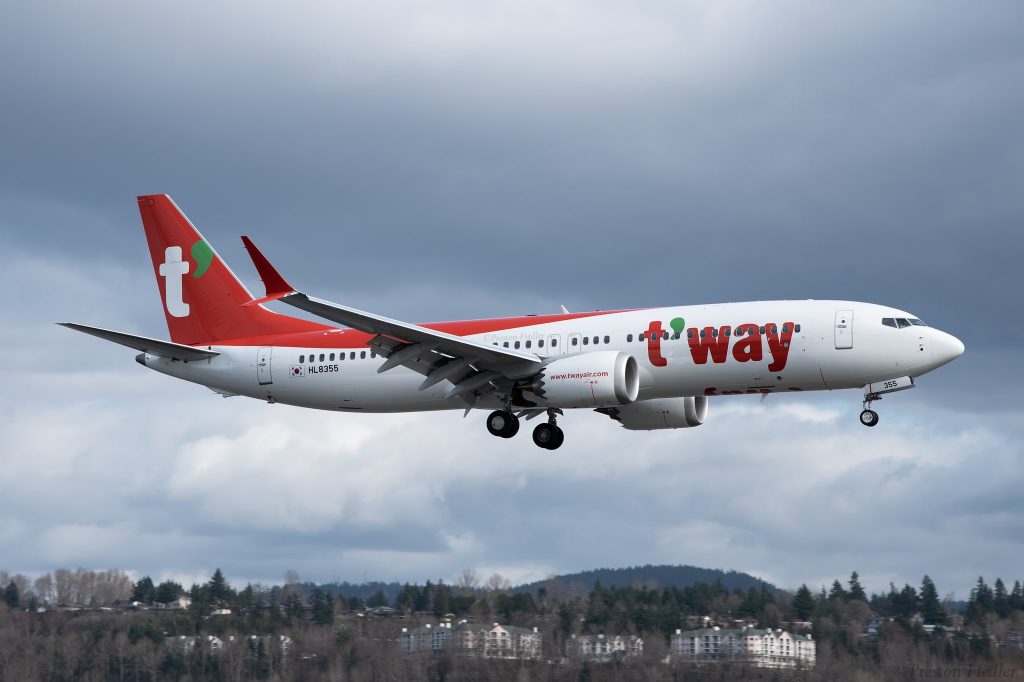
Just days after the Asiana event, another power bank‑related incident occurred on 10 January 2026.
The Aviation Herald reported that a passenger’s power bank overheated and emitted smoke during a flight, prompting crew intervention and raising further concerns about the reliability of consumer‑grade battery packs carried on board.
This resulted in eight injuries onboard the T’way Boeing 737 MAX 8 aircraft.
These back‑to‑back events have contributed to a growing sense of urgency among regulators and airlines alike.
Why Power Banks Pose a Unique Risk
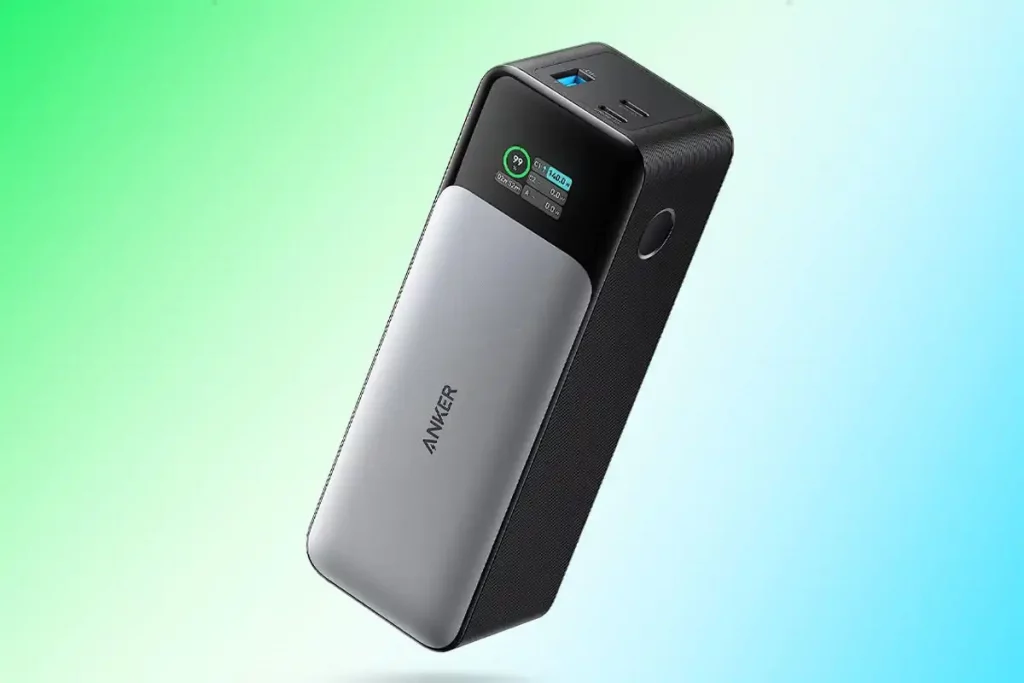
Power banks contain lithium‑ion cells that can enter a state known as thermal runaway—a rapid, uncontrolled increase in temperature that can lead to fire or explosion.
In an aircraft cabin, where oxygen levels, pressure, and space constraints complicate firefighting efforts, even a small device malfunction can escalate quickly.
Airlines have long required that spare lithium‑ion batteries, including power banks, be carried in the cabin rather than checked baggage.
This ensures that crew can respond immediately if a device overheats. However, the rise in incidents suggests that visibility and accessibility alone may not be enough.
Some regulators, such as India’s Directorate General of Civil Aviation (DGCA), have already issued circulars warning of “numerous” global safety occurrences involving lithium batteries and urging airlines to strengthen onboard safety measures.
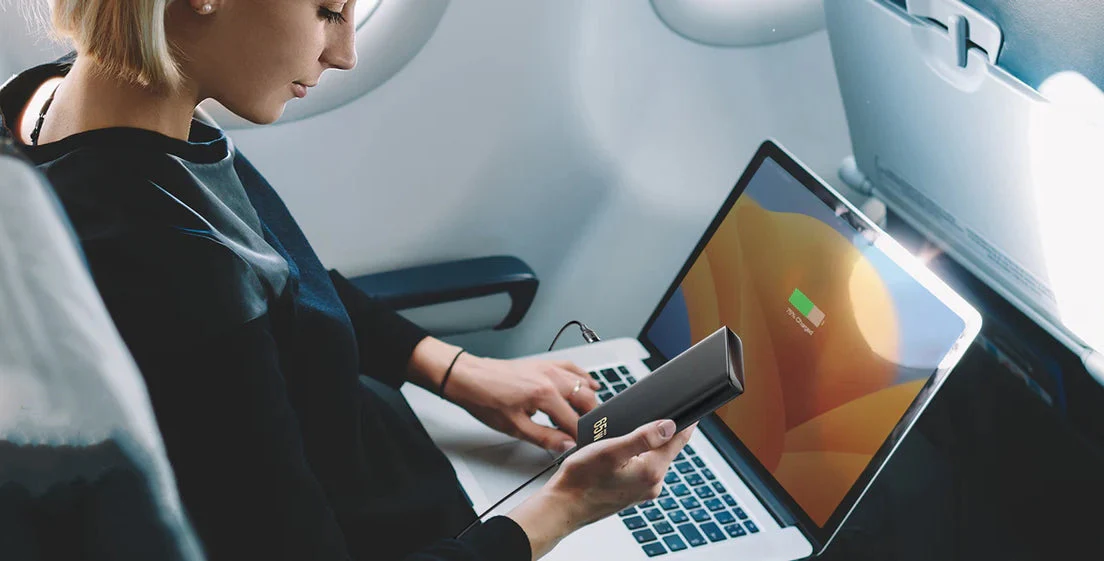
In response, several carriers have begun restricting the use of power banks during flight, even if they remain permitted in carry‑on bags.
Airlines Begin Tightening Their Policies on Power Banks…
A growing number of airlines are implementing new rules to mitigate the risk.
According to industry reports, some carriers now prohibit passengers from using power banks during flight, while others require that the devices remain visible at all times when in use.
Singapore Airlines and Hong Kong regulators have already introduced no‑use policies, and Emirates is set to implement stricter rules later in 2025.
These measures reflect a shift from simply managing incidents to actively preventing them.
By limiting usage, airlines aim to reduce the likelihood of overheating caused by charging cycles or physical damage while the device is in a passenger’s possession.
Calls for a Broader, Industry‑Wide Response
The recent spate of incidents has prompted aviation safety experts to call for more consistent, global standards.
While the FAA, EASA, and ICAO all provide guidance on lithium‑ion battery carriage, enforcement varies widely between jurisdictions and airlines.
Some industry observers argue that the current patchwork of rules creates confusion for passengers and leaves gaps in safety.
A more unified approach—potentially including mandatory no‑use policies, stricter watt‑hour limits, or even bans on certain types of power banks—could help reduce risk.
However, any move toward stricter regulation must balance safety with practicality.
Power banks have become essential travel accessories, especially on long‑haul flights where passengers rely on personal devices for entertainment, work, and communication.
A total ban could face significant pushback from travelers and consumer electronics manufacturers.
The Role of Manufacturers and Certification Standards
Another area under scrutiny is the quality and certification of power banks themselves.
Many incidents involve low‑cost, uncertified, or counterfeit devices that fail to meet international safety standards.
Regulators and airlines may increasingly pressure manufacturers to adopt more rigorous testing and clearer labelling.
Some experts have suggested that airlines could require passengers to carry only certified power banks—similar to how certain airports restrict non‑compliant e‑bikes or hoverboards.
This approach would shift some responsibility upstream, reducing the number of potentially dangerous devices entering the cabin.
Power Banks on Airplanes: A Growing Challenge for a Device‑Dependent World
As passengers carry more electronics than ever before, the aviation industry faces a complex challenge.
Power banks are both indispensable and potentially hazardous, and the recent incidents highlight the need for a more proactive approach to managing their risks.
The events aboard T’way Air & Asiana Airlines, and other carriers in recent weeks have served as a stark reminder that even small devices can pose significant dangers at 35,000 feet.
While cabin crews have repeatedly demonstrated their ability to respond swiftly and effectively, relying solely on reactive measures may no longer be sufficient.
Airlines, regulators, and manufacturers now find themselves at a crossroads.
Whether the solution lies in stricter rules, better device standards, enhanced passenger education, or a combination of all three, the pressure to act is mounting.
Continue to follow The Aviation Hub for more analysis and insight!
Advertise with us Your brand, in front of an aviation audience Home page and in-article placements, sold directly, one advertiser per slot. From £250 a year. See the rates