
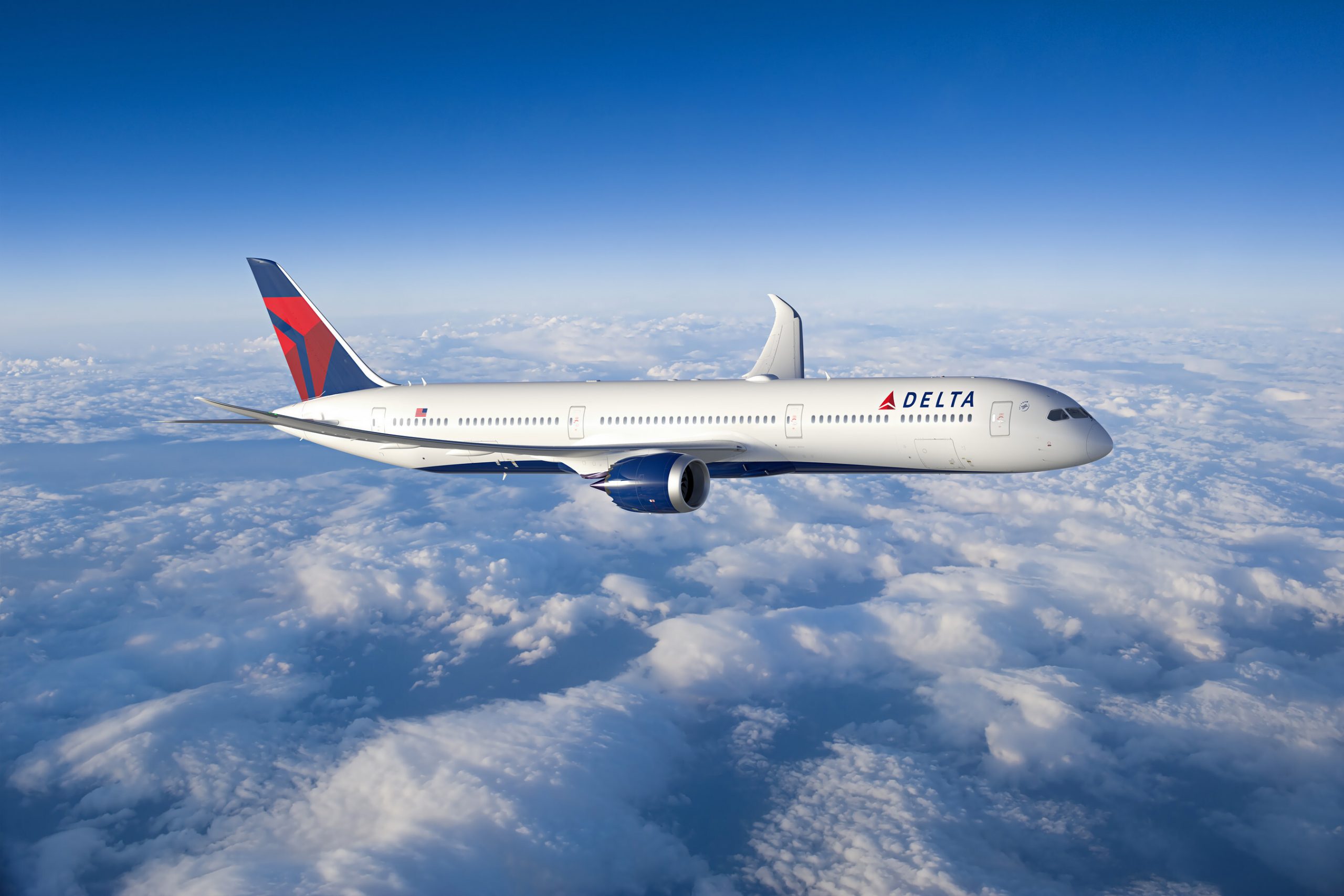
Delta Air Lines has taken a decisive step in reshaping its long‑haul future, announcing a landmark agreement with Boeing for up to 60 787 Dreamliners—its first direct purchase of the type.
The deal, unveiled on 13 January 2026 in Seattle, marks a strategic pivot for the Atlanta‑based carrier as it seeks to expand international flying, modernize its widebody fleet, and improve fuel efficiency across its global network.
The order comprises 30 firm 787‑10 aircraft—the largest variant in Boeing’s Dreamliner family—with options for an additional 30 jets.
If all options are exercised, Delta’s total commitment would reach 60 aircraft, representing one of the airline’s most significant widebody investments in recent years.
A Strategic Shift in Delta’s Long‑Haul Playbook
For more than a decade, Delta’s long‑haul fleet strategy has leaned heavily toward Airbus, with the A350‑900 and A330neo forming the backbone of its international operations.
The decision to introduce the 787‑10 marks a notable diversification of its widebody portfolio and deepens its industrial partnership with Boeing, which already supplies more than 460 aircraft to Delta’s fleet.
Delta CEO Ed Bastian framed the order as a forward‑looking investment designed to strengthen the airline’s competitive position on key global routes.
“Delta is building the fleet for the future, enhancing the customer experience, driving operational improvements and providing steady replacements for less efficient, older aircraft in the decade to come,” Bastian said in the announcement.
The 787‑10s will be deployed primarily on high‑demand transatlantic and South American routes—markets where Delta has seen sustained growth and where fuel‑efficient, high‑capacity aircraft can deliver meaningful cost advantages.
Why the Boeing 787‑10?
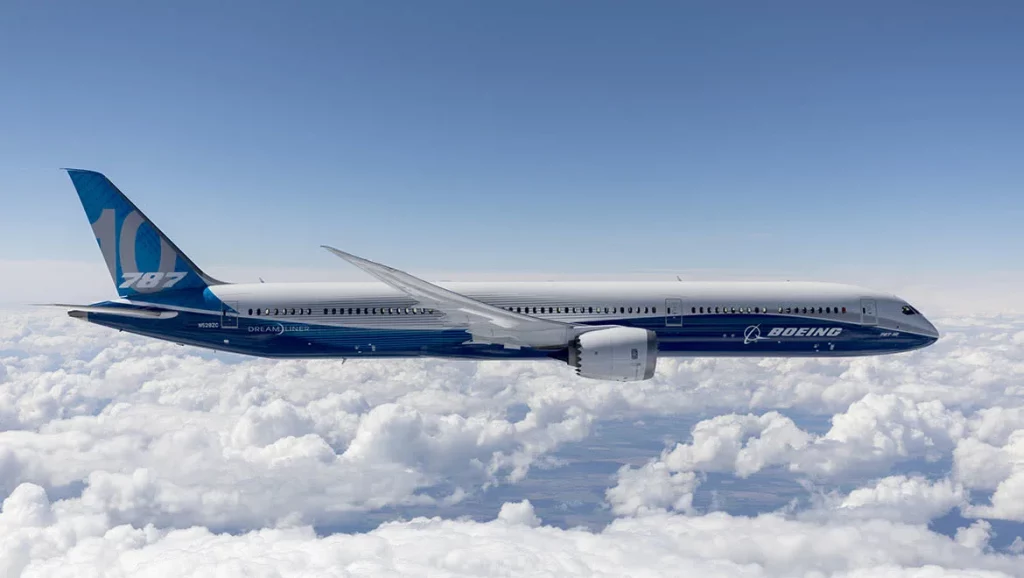
The Boeing 787‑10 is the largest Dreamliner variant, capable of carrying up to 336 passengers depending on configuration.
It offers a range of around 6,430 nautical miles, making it well‑suited for Delta’s medium‑to‑long‑haul missions across the Atlantic and into South America.
Key advantages include:
- Fuel efficiency: The 787 family burns significantly less fuel than the older widebodies it will replace, contributing to Delta’s long‑term sustainability goals.
- Passenger comfort: Features such as larger windows, improved cabin pressurization, and quieter interiors align with Delta’s premium‑focused customer strategy.
- Operational flexibility: The 787‑10’s size and economics make it ideal for high‑density international routes where Delta competes with major global carriers.
Delta has selected GEnx engines to power the aircraft, continuing its long‑standing relationship with GE Aerospace and ensuring commonality with other parts of its fleet.
Fleet Renewal and Growth
The order is part of a broader modernization effort that now brings the airline’s Boeing order book to 130 aircraft, including 100 737‑10s already on order.
The airline has been steadily retiring older, less efficient widebodies—including the Boeing 767 fleet—and the 787‑10 will play a central role in replacing those aircraft over the next decade.
The move also positions Delta to capture additional international demand as global travel continues to rebound.
The airline posted record revenue in 2025, generating $63.4 billion in operating revenue and $5.8 billion in GAAP operating income, according to AeroTime’s reporting on the same day the order was announced.
With strong financial performance and diversified revenue streams, Delta is well‑placed to make long‑term fleet investments.
A Boost for Boeing
For Boeing, the order represents a significant commercial win at a time when the manufacturer is working to stabilize production and rebuild confidence across its product lines.
The Dreamliner program, in particular, has seen renewed momentum as airlines prioritize fuel efficiency and sustainability in their fleet strategies.
The Delta deal reinforces the 787‑10’s position as a preferred aircraft for high‑capacity international operations and adds another major U.S. carrier to the Dreamliner customer list.
Customer Experience at the Forefront of Delta…
The carrier plans to outfit the 787‑10 with its latest cabin products, including:
- Delta One Suites
- Premium Select
- Comfort+
- Main Cabin
These interiors will align with the airline’s premium‑led strategy, which has been a major driver of revenue growth in recent years.
The Dreamliner’s spacious cabin architecture will support the airline’s efforts to deliver a consistent, elevated experience across its long‑haul fleet.
Looking Ahead for Delta…
The first deliveries are expected later in the decade, with the aircraft gradually entering service as the airline phases out older widebodies and expands its global footprint.
The combination of improved economics, enhanced passenger comfort, and strategic route deployment positions the 787‑10 as a cornerstone of the airline’s long‑term international strategy.
As the airline continues to balance growth with sustainability and operational efficiency, the Dreamliner order signals a clear commitment to building a modern, competitive, and customer‑centric fleet for the next generation of global travel.
Continue to follow The Aviation Hub for more analysis and insight!