
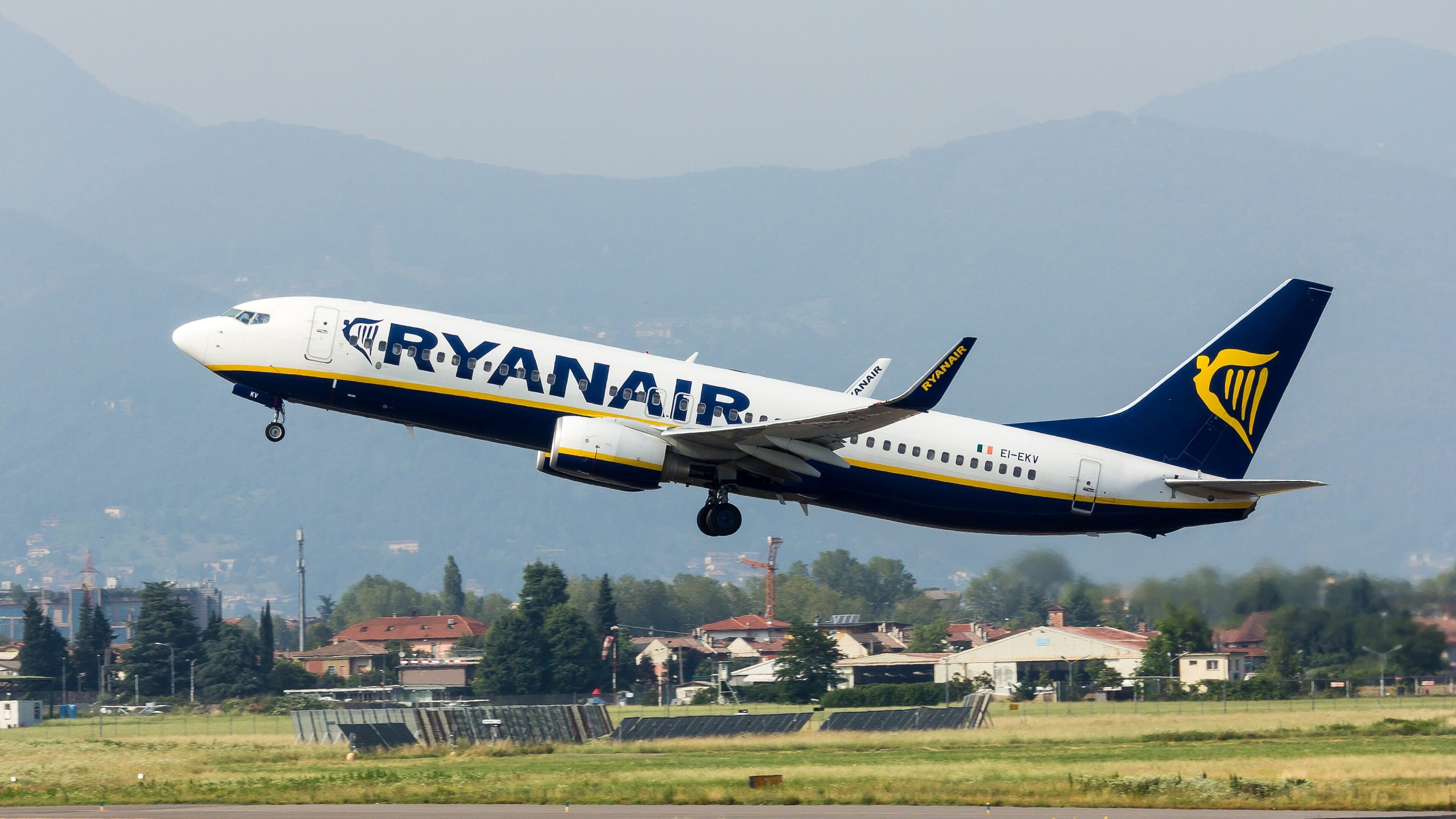
Ryanair has announced major cuts to its Belgium operations for 2026 and 2027, warning that newly proposed passenger taxes at both national and local levels will undermine the country’s competitiveness and push travellers, jobs, and investment to rival European markets.
The airline, which is Europe’s largest by passenger volume, confirmed on 14 January that it will remove 1.1 million seats from its Charleroi schedule in 2026, with a further 1.1 million seats to be cut in 2027 if the Belgian government proceeds with a five‑fold increase in federal aviation taxes.
The move marks one of the most significant retrenchments by a major carrier in Belgium in recent years and comes at a time when several EU states are actively reducing or abolishing aviation taxes to stimulate growth.
Ryanair argues that Belgium is moving in the opposite direction, imposing what it describes as “silly” and counterproductive levies that will drive passengers to lower‑cost markets.
A Double Tax Hit for Travellers in Belgium…
The dispute centres on two separate tax measures.
First, Charleroi City Council has announced plans to introduce a €3 per‑passenger local tax on all departing travellers from April 2026.
Second, the Belgian federal government intends to raise national passenger taxes from €2 in January 2025 to €10 by January 2027—a five‑fold increase.
Ryanair says these combined measures will make Belgium one of the most expensive short‑haul markets in Europe, particularly at a time when other countries are moving in the opposite direction.
Sweden, Slovakia, Hungary, Italy, and Albania have all abolished aviation taxes in recent years, citing the need to boost tourism, improve connectivity, and support employment in the travel sector.
The airline argues that Belgium’s approach is out of step with broader European trends and ignores the lessons learned from other markets where aviation taxes have been shown to suppress demand.
Impact on Passenger Numbers and Jobs in Belgium…
Ryanair currently carries 11.6 million passengers to and from Belgium annually, making it the country’s largest airline.
However, the carrier now expects this figure to fall to 10.6 million in 2026 if Charleroi’s €3 tax is implemented.
Should the federal government proceed with its planned tax increases, Ryanair forecasts a further decline to 9.6 million passengers in 2027.
The airline warns that these reductions will translate into fewer flights, reduced tourism spending, and job losses across airports, hospitality, and support industries.
Ryanair has long argued that low‑fare carriers are highly sensitive to changes in cost structures and that even modest increases in taxes can lead to significant shifts in capacity.
The airline also points to the broader regulatory environment in Europe, including the EU Emissions Trading Scheme (ETS), which applies only to intra‑EU flights.
Ryanair says this already places European carriers at a competitive disadvantage compared with long‑haul airlines operating outside the bloc.
Adding further national taxes, the airline argues, will only deepen this imbalance.
A Warning to Prime Minister De Wever
Ryanair has called on Belgian Prime Minister Bart De Wever to reverse the planned tax increases, arguing that they will damage the country’s competitiveness at a time when Europe is under pressure to improve productivity and efficiency.
The airline references the recent Draghi Report, which urged EU member states to adopt policies that enhance competitiveness rather than hinder it.
According to Ryanair, Belgium risks isolating itself by pursuing policies that have been abandoned elsewhere in Europe.
The airline says that if the government wants to support economic growth, it should remove barriers to travel rather than introduce new ones.
Ryanair’s Long‑Standing Presence in Belgium
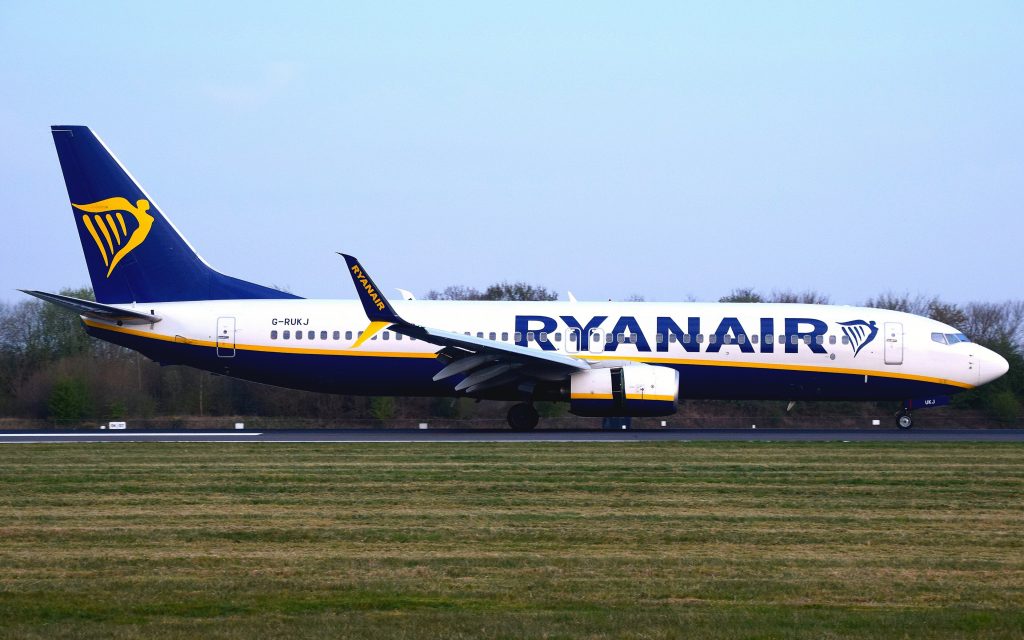
Ryanair has operated in Belgium for more than two decades and has played a central role in the growth of Charleroi Airport, which has become one of the airline’s key European bases.
The carrier argues that its low‑fare model has helped stimulate tourism, create jobs, and expand connectivity for Belgian travellers.
However, Ryanair warns that this growth cannot be taken for granted.
The airline says that aircraft and passengers are highly mobile and will naturally gravitate toward markets with lower costs and fewer regulatory burdens.
If Belgium becomes less competitive, Ryanair says it will have no choice but to reallocate capacity to other European airports.
O’Leary’s Uncompromising Critique
Ryanair CEO Michael O’Leary delivered a characteristically blunt assessment of the Belgian government’s plans, insisting that the tax increases will harm the country’s aviation sector and wider economy.
His statement, which Ryanair says must be taken at face value, reads:
“Only the Belgium Govt could be so silly to raise Aviation Taxes five-fold, at a time when Sweden, Hungary, Italy, Slovakia and Albania are abolishing their Aviation Taxes.”
“These taxes have failed, and have damaged air travel and tourism in many EU countries, which is why they are being scrapped.”
“In Belgium however, the De Wever Govt seems determined to fail, while others are succeeding.”
“Having enjoyed Ryanair’s low fare growth at Charleroi and Zaventem Airport over the last 20 years, the Govt has now decided to raise aviation Taxes (by 5-fold!!) at a time, when almost all other EU States are abolishing them.”
“What these silly politicians don’t understand is that aircraft and passengers are mobile.”
“If Belgium wants to tax passengers, then they simply switch to lower cost, non-tax, destinations, like Sweden, Italy, Hungary, Slovakia and Albania. Belgium’s loss will be to the gain of these lower cost, tax-cutting States.”
“When the Draghi Report has called on Europe to become more competitive, the De Wever Govt seems determined to make Belgium even less competitive.”
“Raising taxes will deliver fewer flights, less passengers, less tourism, and cost thousands of jobs at both, Zaventem and Charleroi Airports.”
“The solution to this challenge is easy: Scrap these damaging aviation taxes (as many other EU States have), and allow Ryanair to continue to grow, especially at Charleroi, where over the last 20 years, Ryanair has grown to be Belgium’s largest airline.”
“This growth can easily be lost to tax abolishing countries like Sweden, Hungary, Slovakia and Italy, and if Charleroi and Belgium don’t reverse these taxes, then Ryanair will cut 1.1m pax in 2026 and another 1.1m in 2027, and we will keep cutting until Belgium’s silly Govt works out that taxing traffic is not the way to grow tourism/jobs, it simply sends them to other lower cost, zero-tax, competitor destinations elsewhere in Europe.”
A Critical Juncture for Belgian Aviation
The coming months will determine whether Belgium proceeds with its planned tax increases or reconsiders in light of industry pressure.
For Ryanair, the message is clear: if Belgium continues down this path, the airline will continue to reduce capacity, and the consequences will be felt across the aviation and tourism sectors.
For policymakers, the challenge will be balancing environmental and fiscal objectives with the need to maintain competitiveness in a rapidly evolving European market.
With other EU states actively courting airlines through tax reductions, Belgium now faces a strategic choice—one that could shape the future of its aviation sector for years to come.
Continue to follow The Aviation Hub for more analysis and insight!
Advertise with us Your brand, in front of an aviation audience Home page and in-article placements, sold directly, one advertiser per slot. From £250 a year. See the rates