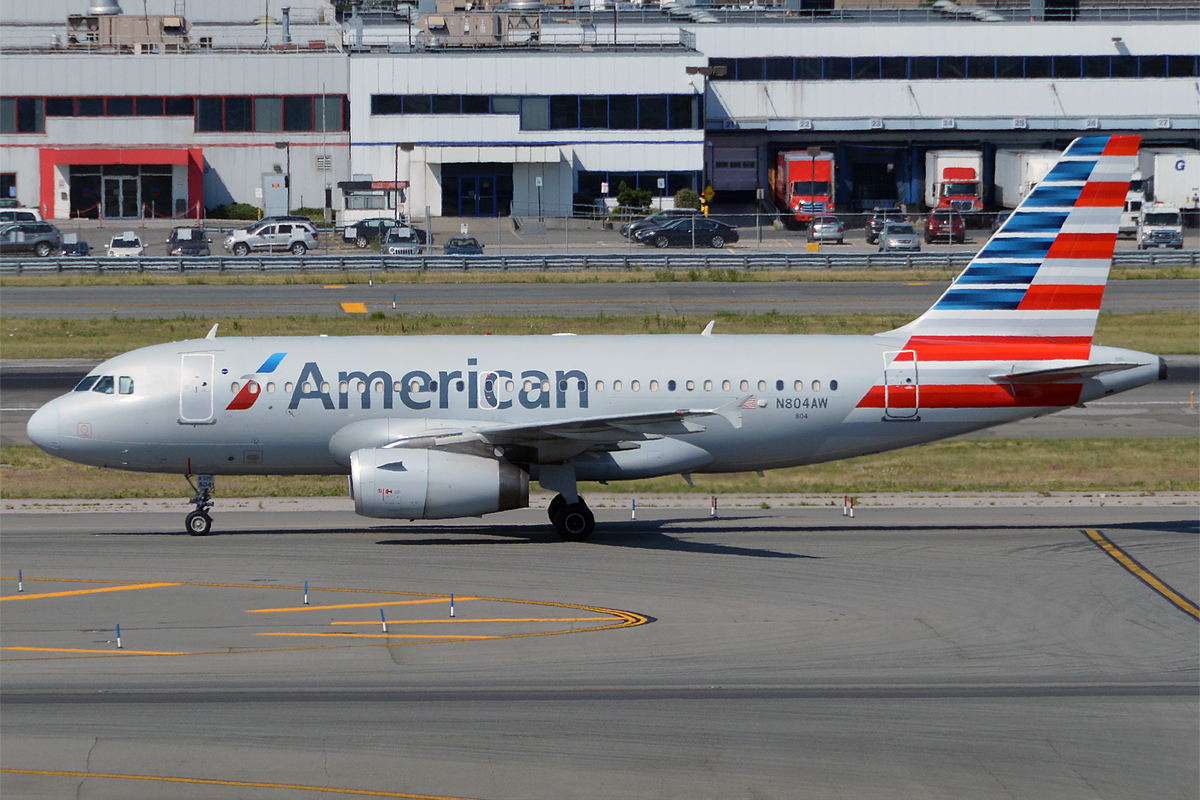
On January 15, 2026, an American Airlines Airbus A319-132, registration N816AW, operating flight AA1866 from Phoenix Sky Harbor International Airport (PHX) to Monterey Regional Airport (MRY), experienced a critical landing gear malfunction during final approach, prompting an emergency diversion to San Francisco International Airport (SFO).
The Incident That Ended in San Francisco…
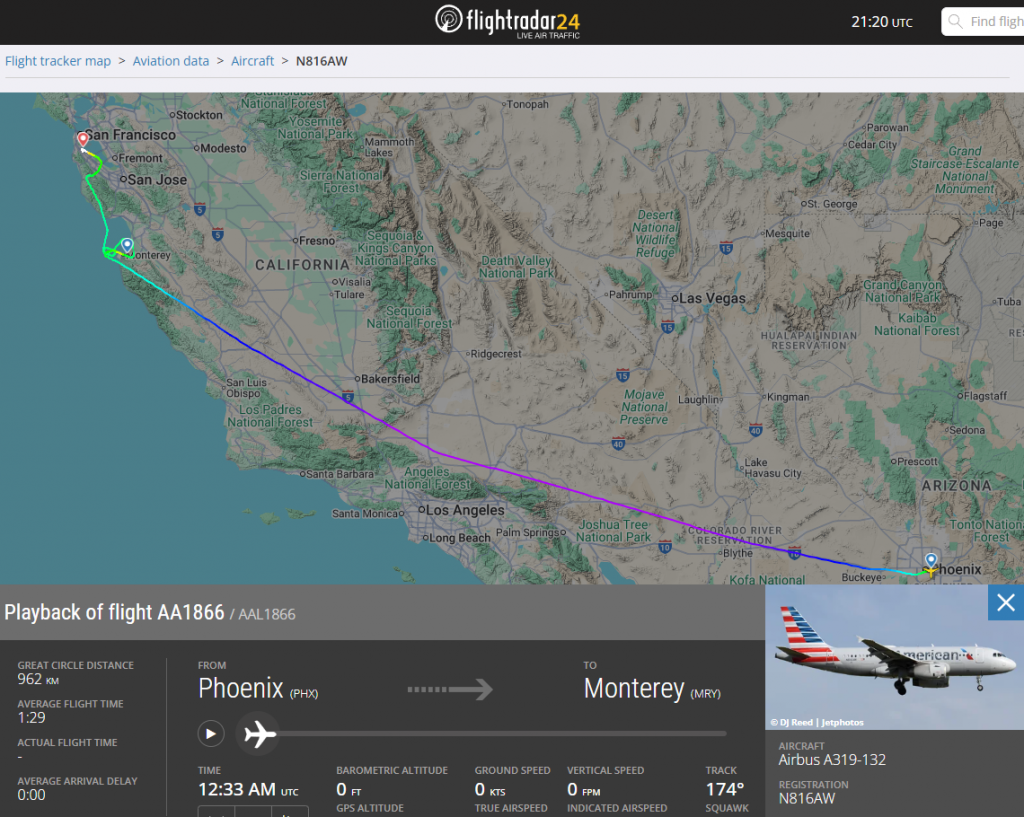
The aircraft, carrying 90 passengers and crew, was on final approach to runway 10R at Monterey when the flight crew initiated a go-around, citing a problem with the aircraft.
Shortly thereafter, they declared a “PAN PAN” emergency, indicating an urgent situation that did not yet warrant a full Mayday call.
The crew reported that the landing gear had failed to extend and opted to divert to San Francisco, where longer runways and enhanced emergency services were available.
While en route to SFO, the crew attempted to deploy the landing gear using alternate procedures.
Fortunately, they succeeded in extending the gear and confirmed “three greens”—indicating that all gear was down and locked.
Despite this success, the aircraft lacked nose wheel steering, prompting the crew to request emergency services to inspect the aircraft upon landing and assist with towing.
Emergency crews were on standby, and the aircraft was towed from the runway without further incident.
Passengers later reported that the crew had calmly informed them of the gear issue and the precautionary diversion, with some fearing a possible belly landing until the gear deployed near SFO.
About The American Airlines A319…
The aircraft involved, N816AW, has a storied operational history.
Delivered new to America West Airlines in October 2000, it transitioned to US Airways in 2005 and joined American Airlines in December 2013 following the merger.
Originally configured with 12 first-class and 112 economy seats (C12Y112), it was reconfigured in 2016 to a denser layout of 8 first-class and 120 economy seats (C8Y120).
The aircraft is powered by two IAE V2524-A5 engines and was leased from AerCap as of November 2021.
Flight history data from Flightradar24 shows that N816AW had been operating a busy schedule in the days leading up to the incident, with multiple short-haul legs across the western United States, including routes to Los Angeles, Reno, Eugene, and San Antonio. There were no publicly reported maintenance issues prior to the gear malfunction.
Overall…
This incident underscores the importance of crew training and aircraft redundancy systems.
The successful deployment of the gear via alternate means and the crew’s composed handling of the situation prevented a potentially serious outcome.
American Airlines has not yet issued a formal statement regarding the cause of the malfunction, and it remains unclear whether the issue was mechanical, hydraulic, or electrical in nature.
The FAA is expected to review the incident, and the aircraft will likely undergo a thorough inspection before returning to service.
For now, the professionalism of the flight crew and the robustness of Airbus’s design have once again proven critical in averting disaster.
Continue to follow The Aviation Hub for more analysis and insight!