
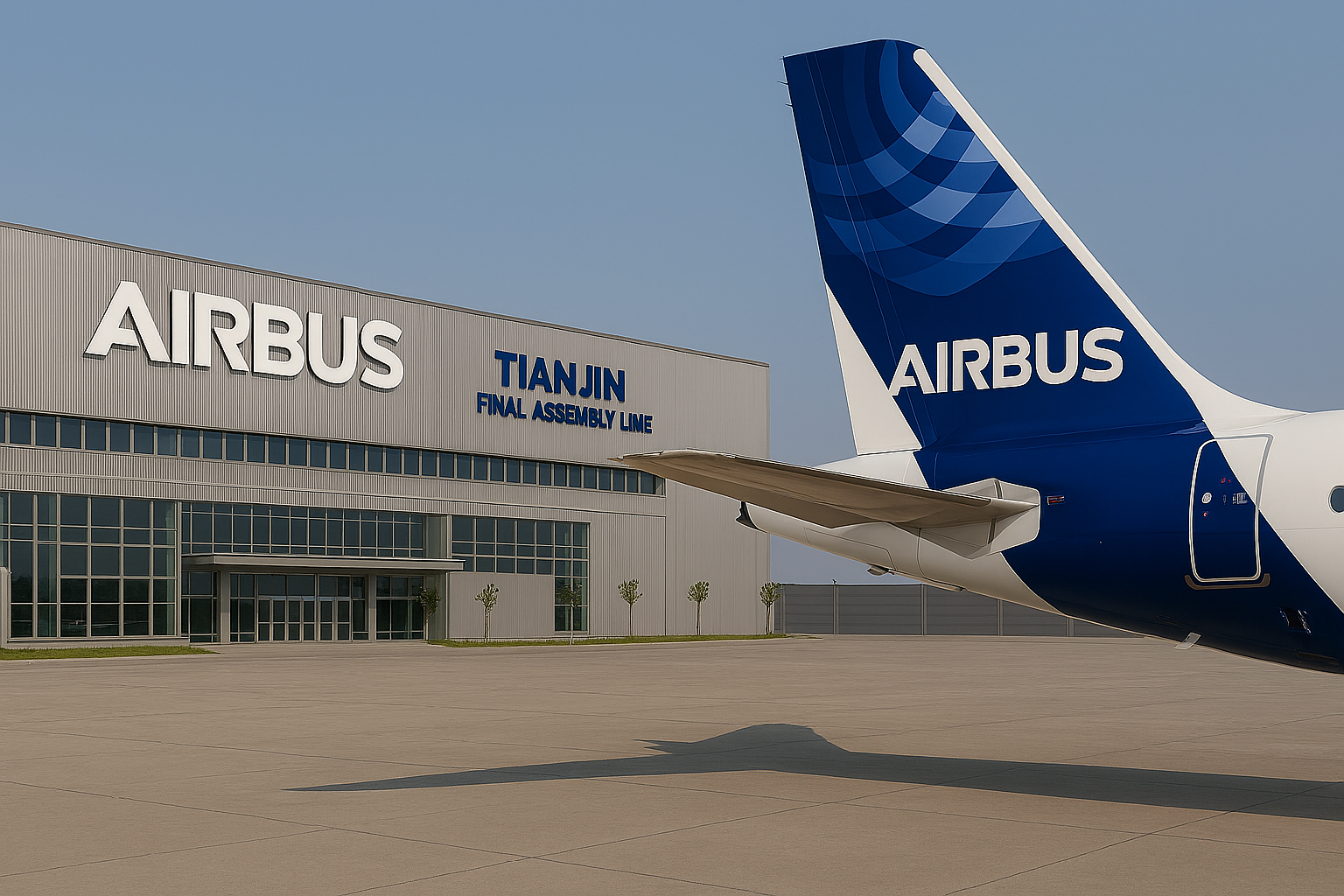
Airbus has closed the year with a decisive commercial win in China, securing firm commitments for 145 A320neo‑family aircraft from four major operators: Air China, Juneyao Air, Spring Airlines, and China Aircraft Leasing Group (CALC).
The orders — all disclosed in regulatory filings or confirmed by Airbus — represent one of the most strategically significant single‑aisle procurement waves in China in recent years.
The breakdown is as follows:
- Air China – 60 A320neos
- Juneyao Air – 25 A320neos
- Spring Airlines – 30 A320neos
- CALC – 30 A320neos
For Airbus, the timing and scale of these deals reinforce its position as the dominant narrowbody supplier in the world’s fastest‑growing aviation market — and signal a structural shift in China’s fleet‑planning trajectory heading into the next decade.
Air China Anchors the Surge With 60 A320neos
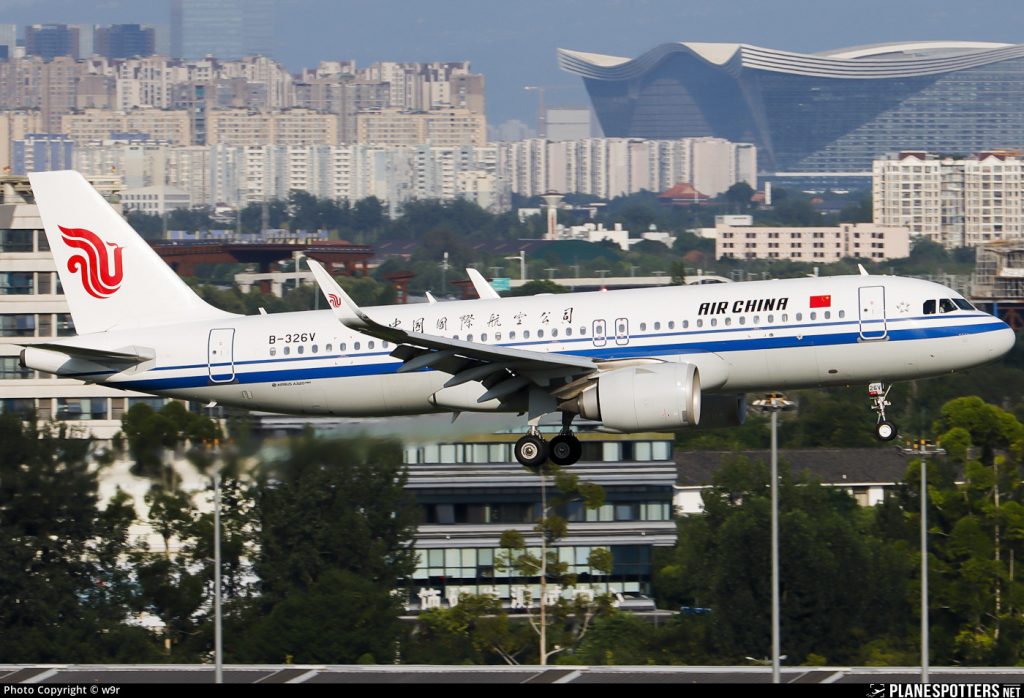
Air China’s order for 60 A320neo‑family aircraft is the largest of the group and one of the carrier’s most substantial narrowbody commitments in recent memory.
Valued at roughly $9.5 billion at list prices, the aircraft will be delivered between 2028 and 2032, supporting both renewal and growth across the group’s domestic and regional networks.
The filing confirms that a portion of the aircraft will be allocated to Air China’s wholly owned subsidiaries, continuing the group’s strategy of standardising around the A320neo platform for short‑ and medium‑haul operations.
For Airbus, the deal is a clear signal that China’s flagship carrier remains aligned with the A320neo as its preferred narrowbody workhorse.
Juneyao Air Adds 25 A320neos for Network Expansion
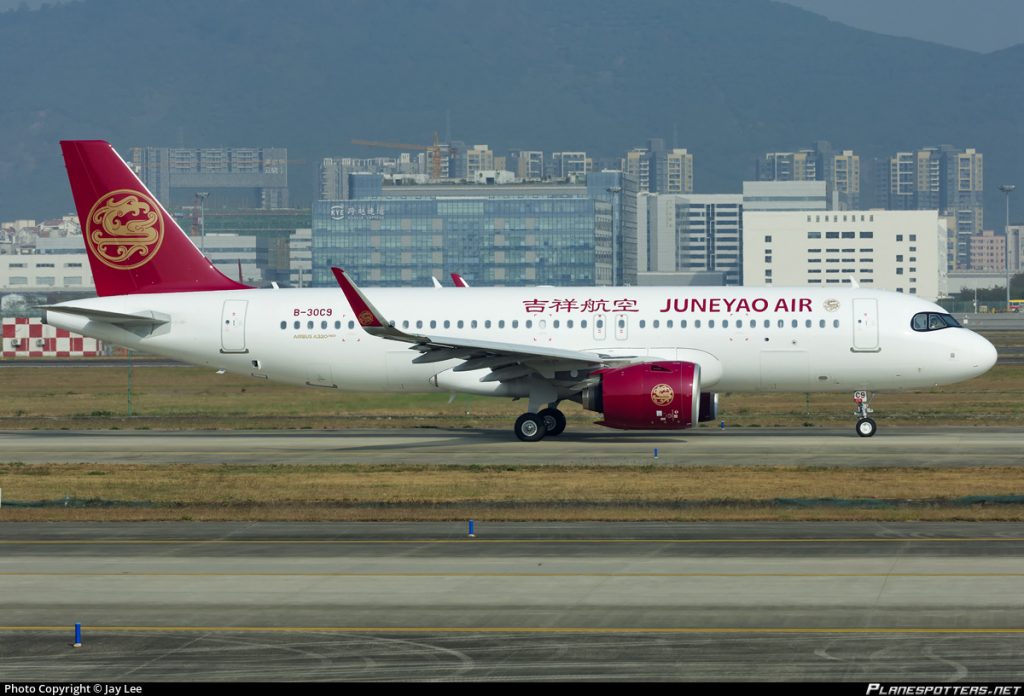
Shanghai‑based Juneyao Air has committed to 25 A320neos, valued at approximately $4.1 billion.
Deliveries will run from 2028 to 2032, pending regulatory approval.
Juneyao already operates a predominantly Airbus narrowbody fleet, and the order reinforces its long‑term strategy of incremental, sustainable growth.
The A320neo’s efficiency and range flexibility support the carrier’s ambitions to expand both domestically and into Northeast and Southeast Asia.
Spring Airlines Orders 30 A320neos to Support LCC Growth
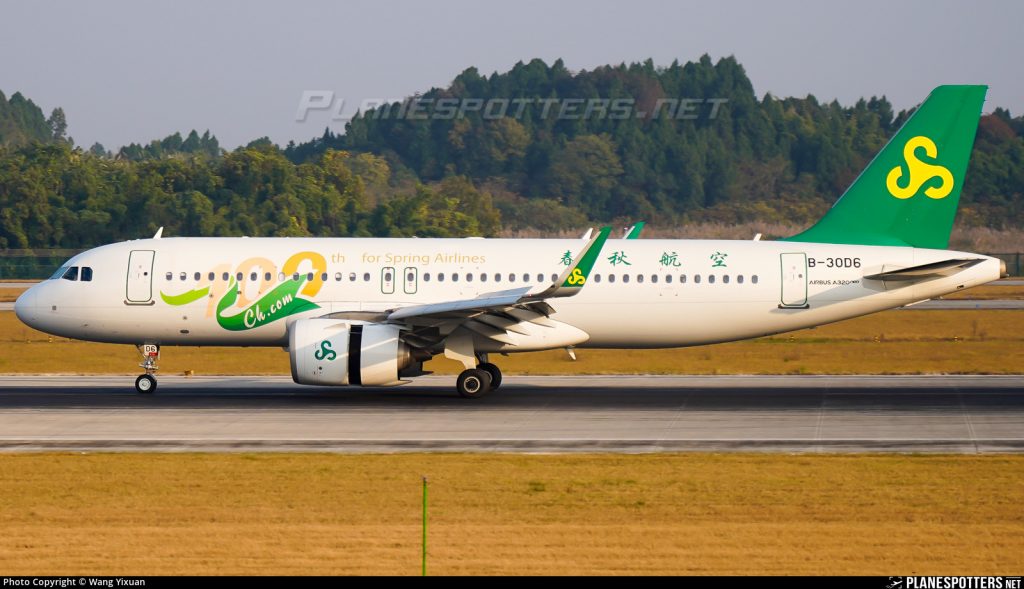
China’s largest low‑cost carrier, Spring Airlines, has ordered 30 A320neos, also valued at around $4.1 billion.
Deliveries mirror the 2028–2032 window seen across the other carriers.
For Spring, the A320neo is central to maintaining its ultra‑high‑utilisation model.
The aircraft’s fuel burn improvements and lower maintenance costs directly support the airline’s cost‑leadership strategy, while the additional range opens opportunities for further international expansion — particularly into Japan, Korea, and Southeast Asia.
CALC Reinforces Its Airbus Portfolio With 30 More A320neos

CALC’s order for 30 A320neo‑family aircraft marks its fifth direct purchase agreement with Airbus since 2012.
The deal lifts the lessor’s total Airbus backlog to 282 aircraft, including 203 A320neo‑family jets.
Deliveries extend through 2033, and the agreement includes flexibility to convert to other A320‑family variants.
CALC described the order as part of its strategy to build a “future‑ready fleet” for airline customers across Asia and beyond.
For Airbus, CALC remains one of its most important leasing partners in the region — and a reliable channel for placing aircraft with emerging carriers.
Strategic Implications: Airbus Consolidates Its Lead in China
The significance of these orders extends far beyond the headline numbers. Collectively, they represent a structural strengthening of the European planemaker’s position in China at a time when the country’s fleet‑renewal cycle is accelerating.
Airbus Extends Its Narrowbody Market Share Lead
The A320neo family has become the default choice for many Chinese carriers, and this latest wave of orders reinforces that trend. With Boeing still constrained by certification and geopolitical headwinds, the European planemaker has capitalised on a window of opportunity to deepen its market penetration.
These 145 aircraft will materially shift the narrowbody balance in China through the early 2030s.
A Strategic Counterweight to the COMAC C919
China continues to promote the domestically built COMAC C919, but production remains limited and delivery slots scarce. The A320neo’s maturity, availability, and proven economics make it the safer near‑term choice for airlines planning growth at scale.
These orders do not diminish China’s long‑term ambitions for the C919 — but they do underscore Airbus’s entrenched position during the transition period.
Reinforcing Airbus’s Industrial Footprint in Tianjin
Airbus’s final assembly line in Tianjin has been central to its China strategy since 2008. Large, multi‑year orders help justify continued investment in local production capacity and strengthen Airbus’s political and industrial ties with Beijing.
The scale of these commitments increases the likelihood of further industrial cooperation — potentially including expanded assembly capacity or deeper supply‑chain integration.
A Blow to Boeing’s Position in China
The absence of Boeing from these year‑end orders is notable. Historically, Chinese carriers have balanced their fleets between Airbus and Boeing, but the 737 MAX’s prolonged grounding and ongoing geopolitical tensions have disrupted that equilibrium.
Airbus’s 145‑aircraft haul widens the gap at a critical moment in the global single‑aisle market.
A Broader Reopening of China’s Order Pipeline
These orders follow China’s approval earlier in December for deliveries of 120 previously ordered Airbus aircraft — a sign that the regulatory pipeline is reopening after several years of subdued activity.
The clustering of these deals in the final days of the year suggests coordinated approval from Chinese authorities, a common feature of large‑scale fleet decisions in the country.
Airbus Enters 2026 With Renewed Momentum
The 145 A320neo‑family orders from Air China, Juneyao Air, Spring Airlines, and CALC represent a decisive commercial victory for the European planemaker — and a strategic consolidation of its position in the world’s most important growth market.
With deliveries stretching into the early 2030s, these commitments will shape China’s narrowbody landscape for years to come.
For the European planemaker, the message is clear:
China remains not only open for business, but increasingly aligned with the A320neo as its preferred narrowbody platform.
Continue to follow The Aviation Hub for more analysis and insight.