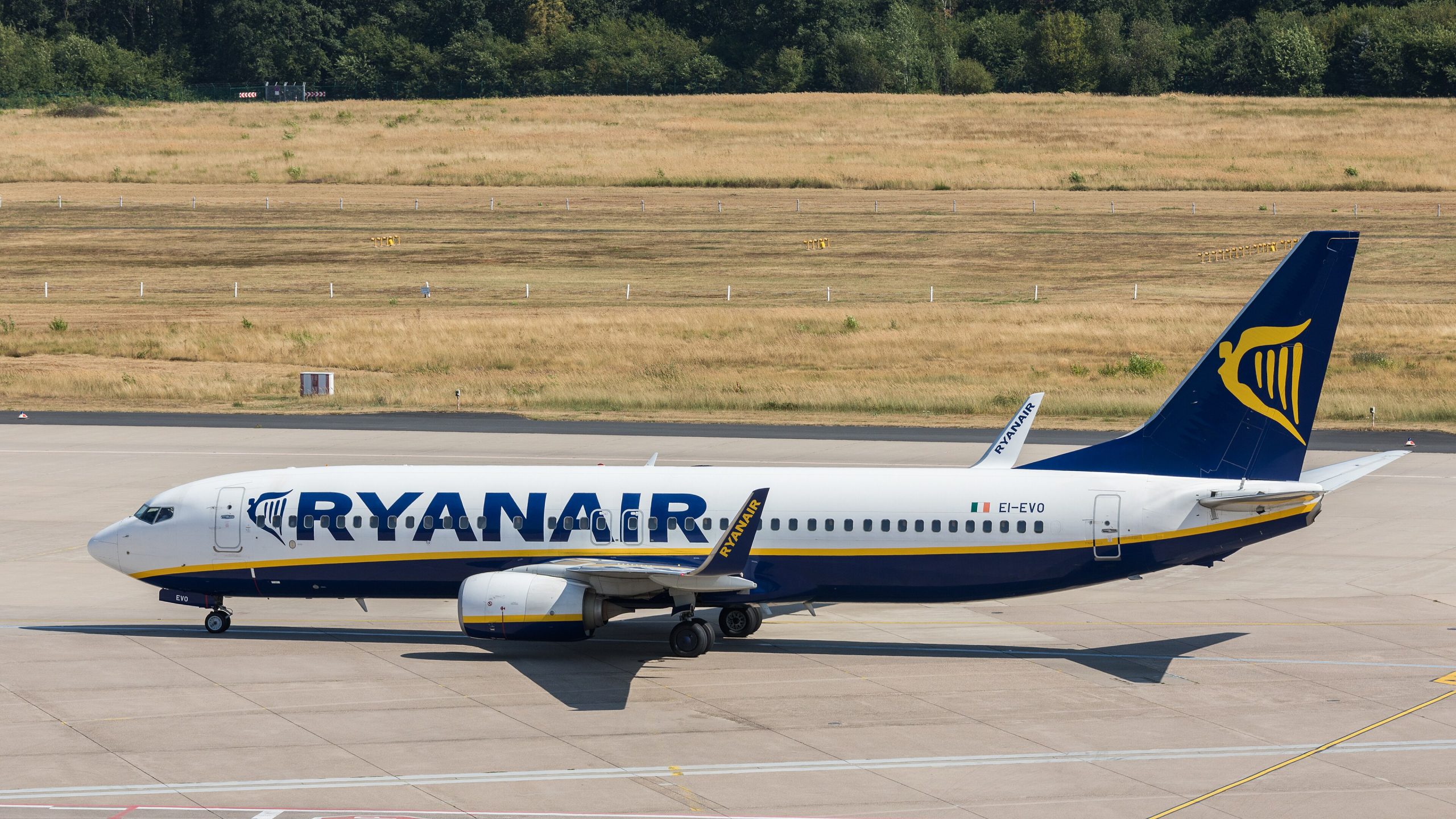
Ryanair found itself at the centre of an unusual enforcement drama this week after bailiffs in Austria boarded one of its aircraft and placed a legal seizure notice in the cabin, following the airline’s refusal to pay €890 in court‑ordered compensation to a passenger.
The incident unfolded at Linz Airport on Monday, where a Boeing 737 preparing to depart for London became the focus of a long‑running dispute dating back to a 13‑hour delay in 2024.
Austrian officials, acting on behalf of the district court in Traun, boarded the aircraft and affixed a so‑called “cuckoo sticker” — a label that grants the court legal control over the aircraft until the debt is settled.
Despite the dramatic optics, the aircraft was permitted to continue operating under specific conditions.
However, the sticker serves as a formal warning: if Ryanair does not pay the outstanding amount by the deadline, the court has the authority to auction the aircraft.
How a 13‑Hour Delay Escalated Into a Legal Standoff in Austria…
The dispute began when a flight from Linz to Mallorca was delayed by more than half a day, forcing one passenger to purchase an alternative ticket.
She later sought reimbursement for her expenses and compensation under EU aviation regulations.
When Ryanair failed to pay, the passenger took the matter to court — and won.
The ruling required the airline to pay the €890 in compensation, interest, and legal costs.
But after Ryanair ignored the order, the passenger escalated the matter to Austrian enforcement authorities.
A spokesperson for Linz Airport confirmed the sequence of events, stating: “We were informed that there was a pending claim against Ryanair in court and that a bailiff has been instructed by the district court of the city of Traun to carry out an official act. We accompanied the bailiff to the aircraft, where the bailiff carried out his official duties.”
A Cashless Cabin Meets Legal Reality For Ryanair
Once on board, the bailiff requested that the crew settle the €890 debt.
But Ryanair’s cashless onboard policy meant the crew had no means of paying.
With no alternative, the bailiff placed the seizure notice on the cabin wall before allowing the aircraft to depart for London.
A lawyer representing the passenger told local media that she intends to continue enforcement efforts until the debt is paid in full.
Ryanair, for its part, denied that the aircraft had been seized, though it declined to comment on whether a seizure notice had been applied or whether the outstanding amount had since been paid.
Passenger Rights Groups Renew Criticism Following Incident in Austria…
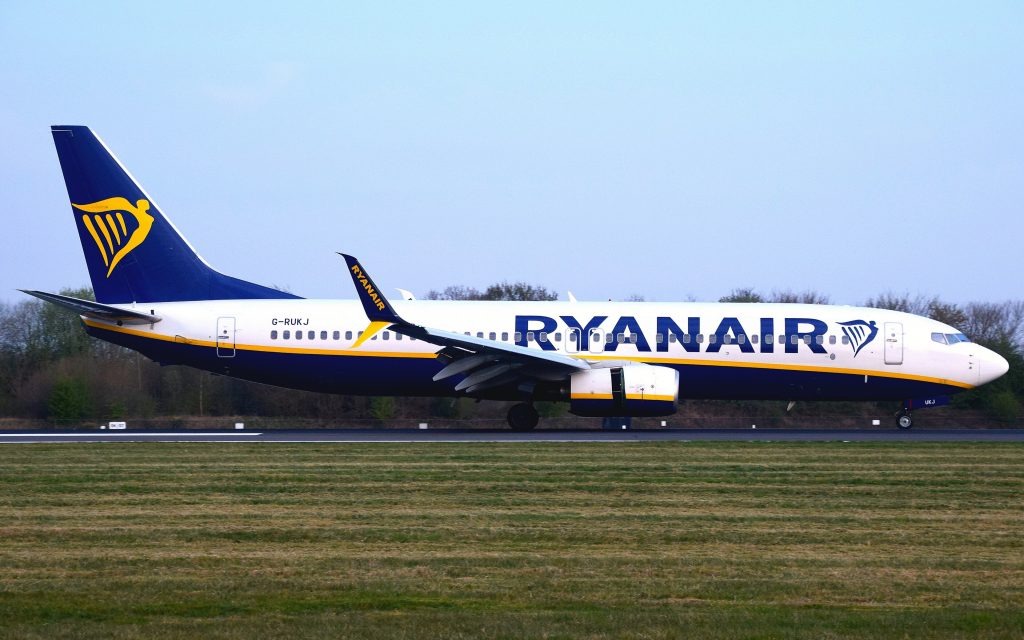
The incident has reignited criticism of low‑cost carriers’ handling of compensation claims.
Under European Commission rules, passengers delayed by three hours or more are entitled to €600 each, depending on the route.
Advocacy groups argue that airlines often make the claims process unnecessarily difficult, banking on passengers giving up before reaching legal action.
The Guardian recently reported another case in which Ryanair refused compensation to a passenger whose flight had been diverted, claiming he had reached his destination on a “phantom flight”.
After media intervention, the airline refunded the fare and offered to cover hotel and transport costs.
Seizures Are Rare, But Not Unprecedented
While disputes over unpaid compensation are common, the seizure of an aircraft is not. Most cases are resolved before enforcement reaches the tarmac.
However, there is precedent: in 2018, French authorities impounded a Ryanair aircraft carrying 149 passengers over unpaid subsidies.
Ryanair settled the €525,000 bill shortly afterwards.
The Linz incident underscores a growing willingness among European courts to enforce passenger rights more aggressively, and highlights the reputational risks airlines face when they fail to comply with legal rulings.
For Ryanair, the message from Austrian authorities was delivered clearly, and publicly, on the cabin wall of one of its own aircraft.
Continue to follow The Aviation Hub for more analysis and insight!