The aviation industry has always lived with geopolitical risk, but the Iran war has pushed global fuel markets into a new phase of volatility.
Airlines are warning of tightening supplies, refineries are signalling production constraints, and governments are scrambling to secure strategic reserves.
The question now circulating across the industry is no longer whether jet fuel prices will rise.
It is whether the world could actually run out of supply.
The short answer is that a complete global shortage is unlikely.
The more complicated truth is that regional disruptions, rationing, and operational constraints are very possible.
For airlines already navigating thin margins and unpredictable demand patterns, the current crisis is shaping up to be the most severe fuel shock since the early two thousands.
Why the Iran Conflict Matters for Jet Fuel
Iran sits at the centre of the global energy map.
It controls critical export routes, influences regional production, and has the capacity to disrupt shipping lanes that carry crude oil and refined products to Europe, Asia, and the Americas.
When conflict escalates in the Gulf, the aviation sector feels the impact almost immediately.
The Strait of Hormuz is the most important chokepoint in the global oil system.
A significant share of the crude used to produce jet fuel passes through this narrow corridor.
Any threat to shipping, even without a full closure, forces insurers to raise premiums, tanker operators to reroute vessels, and refineries to adjust output.
The result is a rapid tightening of supply long before any physical shortage occurs.
The Iran war has amplified these pressures.
Tanker movements have slowed, regional producers have reduced exports, and refiners are prioritising diesel and gasoline over jet fuel because those products offer higher margins in times of uncertainty.
The aviation sector is therefore competing for a shrinking pool of available supply.
Airlines Sound the Alarm Over Jet Fuel…
Airlines across the United States and Europe have begun issuing warnings about potential shortages.
Some carriers have already been instructed to tanker fuel on certain routes, carrying extra fuel from their origin airport to avoid relying on uncertain supplies at their destination.
This practice increases aircraft weight and fuel burn, but it is sometimes the only way to maintain operational continuity.
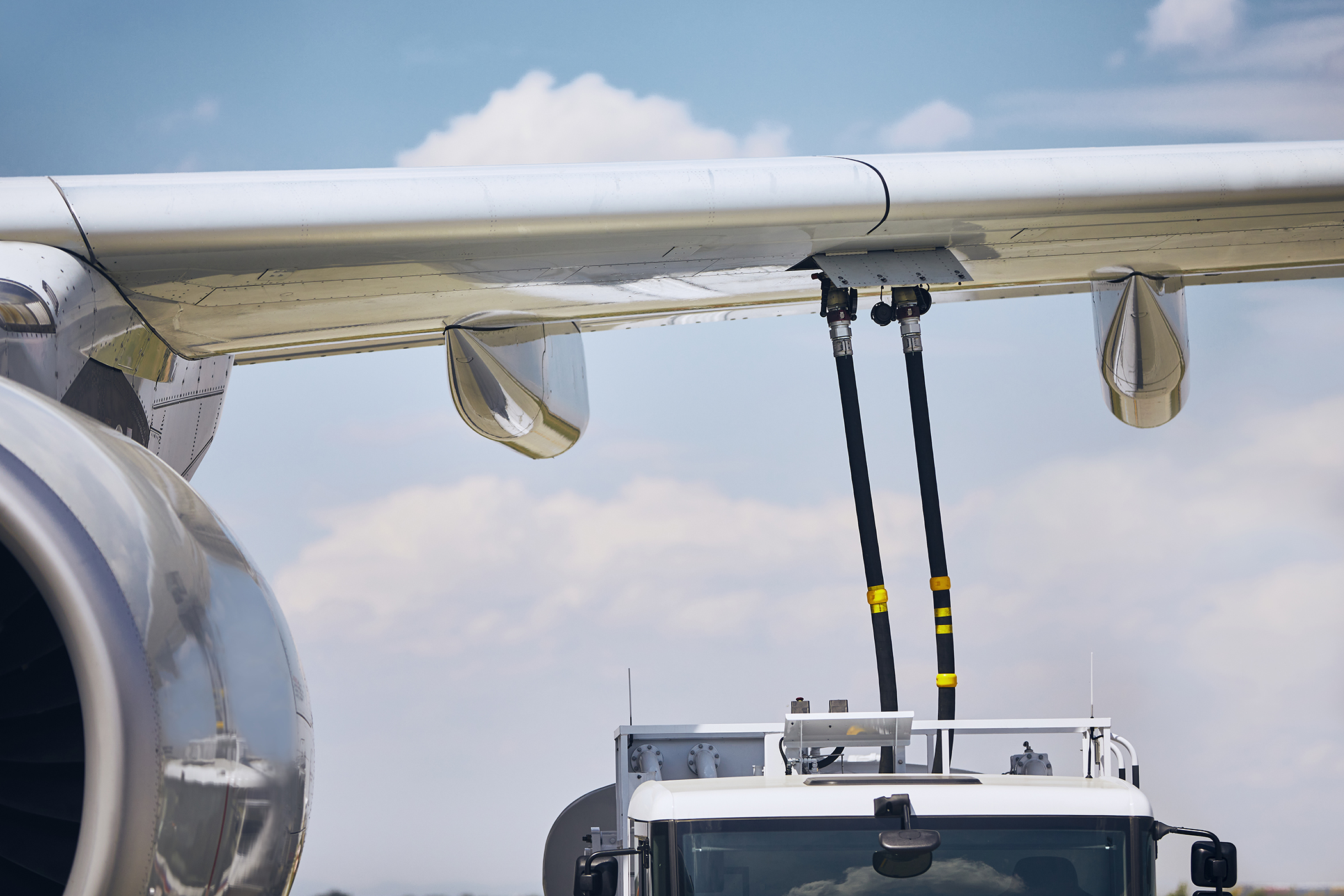
Airport fuel suppliers are also reporting lower inventories. Several major hubs have seen their days of supply fall to single digits.
While this does not mean they will run dry tomorrow, it does mean that any additional disruption could push them into rationing territory.
Airlines may be asked to limit uplift, adjust schedules, or even cancel flights if supply drops further.
The situation is especially delicate at airports that rely heavily on imported fuel.
Coastal hubs with limited storage capacity are the most exposed. Inland airports connected to pipeline networks have more resilience, but even those systems depend on steady refinery output.
The Refinery Bottleneck
The global refining system was already stretched before the Iran conflict.
Several refineries closed during the pandemic due to low demand, and many others have shifted production toward diesel and petrochemicals.
Jet fuel output has not returned to pre pandemic levels in many regions.
Refineries cannot instantly increase jet fuel production.
The process requires specific configurations, and switching between products is costly.
When crude prices spike, refiners often prioritise products with the highest margins. At the moment, that is not jet fuel.
This structural imbalance means that even if crude oil continues to flow, the aviation sector may still face shortages.
The bottleneck is not only at the wellhead but also at the refinery gate.
Could We Actually Run Out of Jet Fuel Due to the Iran War?
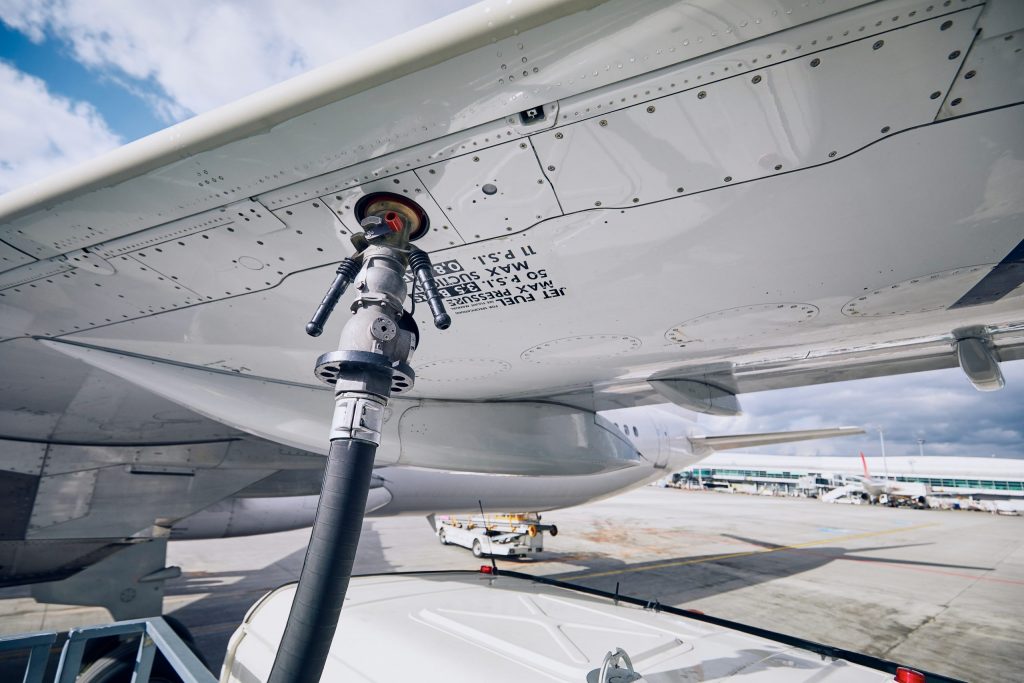
A global depletion of jet fuel is extremely unlikely.
The world has enough crude oil and refining capacity to meet demand under normal conditions.
The risk lies in regional shortages caused by logistical disruptions, refinery constraints, and political decisions.
There are three scenarios that industry analysts are watching closely.
Scenario One: Localised Shortages
This is the most probable outcome.
Certain airports or regions may experience temporary shortages due to shipping delays or refinery outages.
Airlines would respond by tankering fuel, adjusting schedules, or rerouting aircraft.
Passengers would see delays and cancellations, but the system would continue to function.
Scenario Two: Widespread Rationing
If the conflict escalates and shipping through the Gulf becomes more restricted, governments may impose rationing measures.
Airlines could be required to reduce flying, prioritise essential routes, or limit non essential operations.
This scenario would resemble the fuel crises of the nineteen seventies, though with more sophisticated supply chain management.
Scenario Three: Strategic Reserve Activation
Many countries maintain strategic petroleum reserves, but few maintain dedicated jet fuel reserves.
In a severe crisis, governments could release crude oil from reserves to stabilise markets, but this would not immediately solve the jet fuel shortage because refining capacity remains the limiting factor.
Still, such releases could ease pressure on prices and buy time for supply chains to adjust.
What Airlines Are Doing Now Due to This Evolving Jet Fuel Crisis & Iran
Airlines are not waiting for the situation to worsen.
They are already implementing contingency plans.
These include securing long term fuel contracts, diversifying suppliers, increasing storage capacity at key hubs, and adjusting flight schedules to reduce exposure to vulnerable airports.
Some carriers are exploring the use of sustainable aviation fuel as a partial buffer, though current production volumes are far too small to replace conventional jet fuel at scale.
Others are working with governments to prioritise aviation in national energy strategies, arguing that air transport is essential for economic stability.
For passengers, the most immediate effect will be higher fares.
Fuel is one of the largest operating costs for airlines, and when prices rise, those costs are passed on to travellers.
If shortages become more severe, passengers may also face more frequent delays, cancellations, and schedule changes.
Airlines will try to protect their most profitable routes, meaning that smaller markets may see reduced service.
Long haul flights are particularly vulnerable because they require large amounts of fuel and depend on reliable supply at both ends of the route.
The Outlook for the Months Ahead
The trajectory of the Iran war will determine how severe the jet fuel situation becomes.
If tensions ease and shipping lanes stabilise, the market could rebalance within months.
If the conflict expands or disrupts additional supply routes, the aviation sector could face a prolonged period of volatility.
What is clear is that the industry is entering a new era of fuel risk.
Airlines, airports, and regulators will need to rethink their assumptions about supply security.
The days of cheap and abundant jet fuel are fading, and the sector must prepare for a future defined by geopolitical uncertainty.
We are not on the brink of a global jet fuel collapse, but the Iran war has exposed the fragility of the aviation fuel system.
Localised shortages, price spikes, and operational disruptions are real possibilities.
The industry has weathered fuel crises before, but the current situation demands a new level of strategic planning and resilience.
Continue to follow The Aviation Hub for more analysis and insight!