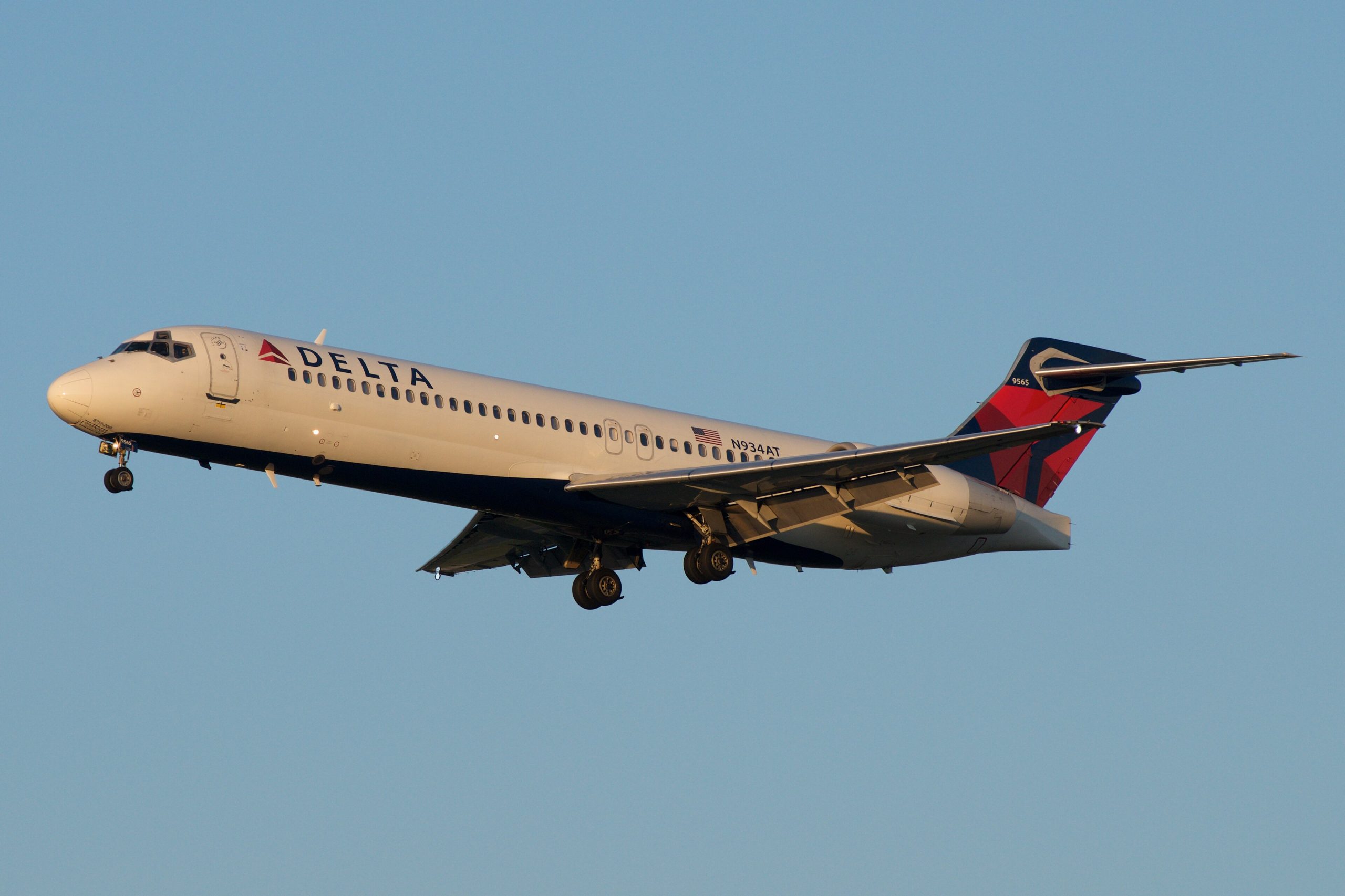
Delta Air Lines flight DL1541, operated by a Boeing 717‑200 registered N996AT, experienced a bird strike on approach to St. Louis Lambert International Airport, prompting a precautionary response from the crew and a post‑landing inspection that ultimately kept the aircraft grounded for several days.
The incident occurred as the aircraft descended toward Runway 11 with 108 passengers and four crew members on board.
According to the attached incident report, “the aircraft sustained a bird strike causing problems with the right hand engine” during the final stages of the approach.
The crew continued the approach and landed safely approximately 25 minutes later, with no injuries reported among passengers or crew.
The FAA later confirmed the nature of the event, stating: “AIRCRAFT EXPERIENCED ISSUES WITH THE #2 ENGINE DUE TO A BIRD STRIKE ON LANDING, AND REPORTED DAMAGE TO THE #2 ENGINE.”
Sequence of Events in St. Louis
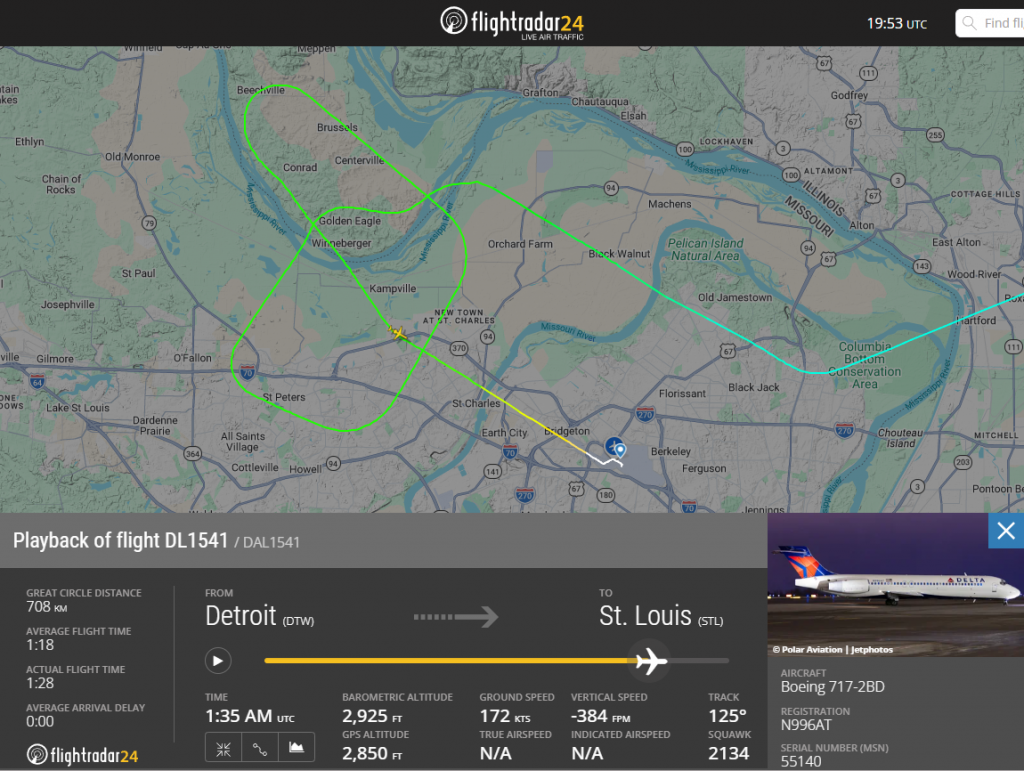
DL1541 was operating a routine service from Detroit Metropolitan Wayne County Airport to St. Louis on the morning of the incident.
Weather conditions were typical for early spring in the Midwest, and no abnormalities were reported during the cruise phase.
The bird strike occurred moments before touchdown, affecting the aircraft’s right‑hand Rolls‑Royce BR715 engine.
Despite the sudden impact, the crew maintained full control of the aircraft.
The Boeing 717’s design, featuring engines mounted high on the rear fuselage, offers some inherent protection from ground‑level wildlife hazards, but the strike still resulted in engine damage significant enough to require immediate maintenance action after landing.
The aircraft vacated the runway under its own power before being met by airport emergency services as a precaution.
Passengers disembarked normally at the gate.
Aircraft Grounding and Inspection
Following the incident, N996AT remained on the ground in St. Louis until 15 March 2026, undergoing detailed inspection and repairs.
This extended downtime reflects the caution typically exercised when dealing with engine‑related bird strike damage, particularly on ageing airframes.
The attached document confirms: “The aircraft remained on the ground in St. Louis until Mar 15th 2026.”
The Boeing 717 fleet, while robust, is now among the oldest in Delta’s operation. N996AT itself is nearly 24 years old, having been delivered new to AirTran Airways in 2002 before joining Delta in 2015.
Its long service life and high utilisation make thorough post‑incident inspections essential.
About N996AT
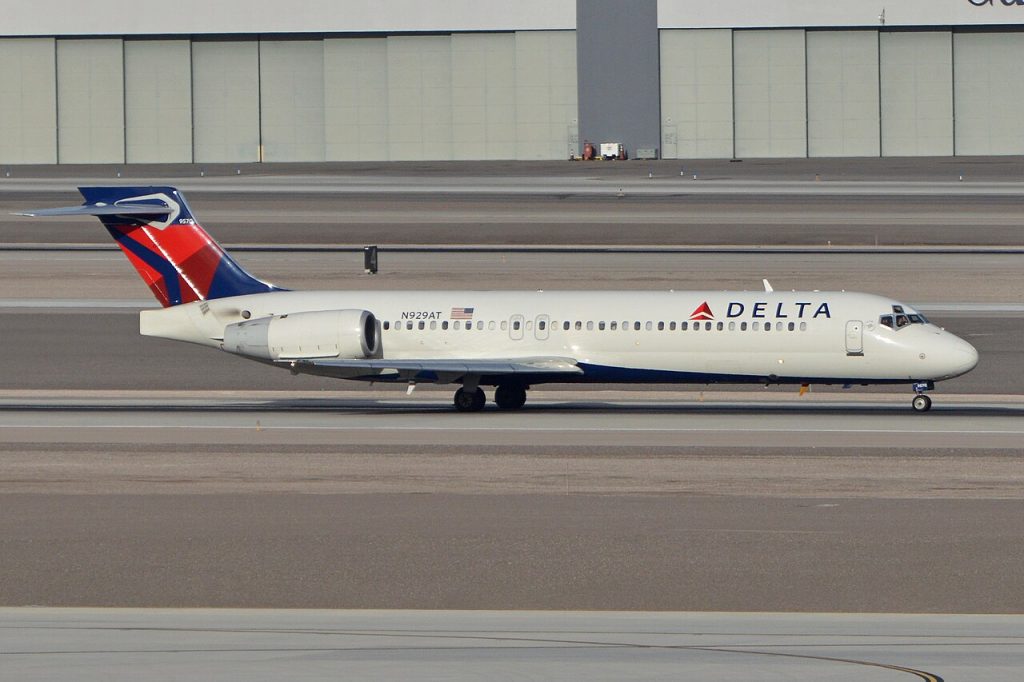
N996AT is one of the former AirTran 717s acquired by Delta as part of a major fleet reshaping effort in the mid‑2010s.
The aircraft was built in Long Beach and has served extensively across Delta’s domestic network, particularly on short‑to‑medium‑haul routes in the Midwest and Southeast.
Its operator history shows a consistent utilisation pattern, and flight‑tracking data confirms the aircraft had been operating a full schedule in the days leading up to the incident.
Bird strikes remain one of the most common hazards in commercial aviation, and this event underscores both the resilience of the Boeing 717 and the professionalism of Delta’s flight crews.
While the damage required several days of maintenance, the safe landing and absence of injuries demonstrate the effectiveness of established procedures.
As N996AT returns to service, the incident serves as a reminder of the ongoing challenges posed by wildlife hazards, and the industry’s continued ability to manage them safely and effectively.
Continue to follow The Aviation Hub for more analysis and insight!