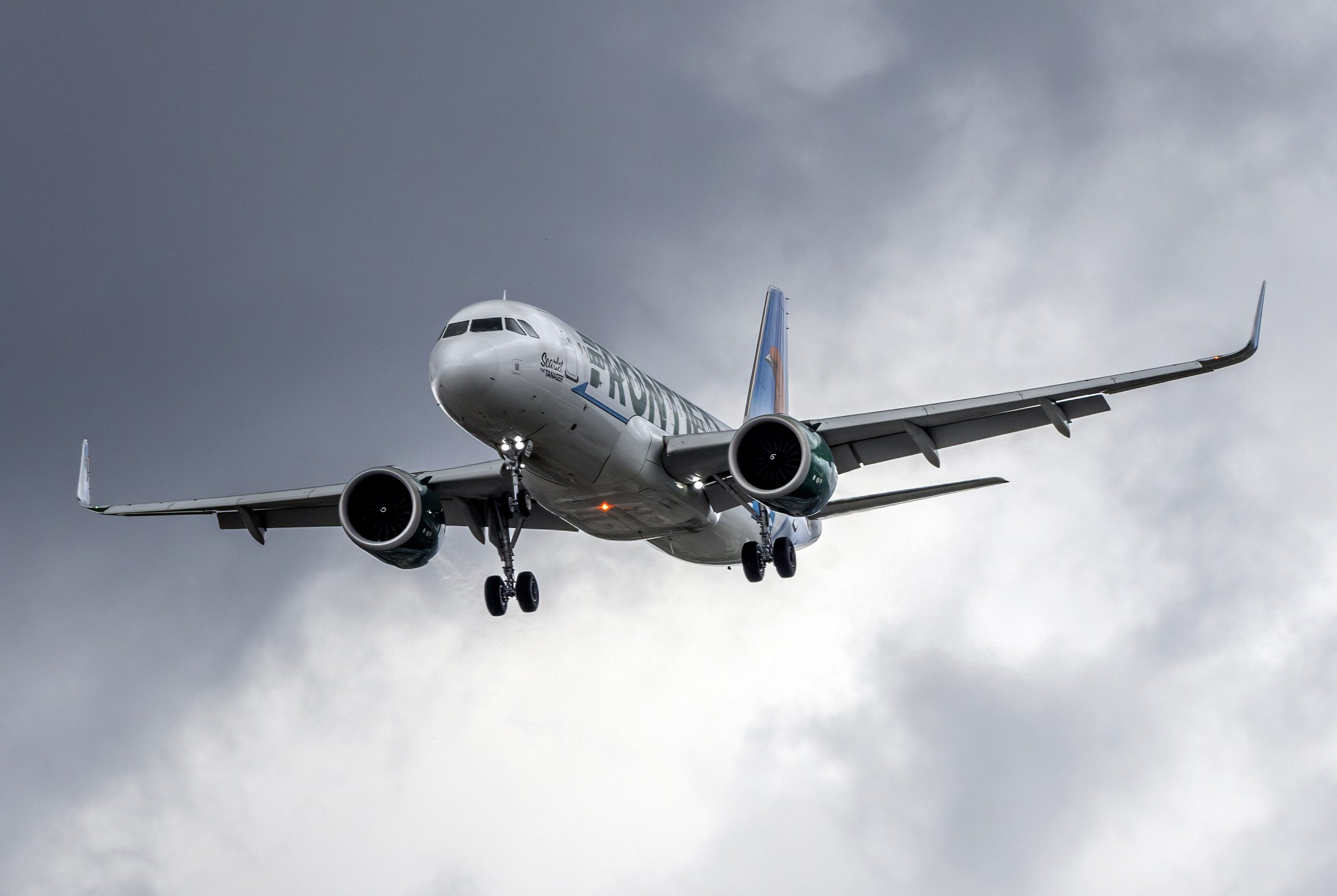
A Frontier Airlines service from Columbus to Atlanta became the focus of a major security response after a passenger allegedly issued a bomb threat and threatened to kill a seatmate shortly after landing at Hartsfield Jackson Atlanta International Airport.
The incident, which unfolded on 29 March 2026, prompted an immediate diversion to a remote stand, a Level Four security alert from the cockpit, and a full law enforcement mobilisation.
The Incident Unfolds on Arrival in Atlanta…
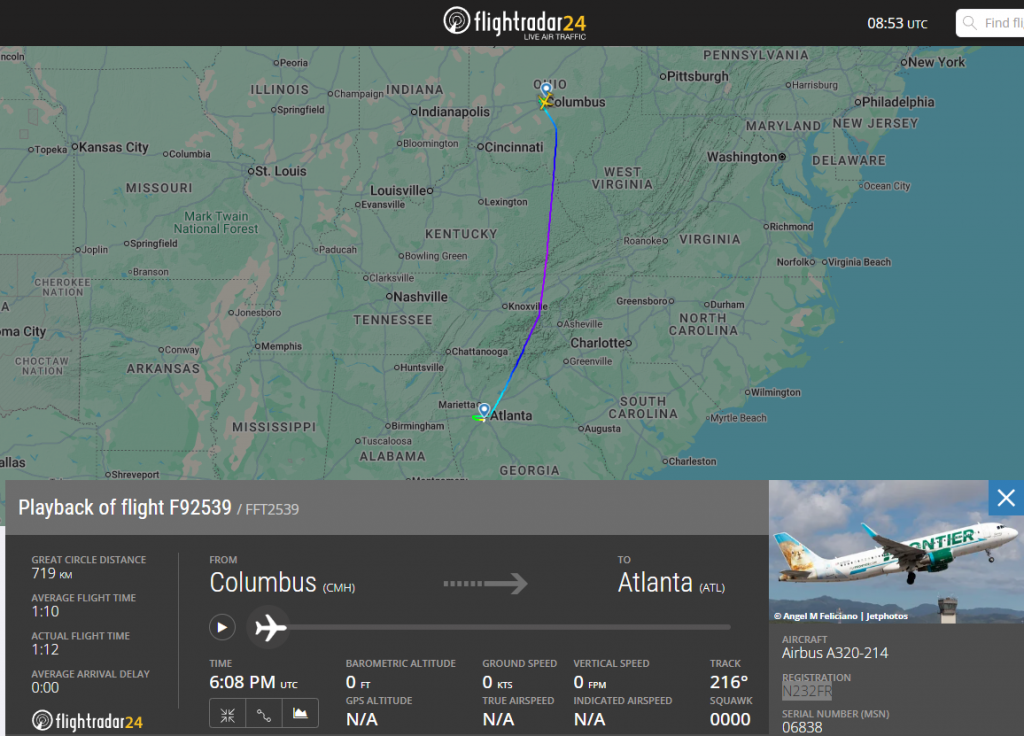
Frontier Airlines Flight 2539 departed John Glenn Columbus International Airport at 14:49 local time and landed in Atlanta at 16:01, according to flight tracking data.
The Airbus A320, operating under registration N232FR, had completed an otherwise routine sector when the situation escalated during taxi.
According to air traffic control recordings and multiple passenger accounts, a male passenger began threatening to kill the woman seated next to him and claimed he had a bomb on board.
The captain immediately notified the tower, reporting a potential explosive device and violent behaviour.
The severity of the threat led the crew to declare a Level Four security alert, the highest classification under FAA threat protocols, typically reserved for attempted cockpit breaches or life‑threatening actions that jeopardise the aircraft.
Rapid Response at the World’s Busiest Airport
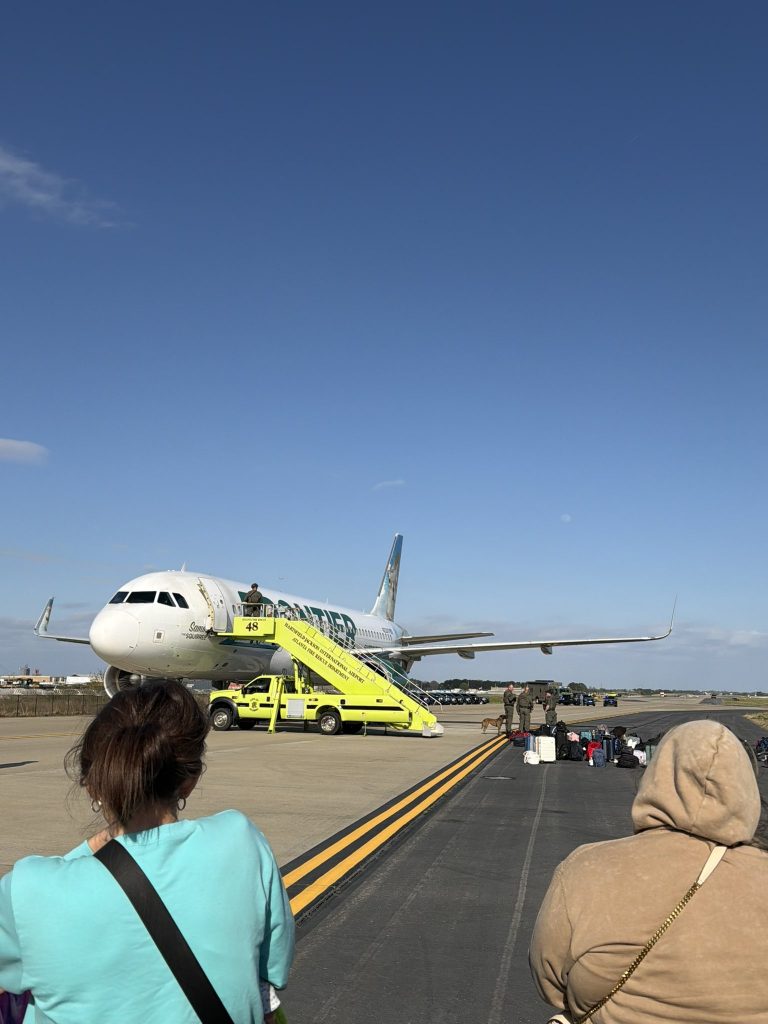
Hartsfield Jackson officials instructed the crew to taxi to an isolated area of the airfield, away from terminals and other aircraft.
Police, SWAT teams, airport security and the FBI converged on the aircraft within minutes.
Passengers were ordered into a protective posture by the cabin crew as the situation developed.
One traveller described the moment flight attendants repeatedly instructed passengers to keep their heads down and hands up.
Another reported that the suspect had been acting erratically even before boarding in Columbus.
Once the aircraft reached the remote stand, passengers were deplaned via airstairs and transported by bus to the terminal. No injuries were reported.
Threat Deemed Non‑Credible but Investigation Continues
After securing the aircraft and detaining the suspect, authorities determined that the bomb threat was not credible.
The FBI confirmed it is treating the case as an incident involving an unruly passenger rather than a hijacking attempt.
Despite the false alarm, the response followed established security procedures for any reported explosive threat.
The aircraft underwent a full search before being released back to Frontier Airlines.
The suspect’s identity has not yet been released, and it remains unclear what charges he may face.
ATC Audio Reveals the Tension in the Cockpit
Live ATC recordings circulating online capture the urgency of the situation.
The captain can be heard reporting a passenger who claimed to have a bomb and was threatening to kill others on board.
The pilot also provided a physical description of the individual and declared a Level Three to Level Four threat classification during the exchange.
Such declarations are rare and trigger immediate, high‑level responses from both airport authorities and federal agencies.
The crew’s swift communication ensured that emergency protocols were activated without delay.
Aircraft Details: Frontier’s Airbus A320 N232FR
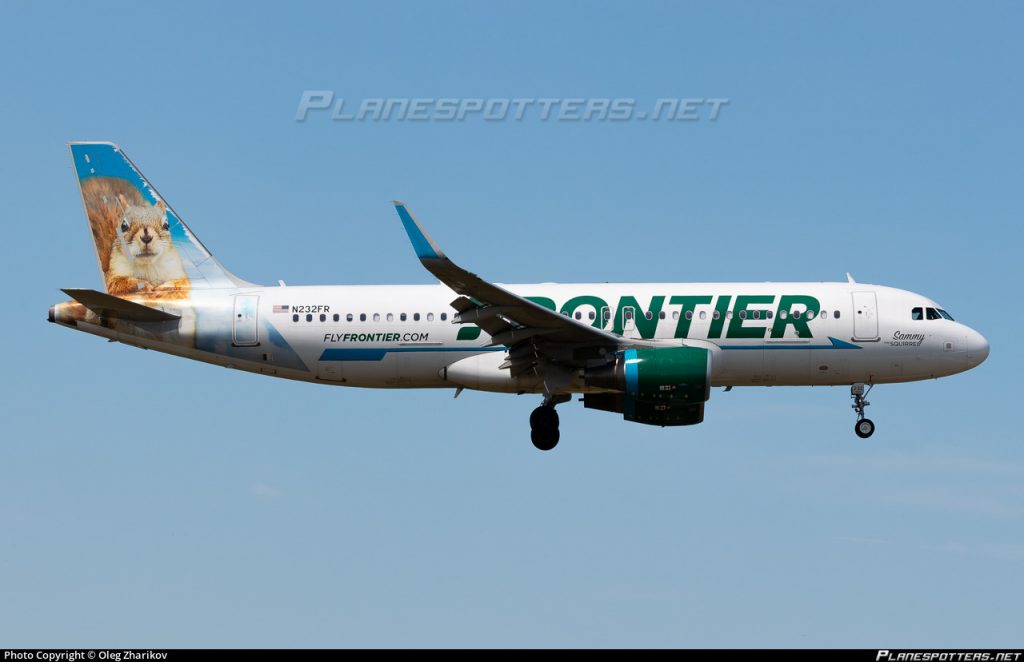
The aircraft involved, N232FR, is a 10.4‑year‑old Airbus A320‑200 delivered to Frontier Airlines in November 2015.
Built in Toulouse and originally test‑registered as F‑WWDZ, the aircraft carries the name Sammy the Squirrel as part of Frontier’s signature wildlife‑themed fleet.
It is configured in an all‑economy 180‑seat layout and powered by two CFM International engines.
N232FR had operated the Columbus to Atlanta rotation multiple times in the days leading up to the incident, consistent with Frontier’s scheduling pattern for Flight 2539.
Flight Timeline and Operational Context of Atlanta Incident
Flight 2539 typically operates three times per week between Columbus and Atlanta, with an average block time of just over one hour.
On 29 March, the aircraft departed slightly ahead of schedule and landed early, completing the airborne portion of the flight without incident.
The disruption occurred only after touchdown, underscoring how quickly a routine arrival can escalate into a major security event.
The extended taxi time recorded by FlightAware reflects the diversion to the remote stand and the subsequent law enforcement response.
Passenger Experience and Aftermath in Atlanta
Passengers described the atmosphere on board as tense and frightening.
Some reported that the suspect and his travel companion had been exchanging voice messages in French before the threats began.
Others recalled the man repeatedly standing up despite instructions to remain seated.
Frontier Airlines issued a brief statement confirming the verbal bomb threat and emphasising that the aircraft was moved to a remote location out of caution while authorities responded.
The incident coincided with an unrelated non‑credible bomb threat at Atlanta’s State Farm Arena, adding to the heightened security posture across the city that afternoon.
A Reminder of the Pressures Facing Airline Crews
While the threat ultimately proved false, the event highlights the increasing frequency of disruptive passenger behaviour and the critical role of flight crews in managing in‑flight security risks.
The Frontier crew’s rapid escalation, adherence to protocol and clear communication with ATC ensured that the situation was contained without injury.
As the FBI continues its investigation, Frontier Airlines and airport authorities have reiterated that passenger safety remains their highest priority.
Continue to follow The Aviation Hub for more analysis and insight!