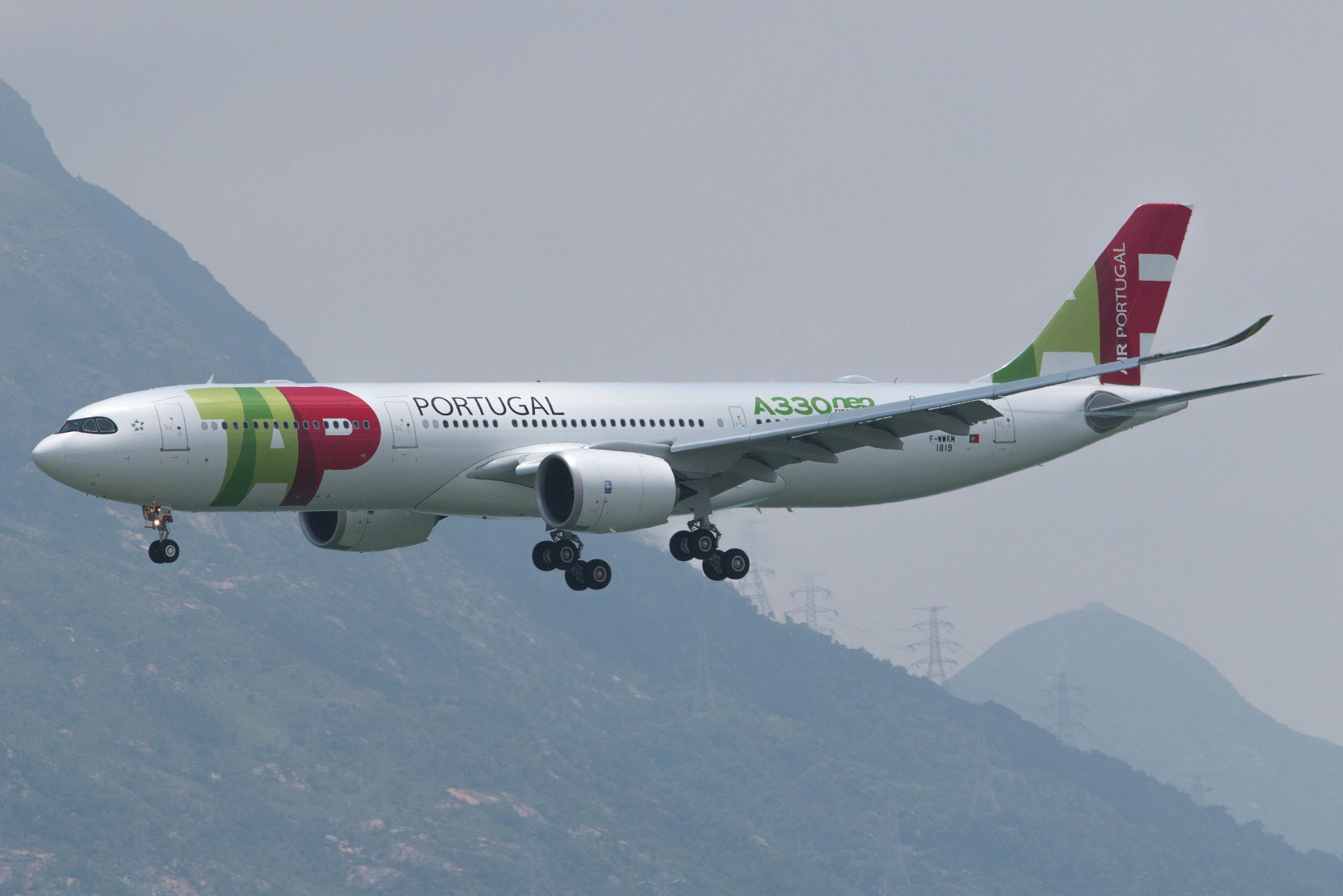
The future of TAP Air Portugal in Lisbon — one of Europe’s last major independent flag carriers—has become the continent’s most closely watched aviation storyline.
With the Portuguese government opening the door to a partial privatization of the airline, three powerful suitors have stepped forward: Lufthansa Group, Air France–KLM, and International Airlines Group (IAG).
Each brings different strengths, different strategic motivations, and different political hurdles.
What happens next will reshape not only TAP’s destiny, but also the competitive balance of European aviation for decades.
The stakes are enormous.
TAP is not just another mid-sized European airline; it is the essential bridge between Europe and Brazil, a key connector to Portuguese-speaking Africa, and the anchor of Lisbon’s fast-growing hub.
With 22 Airbus A330s forming the backbone of its long-haul fleet and a network that spans 13 Brazilian destinations, TAP is a strategic prize—and the last one of its kind.
According to reporting from CargoForwarder Global, the Portuguese state holding company Parpública expects to raise around €700 million from selling a 44.9% stake, while retaining majority control.
The government has also reserved 5% of shares for TAP employees, ensuring that the airline’s identity and workforce remain central to its future.
But the real question is: which bidder can offer the most compelling combination of financial strength, strategic vision, and political acceptability?
Why TAP Matters More Than Ever
TAP’s resurgence has come at a perfect moment.
After years of restructuring, the airline is profitable again, buoyed by strong transatlantic demand and its unique position in the Brazil–Europe market.
The timing is even more advantageous given the EU–Mercosur free trade agreement, approved by the European Commission in January 2026.
Once implemented, the pact is expected to boost both passenger and cargo flows between Europe and South America, especially in sectors such as automotive, pharmaceuticals, chemicals, and agriculture.
For any major airline group, acquiring TAP means securing a dominant position in one of the world’s most important emerging trade corridors.
It also means inheriting a strong brand with deep cultural ties across continents.
The Three Suitors for the Lisbon Based Carrier: Strengths and Weaknesses
1. Lufthansa Group – The Strategist with Home-Field Advantage
Lufthansa enters the contest with two major advantages: alliance alignment and industrial investment.
TAP is already a member of Star Alliance, which makes integration into Lufthansa’s ecosystem far smoother than with any other bidder. Beyond that, Lufthansa Technik recently announced a major expansion in Portugal, planning a new engine maintenance center near Porto that will double its workforce from 450 to 1,000 employees by 2030. This is not just a business move—it is a political gesture, signaling long-term commitment to Portugal’s aviation sector.
Lufthansa has also outlined a clear strategic plan: transform Lisbon into a major passenger and cargo gateway for South America and parts of Africa. For Portugal, this aligns neatly with national priorities.
Strengths:
- Alliance compatibility
- Strong industrial footprint in Portugal
- Clear strategic vision for Lisbon
- Proven track record integrating European carriers (Swiss, Austrian, Brussels Airlines, ITA)
Weaknesses:
- May not match Air France–KLM’s financial bid
- EU regulators may scrutinize Lufthansa’s growing dominance in Europe
2. Air France–KLM – The Financial Heavyweight
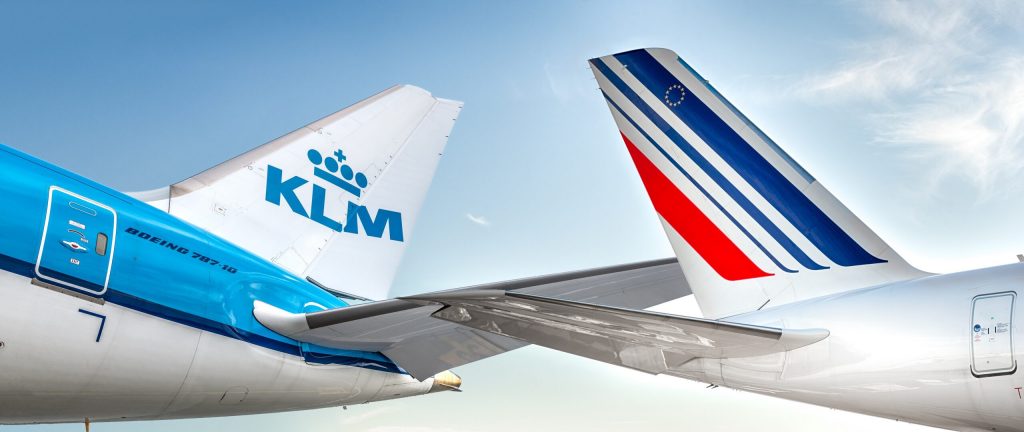
Air France–KLM is widely expected to make the highest financial offer. Fresh off its acquisition of SAS, the group is aggressively expanding its European footprint. TAP would give it a powerful southern hub and a stronghold in the Brazil market—one where Air France–KLM already has a significant presence.
The group’s challenge is political. France and the Netherlands have historically been cautious about overexpansion, and the European Commission may question whether the group’s growing network could distort competition.
Strengths:
- Likely to offer the highest purchase price
- Strong long-haul network synergies
- Deep experience managing multi-hub systems
Weaknesses:
- Regulatory concerns about market concentration
- Less natural fit than Lufthansa due to alliance differences
- No major industrial investment in Portugal to match Lufthansa Technik’s expansion
3. IAG – The Outsider with Limited Chances
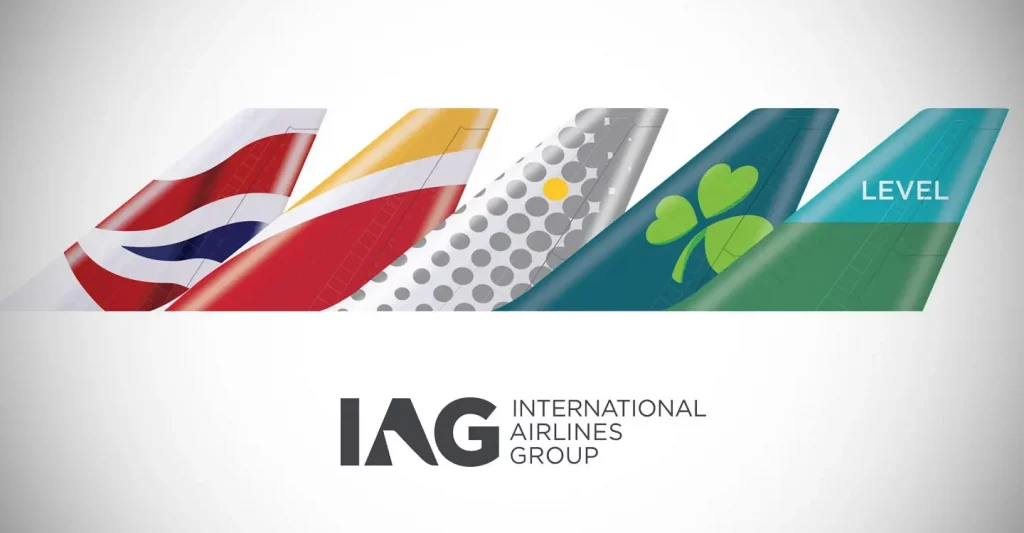
IAG—parent of Iberia, British Airways, Vueling, and Aer Lingus—was the first to express interest in TAP. But despite its early enthusiasm, its chances appear slim.
The issue is simple: IAG already dominates the Iberian Peninsula through Iberia and Vueling. Adding TAP would give it overwhelming market power in the region, something EU competition authorities are unlikely to accept.
Strengths:
- Strong financial position
- Experience integrating Iberian carriers
- Potential synergies with Iberia’s Latin American network
Weaknesses:
- Major regulatory obstacles
- Risk of overconcentration in Iberia
- Least politically acceptable option for Portugal
What Portugal Wants: The Three Key Criteria
Parpública has outlined three core requirements for TAP’s privatization:
1. Protecting High-Skilled Jobs
TAP is one of Portugal’s largest employers in aviation, engineering, and maintenance. Any buyer must commit to preserving and expanding these roles.
2. Maintaining Essential Routes
This includes domestic services and crucial links to Portuguese-speaking countries such as Angola, Mozambique, and Brazil. These routes are not just commercial—they are cultural and diplomatic lifelines.
3. Preserving TAP’s Identity
Portugal wants TAP to remain unmistakably Portuguese, with a strong brand, a clear industrial plan, and a commitment to Lisbon as its primary hub.
These criteria favor bidders who can demonstrate long-term strategic alignment—not just financial muscle.
Who Has the Edge?
While the process is still in its early stages, analysts see Lufthansa as the frontrunner.
Its alliance compatibility, industrial investment, and strategic vision for Lisbon align closely with Portugal’s priorities.
Air France–KLM remains a strong contender, especially if financial considerations dominate. IAG, despite its interest, appears to be the least likely winner.
But nothing is guaranteed. The bidders must now submit comprehensive proposals, and the Portuguese government will weigh not only price but also long-term national interest.
Negotiations are expected to stretch into the summer, with a final decision anticipated by mid-2026.
A Defining Moment for European Aviation & Lisbon
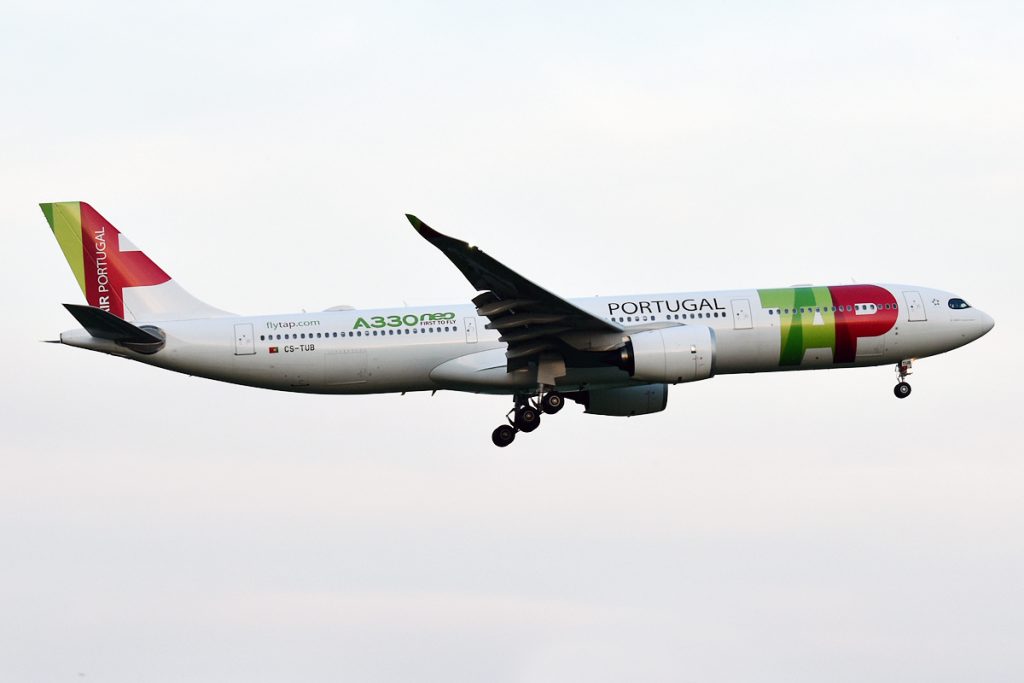
The acquisition of TAP will be the last major consolidation move available in Europe for years to come.
LOT and Finnair remain independent, but neither is currently on the market.
That makes TAP the final jewel in the crown—a carrier with global reach, cultural significance, and a uniquely strategic network.
Whoever wins this contest will gain not just an airline, but a gateway to the South Atlantic, a bridge to Lusophone Africa, and a powerful new hub in Lisbon.
The competition in Lisbon is fierce, the stakes are high, and the outcome will reshape the map of European aviation.
The only certainty is that TAP’s next chapter will be one of the most consequential in the industry’s modern history.
Continue to follow The Aviation Hub for more analysis and insight!