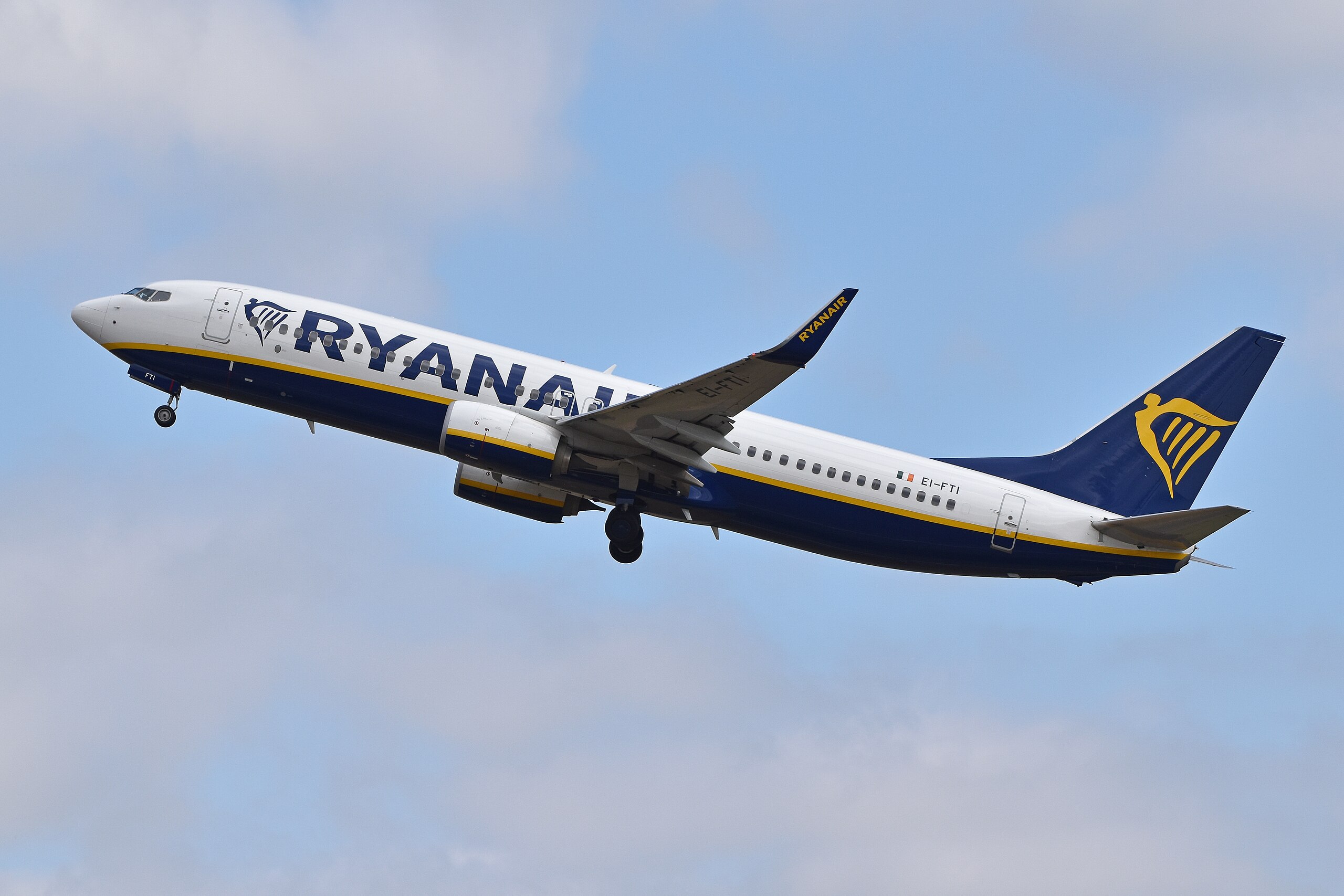
A Ryanair Boeing 737‑800 continued operating for 24 hours with undetected engine damage after suffering a pod strike during landing in Faro, Portugal, according to Portugal’s GPIAA.
Ryanair Pod Strike Occurs During Landing in Faro
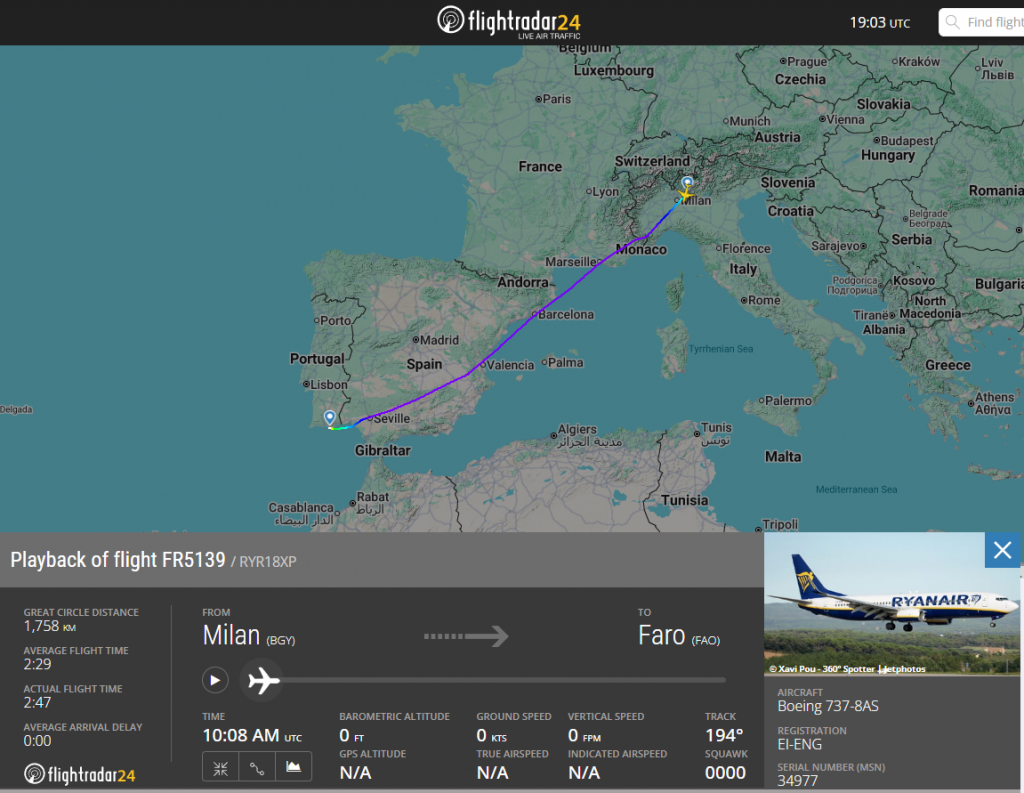
The incident took place on 15 November 2025, when the aircraft, registered EI‑ENG, arrived from Milan Bergamo as flight FR5139.
Data later revealed the aircraft touched down firmly at 1.69G, with significant aileron inputs during the flare.
The left main landing gear briefly bounced, causing the aircraft to roll right to around nine degrees—enough for the No. 2 engine nacelle to scrape the runway surface.
Despite the pod strike, the crew believed the landing was within normal parameters as per The Aviation Herald.
With no cockpit indications of a hard landing and no obvious abnormalities during the post‑flight walkaround, the aircraft was cleared for further service.
Four Flights Operated Before Damage Found
Over the next day, the aircraft completed four additional passenger flights.
Neither the flight crews nor engineers conducting a ramp inspection that evening identified the nacelle damage.
Investigators noted that the affected area sits very low to the ground, making it difficult to inspect without kneeling or using additional equipment.
This challenge was echoed by engineers reacting to the report, with several noting that underside nacelle checks on 737s often require more than a standard walkaround to spot subtle scrapes or structural marks.
Because the damage did not immediately affect engine performance or aircraft handling, there were no operational cues to alert crews during the subsequent flights.
The aircraft remained in service until the following day, when the damage was finally detected during a more detailed inspection. Ryanair then declared the aircraft AOG (Aircraft on Ground) in Faro.
Investigation Highlights Inspection Challenges
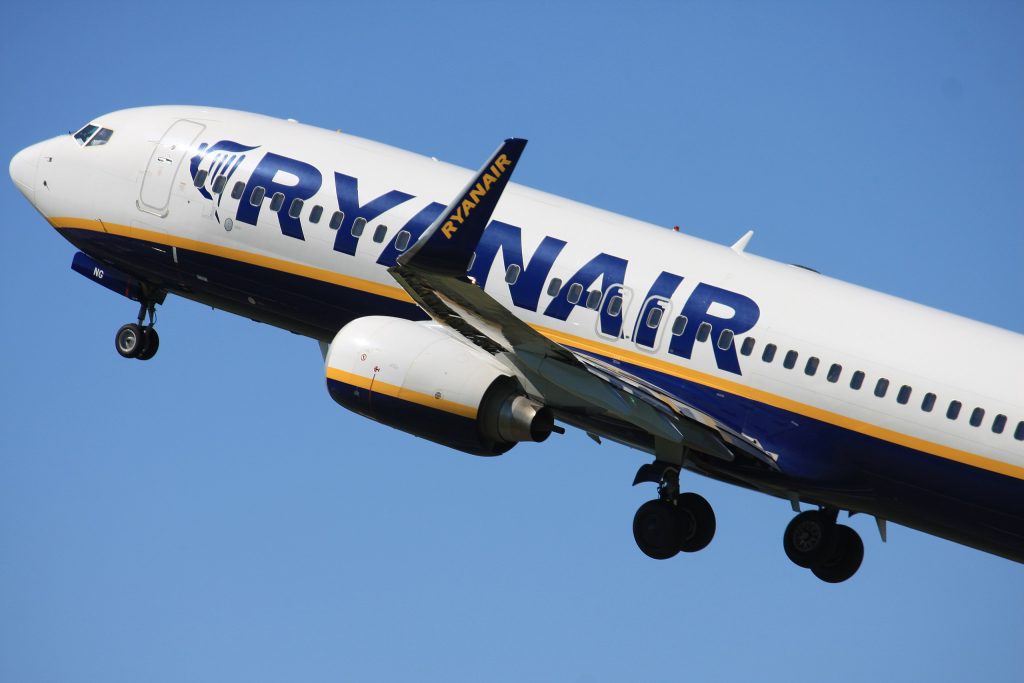
The GPIAA’s initial findings point to several contributing factors: the subtlety of the bounce, the crew’s perception that the landing was normal, and the difficulty of visually inspecting the lower nacelle area.
The absence of performance issues further reduced the likelihood of detection during routine checks.
The aircraft remained grounded until 22 November while repairs and inspections were completed.
Ryanair has since introduced mitigation measures, though details have not yet been publicly released.
While the aircraft did not pose an immediate safety threat after the strike, the incident underscores the importance of thorough post‑landing inspections—particularly after firm touchdowns or bounces that may not appear significant at the time.
For high‑frequency operators like Ryanair, ensuring crews have the time, tools, and training to inspect hard‑to‑see areas remains a critical safeguard.
Continue to follow The Aviation Hub for more analysis and insight!