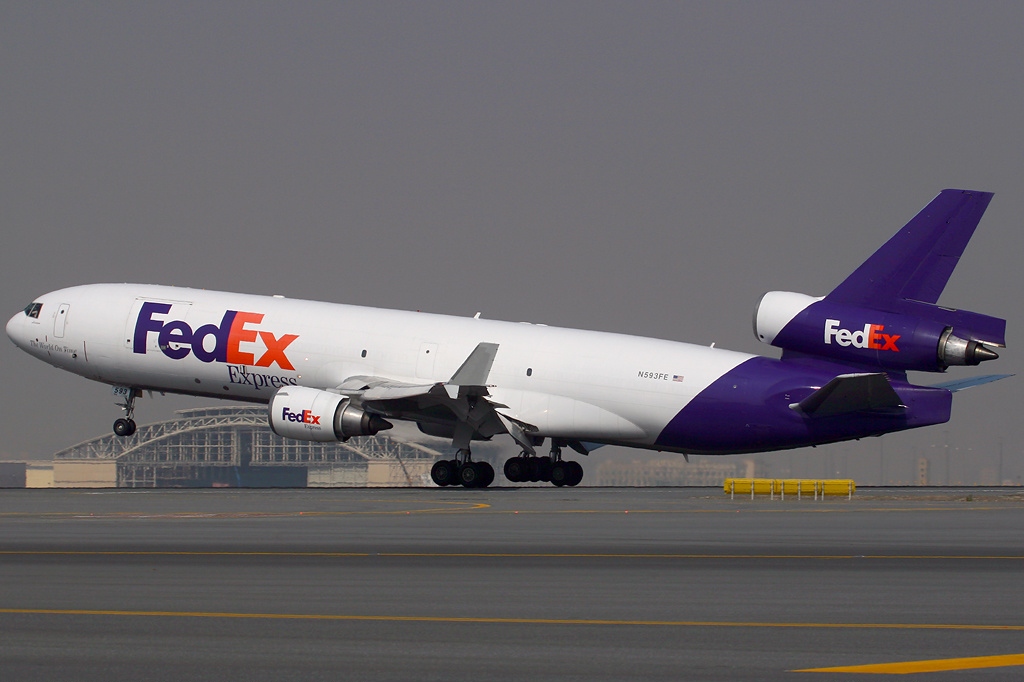

For FedEx, the grounding of the McDonnell Douglas MD-11F is expected to cost them $175m, as disruption continues within the supply chain.
When a major cargo airline removes a core aircraft type from service overnight, the effects ripple far beyond its own balance sheet.
That is precisely what has happened following the grounding of the MD-11F freighter fleet after a fatal accident involving a similar aircraft operated by UPS.
For FedEx, the operational shock has translated into hundreds of millions of dollars in additional costs, forcing the company to reconfigure its network at the busiest time of year and offering a revealing case study in how fragile global air freight capacity can be under stress.
A Sudden Fleet Shock
The grounding of the MD-11F fleet followed the crash of a UPS-operated MD-11F shortly after departure from Louisville on 4 November.
Although the aircraft type has long been considered mature and well understood, regulators and operators moved swiftly to suspend operations of the model pending investigation outcomes.
FedEx, which relies heavily on widebody freighters to support its time-definite express network, immediately felt the impact.
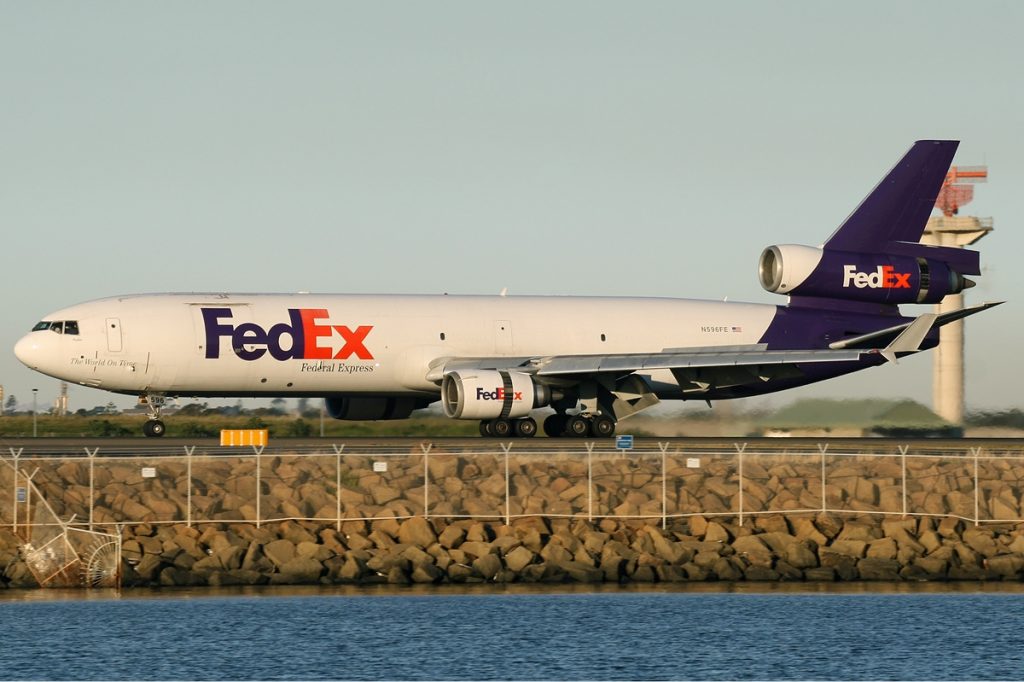
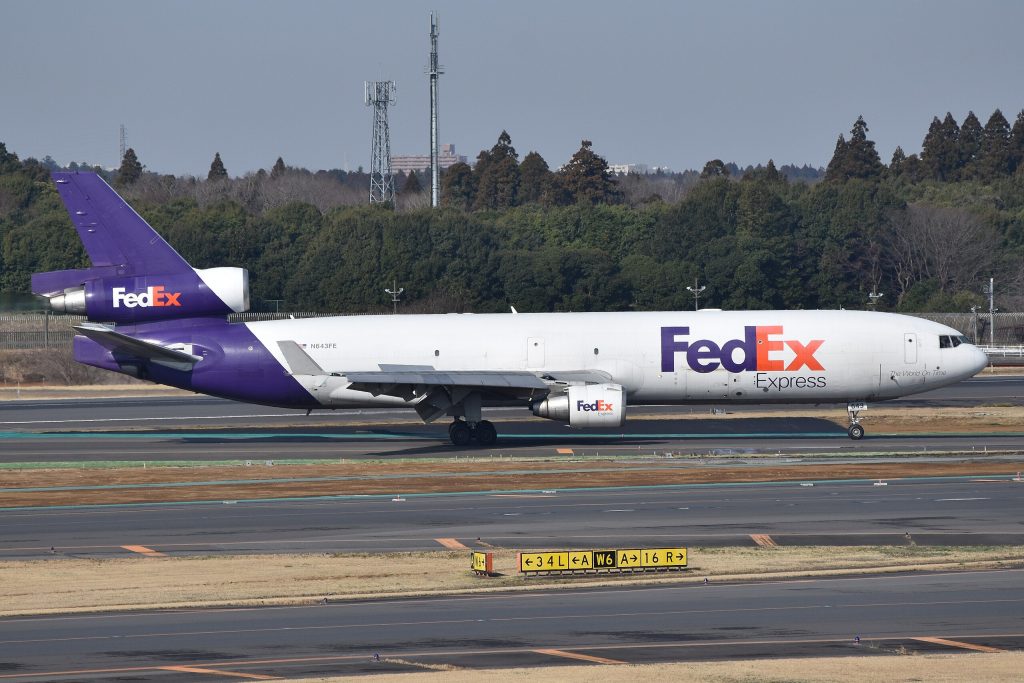
At the time of the grounding, FedEx owned 34 MD-11Fs, with 25 actively flying. Of those, a significant majority were deployed on domestic routes—critical legs that feed the company’s overnight and second-day delivery promises.
Losing these aircraft removed not only capacity, but flexibility, from a system designed to function with minute-by-minute precision.
Counting the Cost: $175 Million and Rising
During its fiscal second-quarter earnings call, FedEx management laid out the financial consequences with unusual clarity.
President and chief executive Rajesh Subramaniam explained that the company had been forced to rebalance volumes across the rest of its fleet, accelerate the use of third-party aircraft, and re-sequence maintenance events for aircraft still in service.
The numbers tell a stark story.
Chief financial officer John Dietrich said that the grounding resulted in approximately $25 million in costs during November alone.
An additional $150 million is expected to hit the books in the third quarter—precisely when demand peaks due to holiday shipping.
This is not merely a question of leasing a few extra aircraft.
Outsourced lift during peak season commands premium pricing, and competition for available freighters is fierce.
As Dietrich bluntly noted, grounding aircraft at this time of year is among the most expensive operational disruptions an airline can face.
Operational Workarounds Under Pressure
To keep shipments moving, FedEx deployed a multi-layered response:
- Fleet substitution: Volumes were shifted onto other aircraft types in the owned fleet, increasing utilization and tightening schedules.
- Third-party lift: Charter operators and wet-lease providers were brought in, despite higher-than-normal market rates.
- Ground transport expansion: Where feasible, FedEx added trucking capacity to bridge gaps left by reduced airlift.
- Maintenance reshuffling: Planned downtime for remaining aircraft was adjusted to keep as much lift available as possible.
Each measure mitigated immediate service disruptions, but none came without trade-offs.
Higher utilization accelerates wear and raises future maintenance costs. Third-party lift erodes margins.
Trucking, while reliable, cannot fully replicate the speed advantages of overnight air service across long distances.
FedEx Financial Performance Masks Underlying Strain
On the surface, FedEx’s second-quarter financial results appeared robust. Revenue rose 6.8% year on year to $23.5 billion.
Operating income climbed more than 30% to $1.4 billion, while net income increased 25% to $956 million.
Management pointed to strong US domestic and international priority yields, structural cost reductions, and higher domestic package volumes.
Yet these gains came despite what the company described as “significant external headwinds.”
The MD-11F grounding was one of the most visible, but not the only, challenge.
Higher wage rates, rising purchased transportation costs, and the effects of shifting global trade policies all weighed on performance—particularly within the Express segment.
In other words, the headline numbers obscure the degree of operational strain beneath the surface.
Without the grounding, profitability would almost certainly have been stronger.
Fleet Strategy Meets Geopolitics
The MD-11F disruption also intersected with a broader realignment of FedEx’s global network.
Changes in US trade policy have reduced transpacific demand, prompting the company to cut its own-operated Asia outbound capacity by around 25% year on year.
Third-party capacity on those routes fell even more sharply, by nearly 35%.
Some of this capacity was redeployed to the Asia–Europe corridor, where demand dynamics have been comparatively healthier.
The grounding complicated these adjustments, limiting FedEx’s ability to reposition aircraft exactly where they were needed most.
This convergence of regulatory, geopolitical, and operational factors highlights a key vulnerability: air cargo networks are optimized for efficiency, not redundancy.
When multiple disruptions overlap, recovery becomes exponentially harder.
What the MD-11F Grounding Reveals About Air Freight
The MD-11F has long been a workhorse of the cargo industry, prized for its payload, range, and relatively low acquisition cost.
Many carriers operate aging fleets of similar aircraft types, relying on rigorous maintenance regimes and proven designs rather than frequent fleet renewal.
The current grounding raises uncomfortable questions:
- Aging fleets: As widebody freighters age, the risk of unexpected, system-wide groundings increases.
- Limited spare capacity: The global freighter market has little slack, particularly during peak seasons.
- High barriers to replacement: New-build freighters are expensive and often sold out years in advance.
For the wider air freight industry, this episode serves as a reminder that resilience often comes at the expense of short-term efficiency—and that balance has tilted heavily toward efficiency over the past decade.
The Path Back to Service for FedEx MD-11Fs…
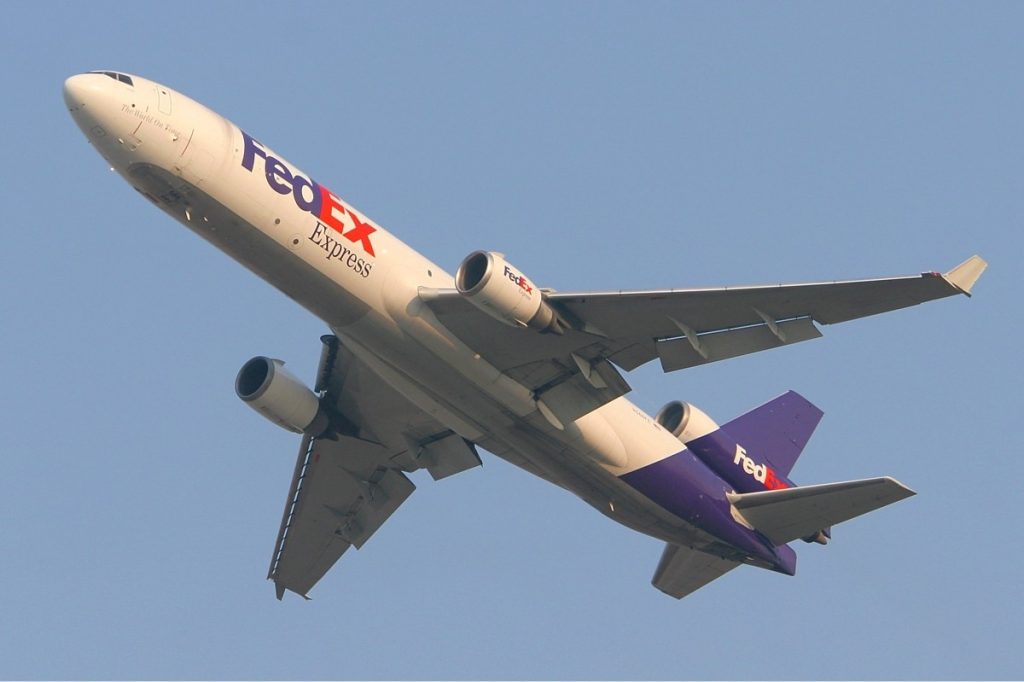
FedEx expects the MD-11F fleet to return to service during its fourth fiscal quarter, spanning March to May.
The timeline suggests confidence that investigations and any required inspections or modifications will be resolved without long-term restrictions.
Still, even a temporary return does not erase the strategic implications.
The company must now weigh whether continued reliance on a single, aging aircraft type exposes it to unacceptable operational risk.
Accelerated fleet renewal, increased diversification across aircraft models, or deeper partnerships with third-party operators could all be part of the long-term response.
Lessons for Shippers and Competitors
For shippers, the grounding underscores why air freight rates spike so sharply during disruptions.
Capacity that appears abundant in normal times can evaporate almost instantly.
Those with diversified carrier relationships and flexible routing options are better positioned to weather such shocks.
For competing integrators and cargo airlines, FedEx’s experience is both cautionary and instructive.
While some may benefit short-term from higher charter demand or rate increases, they face similar structural vulnerabilities.
Any carrier operating older freighters must now reassess contingency planning and communication strategies with customers.
Beyond FedEx: A System Under Strain
Ultimately, the MD-11F grounding is less about one aircraft model and more about the state of global air freight.
The industry has been shaped by years of just-in-time logistics, tight cost control, and high asset utilization.
These practices deliver efficiency—but they also reduce margin for error.
As e-commerce volumes grow, geopolitical uncertainty persists, and sustainability pressures reshape fleet decisions, the ability to absorb sudden shocks will become a defining competitive advantage.
FedEx’s experience offers a preview of what happens when that buffer is tested.
Overall…
The grounding of the MD-11F fleet has cost FedEx up to $175 million, disrupted operations during peak season, and exposed broader fragilities in the air freight ecosystem.
While the company’s financial strength and network scale allowed it to adapt without major service failures, the episode highlights the risks inherent in aging fleets and tightly optimized systems.
For the air cargo industry, the message is clear: resilience is no longer optional.
Whether through fleet diversification, increased spare capacity, or smarter integration of air and ground transport, carriers must prepare for disruptions that are not hypothetical—but increasingly inevitable.
Continue to follow The Aviation Hub for more insight and analysis!