Lufthansa City Airlines has taken another decisive step in its rapid scale‑up, officially launching operations from Frankfurt Airport—its second base and the Lufthansa Group’s largest hub.
The move, which became effective on 9 February 2026, signals the Group’s intent to strengthen its short‑haul network and consolidate capacity across key European markets.
It also underscores the airline’s growing role as a core feeder carrier within the Lufthansa ecosystem.
Frankfurt: A New Hub, A Clear Strategic Intent
The Frankfurt opening follows the airline’s successful debut in Munich in summer 2024, a launch that laid the groundwork for Lufthansa City Airlines’ accelerated expansion.
According to Chief Operating Officer Peter Albers, the new base is not simply an operational milestone but a strategic one.
“With our new base and the targeted expansion of our short‑haul network, we are simultaneously strengthening our market position and laying the foundation for further growth within the Group,” he said.
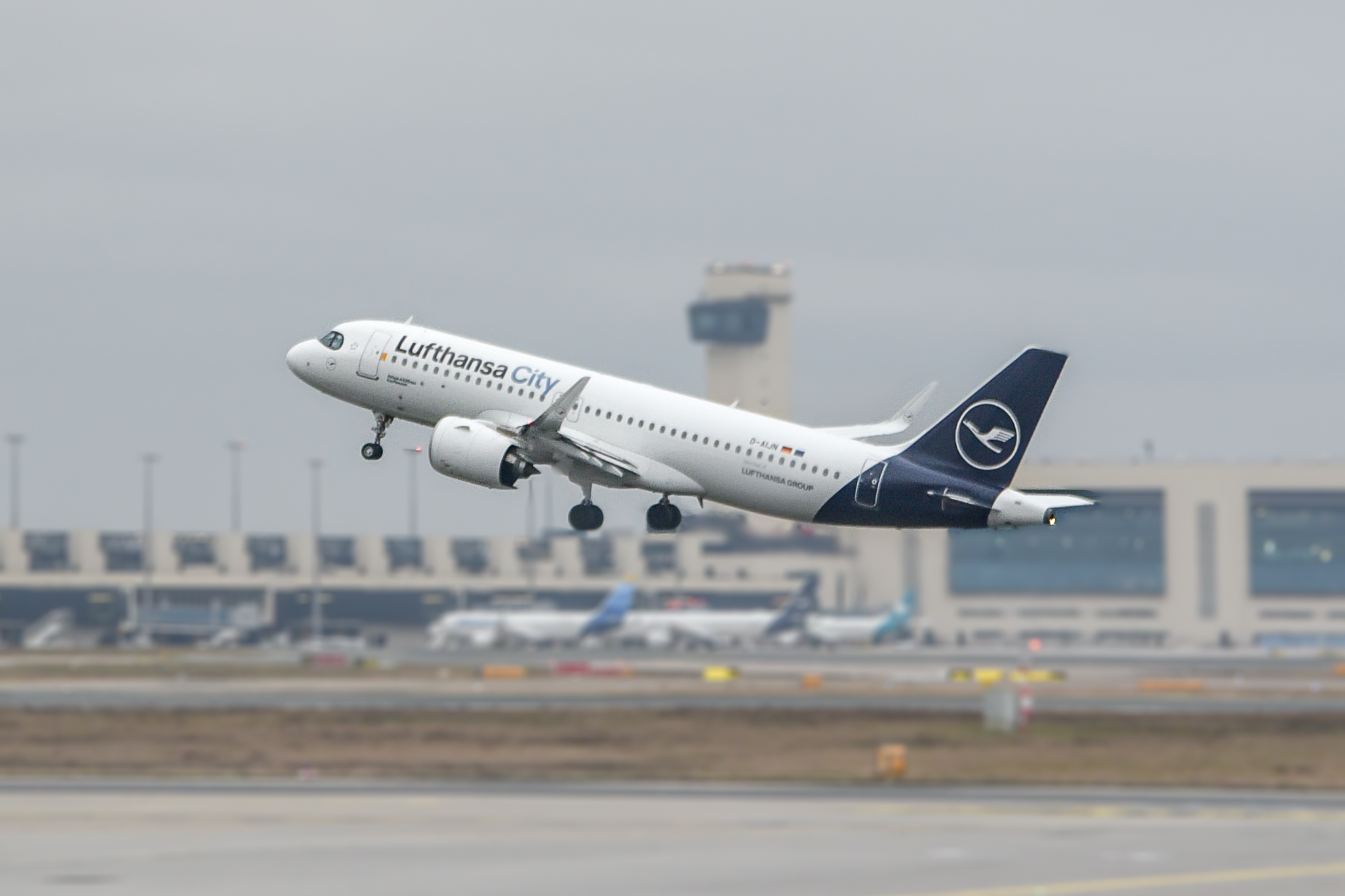
The inaugural Frankfurt service—flight VL946—departed late afternoon for Manchester, operated by an Airbus A320neo registered D‑AIJN.
The choice of aircraft is no coincidence: the A320neo family sits at the heart of Lufthansa City Airlines’ fleet strategy, offering lower fuel burn, reduced noise, and improved economics on high‑frequency European routes.
Lufthansa City Airlines: Building a Robust Short‑Haul Network
The initial Frankfurt schedule includes Manchester, Berlin, and Valencia, with Düsseldorf and Málaga joining in March as a second aircraft enters service.
The airline plans a phased expansion through summer 2026, adding major European business and leisure destinations such as London Heathrow, Stockholm, Bilbao, Hamburg, Helsinki, Ibiza, Marseille, and Bucharest.
This network design mirrors Lufthansa Group’s broader strategy: strengthening connectivity between its hubs while ensuring competitive coverage in markets where demand is both resilient and strategically valuable.
Frankfurt, with its global long‑haul footprint, provides the ideal platform for City Airlines to feed intercontinental traffic while capturing point‑to‑point demand.
Fleet Growth Anchored in Efficiency
By September 2026, Lufthansa City Airlines expects to base seven Airbus A320neo aircraft in Frankfurt, complementing the 13 already operating from Munich.
The airline’s growth trajectory has been steep: in 2025 alone, it operated nearly 16,000 flights, carrying around 2 million passengers to 27 destinations.
The A320neo’s operational efficiency is central to the airline’s value proposition.
As Lufthansa Group continues to modernise its narrowbody fleet, City Airlines serves as a proving ground for high‑utilisation, next‑generation aircraft deployed on dense intra‑European routes.
Scaling the Workforce to Match Ambition
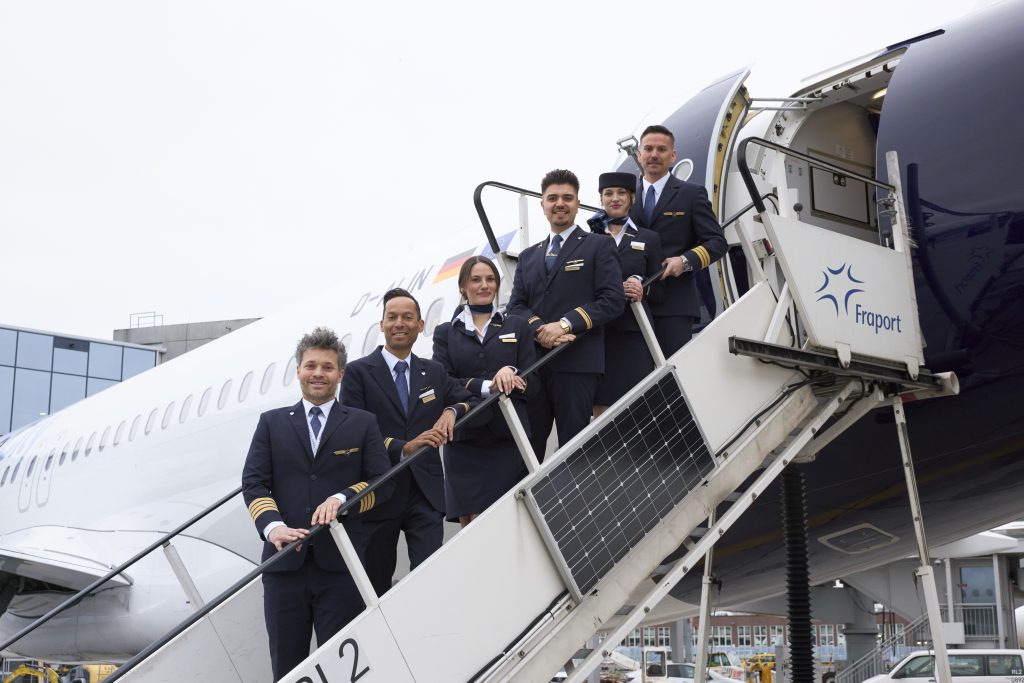
The expansion is not limited to aircraft and routes. Lufthansa City Airlines is in the midst of a significant recruitment drive, with around 60 employees already hired in Frankfurt and plans to add 80 cockpit crew and 200 cabin crew in the coming months.
The airline currently employs roughly 450 people, a number expected to rise steadily as new aircraft and routes come online.
This hiring push reflects both operational necessity and the Group’s long‑term ambition to build a stable, dedicated workforce for its short‑haul operations—an area where European carriers have faced persistent staffing challenges since the pandemic.
Lufthansa City Airlines & Frankfurt: Strengthening the Group’s Competitive Position
Since joining Star Alliance as a permanent member in September 2025, Lufthansa City Airlines has gained access to a global network and loyalty ecosystem, enhancing its appeal to frequent travellers and connecting passengers.
The Frankfurt base further cements its role as a key contributor to the Group’s European strategy, supporting both hub connectivity and competitive positioning against low‑cost rivals.
As Lufthansa City Airlines continues its expansion, the airline is positioning itself not merely as a feeder carrier but as a modern, efficient, and strategically vital component of the Lufthansa Group’s future.
With a growing fleet, expanding network, and strengthened presence at two major hubs, the airline is set to play an increasingly influential role in shaping Europe’s short‑haul landscape.
Continue to follow The Aviation Hub for more analysis and insight!