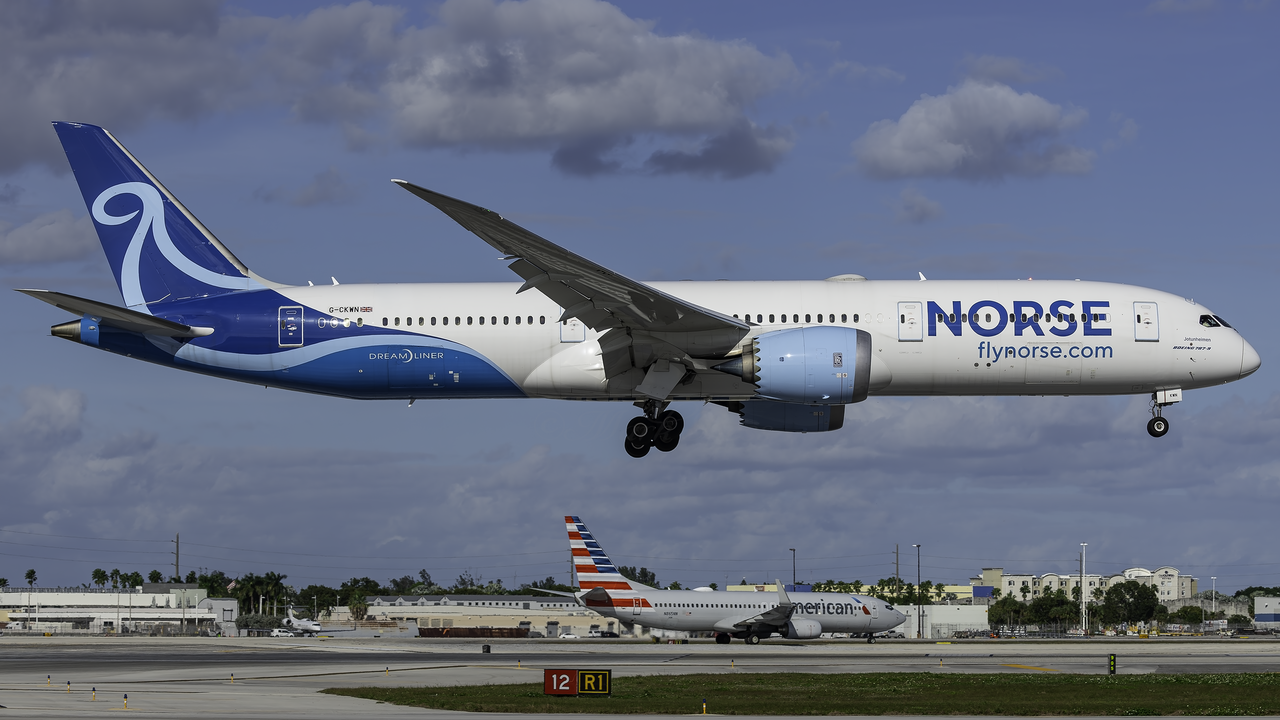
Norse Atlantic has reached a defining moment in its strategic reset, completing its transition to a hybrid model that blends long‑term ACMI charter operations with IndiGo alongside a streamlined network of high‑performing scheduled routes.
The shift, announced on 9 February, is anchored by the delivery of the sixth and final Boeing 787‑9 to IndiGo under a long‑term ACMI agreement—an aircraft that entered commercial service immediately after its handover on 29 January.
The milestone marks a structural change in how the young long‑haul carrier manages risk, deploys its fleet, and positions itself in a market still characterised by uneven demand patterns and persistent fuel price volatility.
IndiGo Partnership: A More Predictable Revenue Base for Norse…
With the IndiGo delivery now complete, half of Norse Atlantic’s 12‑strong Boeing 787 fleet is secured on long‑term ACMI contracts.
According to the airline, this provides “stable, predictable cash flow without exposure to fuel price volatility or short‑term demand swings,” a notable shift for a carrier that launched in 2022 with a pure long‑haul, low‑cost model.
The company frames this as a deliberate move to reduce exposure at a time when the long‑haul sector remains sensitive to macroeconomic fluctuations.
By locking in guaranteed utilisation and removing fuel risk from half its fleet, Norse has effectively built a financial buffer into its operating model.
The remaining aircraft continue to operate on what the airline describes as a “high‑graded network,” with routes dynamically adjusted to focus on the strongest pockets of consumer demand.
CEO: “This Transition Materially Strengthens Our Position”
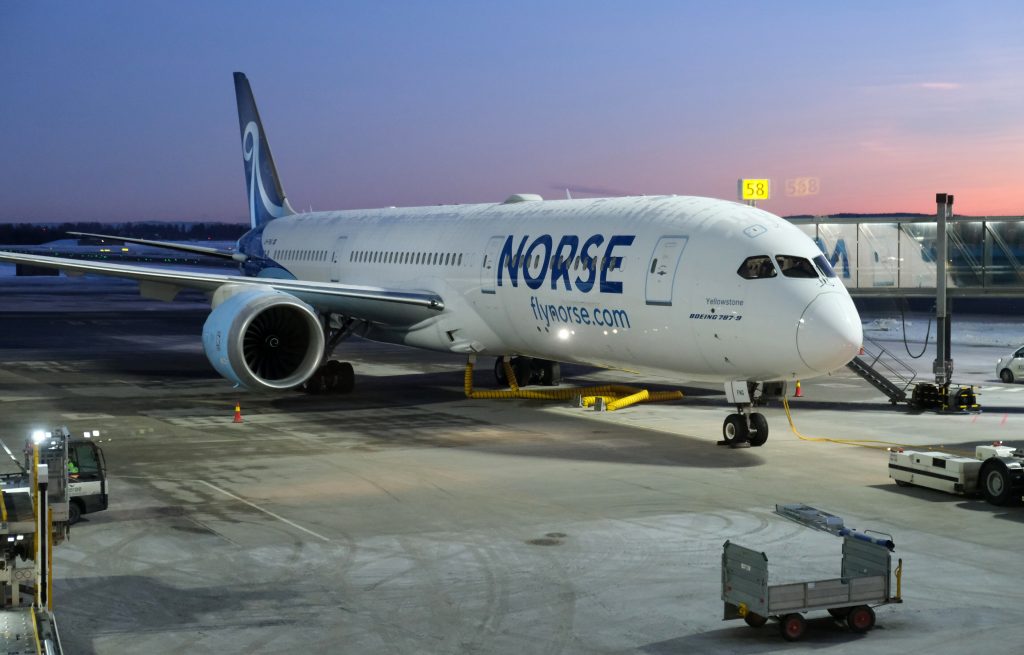
Chief Executive Eivind Roald said the completion of the ACMI transition represents a structural strengthening of the business.
“Completing this transition materially strengthens Norse’s financial and strategic position,” Roald said.
“Long‑term ACMI operations provide predictable revenues and shield the company from fuel price risk and ongoing market volatility, while our own network allows us to capture upside in selected long‑haul leisure markets.”
“This balanced model gives Norse greater stability, flexibility, and resilience in the operating environment.”
The dual‑track strategy—half the fleet on fixed‑income ACMI, half deployed on opportunistic long‑haul routes—positions Norse differently from both traditional network carriers and pure ACMI operators.
It also reflects a broader trend in the post‑pandemic long‑haul market, where flexibility and risk‑mitigation have become central to airline planning.
Seasonal Strength and Network Focus
Norse’s winter schedule underscores this selective approach.
The airline is concentrating on transatlantic routes with proven demand, alongside high‑traffic flows between Europe and Thailand, Europe and South Africa, and a series of cruise‑related charter flights from the UK to the Caribbean.
Looking ahead to spring and summer, Norse plans to operate a transatlantic‑heavy network linking major U.S. and European cities—markets where the airline has historically seen strong seasonal performance.
The ACMI agreement with IndiGo, first outlined in November 2024, includes payment for 350 guaranteed block hours per aircraft per month, with additional compensation for higher utilisation.
For Norse, this creates a predictable revenue floor; for IndiGo, it provides long‑haul lift as the Indian carrier continues its rapid expansion.
A Young Airline Recalibrating for Stability, IndiGo Helping…
Norse Atlantic remains a relatively new entrant, having launched its first flight from Oslo to New York in June 2022.
Since then, the airline has carried approximately five million passengers and generated USD 680 million in revenue in the 12 months to 30 September 2025.
Its fleet of 12 fuel‑efficient Boeing 787 Dreamliners supports both its scheduled and ACMI operations, with the airline continuing to position itself as a provider of affordable long‑haul travel alongside specialised charter and cargo services.
The completion of the ACMI transition marks a decisive step in Norse’s evolution.
By reducing exposure to volatile inputs and focusing its scheduled flying on high‑yielding corridors, the carrier is signalling a pragmatic shift—one that prioritises resilience over rapid expansion, and stability over scale.
Continue to follow The Aviation Hub for more analysis and insight!