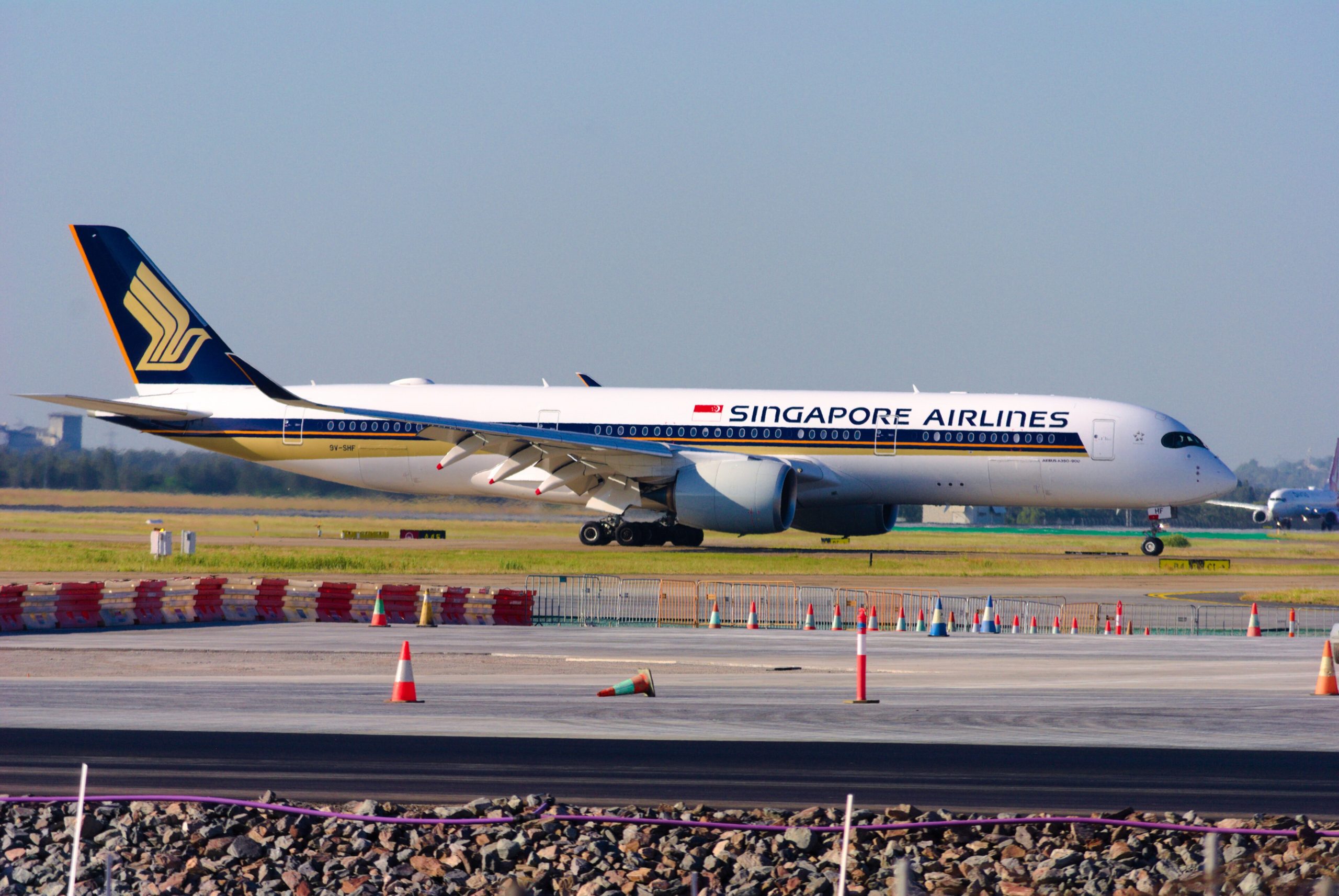
On January 10th, 2026, Singapore Airlines flight SQ661, operated by Airbus A350-941 registered 9V-SHO, encountered a technical issue shortly after departure from New Chitose Airport (CTS) in Sapporo, Japan.
The aircraft, bound for Singapore Changi Airport (SIN), was forced to return to its origin due to a malfunction in the cabin air conditioning system, disrupting the journey for passengers and prompting a two-day grounding of the aircraft.
Singapore Airlines Flight SQ661 From Sapporo…
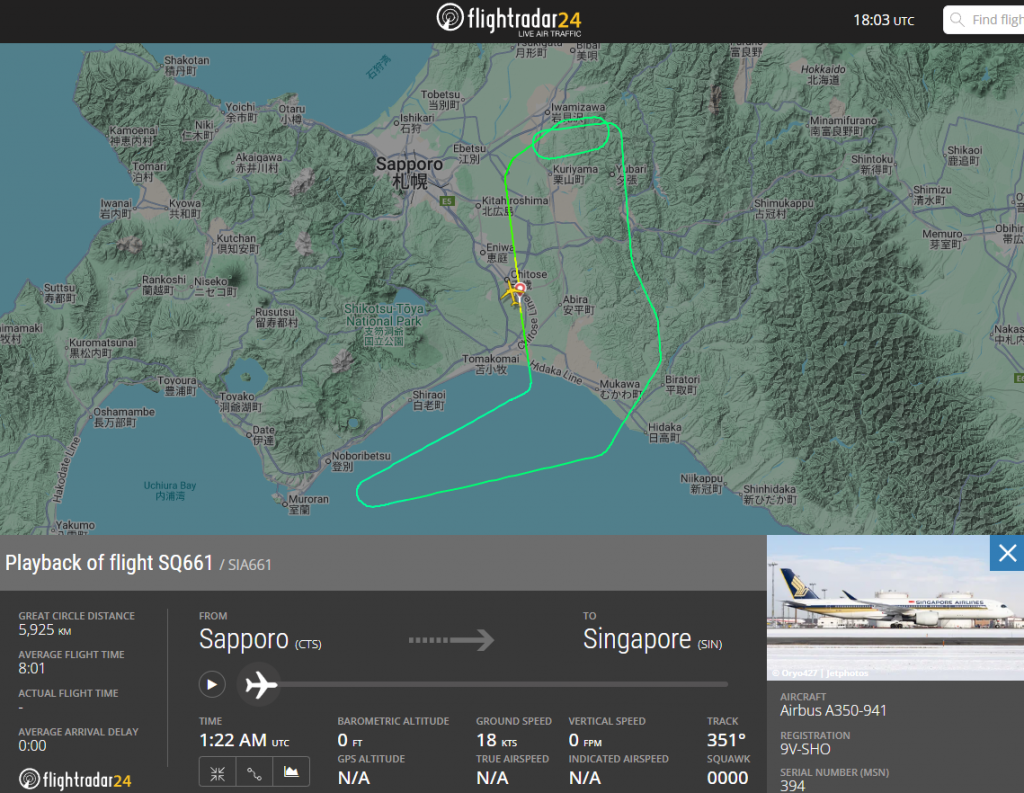
Flight SQ661 departed Sapporo’s runway 19R and began its climb as scheduled.
However, at approximately 8,000 feet, the crew halted the ascent and initiated a descent to 7,000 feet.
The decision to return was made swiftly, and the aircraft landed safely on runway 19L roughly 50 minutes after takeoff.
Passenger accounts described an uncomfortable cabin environment, with the air conditioning system failing to regulate temperature.
Despite the safe landing, passengers were reportedly kept onboard for several hours before being allowed to disembark.
Singapore Airlines later confirmed a technical fault and arranged hotel accommodations for affected travelers.
About The Airbus A350 Involved…
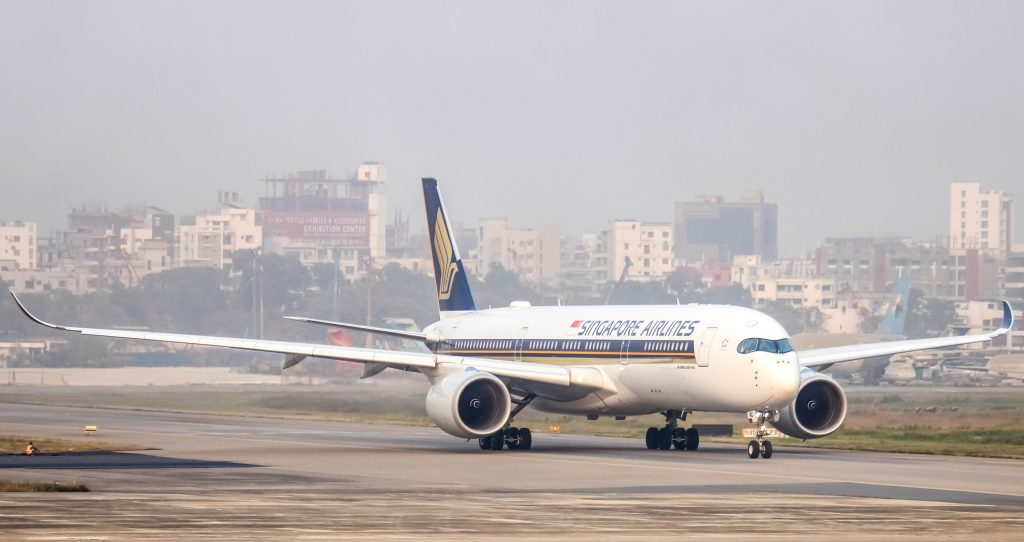
The aircraft involved, 9V-SHO, is a six-year-old Airbus A350-941 delivered to Singapore Airlines on February 21st, 2020.
Built at Airbus’s Toulouse facility, the aircraft first flew on February 6th, 2020 under test registration F-WWTW.
It features a C40Y263 configuration and is powered by two Rolls-Royce Trent XWB-75 engines.
Following the incident, 9V-SHO remained grounded in Sapporo until January 12th, when it was ferried back to Singapore as flight SQ9663.
The aircraft resumed regular service shortly thereafter, operating flights to Hyderabad, Manila, Denpasar, Kuala Lumpur, Brisbane, Melbourne, and Tokyo in the days following its return.
Response Following The Incident on SQ661 Sapporo-Singapore…
Singapore Airlines acted promptly to mitigate passenger inconvenience after keeping them trapped for several hours, offering hotel stays and rebooking options.
The airline’s transparency in acknowledging the fault and its swift logistical response helped contain reputational impact.
No injuries were reported, and the aircraft’s safe return underscored the professionalism of the flight crew and the reliability of Airbus’s flight systems in managing technical anomalies.
While the air conditioning issue did not escalate into a safety-critical failure, it highlights the importance of environmental control systems in long-haul operations.
Cabin climate regulation is essential not only for passenger comfort but also for maintaining optimal conditions for crew performance and onboard equipment.
The Airbus A350 family is renowned for its advanced environmental control systems, including high-efficiency air filtration and zonal temperature management. Failures of this nature are rare but not unprecedented.
In this case, the fault was isolated and resolved without further incident, and the aircraft returned to service within 48 hours.
Singapore Airlines maintains one of the youngest and most technologically advanced fleets globally.
The A350-941 variant plays a central role in its long-haul strategy, offering fuel efficiency, passenger comfort, and operational reliability.
Aircraft 9V-SHO has since resumed normal operations, with no further reports of technical issues.
Overall…
The January 10th incident involving flight SQ661 serves as a reminder of the complexities of modern aviation and the importance of robust maintenance and operational protocols.
While the disruption was significant for passengers, the outcome was a testament to effective crew decision-making and airline support systems.
As aviation technology continues to evolve, incidents like these offer valuable insights into system resilience and the human factors that ensure safety remains paramount.
Continue to follow The Aviation Hub for more analysis and insight!