
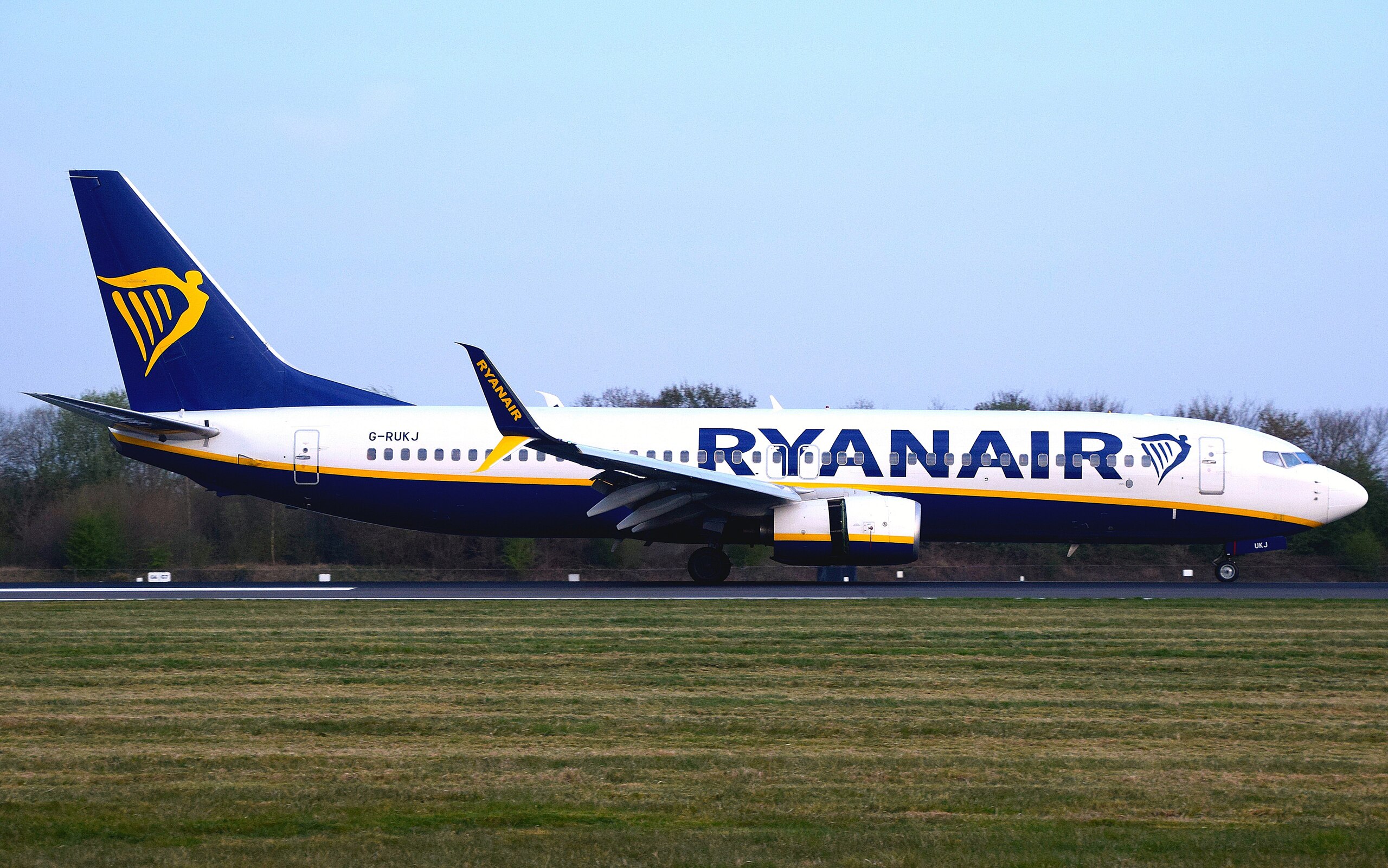
Ryanair closed out the year with a strong surge in passenger numbers, reporting a 7% year‑on‑year increase in December traffic to 14.5 million guests.
The figure, published on 5 January 2026, underscores the airline’s continued momentum as Europe’s largest low‑cost carrier and highlights the resilience of short‑haul travel demand across the continent.
Although the press release provides only headline data, the growth aligns with Ryanair’s broader trajectory over recent years: aggressive capacity expansion, sustained fleet investment, and a network strategy built around high‑frequency, low‑fare operations.
December’s performance reinforces the carrier’s position as one of the fastest‑growing major airlines in Europe, even amid ongoing macroeconomic pressures and operational challenges affecting the wider aviation sector.
A Strong Finish to the Year by Ryanair…
The 14.5 million passengers carried in December represent a meaningful uplift for what is traditionally a mixed month for airlines.
While the Christmas and New Year period drives strong leisure demand, early‑December travel can be softer.
Ryanair’s ability to grow traffic by 7% suggests that its combination of low fares, extensive route options, and high aircraft utilisation continues to resonate with travellers.
The airline has consistently leveraged its scale to stimulate demand, often adding capacity in markets where competitors have retrenched.
December’s numbers indicate that this strategy remains effective, particularly as consumers across Europe continue to prioritise travel despite inflationary pressures.
In the rolling 12 month period, passenger numbers have increased by 5% to 206.5m, with load factors remaining the same at 94%.
Network Breadth and Fleet Expansion Fuel Growth
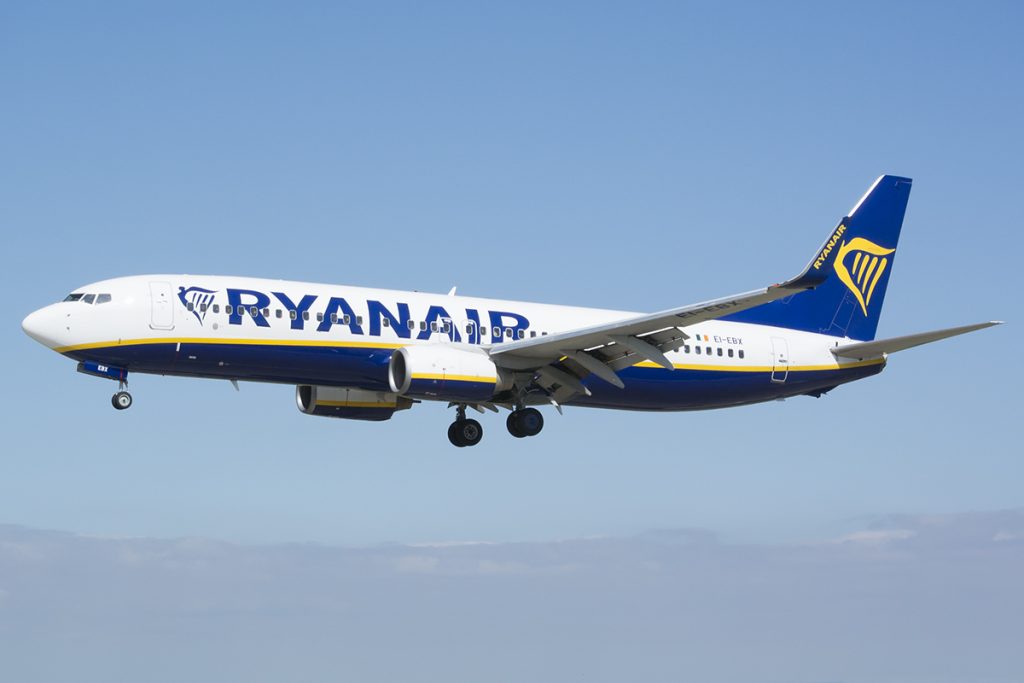
Ryanair’s traffic performance is closely tied to its expanding fleet of Boeing 737 aircraft, including the high‑density 737‑8200 “Gamechanger,” which offers improved fuel efficiency and lower per‑seat costs.
The airline has been steadily increasing deliveries in recent years, enabling it to open new bases, add frequencies, and strengthen its presence in key markets.
The carrier’s network now spans more than 230 airports, with a focus on secondary and regional gateways that offer lower operating costs and fewer congestion‑related delays.
This model has allowed Ryanair to maintain high reliability and punctuality—two factors that continue to influence passenger choice, especially during peak holiday periods.
Competitive Positioning in a Shifting Market
Ryanair’s December growth also reflects broader competitive dynamics in European aviation.
Many legacy carriers have adopted more conservative capacity strategies, constrained by labour shortages, aircraft delivery delays, and cost‑reduction programmes.
Meanwhile, several low‑cost rivals have faced operational or financial headwinds that have limited their ability to expand at pace.
Against this backdrop, Ryanair has capitalised on market gaps, adding routes and frequencies where demand remains strong.
The airline’s cost discipline—long a hallmark of its business model—has enabled it to keep fares comparatively low even as fuel and labour costs have risen across the industry.
The 7% traffic increase suggests that Ryanair continues to win market share, particularly in leisure‑focused markets such as Spain, Italy, Portugal, and Central/Eastern Europe.
Its growing presence in major hubs, including airports in France and the UK, further strengthens its competitive position.
Seasonal Demand and Consumer Behaviour
December travel patterns have shifted in recent years, influenced by hybrid working trends, pent‑up post‑pandemic demand, and a growing preference for short‑haul city breaks.
Ryanair’s extensive point‑to‑point network is well‑suited to these evolving behaviours, offering flexibility and frequency that appeal to both leisure and visiting‑friends‑and‑relatives (VFR) travellers.
The airline’s ability to stimulate demand through promotional fares and targeted marketing campaigns likely contributed to the December uplift.
While the press release does not provide load factor data, Ryanair has historically maintained some of the highest load factors in Europe, often exceeding 90% during peak periods.
Looking Ahead: Opportunities and Challenges for Ryanair…
Ryanair’s strong December performance sets a positive tone for the year ahead, but the airline will face several challenges as it continues to scale.
Aircraft delivery delays—particularly affecting Boeing—have the potential to constrain capacity growth.
Additionally, airport charges, air traffic control disruptions, and regulatory pressures remain ongoing concerns for the carrier.
Nevertheless, Ryanair’s cost leadership, fleet efficiency, and network breadth position it well to navigate these headwinds.
If demand remains robust, the airline is likely to continue its upward trajectory, leveraging its scale to capture further market share across Europe.
Ryanair’s 7% increase in December traffic to 14.5 million guests highlights the airline’s strong operational performance and sustained demand for low‑cost travel across Europe.
While the press release provides only headline data, the growth aligns with Ryanair’s broader strategic direction: expanding its fleet, deepening its network, and maintaining a relentless focus on cost efficiency.
As the airline enters the new year, its December results underscore both its resilience and its ambition.
With a growing fleet, a robust route network, and a clear competitive edge, Ryanair appears well‑positioned to continue shaping the European aviation landscape in the months ahead.
Continue to follow The Aviation Hub for more analysis and insight!