
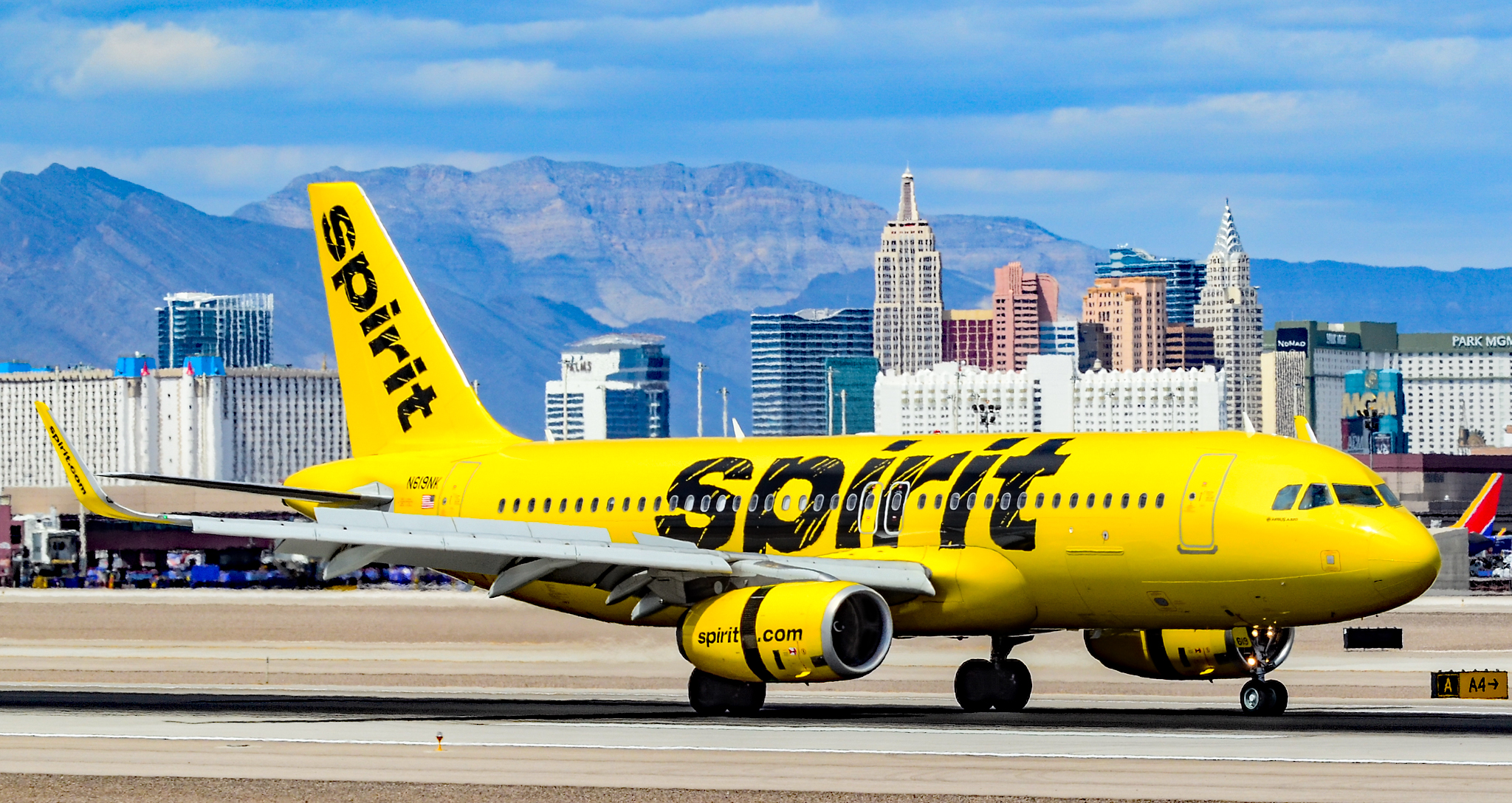
Spirit Airlines has taken another decisive step toward completing its restructuring, securing an agreement in principle with its debtor in possession lenders and secured noteholders.
The development marks one of the most consequential milestones in the carrier’s Chapter 11 process to date, providing the financial clarity and backing needed to finalise its transformation.
As the company stated, the agreement “will provide Spirit with the financial support needed to finalize its restructuring and complete the remaining changes necessary to optimize the Company’s fleet, network and cost structure”.
The airline now expects to emerge from Chapter 11 in late spring or early summer, positioning itself as a leaner, more competitive ultra low cost carrier with a renewed focus on value and product choice.
For a brand that has spent years navigating operational pressures, rising costs and shifting demand patterns, this moment signals a reset designed to stabilise the business for the long term.
A Strategic Reset for Spirit Airlines Backed by Lenders
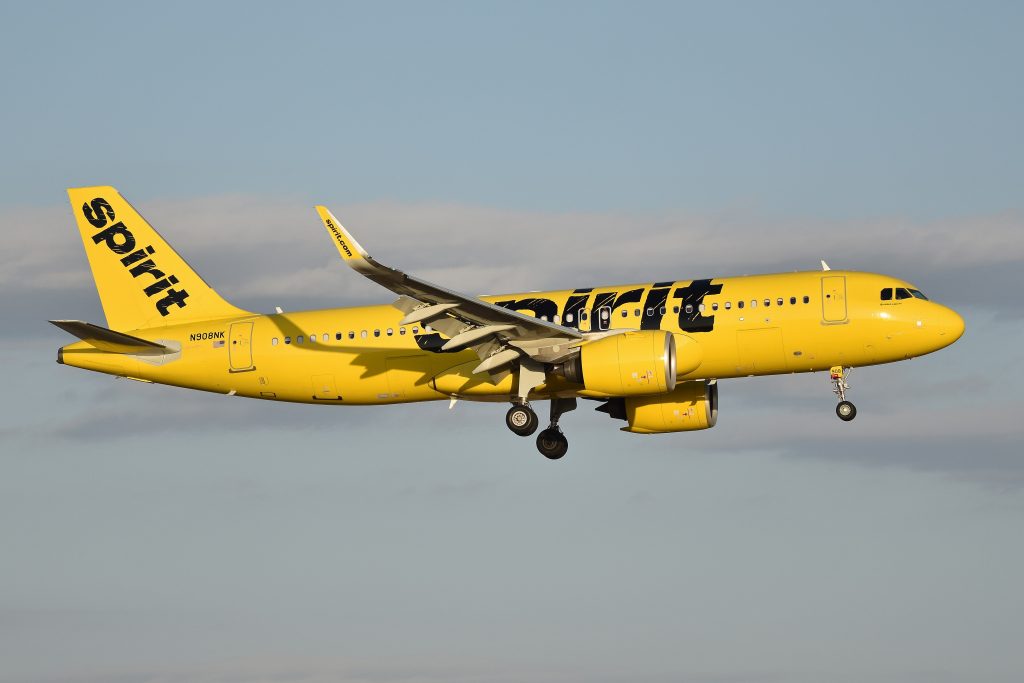
The agreement in principle reflects months of negotiations and internal restructuring work.
Spirit’s President and Chief Executive Officer Dave Davis framed the announcement as a turning point, noting that the company is now firmly on the path toward completing its transformation.
“This agreement in principle is the result of months of hard work and allows Spirit to move toward completing its transformation,” he said, adding that the airline will re emerge “as a strong, leaner competitor that is positioned to profitably deliver the value American consumers expect at a price they want to pay” .
The restructuring support agreement will underpin the final phase of Spirit’s Chapter 11 process, ensuring the carrier has the liquidity and creditor alignment required to implement its revised fleet plan, network strategy and cost structure.
These elements form the backbone of Spirit’s post emergence identity.
Network Rebalancing to Match Demand
A central pillar of the new Spirit is a more disciplined and demand responsive network.
The airline plans to align capacity with periods and routes of strongest consumer demand, a shift that includes higher aircraft utilisation during peak travel days and reduced flying during off peak periods.
The company emphasised that this approach will give it greater flexibility to adjust to seasonal patterns across its markets, a critical capability for an airline that relies heavily on discretionary leisure traffic.
This recalibration reflects broader industry trends, as carriers increasingly prioritise profitability over raw capacity growth.
For Spirit, whose margins have been pressured by rising costs and competitive dynamics, a more agile network is essential to restoring financial stability.
Expanded Premium Options Within a Low Fare Framework
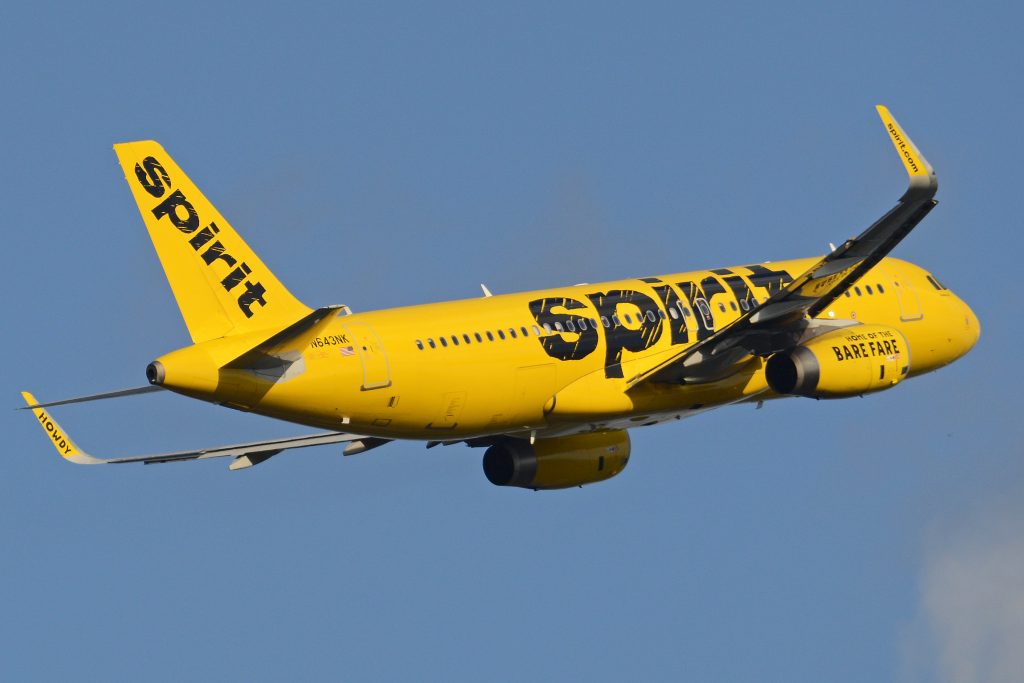
While Spirit remains committed to its low fare model, the airline is preparing to expand its premium product offerings.
The company plans to grow its Spirit First and Premium Economy products, reinforcing its position as a price leader while offering more choice to travellers seeking additional comfort or flexibility.
The press release notes that Spirit will also enhance its Free Spirit loyalty programme and co brand credit card offerings to strengthen customer engagement and retention.
This evolution mirrors a broader shift among ultra low cost carriers, many of which are increasingly leaning into ancillary revenue opportunities and differentiated product tiers.
For Spirit, premium upsell has long been a key revenue driver, and the planned enhancements suggest a more structured approach to product segmentation.
A Dramatically Improved Balance Sheet for Spirit Airlines…
Perhaps the most striking element of Spirit’s restructuring is the scale of its anticipated debt reduction.
The company expects to reduce its debt and lease obligations from $7.4bn before filing to approximately $2.1bn upon emergence.
This represents one of the most significant balance sheet resets in the airline’s history and will materially expand its cost advantage relative to legacy and hybrid competitors.
As Spirit Airlines stated, it “will have further reduced its cost structure, expanding its cost advantage compared to legacy and other airlines”.
A lighter balance sheet gives Spirit more room to invest in fleet optimisation, operational reliability and product improvements, all of which will be essential as it repositions itself in a competitive domestic market.
Despite the ongoing restructuring, Spirit emphasised that customers will not experience disruptions to their travel plans.
Guests can continue to book, travel and use tickets, credits and loyalty points as normal.
Davis also expressed gratitude to employees and customers, noting their “dedication and unwavering commitment” throughout the process.
Continue to follow The Aviation Hub for more analysis and insight!