
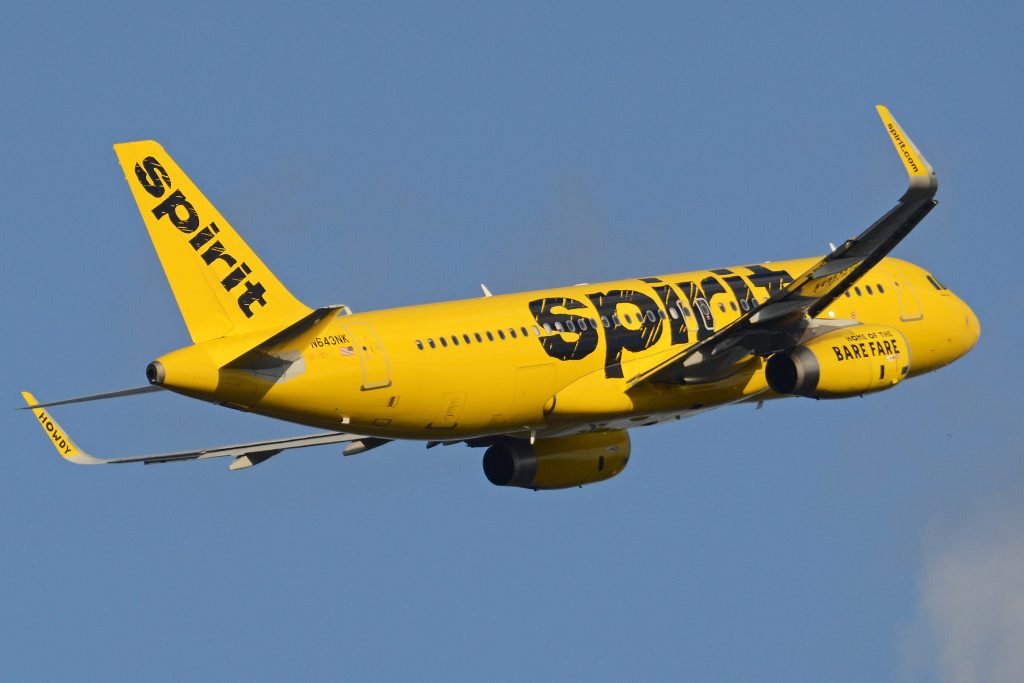
Spirit Airlines will be reduced in size starting from this year, with full growth expected by 2030.
The carrier has taken another decisive step in its restructuring journey, filing its Restructuring Support Agreement and Plan of Reorganization with the US Bankruptcy Court for the Southern District of New York.
The move marks one of the most consequential milestones in the carrier’s Chapter 11 process to date, reinforcing the momentum first outlined in its earlier agreement in principle with debtor in possession lenders and secured noteholders.
With this latest development, Spirit is now positioning itself for an early summer emergence, signalling a leaner, more focused and more financially resilient future.
A Clearer Path Forward for Spirit Airlines…
In the press release filed in Dania Beach, Spirit Aviation Holdings emphasised that the RSA and Plan provide the financial framework underpinning its expected exit from Chapter 11.
This follows weeks of negotiations and continued support from lenders and noteholders, who have remained confident in the airline’s ability to stabilise and rebuild.
The company’s leadership described the filing as a very important milestone, one that moves the airline closer to completing its transformation and restoring long term viability.
This aligns closely with the themes explored in your previous article, where Spirit’s agreement in principle was described as a turning point that would give the airline the financial clarity needed to finalise its restructuring.
At that stage, Spirit was already signalling a renewed focus on value, product choice and operational discipline.
The latest filing now cements those intentions into a formal plan.
Downsizing the Fleet for a Sustainable Future
A central pillar of the Plan is a significant fleet adjustment. Spirit intends to downsize its fleet to between 76 and 80 aircraft by the third quarter of 2026, primarily composed of Airbus A320 and A321ceo models.
This represents a dramatic reduction from its pre bankruptcy fleet size and is designed to cut debt, reduce lease obligations and lower aircraft related costs.
The airline expects to begin adding aircraft again between 2027-2030, but only in line with profitable growth opportunities.
This measured approach reflects a shift away from the aggressive expansion strategy that contributed to financial strain in the years leading up to the Chapter 11 filing.
Instead, Spirit is now prioritising stability, efficiency and long term sustainability.
Spirit Airlines Now Aiming for A Network Built Around Strength
Spirit’s network strategy is also undergoing a targeted recalibration.
The airline will continue to align its schedule with consumer demand, focusing on its strongest markets including Fort Lauderdale, Orlando, Detroit and the New York City area.
These are cities where Spirit has historically performed well and where its value focused model resonates strongly with travellers.
The company plans to increase aircraft utilisation on peak days while reducing off peak flying, giving it greater flexibility to respond to seasonal demand.
This approach mirrors the operational discipline highlighted in your earlier article, where Spirit’s leadership stressed the importance of optimising the network to support profitability rather than chasing volume for its own sake.
A More Competitive Product Offering
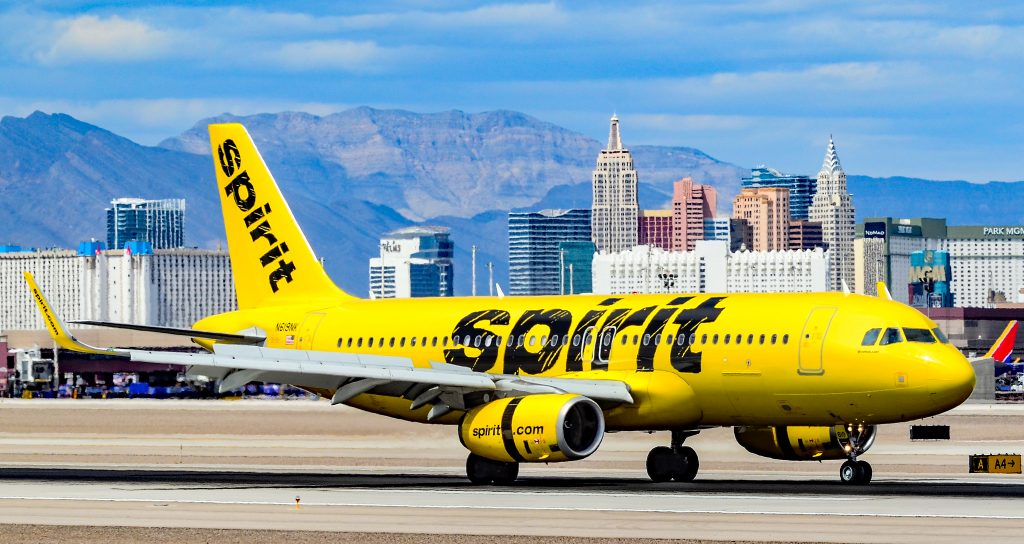
Spirit is also using the restructuring period to refine its product strategy.
The airline intends to expand its Spirit First and Premium Economy offerings by adding a third row of the Big Front Seat and continuing the rollout of its Premium Economy seating.
This marks a notable evolution for a carrier long associated with an ultra low cost model centred almost exclusively on price.
While Spirit remains committed to leading the industry on value, the introduction of more premium seating options reflects a recognition that travellers increasingly expect choice.
By offering a broader range of products, Spirit aims to capture additional revenue while maintaining its core identity as a value carrier.
Strengthening the Spirit Airlines Balance Sheet
Perhaps the most striking element of the Plan is the scale of Spirit’s financial reset.
The company expects to reduce its debt and lease obligations from $7.4bn pre filing to approximately $2bn post emergence.
This dramatic deleveraging will give Spirit a far stronger financial foundation and a cost structure that widens its advantage over legacy competitors.
The airline will continue to pursue efficiencies across the business, reinforcing the cost discipline that has been central to its restructuring narrative.
As CEO Dave Davis noted, the progress reflects the confidence lenders and noteholders have in Spirit’s future and its ability to deliver value to American consumers.
Throughout the restructuring process, Spirit has emphasised that passengers can continue to book, travel and use tickets, credits and loyalty points as normal.
This reassurance has been a consistent message since the earliest stages of the bankruptcy scare and remains unchanged with the latest filing.
A Summer Emergence in Sight for Spirit Airlines…
With the RSA and Plan now before the Court, Spirit Airlines is entering the final phase of its restructuring.
The airline expects to emerge from Chapter 11 by early summer, completing a transformation that began with uncertainty but is now defined by clarity, discipline and renewed purpose.
As our earlier reporting suggested, Spirit is not simply aiming to survive but to re establish itself as a competitive force in the US market.
The latest filing brings that vision one step closer to reality.
Continue to follow The Aviation Hub for more analysis and insight!