
Deutsche Lufthansa AG — known globally as Lufthansa — stands today as one of the world’s most iconic airlines and Europe’s largest air carrier.
Its story is not just about planes, routes, and cabins, but also about the evolution of aviation itself, the rebuilding of a nation after catastrophic war, technological breakthroughs, international cooperation, economic turbulence, and cultural shifts in how people and goods traverse the globe.
Spanning nearly a century, Lufthansa’s history reflects not just corporate milestones but the broader contours of 20th- and 21st-century world history.
In this article, we explore the deep roots of Lufthansa, its rebirth after World War II, its rise through the jet age, its resilience amid crises, and its bold vision for the future — culminating in the celebrations planned for its 100th anniversary.
Origins: The Birth of Deutsche Luft Hansa (1926–1945)
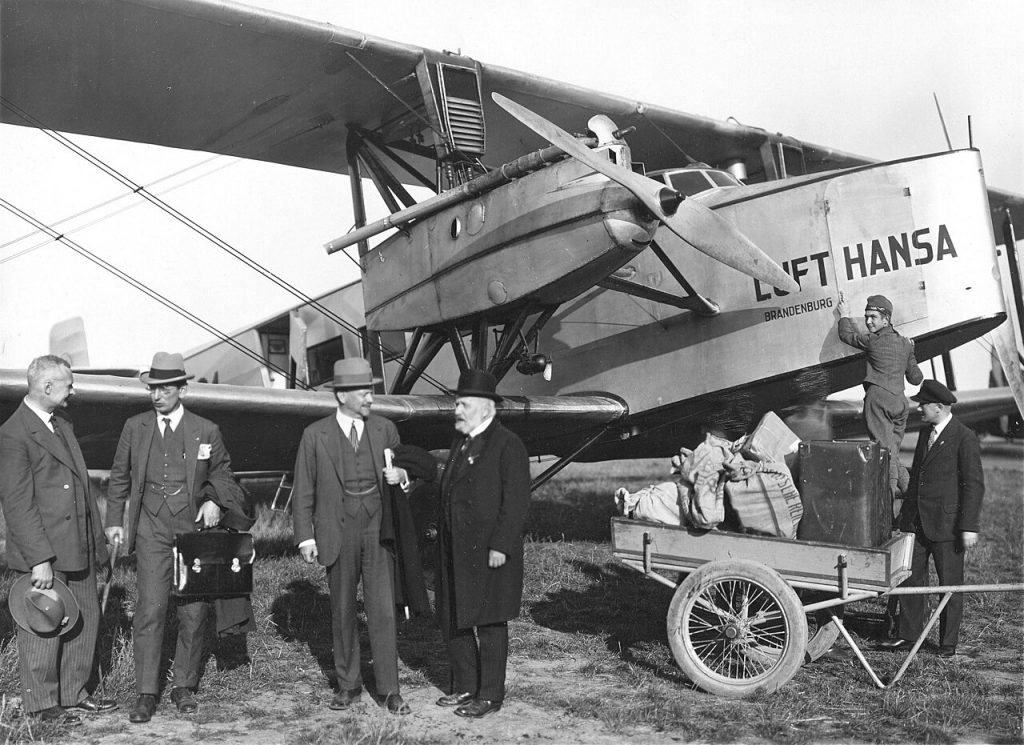
The earliest precursor to today’s Lufthansa was Deutsche Luft Hansa AG, founded on January 6, 1926, in Berlin.
This first Lufthansa emerged from the merger of two early German airlines — Deutscher Aero Lloyd and Junkers Luftverkehr — in an effort to unify a fragmented post-World War I aviation landscape and to become Germany’s national carrier.
From its inception, Deutsche Luft Hansa was designed to be a comprehensive air transport system, operating passenger services, freight networks, and vital airmail routes across Europe and beyond.
Routes grew to connect major European capitals, and the airline played a key role in advancing early commercial aviation standards, aircraft maintenance practices, and navigation techniques.
However, the rise of Nazi Germany in the 1930s soon changed the airline’s trajectory. While Deutsche Luft Hansa retained its commercial façade, its operations became increasingly integrated with state objectives.
During World War II, the airline came under the authority of the Luftwaffe — the German air force — contributing logistical support to the war effort.
Operations pivoted sharply from civilian transport to military logistics and maintenance, and the use of forced labor at maintenance facilities, including at Berlin’s Tempelhof Airport, became a deeply troubling part of its wartime history.
With the defeat of Nazi Germany in 1945 and the ensuing Allied occupation, all German civil aviation was grounded.
Deutsche Luft Hansa ceased operations; its aircraft were seized, and by January 1, 1951, the company had been formally liquidated.
Post-War Rebirth: Lufthansa Re-Emerges (1950s)
After the war, West Germany began rebuilding not only its cities and industries but also its place in the international community.
A key symbol of this resurgence was the restoration of a national airline.
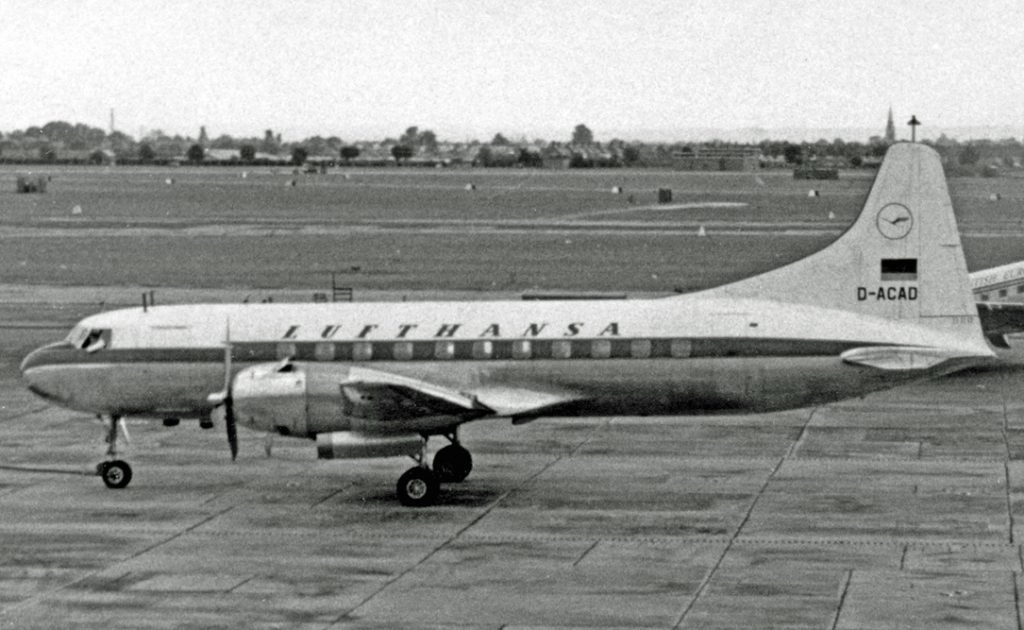
On January 6, 1953 — precisely 27 years after the original Deutsche Luft Hansa was formed — a new company was established in Cologne under the name Aktiengesellschaft für Luftverkehrsbedarf, often abbreviated as Luftag.
In 1954, Luftag acquired the name, trademark, and iconic crane logo of the original Deutsche Luft Hansa from the company in liquidation.
With that purchase, Deutsche Lufthansa AG — the airline we recognize today — was reborn, carrying forward both a legacy and a new beginning.
Lufthansa formally began scheduled operations on April 1, 1955, initially linking German cities like Hamburg, Düsseldorf, Frankfurt, and Munich.
Soon after, international flights commenced, including services to London, Paris, Madrid, and, by mid-1955, transatlantic routes to New York City.
This period marked a crucial turning point:
Lufthansa was not merely reviving pre-war routes but setting the foundation for a global network of connections that would define modern international air travel.
The Jet Age and Expansion (1960s–1980s)
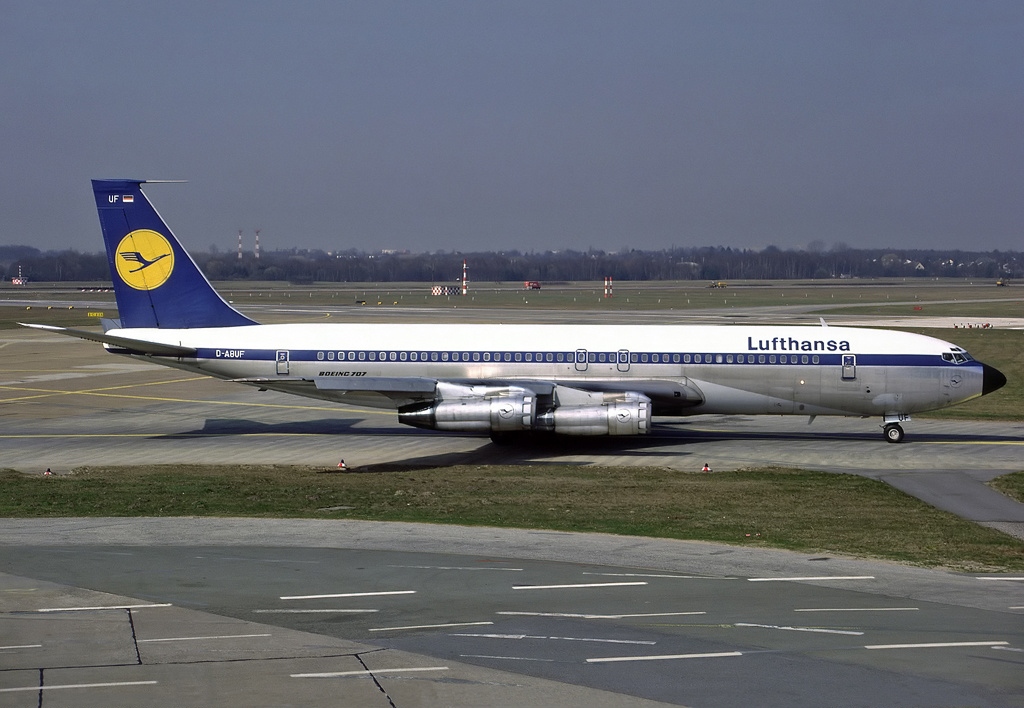
The 1960s ushered in the jet age, transforming commercial aviation forever, and Lufthansa was at the forefront of this transition.
In 1960, Lufthansa became the first German airline to introduce the Boeing 707 into its fleet — a jetliner that dramatically increased speed, range, and passenger comfort.
With jet service, long-haul flights became faster and more efficient, enabling the airline to expand its influence across the Atlantic and into emerging international markets.
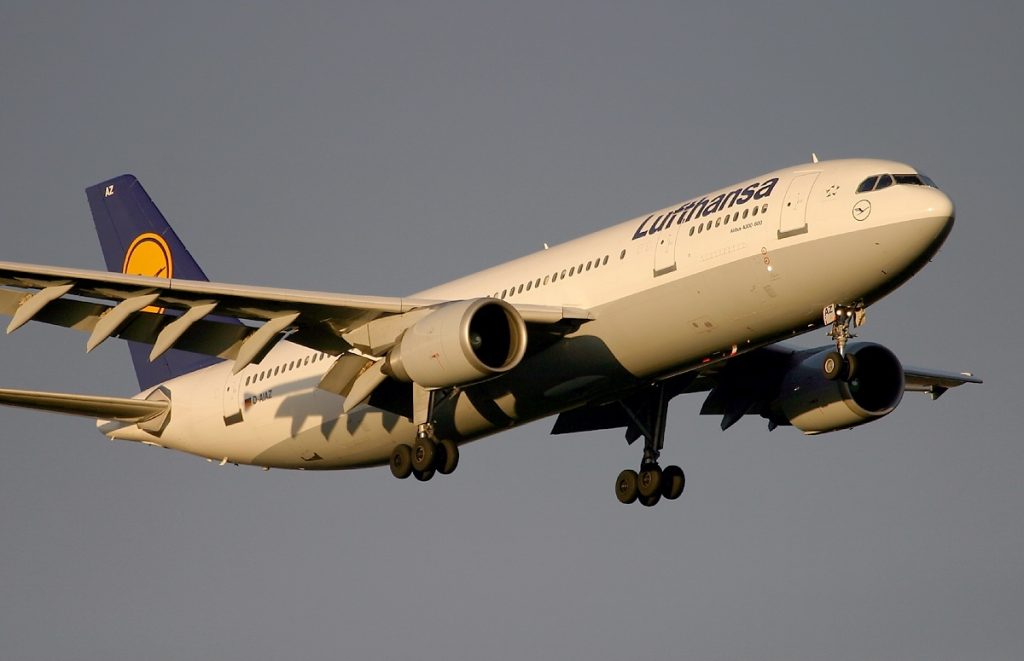
Throughout the 1970s and 1980s, Lufthansa continued to innovate. It embraced wide-body aircraft such as the Airbus A300, which enabled high-capacity routes and enhanced reliability.
The airline’s network grew across continents, incorporating destinations in Asia, Africa, and the Americas.
This era also saw Lufthansa strengthen its role as a national symbol of German engineering prowess and economic revival.
The airline’s operations extended beyond mere transport; it became a powerful cultural ambassador for Germany, showcasing precision, quality, and world-class service.
Global Alliances and the Modern Era (1990s–2000s)
By the 1990s, globalization had reshaped nearly every industry — and aviation was no exception.
Lufthansa seized the moment by joining Star Alliance, the world’s first and today largest airline alliance.
This strategic move, enabling shared routes, coordinated schedules, joint frequent-flyer benefits, and operational synergies, positioned Lufthansa as a key player in international air transport.
With the alliance, Lufthansa enhanced connectivity across thousands of destinations and integrated operations with partners from North America, Asia, and Europe.
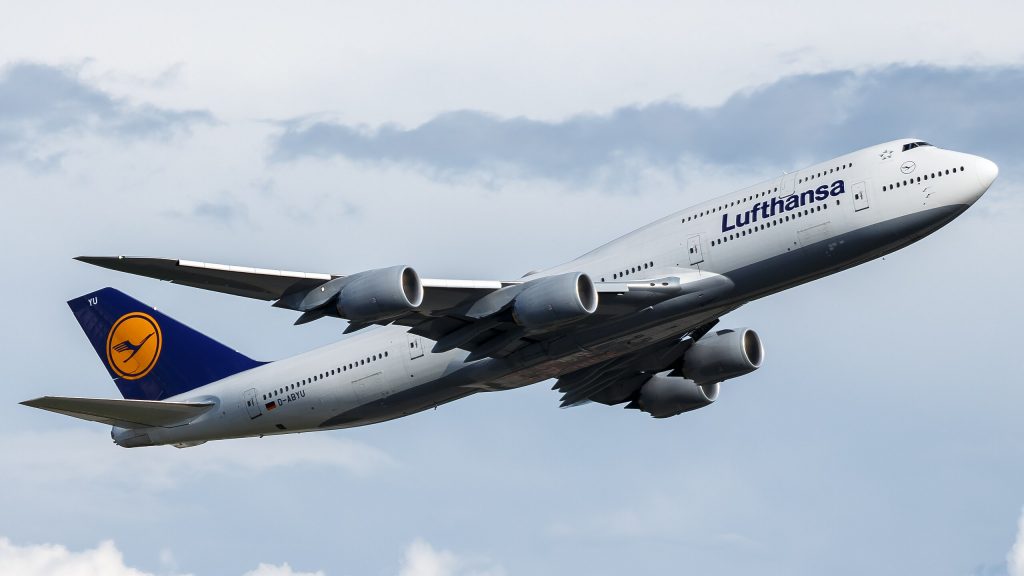
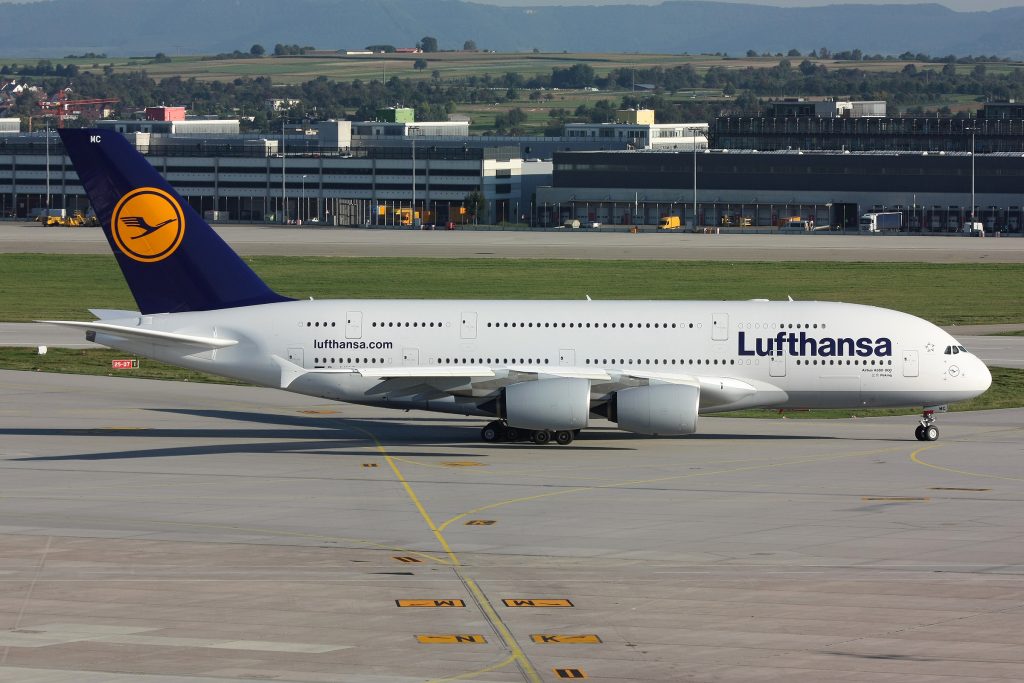
The airline’s fleet also modernized rapidly with the addition of advanced long-haul aircraft such as the Airbus A340, Boeing 747-400, and later the super-jumbo Airbus A380, reinforcing Lufthansa’s commitment to comfort and technology.
Challenges and Transformation (2010s–2020s)
The first decades of the 21st century brought profound challenges.
Economic downturns, rising fuel costs, regulatory shifts, and, most dramatically, the COVID-19 pandemic, severely disrupted global aviation.
During the pandemic, air travel demand collapsed worldwide. Lufthansa, like many major carriers, grappled with grounded fleets, financial strain, and operational uncertainty.
The airline received support from the German government to stabilize its business, but recovery remained gradual.
In the early 2020s, Lufthansa focused on restructuring, fleet renewal, and expanding its group portfolio.
The Lufthansa Group grew to encompass multiple airlines including Austrian Airlines, Swiss International Air Lines, Brussels Airlines, Eurowings, Discover Airlines, and stakes in carriers such as ITA Airways.
This diversification broadened Lufthansa’s reach in both premium and low-cost travel segments.
The decade also saw internal transformations such as the rollout of new cabin experiences under the “Allegris” program — designed to enhance comfort, efficiency, and revenue potential — and adapting to industry trends like sustainable fuels, digitalization, and customer-centric innovation.
Lufthansa in the 2020s: Renewal, Sustainability, and Strategy
By the mid-2020s, Lufthansa had largely rebounded from pandemic lows.
The airline pursued strategic objectives focused on modernization, sustainability, and competitiveness.
Fleet development remained central to this vision.
Lufthansa placed orders for hundreds of next-generation aircraft, including fuel-efficient long-haul jets and modern short-haul models designed to cut emissions and operating costs.
The push toward sustainability also involved exploring sustainable aviation fuels (SAF) and optimizing operations to reduce environmental impact.
At the same time, the company confronted technological and workforce shifts.
The adoption of AI and automation was part of efforts to streamline operations, though it also raised public debates about job reductions and the future of labor in aviation.
Still, amid these strategic pivots, Lufthansa maintained a firm focus on customer experience, network expansion, and strengthening its role in global aviation.
Preparing for the Centenary: Lufthansa’s 100th Anniversary (2026)
In 2026, Lufthansa will celebrate 100 years since the establishment of the original Deutsche Luft Hansa in 1926 — a landmark moment that the airline regards as a celebration of its enduring legacy, even though the modern company was legally formed in 1953.
To honor this centenary, Lufthansa has unveiled ambitious plans that blend heritage, innovation, and spectacle.
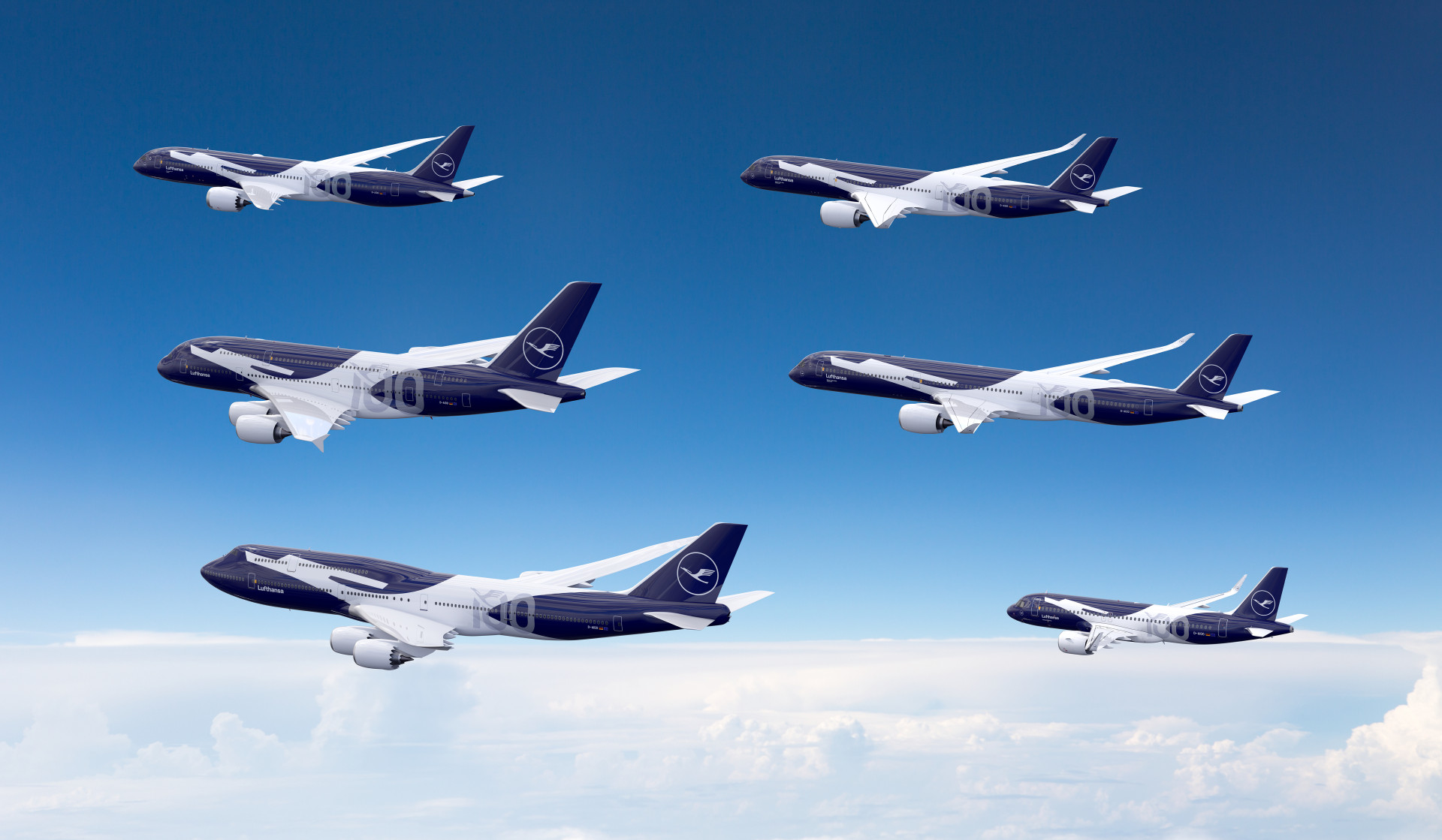
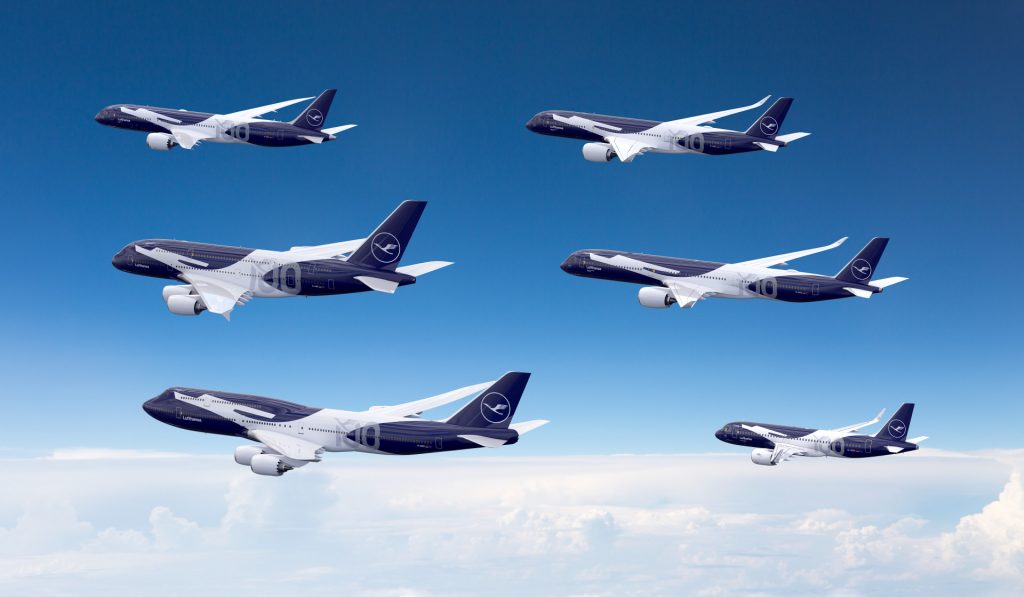
At the core of these plans is an “Anniversary Fleet” — a dedicated group of aircraft painted in a special 100-year commemorative livery that blends classical design elements with the airline’s modern identity.
The anniversary fleet consists of six aircraft, each representing a different key type from Lufthansa’s current lineup.
These aircraft will sport unique liveries that pay homage to Lufthansa’s evolution and global presence:
- Boeing 787-9 “Berlin” – The first of the anniversary aircraft to receive the special design, representing the future of long-haul travel while acknowledging Lufthansa’s historic roots.
- Airbus A380 – Symbolizing the peak era of super-jumbo international travel.
- Airbus A350-1000 (Deliveries in April 2026) and A350-900 – Representing Lufthansa’s modern long-haul fleet with advanced efficiency and comfort.
- Airbus A320 – Showcasing the backbone of Lufthansa’s intra-European operations.
- Boeing 747-8 – An iconic symbol of Lufthansa’s enduring long-haul reach and a nod to one of aviation’s most recognizable aircraft.
These liveries are expected to roll out through 2025 and into 2026, with all six aircraft in regular service by the fall of 2026.
Beyond Paint: Celebrations and Legacy Projects
Lufthansa’s centenary celebrations extend beyond aircraft aesthetics.
The airline is leveraging this milestone as an opportunity to enhance the passenger experience, rethinking onboard processes, lounges, branding, and digital interactions as part of a broader renewal initiative for long-haul travel.
Additionally, historical preservation projects — including museum exhibits featuring restored aircraft such as the Junkers Ju 52 — aim to connect contemporary audiences with the rich tapestry of aviation history, acknowledging both achievements and the complex legacies of the past.
Celebrating A Century of Flight with Lufthansa
From its beginnings in the interwar years to its post-war rebirth, its embrace of jet technology, its navigation through economic and global crises, and its bold steps into a sustainable and digital future, Lufthansa’s history is inseparable from the history of commercial aviation itself.
Across decades of change, the airline has continually redefined what it means to connect people, cultures, and economies across continents.
As Lufthansa prepares to celebrate its 100th anniversary in 2026, the company stands not just as a commercial airline but as a testament to persistence, innovation, and global connectivity — honoring tradition while charting the course for the next century.
Continue to follow The Aviation Hub for more analysis & insight!